
Walk into any American grocery store and you’ll find thousands of products that are perfectly legal to buy, stock in your pantry, and serve to your family. What’s less visible is that a notable number of those same items – or the specific ingredients and farming practices behind them – are restricted or outright banned in dozens of other countries. The gap isn’t just a matter of cultural taste. It reflects something more fundamental: a deep difference in regulatory philosophy between the United States and much of the rest of the world.
Several food additives and farming practices that are legal in the United States are banned across the European Union, affecting everything from bread and candy to pork and poultry. The gap comes down to a fundamental difference in regulatory philosophy: the EU generally restricts substances when safety concerns emerge, even before the evidence is conclusive, while the US tends to allow substances until harm is clearly proven. Here are four foods – or food categories – that sit squarely in that divide.
1. Citrus Sodas with Brominated Vegetable Oil (BVO)
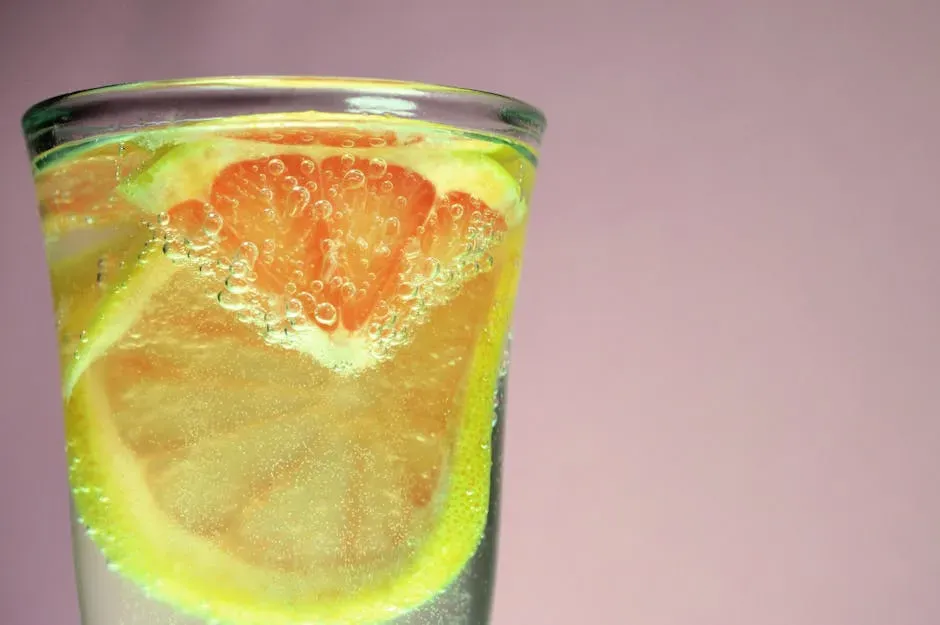
1. Citrus Sodas with Brominated Vegetable Oil (BVO) (Image Credits: Pexels)
The Food and Drug Administration proposed banning the use of brominated vegetable oil, a food ingredient once widely used in popular drinks like Gatorade and Mountain Dew, that has been slowly phased out due to its link to potential health risks, including damage to the liver, heart and brain. The additive’s job was straightforward enough: BVO is an oil that has been modified with bromine, a naturally occurring chemical element, and it is used as a food stabilizer primarily in citrus drinks to keep the flavoring from separating and floating to the top.
The problem is that the rest of the world got there decades earlier. Brominated vegetable oil was banned in the United Kingdom in 1970, and India followed in 1990. The European Union banned BVO in 2008, and Japan banned it in 2010. In July 2024, the FDA revoked regulations allowing the use of BVO in food. The agency concluded that the intended use of BVO in food is no longer considered safe after studies conducted in collaboration with the National Institutes of Health found the potential for adverse health effects in humans, including headaches and nervous system damage. The final rule banning BVO took effect August 2, 2024. Though major brands have all but eliminated the ingredient from their product lines, it is still found in many commonly available products, such as multiple flavors of D&G Genuine Jamaican Soda, Sun Drop, and several store-brand soft drinks.
2. Candy and Processed Foods Containing Titanium Dioxide
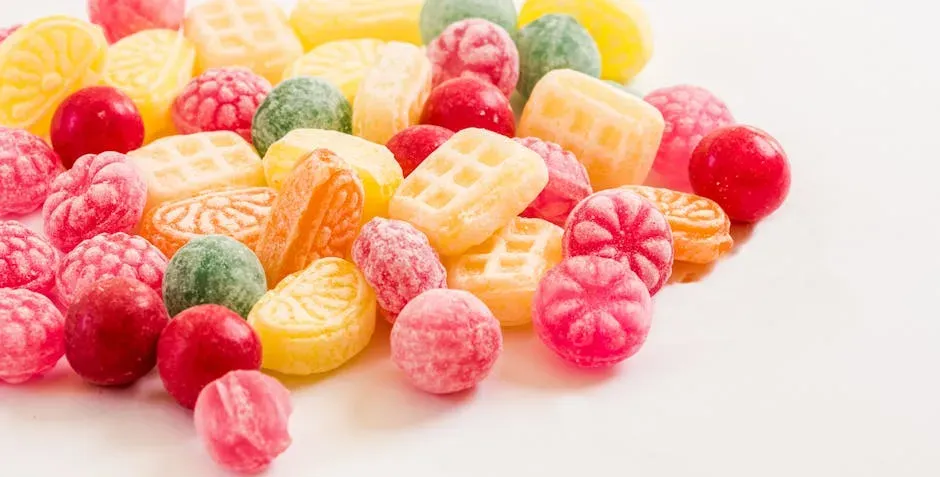
2. Candy and Processed Foods Containing Titanium Dioxide (Image Credits: Pexels)
The EU banned titanium dioxide in 2022 over genotoxicity concerns, while the FDA still allows it in candy, gum, and frosting across the US. The additive is essentially a cosmetic ingredient. Titanium dioxide is an inorganic white compound refined from titanium-bearing ores. In food, it serves exactly one purpose: making things look whiter and brighter. It has no flavor, no nutritional value, and no preservative function.
The European Food Safety Authority banned titanium dioxide in 2022 after determining that the additive could cause genotoxicity, meaning it might damage DNA and cellular structures. According to FDA data, over 4,300 candy products currently contain this additive. Some manufacturers have now begun acting voluntarily. Skittles removed titanium dioxide from their US formulation in June 2025, following years of consumer pressure. Tyson Foods announced that same month that it would eliminate titanium dioxide from its product lines by the end of 2025. These are voluntary reformulations, though – the ingredient remains legal, and many manufacturers continue to use it.
3. Ractopamine-Fed Pork
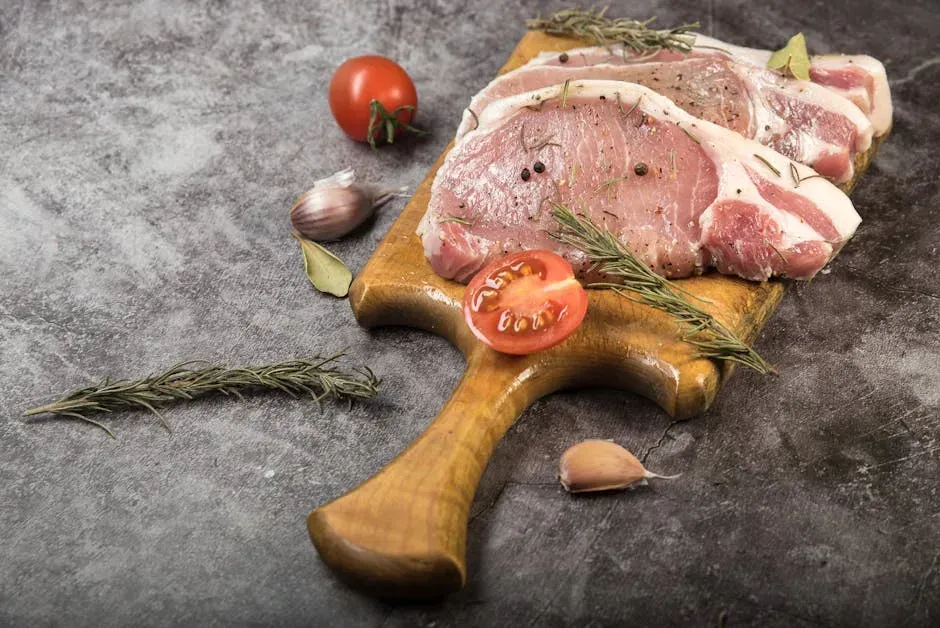
3. Ractopamine-Fed Pork (Image Credits: Pexels)
As of 2025, the use of ractopamine “is banned or its use restricted in 168 nations,” including the European Union, China, and Russia, while it remains legal in some other countries with differing maximum residual limits in meat. The drug is a feed additive given to pigs to accelerate muscle growth and improve what the industry calls feed efficiency. Ractopamine is known to increase the rate of weight gain, improve feed efficiency, and increase carcass leanness in finishing swine. Its use yields about 3 kilograms of additional lean pork per animal and improves feed efficiency by roughly ten percent.
In the US, ractopamine is fully approved. The FDA allows residues of up to 50 parts per billion in pork and 30 parts per billion in beef, levels significantly higher than even the international standards set by the Codex Alimentarius. For American consumers, this is largely invisible. Ractopamine isn’t listed on meat labels, and there’s no way to know at the grocery store whether a cut of pork was produced with it unless the brand specifically markets itself as ractopamine-free. Even trace amounts can block imports, which is why American pork must often be specially certified to be accepted abroad.
4. Chlorine-Washed Chicken
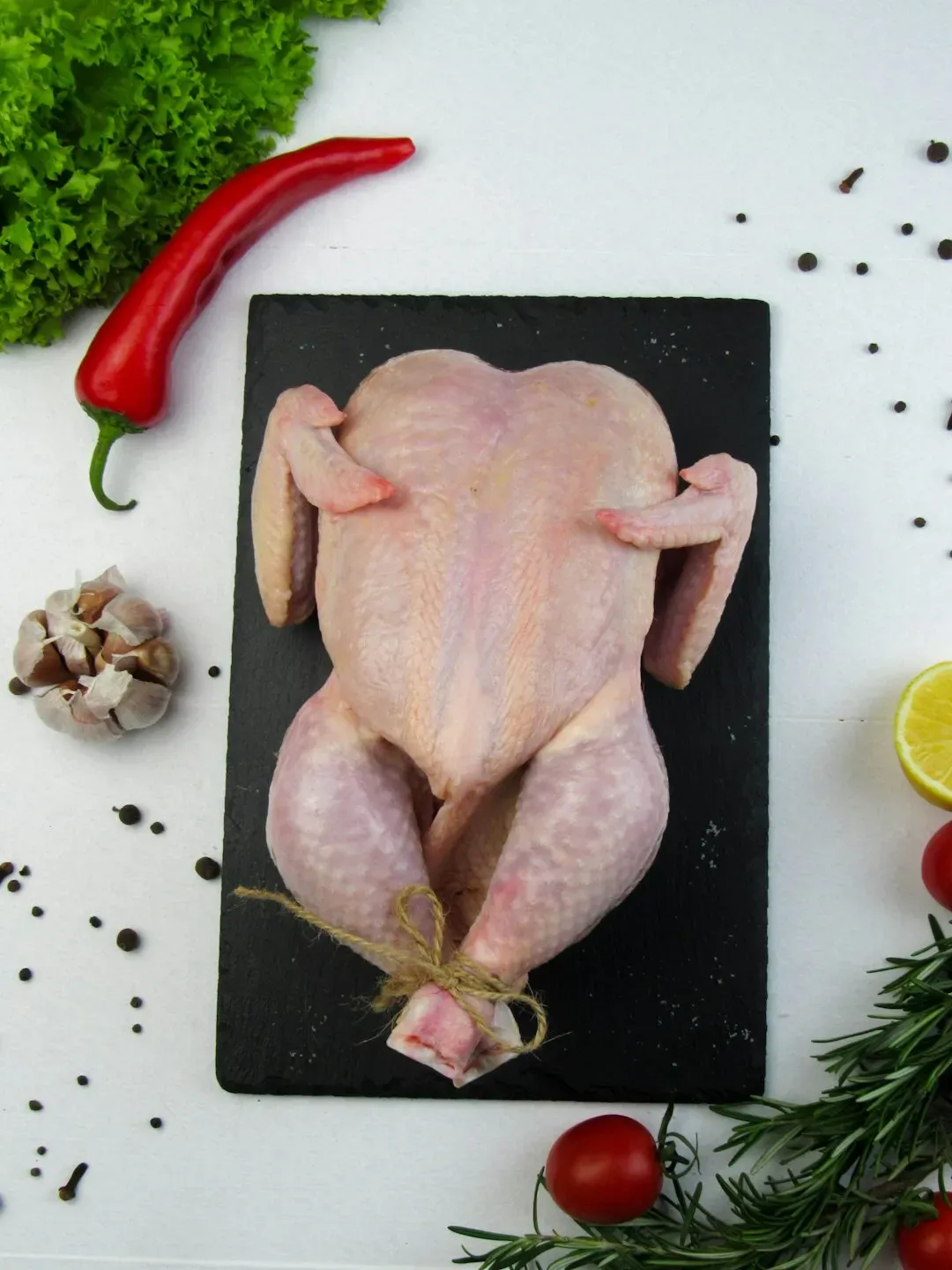
4. Chlorine-Washed Chicken (Image Credits: Unsplash)
The EU doesn’t ban a specific food here so much as a processing method. American poultry is commonly rinsed in chlorinated water at the end of the slaughter process to kill bacteria like salmonella and campylobacter. The EU prohibits this practice for both domestic and imported chicken. Interestingly, the concern is less about the rinse itself and more about what it implies. Researchers note the meat itself isn’t believed to pose a risk to consumers. The EU’s concern is that chlorine washing at the end of production can mask poor hygiene and welfare standards earlier in the process. Without the chemical rinse as a safety net, EU producers are required to prevent contamination through better farming conditions, vaccination, and stricter hygiene throughout the bird’s life.
The EU banned pathogen reduction treatments on poultry, including chlorine rinses, in 1997. That ban has held firm for nearly three decades, and it has become a recurring sticking point in US-EU trade talks. European regulators often follow what’s known as the precautionary principle, meaning products can be restricted or banned if there’s a potential environmental or health risk. In contrast, regulatory action in the US tends to follow when there’s proof that a product causes harm. This is why far more American products are banned in Europe than the other way around. For now, the same chicken that lands on an American dinner table would be turned away at a European border – not because the end product is proven dangerous, but because of how it got there.