
There’s a particular kind of nostalgia that comes with remembering how money worked back then. Not the interest rates or the economic headlines, but the small, tactile rituals: the feel of a checkbook register under your hand, the sound of coins dropping into a ceramic pig, the careful way your mom unfolded a paper coupon at the register. These weren’t grand financial strategies. They were just how everyday life ran.
Growing up in the ’80s meant absorbing a set of money habits almost by accident. Nobody handed out personal finance workbooks. Kids watched their parents stretch a dollar at the grocery store, negotiate layaway at Sears, and sit at the kitchen table once a week with a pen and a ledger. Some of those habits have quietly vanished. Others have staged a full comeback dressed up in new vocabulary. Here are twelve that defined the era.
1. Paying for Almost Everything in Cash

1. Paying for Almost Everything in Cash (Image Credits: Pexels)
Many families in the ’80s used cash for all of their purchases and often budgeted with these spending habits, even if they didn’t realize they were actively saving money. It was simply the default. You went to the bank on Friday, drew out what you needed for the week, and that was your spending limit.
For that generation, if you didn’t have the paper bills in your pocket, you simply didn’t buy the item. By avoiding the plastic trap, they never had to worry about compound interest on consumer debt eating away at their future earnings. Experts now point out that people spend significantly less when they have to physically count out money at a register. The constraint was the whole point, even if nobody called it a strategy.
2. Balancing the Checkbook Every Week
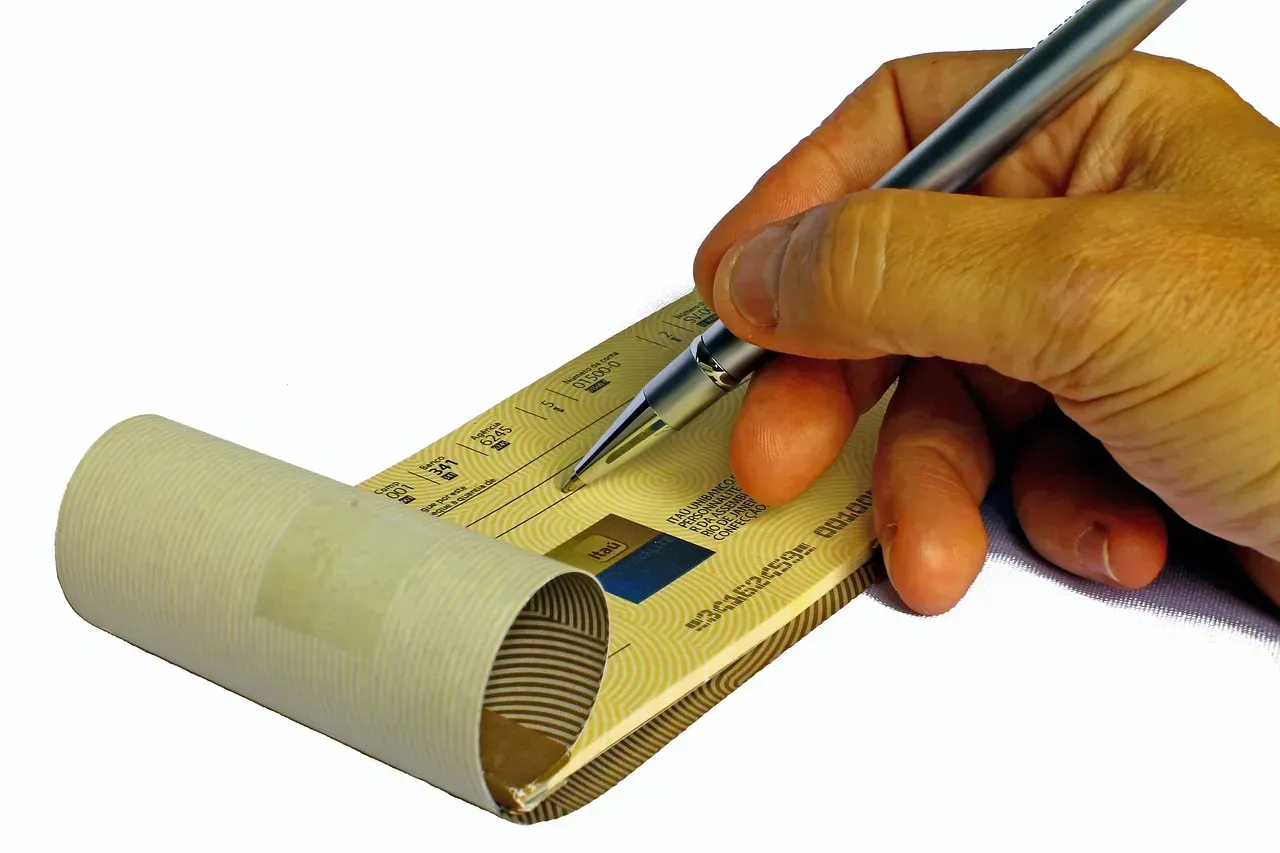
2. Balancing the Checkbook Every Week (Image Credits: Pixabay)
Many ’80s households balanced their checkbooks weekly. Every expense was written down. Nothing was automatic, and every cent was accounted for. It was tedious work by any modern standard, but it produced something rare: a precise, real-time picture of your finances.
Long before Excel or banking apps, people sat down at the kitchen table every week with a checkbook register or a ledger. Manually writing down every expense forced them to confront their spending habits and stay aware of where their money was going. Advisors call this mindful spending, and it is far more effective for behavior change than an automated app that you can easily ignore. There’s an argument that the friction was actually the feature.
3. Using the Envelope Budgeting System

3. Using the Envelope Budgeting System (Image Credits: Pexels)
Envelope budgeting takes a hands-on approach to managing expenses by dividing funds into categories, each with a set spending limit. Traditionally, it involved placing cash into envelopes labeled for each category, such as groceries, housing, or entertainment. In the ’80s, this wasn’t a trendy method with a name. It was just how practical households divided the paycheck on payday.
Long before budgeting apps existed, people divided their physical cash into labeled envelopes for rent, groceries, and utilities. This method forced a hard stop on spending; once the entertainment envelope was empty, the fun was over for the month. Modern advisors love this because it utilizes friction, making it psychologically harder to part with physical bills than a digital tap. Interestingly, this system has seen a massive resurgence on social media as “cash stuffing” among Gen Zers looking to get out of debt.
4. Clipping Coupons from the Sunday Paper
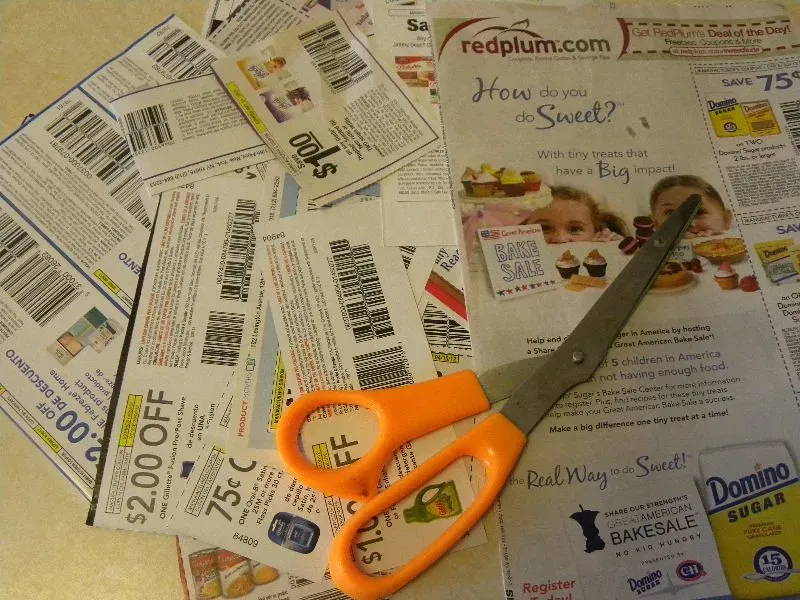
4. Clipping Coupons from the Sunday Paper (Hobbies on a Budget, Flickr, <a href="https://creativecommons.org/licenses/by/2.0/" target="_blank" rel="noopener">CC BY 2.0</a>)
Especially in the 1980s, when in-store shopping and coupon catalogs were at their peak of popularity, planning and using them for sales was a common frugal habit that saved families more than they realized. In contrast to today’s consumer struggles with affordability, the coupons, buying strategies, and deals of the time were more impactful than they seemed. Sunday mornings often involved scissors, a kitchen table, and a pile of newspaper inserts.
The 1970s and 1980s further solidified the importance of coupons, with TV shows and magazines dedicated to helping consumers get the most out of every shopping trip. Gen X knew the thrill of doubling coupons at the grocery store, stacking deals, and bragging about saving $15 like it was winning the lottery. Today, apps do it for you, but clipping taught that the hunt was half the fun.
5. Shopping on Layaway for Big Purchases

5. Shopping on Layaway for Big Purchases (Image Credits: Pexels)
Picture the holiday rush unfolding in the 1980s, with shoppers lining up to reserve toys and electronics. They paid in installments until they finally took those items home. That method let people who lacked credit or full cash pay over time before picking up their purchase. For a family without a credit card or a spare few hundred dollars, it was the only realistic route to a big gift.
The system remained popular as late as the 1980s and ’90s. Shoppers buying on installment plans appreciated that no credit check was required, sought-after items could be reserved, and no interest was charged on the plan. Major chains including Sears, Kmart, Burlington Coat Factory, Marshalls, and T.J. Maxx widely promoted layaway. It required patience, but it also required no debt.
6. Earning Double-Digit Interest on Savings Accounts

6. Earning Double-Digit Interest on Savings Accounts (Image Credits: Unsplash)
In the early 1980s, Americans could earn double-digit interest on basic savings accounts and certificates of deposit. That sounds almost fictional from a 2026 vantage point, but it shaped how families thought about saving. Putting money in the bank wasn’t just responsible. It was genuinely rewarding in a way that showed up on a passbook statement.
Inflation rates and interest rates both rose dramatically in the late 1970s and early 1980s. This environment made the passbook savings account a real wealth-building tool for ordinary households, not just a place to park a rainy-day fund. It also meant that kids who watched their parents save actually saw the numbers grow, which made the habit feel worth teaching.
7. Sticking to a Written Grocery List

7. Sticking to a Written Grocery List (Image Credits: Pexels)
Following a strict grocery list when shopping isn’t just associated with a healthier diet, but it also tends to reduce impulse shopping, food waste, and overspending. It’s no surprise that it was one of the frugal habits from the 1980s that saved families more than they realized. The list went on the fridge, got checked twice before leaving, and was followed without detours through the snack aisle.
Families weren’t buying food or overspending on convenience from their phones, like so many consumers do today, and what they bought from the grocery store was actually used without waste. There was something almost methodical about it. The list wasn’t a suggestion. It was the budget in paper form, and straying from it had real consequences at the checkout.
8. Packing Lunch Instead of Eating Out

8. Packing Lunch Instead of Eating Out (Image Credits: Pexels)
Instead of relying on convenient fast food options and other packaged meals, packing a lunch was one of the frugal habits from the 1980s that saved families more than they realized. Especially considering it was second nature to buy groceries for lunches and to teach kids to make their own meals, it was surprising how much they actually saved compared to people who ate out for most of their meals.
Lunch wasn’t a casual consumer decision. It was a packed brown bag or a metal lunchbox, and eating out on a regular basis was considered a treat rather than a routine. Kids absorbed the habit early, and many carried it well into adulthood. Many adults who didn’t have space to discuss or learn from their parents about money struggle to manage it today, which suggests that these small, observed habits carried more weight than anyone gave them credit for.
9. Waiting for Sales and Buying Seasonally

9. Waiting for Sales and Buying Seasonally (Image Credits: Unsplash)
From waiting for Black Friday to buy Christmas presents, to investing in seasonal clothing at the end of the season, and waiting for big deals, families in the ’80s were strategic about spending and conscious of how and when they spent. Patience was built into the shopping process in a way that today’s one-click culture has largely eroded.
In the 1980s, people didn’t feel the same pressure to upgrade constantly. Keeping the same house, car, and clothes for years was normal. Buying winter coats in February or swimsuits in September wasn’t unusual; it was smart. The idea that you could wait for the right moment to spend money was a discipline practiced widely and without much fanfare.
10. Buying Secondhand Without Embarrassment
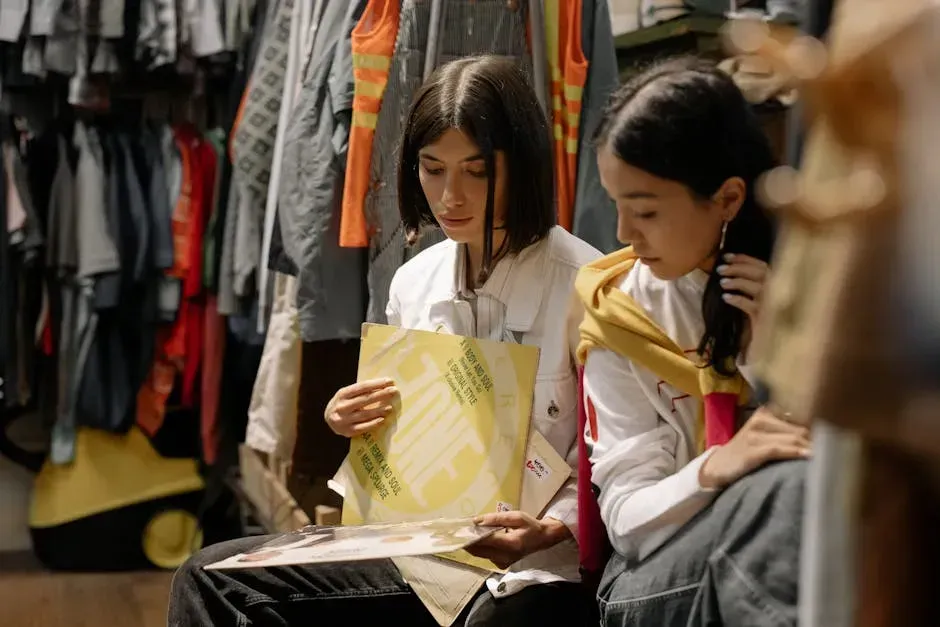
10. Buying Secondhand Without Embarrassment (Image Credits: Pexels)
Secondhand was a way of life in the 1980s. People shopped at garage sales, read classified ads, and passed down clothes or furniture between family members. There was no stigma attached to it, no ironic framing. A good find at a yard sale was simply a good find, and the money you saved went toward something else.
When you had to buy something, buying used helped you save. Shopping around for gently used items was standard practice. The secondhand market was full of items in great condition, including cars, appliances, furniture, and clothing. It was an unspoken rule that you exhausted secondhand options before going to a department store. That instinct made a lot of budgets work that otherwise wouldn’t have.
11. Giving Kids a Weekly Allowance Tied to Chores

11. Giving Kids a Weekly Allowance Tied to Chores (Image Credits: Pexels)
In most ’80s households, kids didn’t receive money for nothing. The allowance system was common and deliberate, structured around small household contributions that created a clear link between effort and reward. Giving kids an allowance isn’t just about handing them money; it’s an opportunity to teach lifelong financial skills. A well-structured allowance system helps children understand the value of earning, saving, and making thoughtful spending choices. By guiding them early, parents can instill financial habits that set their kids up for success.
By the time a child was around seven, an allowance was considered essential to learning about money and developing good habits. The amounts were modest, often just a few dollars, but the lessons were direct. You learned what things cost, you learned that money runs out, and you learned that if you wanted something specific, you had to plan for it. That combination proved remarkably durable.
12. Repairing Things Instead of Replacing Them

12. Repairing Things Instead of Replacing Them (Image Credits: Pexels)
Learning a few basic repair skills such as sewing, gluing, and rewiring could extend the life of belongings and save hundreds annually. In the ’80s this wasn’t considered a life hack. It was a given. Clothes got patched, appliances got fixed, and nothing went to the landfill on the first sign of trouble. It was always smart to think about how long something would last when buying it. Sometimes spending a little more made sense and saved money in the long run.
Instead of buying multiple cheap items that would fall apart in months, the approach was to save up for one high-quality item that could be repaired and last for years. This “Buy It For Life” approach meant spending less money over the long run while having better-functioning goods. While the initial price tag was higher, the cost per use was significantly lower than today’s disposable goods. It was a philosophy more than a tactic, and it stretched dollars further than any coupon ever could.
What’s striking about this list is how many of these habits have quietly returned under new names. Cash stuffing. Thrift hauls. Meal prepping. The fundamentals haven’t changed much at all. The ’80s just happened to practice them without the branding.