
Modern dating has always had its challenges, but something feels genuinely different right now. The vocabulary has expanded dramatically. People talk about being “breadcrumbed,” stuck in a “situationship,” or caught in a spiral of “thera-posing.” What used to be described simply as bad behavior now has sleek, shareable names, which can make it surprisingly easy to normalize things that are actually harmful.
According to licensed sexologist and relationship therapist Sofie Roos from Passionerad, 2025’s dating trends have been “mirroring today’s more lonely, selfish and online-focused dating climate in an honest way.” That’s a sobering assessment. She concluded that the dominant pattern of recent years has largely been one of avoidance, with trends reflecting a growing desire to sidestep vulnerability, honesty, and the risk of not being good enough. Six of those trends stand out most urgently, and therapists across the board are flagging them as genuinely damaging.
Ghosting: The Silence That Leaves No Closure
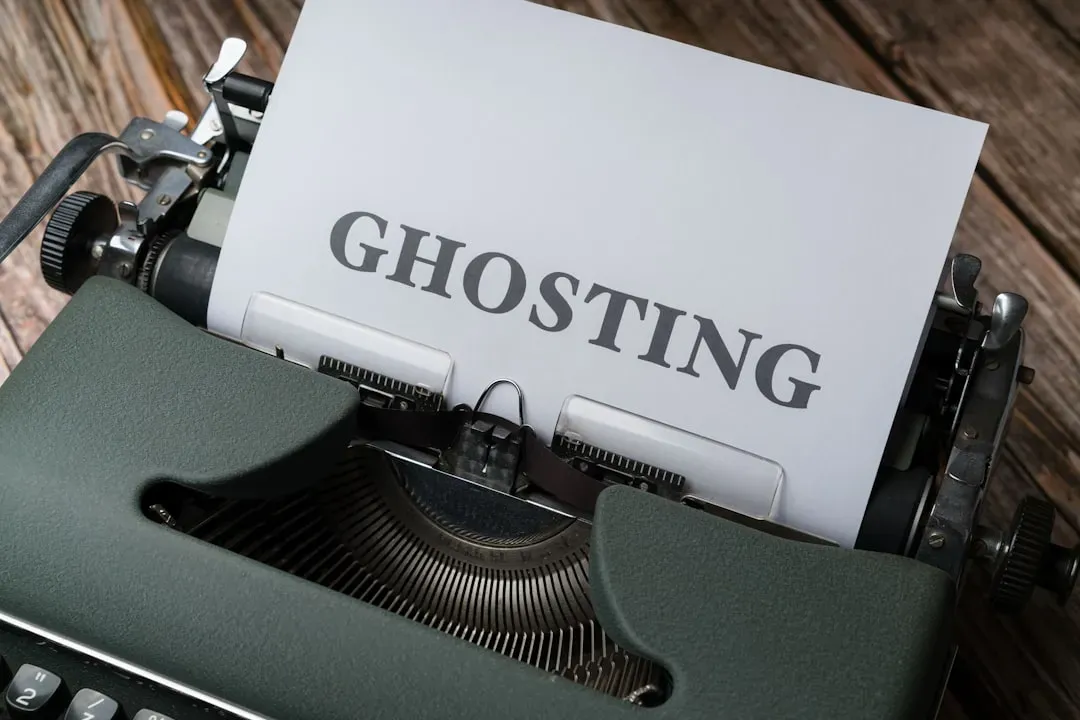
Ghosting: The Silence That Leaves No Closure (Image Credits: Unsplash)
Ghosting means cutting all contact and communication with someone without any explanation. It typically happens after a regular pattern of interaction, whether that’s daily texting or a weekly standing date. The abruptness is the whole point, and that’s precisely what makes it so psychologically disorienting for the person on the receiving end.
Research shows that ghosting leads to stronger feelings of exclusion than an outright rejection. People in the ghosting category were also more likely to feel that their basic needs around belonging, self-esteem, and a sense of control were threatened. Repeated interactions raise expectations, so when someone is ghosted they can find themselves feeling abandoned and uncertain, with little understanding of what happened or why. Therapists emphasize that this kind of unresolved ending isn’t trivial. It can make future connections genuinely harder to trust.
Breadcrumbing: Emotional Starvation on a Schedule

Breadcrumbing: Emotional Starvation on a Schedule (Image Credits: Unsplash)
Breadcrumbing is a psychologically harmful dating behavior that involves sending non-committal signals to another person and periodically feigning interest in them, despite having no intention of taking the relationship forward. The maddening part is that it never fully ends. Breadcrumbers sporadically send text messages or occasional likes on social media just frequently enough for receivers to not lose interest, but not enough for relationships to develop.
Psychologically, breadcrumbing operates on the principle of intermittent reinforcement, which is why unpredictable attention keeps individuals hooked. This dynamic fosters insecurity, erodes trust, and perpetuates cycles of hope and disappointment. A study of 626 adults found victims of breadcrumbing were significantly more likely to have feelings of loneliness, helplessness, and less life satisfaction than even victims of ghosting. People on the receiving end remain in limbo longer, experiencing repeated feelings of exclusion and ostracism.
Situationships: The Relationship That Isn’t One

Situationships: The Relationship That Isn’t One (Image Credits: Unsplash)
Situationships often lack clear commitment, leaving one or both individuals uncertain about their place in the relationship. This ambiguity can create emotional insecurity, leading to overthinking, stress, and a constant need for reassurance. Research shows that nearly half of 18 to 29-year-olds have been in a situationship, and they didn’t always end well. The sheer scale of the phenomenon makes it easy to mistake for normal.
The fundamental disconnect in a situationship can be a source of anxiety, low self-worth, and stress, according to therapist Michelle Herzog, LMFT, CST. Herzog says she sees the mental health toll this dynamic can take on clients who want more. They often find themselves constantly wondering if the other person is into them or if things will ever progress. Research in 2026 indicates these ambiguous arrangements often exacerbate emotional insecurity and relational anxiety. A measurable “uncertainty dilemma” has been identified in contemporary romantic life, with situationships linked to attachment anxiety, psychological distress, and a negative impact on subjective well-being and trust.
Thera-Posing: When Therapy Language Becomes a Weapon

Thera-Posing: When Therapy Language Becomes a Weapon (Image Credits: Pexels)
Thera-posing is the misuse of clinical terms typically used by a therapist. Think of someone casually labeling a partner a “narcissist” because they disagreed about dinner plans, or diagnosing every conflict as a “trauma response.” Social media, especially TikTok, has flooded everyday conversation with clinical vocabulary, often without the clinical context that gives those words meaning.
An August 2023 poll found that roughly one in three singles knew someone who had thera-posed, with an even higher rate among Gen Z respondents. The problem isn’t therapy itself. Therapy is valuable. The problem is what happens when weaponized psychological terminology replaces honest communication in dating. If you’re tempted to write off a date because an off-the-cuff joke reminded you of a TikTok about weaponized incompetence, you might be the one thera-posing. It shuts down genuine connection before it even gets a chance to form.
Future Faking: Big Promises, No Follow-Through

Future Faking: Big Promises, No Follow-Through (Image Credits: Pexels)
The “future faking” pattern involves someone who talks enthusiastically about plans you’ll make together – trips, places, experiences – but when you try to pin down actual dates or details, they become vague or change the subject. This creates an illusion of investment and a shared future without any real commitment, leaving you carrying the emotional weight of imagined plans that never materialize.
The person doing this maintains power through strategic ambiguity. They’re not quite ghosting, which would at least provide painful but definitive closure, and they’re not committing either. This liminal space keeps the other person in a state of anxious anticipation, constantly monitoring for that next dopamine-triggering interaction. Therapists point out that future faking exploits our natural tendency toward hope, making it one of the more quietly damaging patterns precisely because it can go on for months without the recipient quite being able to name what’s wrong.
Soft Launching: Social Media Limbo With Real Emotional Stakes

Soft Launching: Social Media Limbo With Real Emotional Stakes (Image Credits: Pexels)
Soft launching might seem harmless, but it can seriously affect your sense of security. This is when someone casually drops hints about a new partner on social media without ever fully acknowledging the relationship – a hand here, a partial face there – just enough to stir curiosity but not enough to claim the person. For the one being soft launched, it’s emotional ambiguity in practice. They’re in the picture but never fully in the relationship, stuck in an awkward limbo that keeps things from moving forward with any real clarity.
Social media already plays an outsized role in the dating world, with platforms like Instagram and TikTok offering an endless stream of curated, idealized lifestyles. This constant exposure to filtered, perfected versions of people’s lives has led to heightened pressures around appearance and success, making it harder to form genuine connections. Soft launching adds another layer to this problem, turning a relationship into a content strategy rather than a human commitment. When one partner controls how the relationship is presented – or whether it’s presented at all – it creates a power imbalance that quietly erodes the other person’s sense of worth and stability. Research consistently indicates that dating apps and digital relationship dynamics “have potentially harmful effects on the body image, mental health and wellbeing of their users.”