
Children are surprisingly good observers. Long before they have words for what they need, they’re tracking how their parents show up, how they respond to tears, how they handle their own bad days. Most of what kids quietly hope for never makes it into a conversation, partly because they don’t always know how to say it, and partly because admitting need feels vulnerable even at age seven.
Research from developmental psychology keeps circling back to the same core truth: the parent-child relationship shapes far more than behavior. It shapes how children understand the world, how they regulate their emotions, and ultimately who they become. These fifteen things aren’t demands. They’re unspoken wishes, the ones kids carry around without ever quite putting them into words.
1. To Feel Genuinely Seen, Not Just Supervised
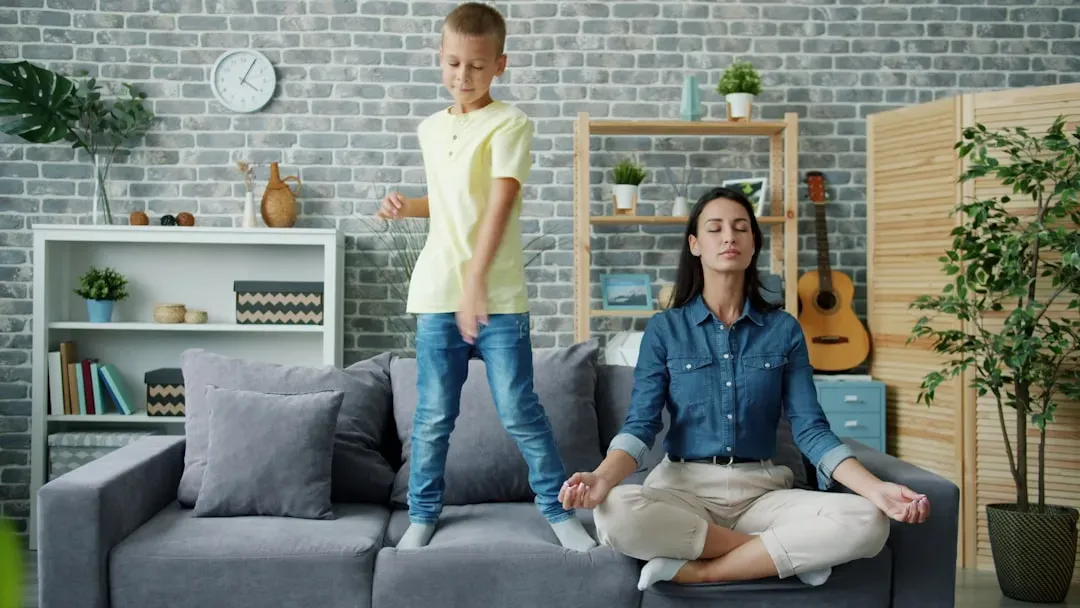
1. To Feel Genuinely Seen, Not Just Supervised (Image Credits: Unsplash)
There's a real difference between a parent who watches their child and one who actually notices them. Children need parents' care, seek unconditional acceptance, and recognition. That recognition doesn't have to be grand. A comment about a drawing, a question about a weird dream, remembering which friend was mean at recess, all of it signals to a child that they exist beyond their role as someone to be fed and managed.
Research has examined the concept of parental "mind-mindedness," a parent's ability to treat their child as an individual with a mind of their own and to recognize their child's mental states. When parents approach their children this way, closeness tends to grow. Kids can sense the difference between a parent who sees them as a schedule to manage and one who's actually curious about their inner world.
2. Consistent, Predictable Reactions
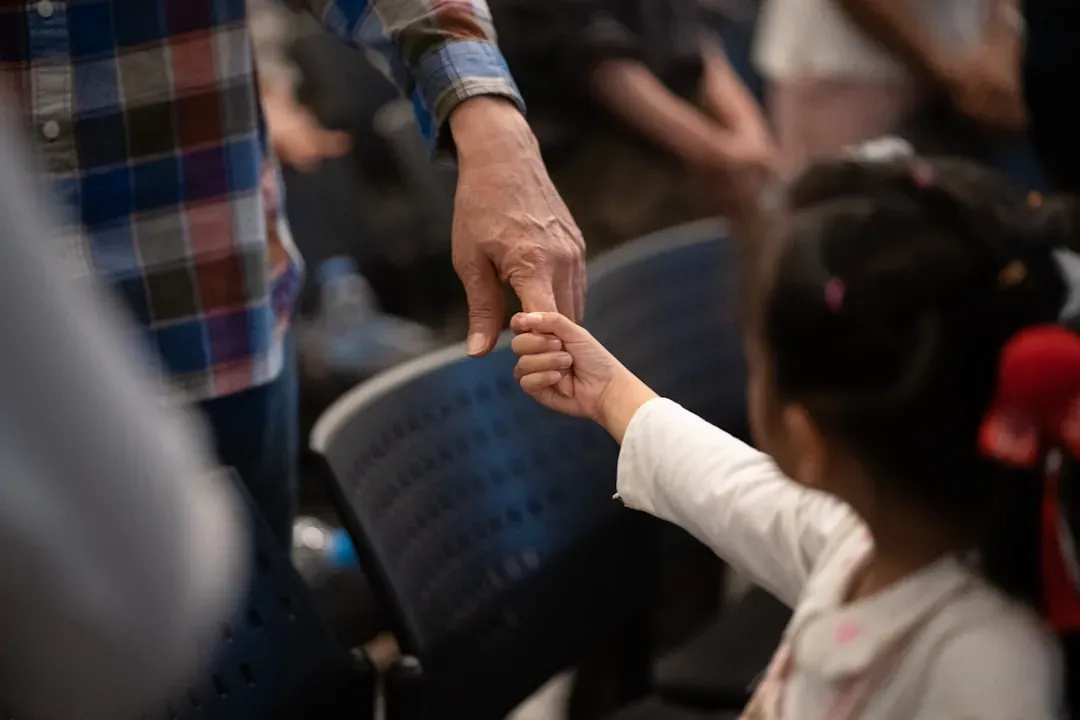
2. Consistent, Predictable Reactions (Image Credits: Unsplash)
Kids don't need perfection. They need to be able to predict how their parent will respond. Secure attachments between parents and children are formed when children know they can rely on their caregivers for consistent responses to their needs. Boundaries contribute to this consistency, reinforcing the idea that the child's world is predictable and manageable. This predictability reduces anxiety and fosters a sense of trust.
Consistency allows boundaries and expectations to be set, which provides children with a sense of safety. When unexpected changes occur, their safety and security is impacted, sometimes causing anxiety. A parent who is warm one evening and distant the next creates a different kind of stress, a low-level uncertainty that children carry into their friendships, their schoolwork, and eventually their adult relationships too.
3. To Be Listened to Without Interruption
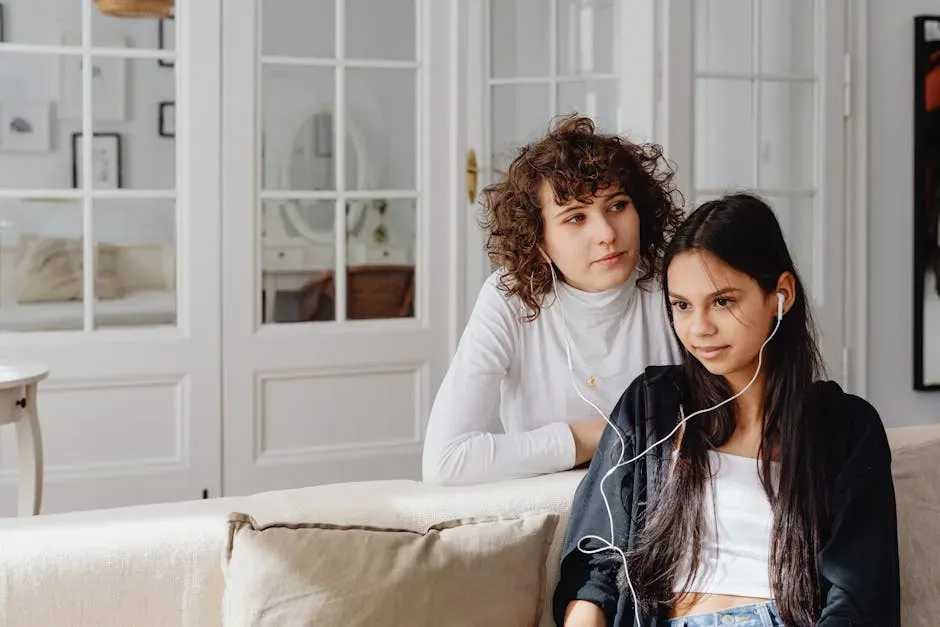
3. To Be Listened to Without Interruption (Image Credits: Pexels)
Children notice when a parent's eyes drift to a phone mid-sentence. They notice when an answer comes before the story is finished. What they secretly want is for someone to just let them finish. Parents can foster children's growing independence by listening nondefensively, encouraging children to express their ideas and feelings, and communicating respect for children's opinions even if they disagree with them.
Listening to children's opinions and reasoning with them respectfully helps validate their feelings and thoughts. That validation doesn't mean agreeing. It means the child feels heard. For many kids, being genuinely listened to by a parent is rarer than parents realize, and when it happens, it's the kind of moment they remember for years.
4. Emotional Warmth That Doesn't Have to Be Earned
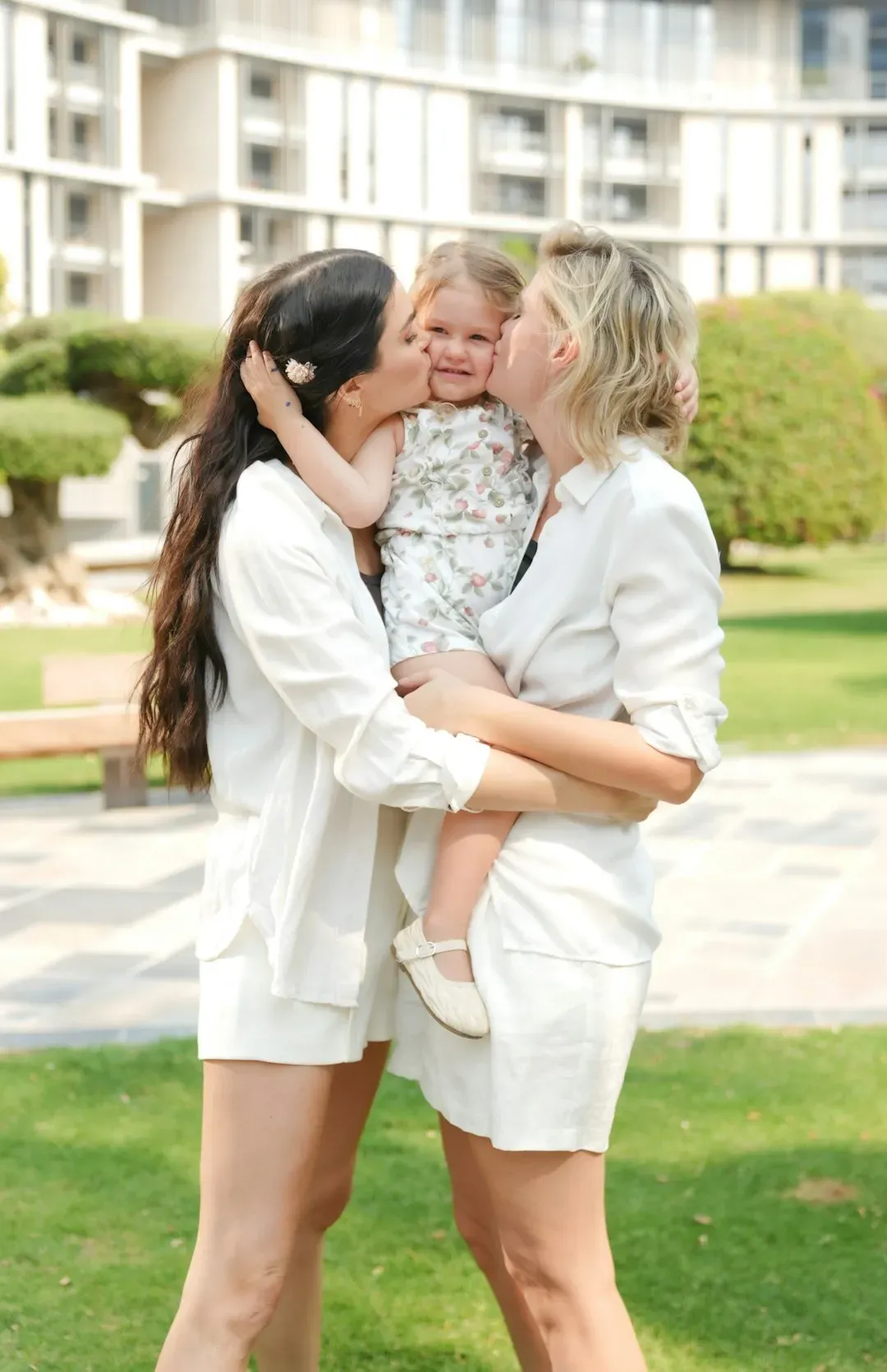
4. Emotional Warmth That Doesn't Have to Be Earned (Image Credits: Unsplash)
In the parent-child relationship, parents' emotional warmth can not only provide a positive emotional atmosphere to the child but also play a positive role in the psychological regulation of their child. Kids want to feel that the warmth their parent shows them isn't conditional on good grades or tidy rooms. They want affection that doesn't fluctuate based on their behavior that day.
About three in five children develop strong attachments to their parents, which are formed through simple actions, such as holding a baby lovingly and responding to the baby's needs. Such actions support children's social and emotional development, which in turn strengthens their cognitive development. The habit of warmth, built early, continues to pay dividends well into adolescence and beyond.
5. Clear Boundaries That Feel Like Protection, Not Punishment
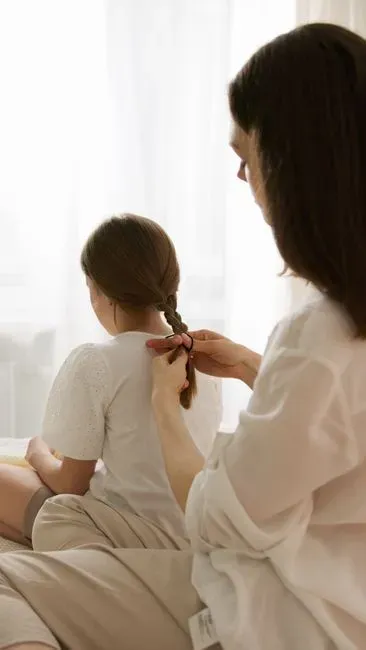
5. Clear Boundaries That Feel Like Protection, Not Punishment (Image Credits: Pexels)
Children complain about rules. They push back, negotiate, and sometimes throw impressive tantrums. Still, research is consistent on this point: they actually want the structure. Children actually feel safer when they know where the limits are. While they might test boundaries, deep down they feel more secure when parents enforce rules with love and consistency.
Consistently applied boundaries strengthen brain pathways that support self-control, reasoning, and resilience. Research backs this up: authoritative parenting, where parents combine warmth, empathy, and clear expectations, produces the best outcomes for kids. Compared to other parenting styles, children raised with authoritative boundaries are more likely to be independent, confident, well-adjusted, and academically successful.
6. A Parent Who Stays Calm Under Pressure
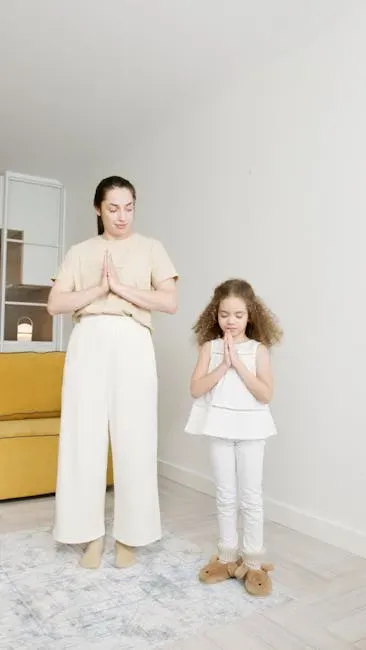
6. A Parent Who Stays Calm Under Pressure (Image Credits: Pexels)
Children co-regulate with their caregivers. When a parent loses it, the child's nervous system takes note. Parental guidance can happen both indirectly, through the emotional climate of the family and observational learning, and directly through specific parenting practices. Research shows that supportive parental responses encourage and guide children's emotional expressions and regulation and are linked to positive outcomes in youth.
Parents who model positive emotions at home may enhance their children's ability to regulate emotions. A child who grows up watching a parent breathe through frustration, repair after conflict, and speak calmly under stress is quietly learning one of the most important life skills there is. They're taking mental notes even when it doesn't look like it.
7. Real Quality Time, Not Just Physical Presence
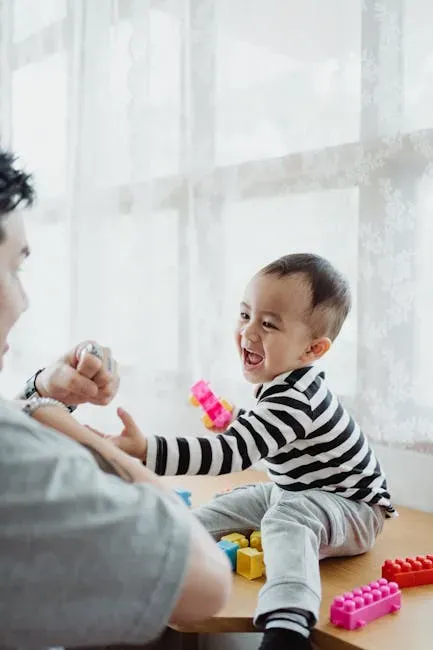
7. Real Quality Time, Not Just Physical Presence (Image Credits: Pexels)
Being in the same room isn't the same as being present. Research findings suggest that the more time parents spent with their children, the higher their well-being. This may be due to the fact that children needed emotional support from their parents and that parents had an important influence on the emotional and psychological health of their children.
The way and type of time parents spent with their children influenced children's well-being. There were also studies suggesting that improving the quality of companionship could facilitate parent-child relationships. A focused twenty minutes of play or conversation can outweigh hours of side-by-side screen time. Kids know the difference. They're waiting for the moments when they have their parent's actual attention, not just proximity.
8. To Be Trusted with Age-Appropriate Independence
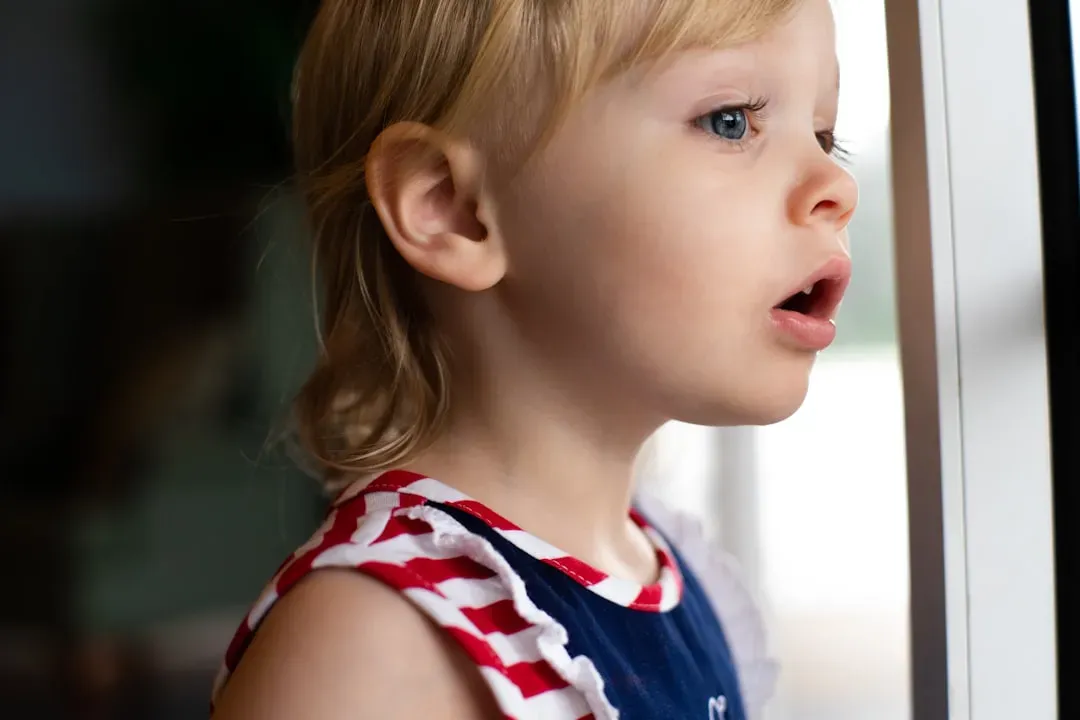
8. To Be Trusted with Age-Appropriate Independence (Image Credits: Unsplash)
One of the quieter desires children carry is the wish to be trusted. Encouraging autonomy helps children develop critical life skills such as problem-solving, decision-making, and self-esteem. It nurtures their confidence, fosters independence, and equips them to face challenges with resilience, all while promoting a sense of responsibility and personal growth.
Open communication grounded in mutual trust and recognizing children as active and capable agents is critically important. The negotiation process flourishes when it is inclusive and children and parents partner towards a common goal, where parents are positioned as supportive mentors providing guidance, rather than as gatekeepers. A child who's never allowed to fail within safe limits isn't being protected. They're being held back from something they genuinely need.
9. For Their Feelings to Be Taken Seriously

9. For Their Feelings to Be Taken Seriously (Image Credits: Pixabay)
Children feel things intensely. A broken crayon or a missed playdate can produce grief that looks disproportionate to adults, but to the child it's completely real. What they want most in those moments isn't a solution. They want someone to acknowledge that what they're feeling makes sense. Family factors including unsupportive emotion socialization and secure attachment significantly impact children's emotion regulation development, and in turn contribute to the risk of internalizing symptoms in young people.
In early childhood, parents play a critical role in helping their children develop their emotion regulation skills, the skills to label, understand, and manage emotions. This process, known as Parent Socialization of Emotion, is essential for shaping how children learn to navigate their emotional world. It is the process through which parents communicate their values about emotional behaviors, teach their children to understand and control their emotions, and model appropriate emotional responses.
10. A Parent Who Apologizes When Wrong

10. A Parent Who Apologizes When Wrong (Image Credits: Pexels)
Children notice when adults make mistakes and brush past them. They also notice, with something like quiet relief, when a parent says "I got that wrong, I'm sorry." It's a small act that carries enormous weight. It teaches children that accountability isn't shameful and that relationships can absorb mistakes and still stay intact.
Research from the Child Mind Institute found that the vast majority of both parents and youth feel aligned in their core values, suggesting a strong foundation for open conversations. That shared ground means children often want connection more than they want a parent to be infallible. Seeing a parent own a mistake reinforces the idea that honesty is more valued than appearance in the family, which is exactly the kind of message children need to hear.
11. To Not Always Be Compared to Others

11. To Not Always Be Compared to Others (Image Credits: Pexels)
Few things sting quite the way a comparison does. "Why can't you be more like your sister?" or "Your cousin gets perfect grades" land harder than parents usually realize. Children want to be understood as themselves, not measured against a sibling, a classmate, or a parent's memory of their own childhood.
Research suggests that children who have positive social-emotional health tend to be happier, demonstrate better academic performance, and display fewer problematic behaviors than less socially and emotionally competent peers. That kind of social-emotional wellbeing grows in environments where a child feels valued for who they are, not who they aren't. Comparisons, even well-intentioned ones, quietly chip away at that foundation.
12. To Know the Family Is Stable

12. To Know the Family Is Stable (Image Credits: Pexels)
Children are sensitive to tension. Even when parents try to shield them from conflict or stress, kids pick up on the atmosphere. What they want, more than almost anything, is to feel that the family is okay, that the adults are managing, that home is safe. Boundaries create a sense of safety, predictability, and security for children. When rules and expectations are clear and consistent, children know what to expect, which reduces anxiety and helps them feel secure. This stable environment not only supports emotional development but also fosters trust and healthy relationships within the family.
Approaches that help kids manage emotions strengthen parent-child bonds. Parenting research shows a clear pattern: while technology can make family life easier, the most important lessons for children still come from real-life experiences. Stability isn't the same as sameness or pretending. It's about children sensing that even when things are hard, the adults around them are steady enough to handle it.
13. Encouragement That Focuses on Effort, Not Just Results

13. Encouragement That Focuses on Effort, Not Just Results (Image Credits: Pixabay)
Children want their parents to be proud of them. That part is obvious. What's less obvious is that they want to be praised in a way that doesn't make them terrified of failing. When encouragement is tied only to outcomes, kids learn that their worth fluctuates with their performance. Authoritative parents recognize and encourage a child's sense of autonomy. They want kids to develop self-discipline, maturity, and a respect for others. They approach these goals by offering concrete advice and emotional support.
Emotional development in early childhood shapes lifelong learning skills. Kids with stronger emotional intelligence build better friendships and resolve conflicts faster. Research shows that students with stronger emotional skills often perform better in school. Supporting the process, the trying, the showing up even after a stumble, tends to produce more resilient children than focusing exclusively on results.
14. To Have Their Privacy Respected as They Grow

14. To Have Their Privacy Respected as They Grow (Image Credits: Unsplash)
As children move through middle childhood and into adolescence, something shifts. They start needing pockets of privacy, a diary that stays closed, a conversation with a friend that doesn't get relayed to relatives. When children enter adolescence, their development is characterized by a growing need for independence from parents and expanding social interactions beyond family. Nevertheless, parenting and parent-adolescent relationships still serve as a significant shaping force in adolescent development.
Privacy is becoming a priority in modern family life, as well as setting healthy tech boundaries. Influential voices in child psychology advocate for encouraging independence and face-to-face socialization. Respecting a child's growing need for privacy isn't a withdrawal of parenting. It's a form of trust, and most kids feel the difference between a parent who respects their space and one who treats every closed door as a threat.
15. Unconditional Love That Doesn't Need to Be Proven
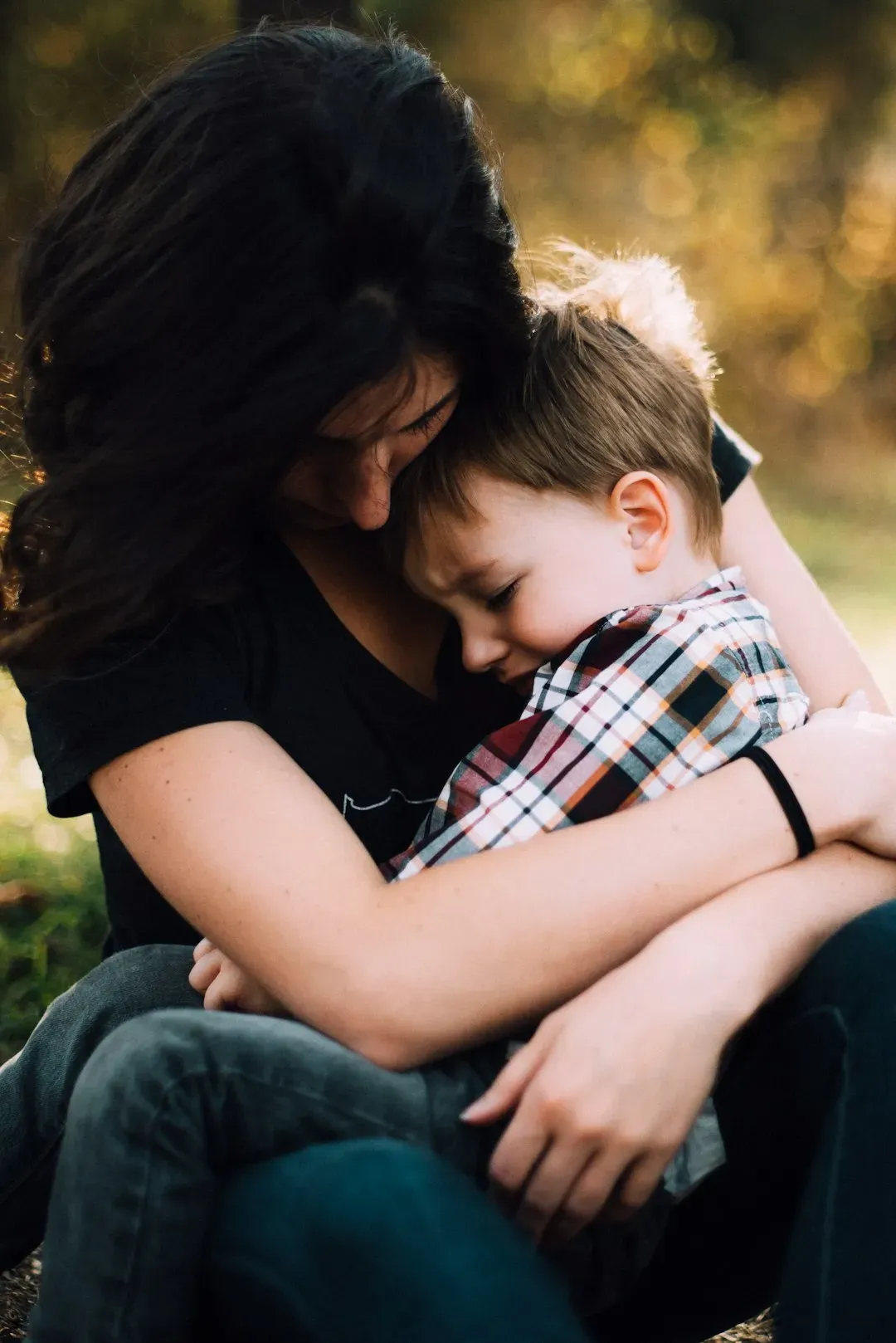
15. Unconditional Love That Doesn't Need to Be Proven (Image Credits: Unsplash)
At the center of everything is this one. Children want to know, in a deep and unshakeable way, that their parent's love isn't something they can lose. Children who develop strong attachments are more likely to be resilient to poverty, family instability, parental stress, and depression. That resilience grows directly out of the security of knowing love isn't conditional on performance, compliance, or likability on any given day.
Research from the Child Mind Institute found that about eight in ten parents and youth place loneliness and social isolation among their top concerns for youth mental health, making it the most widely recognized threat across generations. The antidote to that loneliness begins at home. Children who feel genuinely, durably loved by their parent carry that security into every other relationship they build. It becomes the quiet ground they stand on, even long after they've grown up and left.
Most of these fifteen things don't require money, scheduling apps, or a perfect family. They require attention, honesty, and a willingness to show up even on the days when parenting feels more like an endurance sport than a calling. The unspoken needs children carry aren't mysterious. They're simply waiting to be noticed.