
Every time you heat a pan, you’re making a decision that quietly affects your cardiovascular system. The oil you reach for can influence your LDL and HDL cholesterol levels, your blood pressure, and your long-term risk of heart disease – sometimes in ways that run counter to what marketing labels suggest. A bottle calling itself “natural” or “pure” doesn’t automatically earn a place in a heart-healthy kitchen.
Choosing an oil rich in unsaturated fats is essential in supporting your heart health, and cooking with these oils can help lower your risk of heart attack and death from heart disease. What follows is a science-grounded ranking of nine widely used cooking oils, ordered from the most protective to the most potentially harmful, based on what cardiologists and researchers consistently find.
1. Extra Virgin Olive Oil: The Undisputed Heart Champion
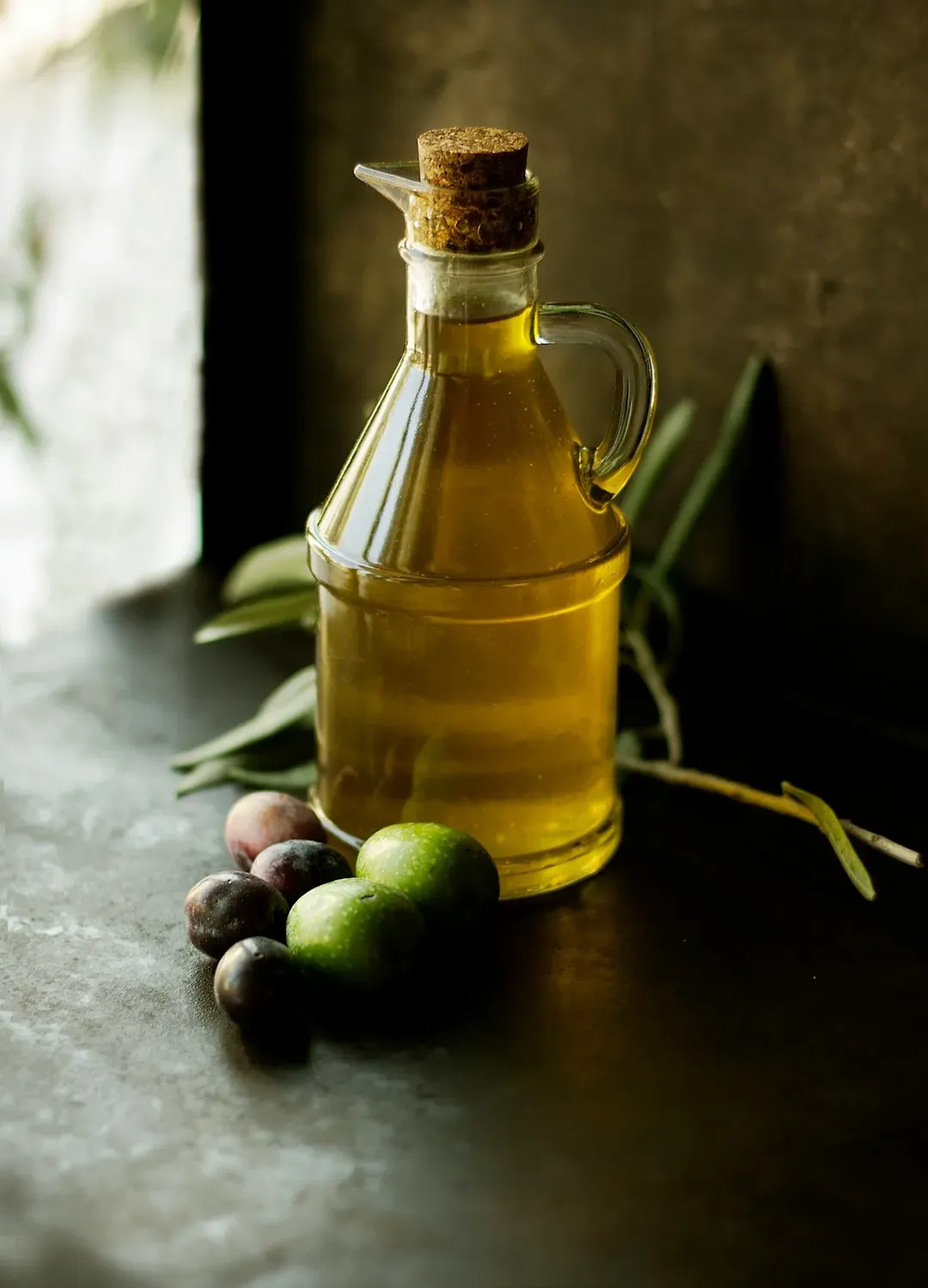
1. Extra Virgin Olive Oil: The Undisputed Heart Champion (Image Credits: Unsplash)
Olive oil, a key component of the heart-friendly Mediterranean diet, has long been touted as one of the healthiest fats to use for cooking. Extra-virgin olive oil is high in antioxidants called polyphenols that have been linked to heart health. Its combination of monounsaturated fat, anti-inflammatory compounds, and strong clinical backing sets it apart from every other oil on this list.
A higher consumption of total olive oil has been found to be associated with a reduced risk of both cardiovascular disease and stroke. It’s packed with antioxidants that can improve circulation, promote a healthy gut, boost the immune system, and reduce inflammation – and reaching for extra virgin olive oil is recommended because it contains more antioxidants than refined olive oil. For everyday use, it’s simply hard to beat.
2. Avocado Oil: High Heat, High Reward
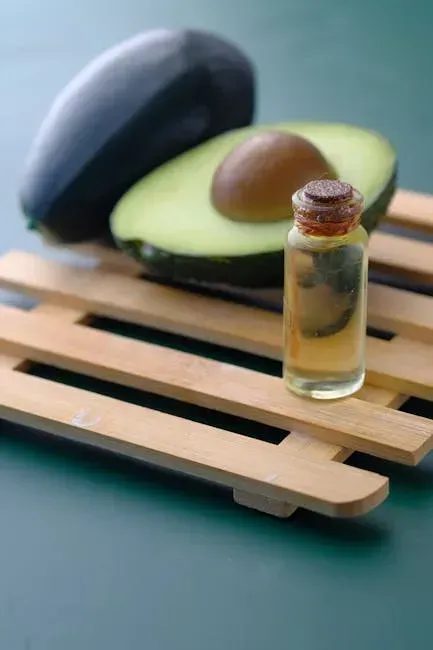
2. Avocado Oil: High Heat, High Reward (Image Credits: Pexels)
Avocado oil doesn’t get as much buzz as olive oil, but cardiologists are increasingly recommending it. Around 70% of the total fat in avocado oil is monounsaturated, and one important type is oleic acid, which is thought to lower blood pressure. Its nutritional profile closely mirrors that of olive oil, with one notable kitchen advantage.
Avocado oil is perfect for making dips, marinades, and dressings, and is an excellent option when sautéing something because of its high smoke point at 520 degrees. Some studies suggest it could protect the liver and lower LDL cholesterol and blood pressure. If you cook frequently at high temperatures, this is the oil cardiologists would most often point you toward.
3. Canola Oil: The Underrated Everyday Option

3. Canola Oil: The Underrated Everyday Option (Image Credits: Pexels)
Canola oil gets a bad rap on social media, but cardiologists aren’t buying the hype – while some posts suggest seed oils are responsible for health problems including heart disease, there’s scant scientific evidence to support these claims. In terms of heart health, canola oil has several favorable attributes: it’s a decent source of alpha-linolenic acid, the main vegetarian source of essential omega-3 fatty acids, and like EPA and DHA, ALA has anti-inflammatory effects thought to benefit cardiovascular health.
Canola oil also contains phytosterols, which are compounds that occur naturally in plants and may help lower cholesterol. The neutral flavor and high smoke point make canola oil an excellent choice for baking and sautéing, and it’s incredibly versatile for roasting and making salad dressings. It’s also one of the more affordable options, which matters when you’re trying to maintain healthy cooking habits long-term.
4. Walnut Oil: A Specialty Oil With Real Cardiovascular Credentials

4. Walnut Oil: A Specialty Oil With Real Cardiovascular Credentials (Image Credits: Pexels)
Walnut oil is the highest in omega-3s among common nut oils. Consuming alpha-linolenic acid found in plant-based foods like walnuts and flaxseeds has been associated with a 10% lower risk of cardiovascular disease and a 20% reduced risk of fatal coronary heart disease. Those aren’t trivial numbers for a simple dietary swap.
Research found that including walnuts and walnut oil in the diet lowered both resting blood pressure and blood pressure responses to stress, with average diastolic blood pressure significantly reduced during diets containing walnut oil. Although this specialty oil is more expensive than olive or canola oil, walnut oil has a rich, nutty flavor and boasts heart-healthy omega-3s – though it has a short shelf life and should be stored in the refrigerator. It’s best used cold, drizzled over salads or finished dishes rather than exposed to high heat.
5. Flaxseed Oil: Omega-3 Powerhouse With One Catch
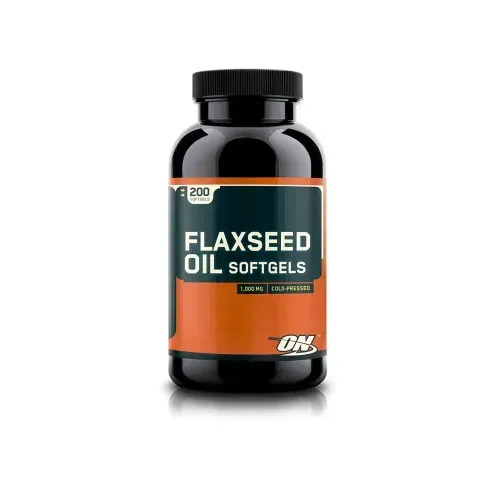
5. Flaxseed Oil: Omega-3 Powerhouse With One Catch (SuperfitNutrition, Flickr, <a href="https://creativecommons.org/licenses/by-sa/2.0/" target="_blank" rel="noopener">CC BY-SA 2.0</a>)
Flaxseed oil is one of the best plant-based sources of omega-3 fatty acids, especially alpha-linolenic acid, and is highly nutritious and rich in omega-3s, which support heart health and reduce inflammation. Research published in The American Journal of Clinical Nutrition found that ALA intake from flaxseed oil significantly reduced risk factors for heart disease, especially in those not eating fish.
Research also showed that adding flax oil to a walnut diet significantly improved tests of vascular health, lowered c-reactive protein indicating an anti-inflammatory effect, and that could also reduce the risk of cardiovascular disease. The one real limitation is heat sensitivity. Flaxseed oil has a low smoke point, so it’s not ideal for high-heat cooking – instead, use it in cold applications such as dressings or smoothies to preserve its heart-healthy nutrients.
6. Sesame Oil: A Heart-Friendly Flavor Oil
6. Sesame Oil: A Heart-Friendly Flavor Oil (Image Credits: Unsplash)
Sesame oil has a lower smoke point than many other oils but should still be on the list of heart-healthy options, as it’s high in sesamol and sesaminol, which are antioxidants shown to reduce heart cell damage. With its smoke point of over 400 degrees and abundance of antioxidants, this oil is often used in heart-healthy meals – it may not only improve cardiovascular function but has even been studied for its preventative properties, and has been linked to improvements in blood sugar levels.
You can use sesame oil to sauté vegetables, as a salad dressing ingredient, and for general-purpose cooking, though the flavor profile is more intense and nutty than other oils, so that’s worth keeping in mind when cooking. It works particularly well as a finishing oil in Asian-inspired dishes, where just a small amount adds both flavor and cardiovascular benefit. Its antioxidant content is a meaningful plus when used regularly in modest amounts.
7. Coconut Oil: Proceed With Caution

7. Coconut Oil: Proceed With Caution (Image Credits: Pexels)
According to experts, having coconut oil as your go-to cooking oil can increase the risk of cardiovascular disease – coconut oil is very high in saturated fat, approximately 80 to 90%, and even though it has been called a superfood, consuming foods with increased saturated fats can lead to elevated LDL cholesterol, which is a strong risk factor for heart disease. That’s the core concern cardiologists raise again and again.
Over time, a diet high in saturated fat has been linked to increased inflammation and impaired blood vessel function, both of which put additional strain on the cardiovascular system and can increase the risk of cardiovascular disease. Tropical oils like coconut oil are less healthy than nontropical vegetable oils because both solid fats and tropical oils have more saturated fat than nontropical liquid fats. Coconut oil isn’t poison, but it probably shouldn’t be the primary oil in anyone’s kitchen who is watching their heart health.
8. Palm Oil: A Mixed Picture, But Generally Worth Limiting
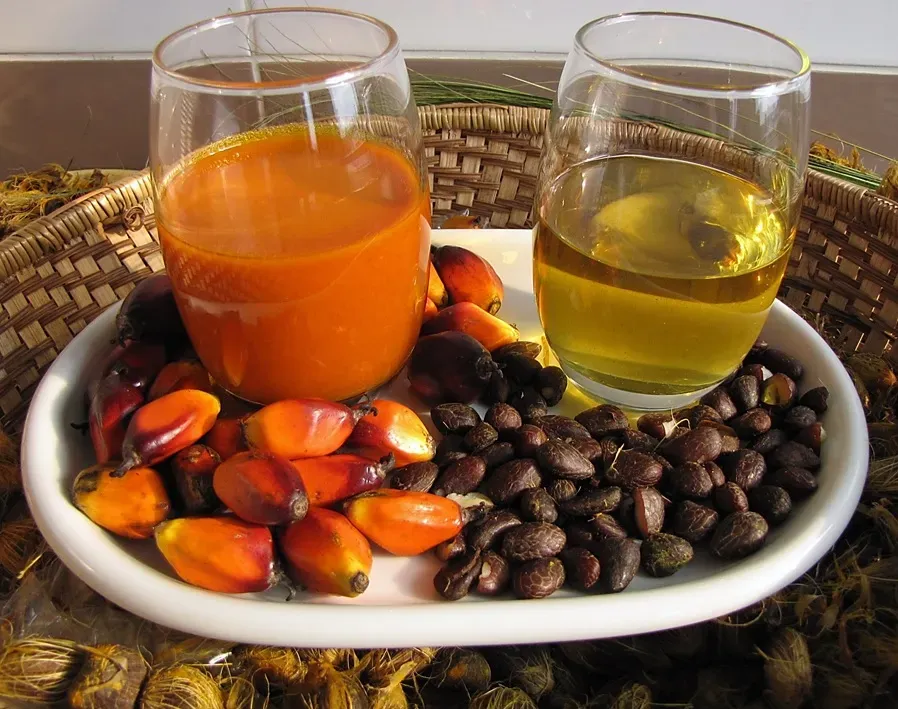
8. Palm Oil: A Mixed Picture, But Generally Worth Limiting (Image Credits: By T.K. Naliaka, <a href="https://commons.wikimedia.org/w/index.php?curid=57864602" target="_blank" rel="noopener">CC BY-SA 4.0</a>)
Palm oil contains a balanced profile of fatty acids: roughly 50% saturated, mainly palmitic acid, and 50% unsaturated, mainly oleic acid, the same fat found in heart-healthy olive oil. The high proportion of saturated fats, especially palmitic acid, in palm oil has been linked to the increased risk of atherosclerosis. Its fatty acid profile places it in a gray zone that cardiologists tend to treat with caution.
To help ensure good heart health, health experts recommend using plant oils rather than tropical oils such as coconut or palm oil, and animal fats such as beef tallow. When shopping for healthy oils, choosing those with less than 4 grams of saturated fat per tablespoon, with no partially hydrogenated oils or trans fats, is the practical guidance from the American Heart Association. Palm oil, used sparingly and in the context of an otherwise balanced diet, may not be acutely dangerous – but it offers no clear heart benefit over the better options above it.
9. Partially Hydrogenated Oils and Shortening: Worst for Your Heart

9. Partially Hydrogenated Oils and Shortening: Worst for Your Heart (Image Credits: Unsplash)
Chemically modified partially hydrogenated oils often stay solid at room temperature and have a longer shelf life, but they are extremely harmful and may lead to heart blockage – they increase LDL cholesterol while lowering HDL cholesterol, the worst combination for your arteries, and are often used in packaged baked goods, margarine, and fast food items. This is the category that most cardiologists consider the clearest dietary threat to cardiovascular health.
Trans fats raise LDL bad cholesterol and lower HDL good cholesterol, and high LDL along with low HDL levels can increase the risk of heart disease and stroke – these fats are so unhealthy that the FDA has prohibited food manufacturers from adding the major source of artificial trans fats, partially hydrogenated vegetable oils, to foods and beverages. Always check labels and avoid any product that lists “partially hydrogenated oil.” Even if a product claims to have zero trans fats per serving, the presence of partially hydrogenated oil in the ingredient list is a warning sign worth taking seriously.
The clearest takeaway from all of this research is that the type of fat matters far more than the total amount of fat. Oils rich in monounsaturated and polyunsaturated fats consistently support heart health, while those high in saturated fat or artificially modified through hydrogenation consistently work against it. Keeping a good bottle of extra virgin olive oil or avocado oil as your kitchen default, and reserving the others for occasional or specific uses, is a simple habit that aligns closely with what the evidence shows.