
There’s a specific moment that happens in nearly every home tour when a buyer’s expression shifts. The eyes go flat, the questions stop, and the energy in the room changes. It doesn’t always happen because of the price or the location. Sometimes it’s a ceiling, a smell, a layout, or a surface choice that quietly signals too much work, too much cost, or too much history.
What once felt stylish and desirable inside a home doesn’t always hold up as buyer tastes evolve over time. Realtors across the United States say many features that were once considered must-haves now cause hesitation or even outright rejection during showings. In today’s market, where roughly two thirds of buyers prioritize finding an affordable home, every extra renovation calculation cuts into the appeal of a listing. These are the eleven features that come up most consistently.
1. Popcorn Ceilings
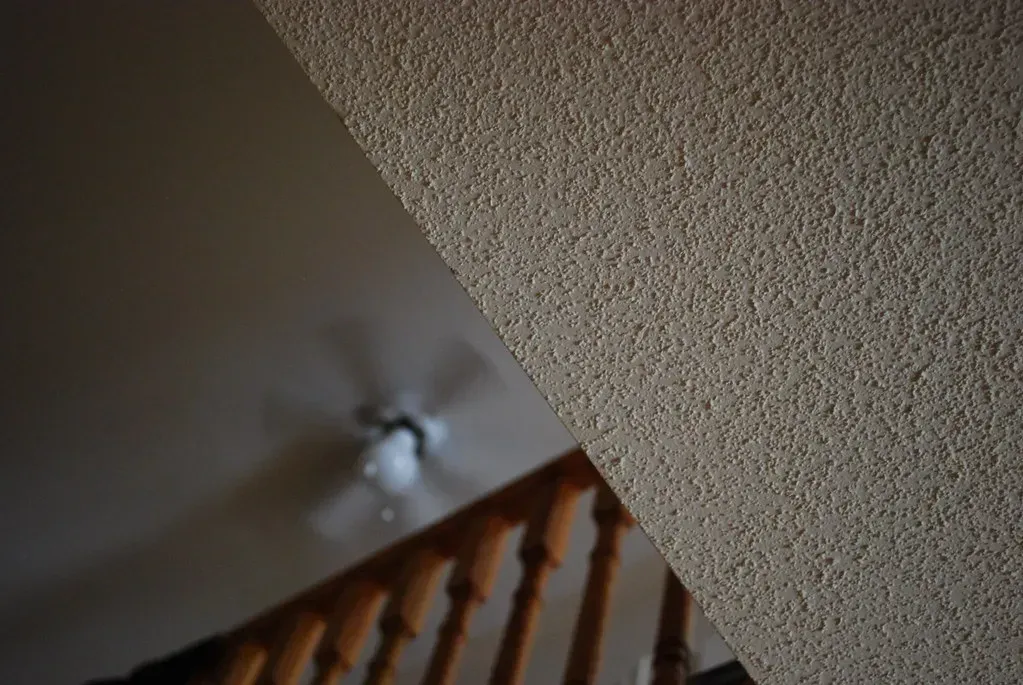
1. Popcorn Ceilings (Czar Hey, Flickr, <a href="https://creativecommons.org/licenses/by-sa/2.0/" target="_blank" rel="noopener">CC BY-SA 2.0</a>)
Popcorn ceilings were once installed to hide imperfections and reduce noise, but today they are viewed as outdated and difficult to maintain. Many buyers reject homes with popcorn ceilings due to the expense of removal, which averages hundreds to thousands of dollars depending on square footage. Some ceilings installed before 1980 may contain asbestos, which requires professional abatement, making them a major red flag during home inspections.
Popcorn ceilings are also not a good option for anyone who wants to keep their home pristine and clean, as their surface builds up dust and dirt quite easily and negatively impacts the air quality in a property. Real estate agents consistently say that homes with popcorn ceilings sit on the market longer. Buyers either factor the removal cost into a lower offer, or they move on to the next listing that doesn’t need the work.
2. Carpet in Bathrooms
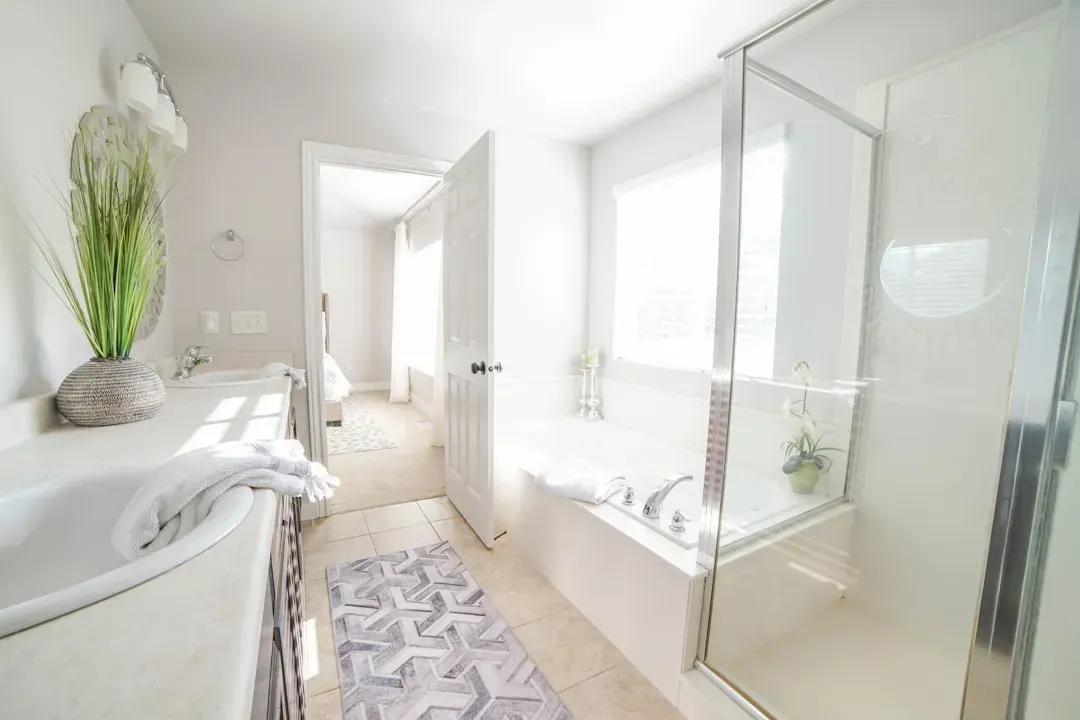
2. Carpet in Bathrooms (Image Credits: Unsplash)
Consider the concept: a soft, absorbent material on the floor of the wettest, steamiest room in the house. Carpeted bathrooms are a hygiene nightmare. They trap moisture, creating a perfect environment for mold and mildew. Realtors say buyers worry about mold, mildew, and long-term damage, even when the carpet appears clean and well kept.
The material traps odors, bacteria, and mold in ways that hard surface flooring does not, creating both aesthetic and practical concerns. Even freshly cleaned bathroom carpet tends to photograph poorly and contribute to an overall impression of a home that needs work. Hard tile, stone, or luxury vinyl are universally preferred by buyers in contemporary markets.
3. Persistent Odors

3. Persistent Odors (Image Credits: Pexels)
Bad smells create visceral negative reactions that override logical thinking. Buyers won’t contemplate a home’s potential while holding their breath. Pet odors are particularly stubborn because, as real estate professionals note, smells live in padding. If it’s bad, you may need to replace the carpet and pad. If it’s really bad, you may need to seal the subfloor.
Masking odors with air fresheners often backfires, suggesting to buyers that sellers are hiding problems. Cigarette smoke presents a similar challenge, since it penetrates walls, insulation, and HVAC systems in ways that surface cleaning can’t fully resolve. Buyers who detect any of these odors during a tour tend to mentally disqualify the property before reaching the back of the house.
4. Compartmentalized, Closed-Off Floor Plans
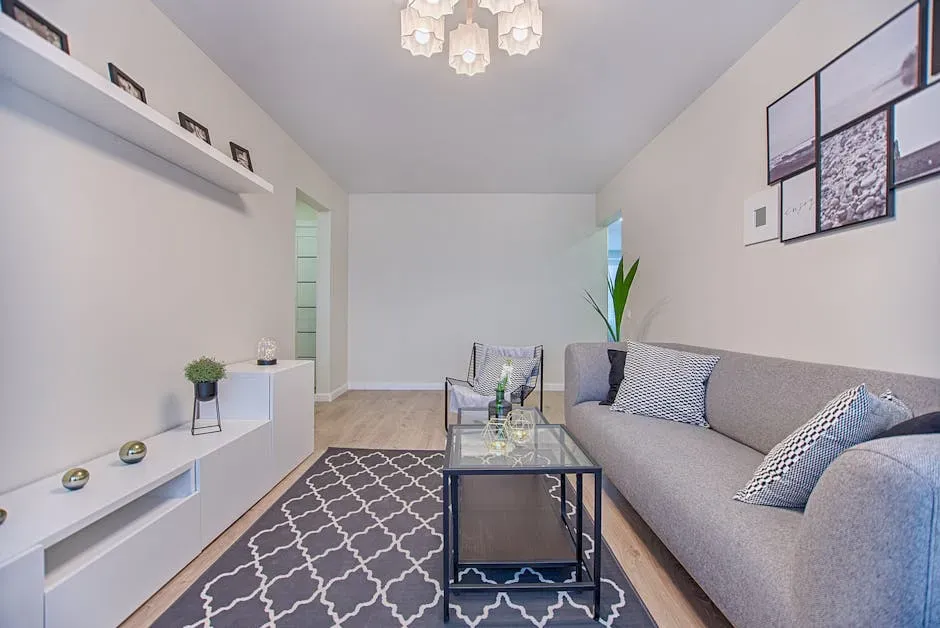
4. Compartmentalized, Closed-Off Floor Plans (Image Credits: Pexels)
Homes built before the open-concept trend often contain many small rooms separated by walls. Today’s buyers prefer layouts with better sightlines, natural light, and flexibility for modern living. Compartmentalized homes may require wall removal or structural changes to meet buyer expectations, which significantly affects renovation budgets and resale value.
The verdict for 2026 is clear: buyers view a closed-off floor plan as a significant financial liability. When high-traffic areas like the kitchen and living room are separated by heavy walls, modern shoppers don’t see historic charm, they see “projects” that require expensive structural beams and electrical rerouting. When buyers feel openness, they feel possibility. When they feel compartmentalized, they feel limits.
5. Wall-to-Wall Carpet Throughout the Home
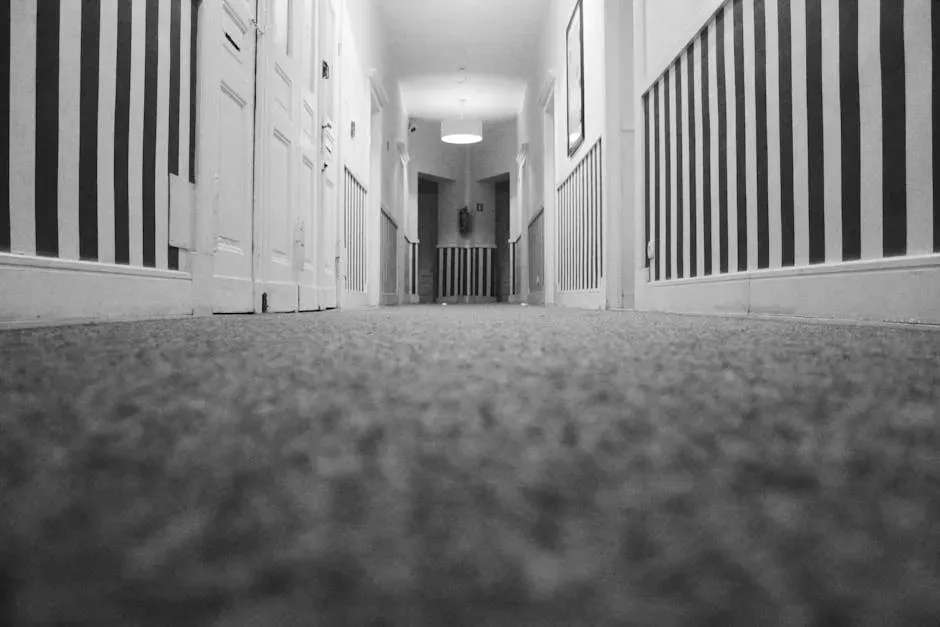
5. Wall-to-Wall Carpet Throughout the Home (Image Credits: Pexels)
Buyers viewing homes in 2026 often view wall-to-wall carpet as a liability that must be ripped out immediately due to allergens and pet odors. Hard surface flooring with area rugs offers the cleanliness and versatility that modern, healthy homes demand. Buyers, especially those with allergies or pets, are wary of carpeting throughout the home. It traps dirt, odors, and allergens, and its lifespan is much shorter than that of hard flooring.
Hardwood floors, luxury vinyl plank, and tile have become the gold standard. Experts say they also give the highest return on investment when selling the house. They are easier to clean, offer a cleaner and more modern look, and allow for personalization with area rugs. A home with hardwood concealed under aging carpet is genuinely worth investigating before a showing, because revealing it could change the conversation entirely.
6. Outdated Kitchen Appliances and Dark Cabinetry
6. Outdated Kitchen Appliances and Dark Cabinetry (Image Credits: Unsplash)
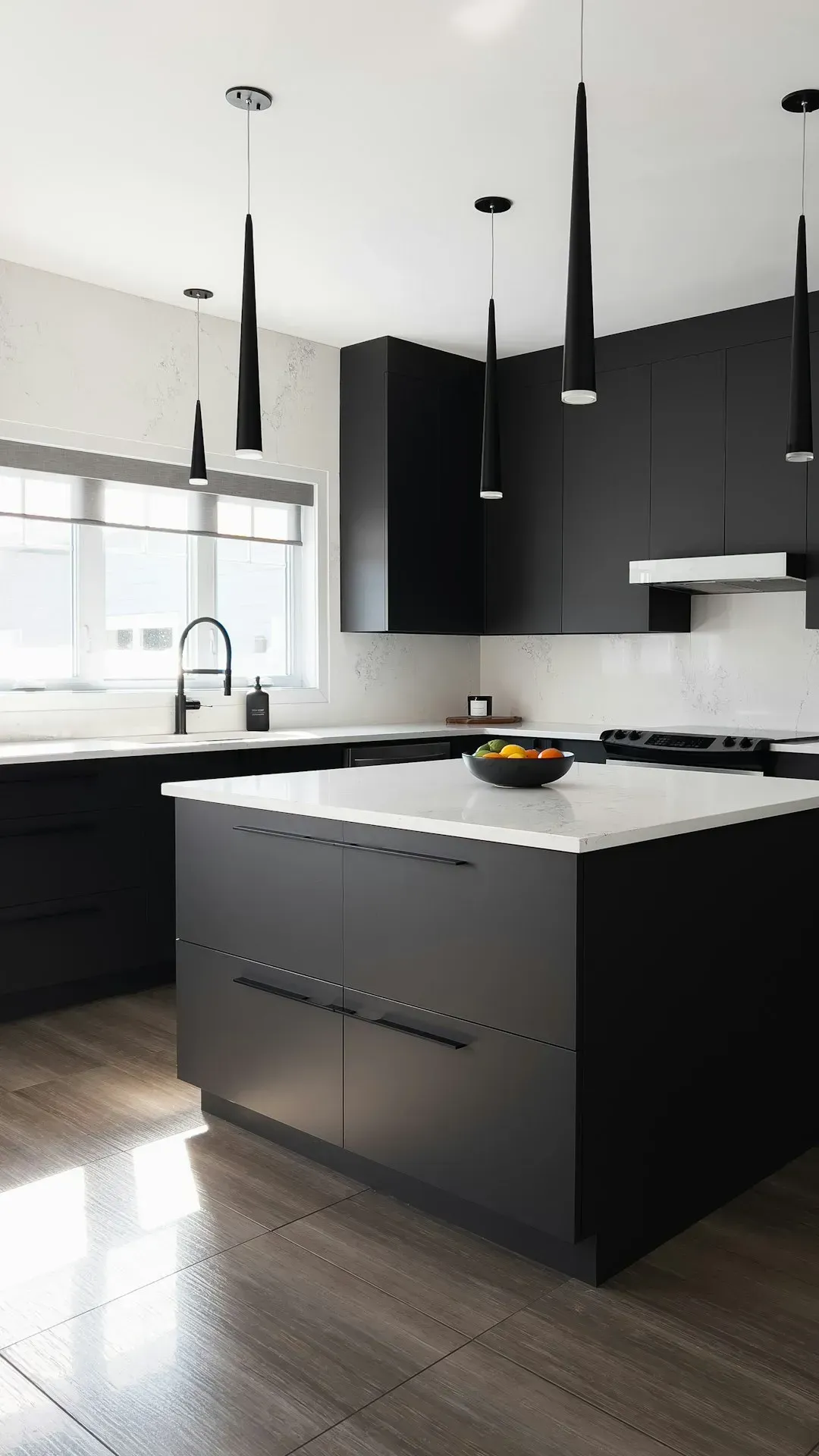
Kitchens drive decisions, and outdated appliances quietly undermine confidence. Buyers notice mismatched finishes, older models, and appliances that clash with the rest of the space. Even if everything works, the kitchen can feel like a future project rather than a finished room. That sense of unfinished work creates hesitation before buyers even reach the rest of the house.
The heavy, dark cherry and espresso wood finishes that dominated kitchens and bathrooms for years are now being rejected in favor of lighter, natural tones. Dark cabinetry tends to absorb light, making even large kitchens feel cramped, dull, and less welcoming to prospective buyers. In 2026, the trend has shifted toward lighter woods and painted cabinetry in soft, earthy hues. Buyers want spaces that feel airy and expansive, and heavy dark wood is increasingly seen as a visual weight that makes a home feel decades older than its actual age.
7. Oversized Soaking Tubs
7. Oversized Soaking Tubs (Image Credits: Pexels)
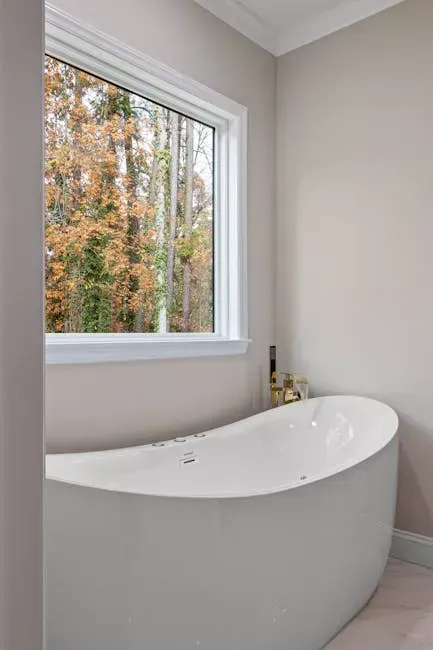
Oversized jetted tubs once suggested luxury and high-end living, but many buyers no longer feel impressed when they see one. Buyers often view them as bulky, rarely used, and costly to maintain over time. Realtors say buyers increasingly prefer spacious walk-in showers that support busy routines, accessibility, and aging-in-place needs.
The massive, space-consuming garden tub that sits in the corner of the primary suite has officially lost its luster. Realtors report that modern buyers would much rather have that square footage used for a larger, spa-inspired walk-in shower with multiple heads or additional storage. These oversized tubs are now viewed as “dust collectors” that take too long to fill and consume too much water, making them an eco-liability. Bathroom remodels focusing on walk-in showers and water efficiency are generating a return on investment of roughly 60 to 70 percent, outperforming the installation of large soaking tubs.
8. Formal Dining Rooms That Serve No Flexible Purpose
8. Formal Dining Rooms That Serve No Flexible Purpose (Image Credits: Unsplash)
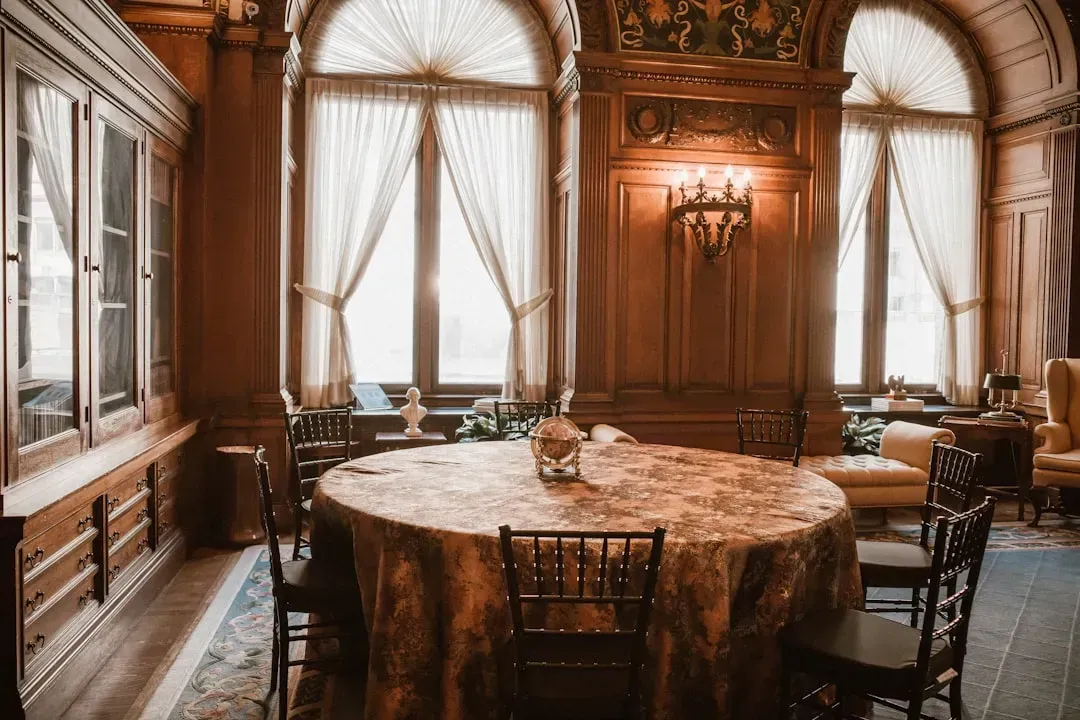
The once-coveted formal dining room is falling out of favor. Many buyers see it as wasted square footage, especially when open-concept kitchens with eat-in islands are more practical. With more families eating on the go or gathering casually, a closed-off dining room feels outdated.
A trend report released by Realtor.com in late 2025 revealed that listings featuring formal dining rooms with built-ins saw a notable year-over-year decline, signaling a drop in buyer interest. People are choosing multifunctional layouts over stiff, traditional floor plans. Nearly two in five home buyers say they’re willing to buy a home with a smaller lot, and among those who’d accept a smaller house, the dining room is one of the spaces they’re most willing to shrink.
9. Bold Wallpaper and Highly Personalized Paint Colors

9. Bold Wallpaper and Highly Personalized Paint Colors (Image Credits: Unsplash)
Large-scale wallpaper murals featuring botanical prints, landscapes, or abstract artwork became a major trend driven by social media interior accounts. A full mural is an intensely personal statement that aligns with a specific taste profile unlikely to match the next buyer’s vision. Removal is notoriously difficult, particularly with traditional wallpaper adhesives which can damage the underlying drywall.
The labor-intensive process of steaming and scraping old paper is a project that scares off move-in-ready shoppers who fear what damage might hide beneath. A freshly painted neutral wall allows buyers to envision their own life in the space, whereas bold wallpaper dictates a specific style they may dislike. The financial data support this hesitation, as removing old wallpaper is increasingly viewed as a necessary step to protect home value.
10. Visible Deferred Maintenance and Water Damage
10. Visible Deferred Maintenance and Water Damage (Image Credits: Gallery Image)
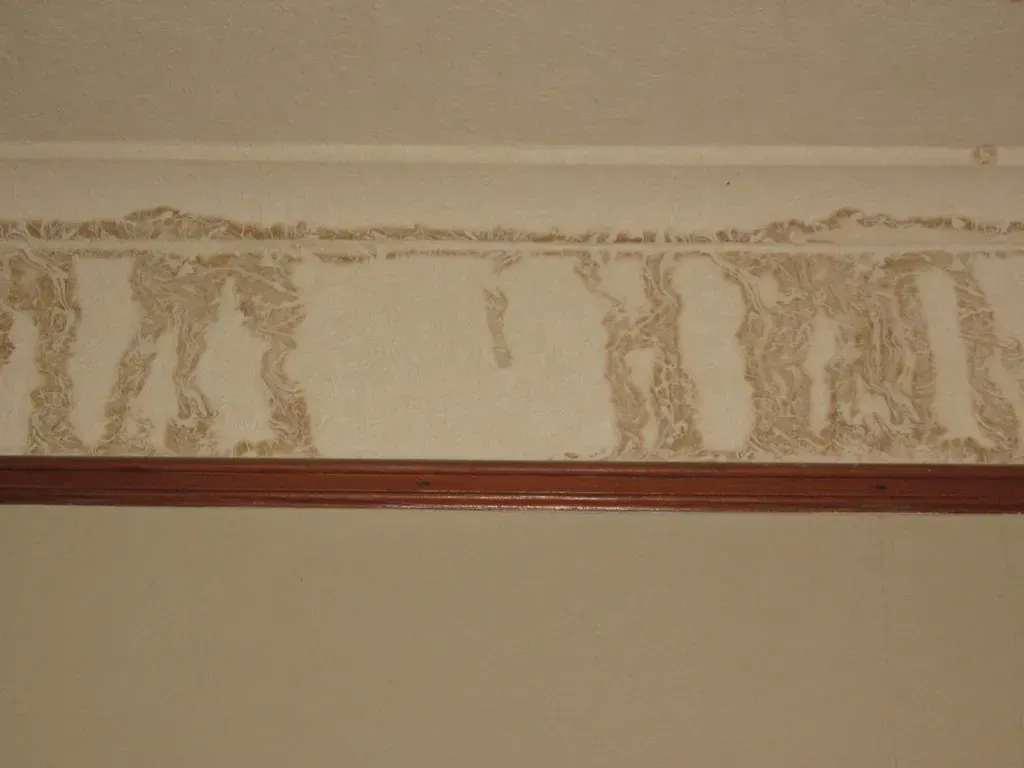
Nothing ends a showing faster than water stains on ceilings or musty odors. Buyers immediately begin calculating worst-case scenarios. Even properly repaired water damage raises suspicions. Without extensive documentation and warranties, buyers assume the worst.
In 2026, buyers expect cohesion. When finishes don’t align, even subtly, confidence drops. When the story doesn’t feel unified, buyers assume shortcuts were taken elsewhere. A home that needs a new roof, given that this project costs an average of several thousand dollars at minimum, causes roughly two in five home buyers to walk away entirely. Not only is roof work one of the most expensive home repairs, it’s also a necessity.
11. Overly Complex or Proprietary Smart Home Systems

11. Overly Complex or Proprietary Smart Home Systems (Image Credits: Unsplash)
There is a growing “tech fatigue” among homebuyers who are pushing back against overly complex home automation systems that require constant management. While basic smart features like thermostats and security cameras remain popular, buyers are rejecting custom, one-of-a-kind systems that are difficult to learn or likely to become obsolete in a few years. Realtors warn that high-end stereo systems, proprietary lighting boards, and “smart” appliances with glitchy screens are often seen as maintenance headaches rather than upgrades.
The new luxury is “invisible tech,” meaning features that work quietly in the background without needing a dedicated app for every lightbulb. While basic smart features like thermostats and security cameras remain popular, buyers are rejecting custom, one-of-a-kind systems that are difficult to learn or likely to become obsolete in a few years. A proprietary system that requires a tutorial just to turn off the lights isn’t a selling point. For most buyers touring homes today, it’s a liability wearing a tech badge.
The through-line connecting all eleven of these features is fairly consistent: buyers in today’s market are running mental cost estimates from the moment they walk through the door. Buyers are no longer chasing the temporary high of a viral trend. Instead, they are prioritizing long-term livability, wellness, and ease of maintenance. Realtors report that certain features are acting as “value anchors,” dragging down prices as buyers mentally calculate the cost of a renovation before they even reach the kitchen. Knowing which features trigger that calculation is the first step toward a more competitive listing.