
For years, the conversation around housing unaffordability centered on the usual suspects: San Francisco, New York, Los Angeles. Those cities are still expensive, no question. But something subtler has been unfolding across a much wider map, and it’s catching a lot of people off guard.
Housing is becoming unaffordable to a widening segment of the American population, both home buyers and renters, and across the country, not just in traditionally high-price areas. For most U.S. counties, the story is remarkably similar: home values have risen much faster than the incomes of the people living in them. From 2000 to 2024, median per-capita income grew at around 155 percent in nominal terms, while median home prices increased at a much faster pace, at around 207 percent in nominal terms. These 13 cities are living proof that the affordability crisis has gone thoroughly mainstream.
1. Providence, Rhode Island
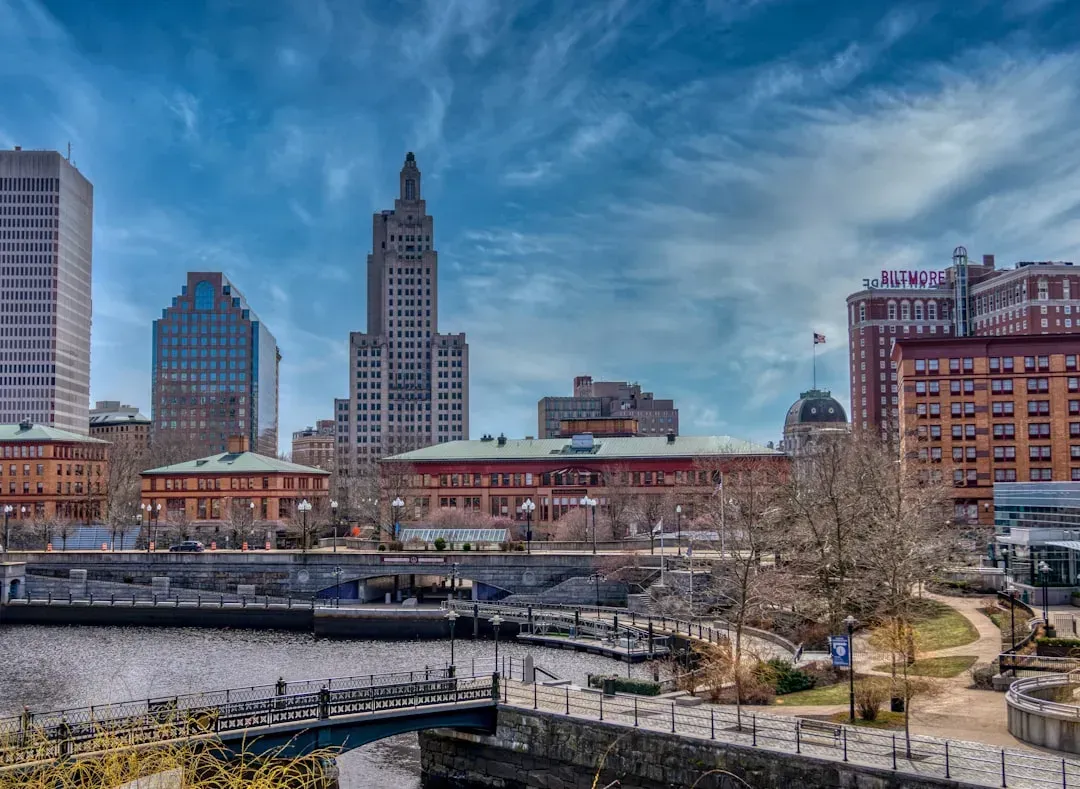
1. Providence, Rhode Island (Image Credits: Unsplash)
Providence exhibits extreme housing unaffordability, with nearly nine in ten neighborhoods unaffordable to married couples, up substantially from just over one in seven in 2024. The jump suggests a rapid surge in housing costs overwhelming income growth, pushing the city into a serious affordability crisis. The pre-COVID unaffordability rate was very low at under six percent, signaling a profound shift over the pandemic and recovery years. Median married-couple incomes rose to about $89,665 but could not keep pace with the spike in housing costs.
Providence stands out as one of New England’s hottest real estate markets, fueled by its vibrant cultural scene, a growing job base, and proximity to major cities like Boston and New York. Listings are receiving above-average views and selling nearly 30 percent faster than the national median days on market. That kind of demand, without a matching supply response, is exactly what turns a charming mid-size city into an unaffordable one.
2. Indianapolis, Indiana
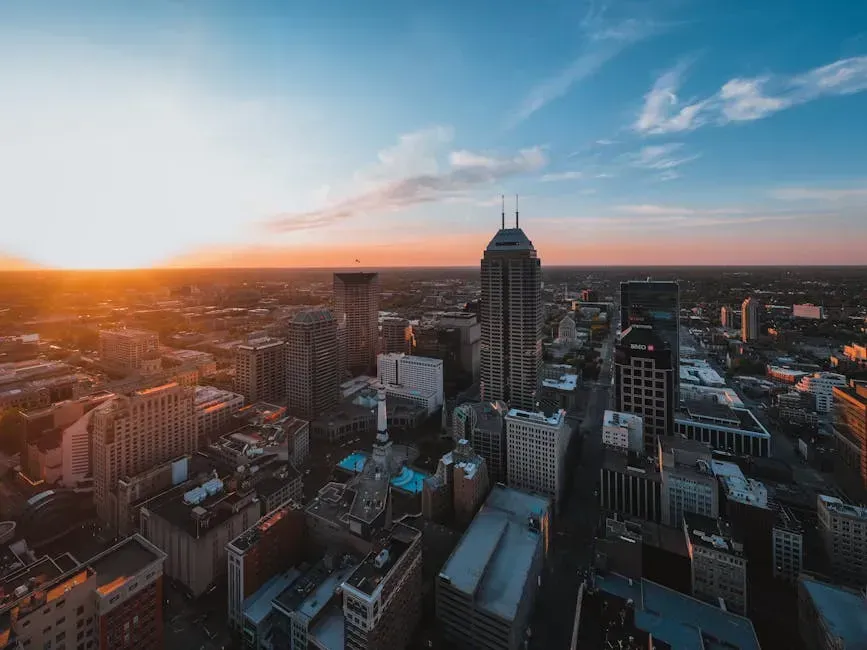
2. Indianapolis, Indiana (Image Credits: Pexels)
Indianapolis stands at over 38 percent unaffordability for married couples, up from just over four percent in 2024, marking a steep affordability deterioration. Nonfamily households see the situation is even more extreme, with the vast majority of neighborhoods unaffordable. Pre-COVID levels were essentially zero, reflecting a substantial market shift. In the Indianapolis metro, homeownership costs amounted to 36 percent of the area’s median household income as of late 2025, just shy of a record high.
Indiana has seen unprecedented housing price appreciation over the past five years. This, combined with stubbornly elevated interest rates, has put homeownership out of reach for many, particularly millennials and Gen Z. Markets like Indianapolis never saw the kind of building boom that Sun Belt cities experienced, so supply stays tight and rental demand holds firm. The result is a city that’s still perceived as affordable but is moving away from that reputation fast.
3. Kansas City, Missouri
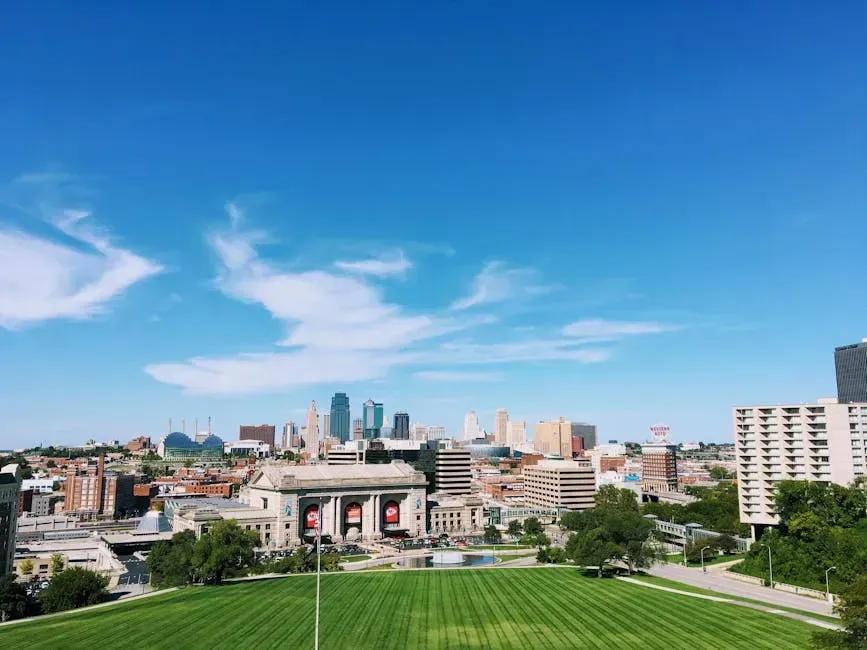
3. Kansas City, Missouri (Image Credits: Pexels)
Kansas City reports over 38 percent unaffordability for married couples, up from less than six percent in 2024. Nonfamily household unaffordability stands at nearly nine in ten neighborhoods. Pre-COVID unaffordability was under one percent, indicating dramatic escalation over six years. Kansas City has gained national attention as a hot housing market, and the city has seen home prices rise steadily over the past two years while inventory remains tight across desirable neighborhoods.
Major employers such as Cerner, Honeywell, and Hallmark expanding operations have kept job growth and housing demand robust. Kansas City’s balanced market conditions make it one of the Midwest’s most attractive investment destinations. That investor appeal, however, has a direct cost for ordinary residents trying to find something they can actually afford to buy or rent.
4. Worcester, Massachusetts
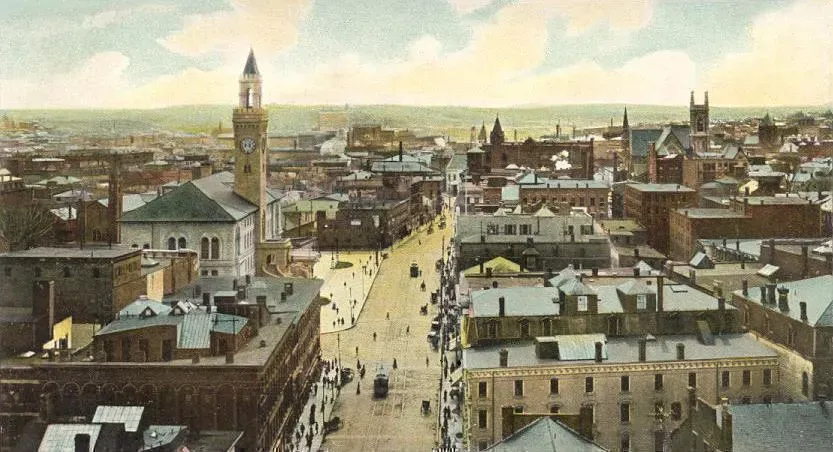
4. Worcester, Massachusetts (Image Credits: Digital scan of postcard, <a href="https://commons.wikimedia.org/w/index.php?curid=8725651" target="_blank" rel="noopener">Public domain</a>)
Out of 177 cities studied, Worcester, Massachusetts is projected to become the top city overall to become unaffordable, with an estimated typical home value well above the projected U.S. median. Realtor.com includes Worcester in its top housing markets for 2026, citing strong demand and better value than the Boston core. Independent forecasts project home values rising through 2025 and 2026 amid a diverse local economy spanning manufacturing, healthcare, and higher education.
Worcester is a hub for the sciences, with strong pipelines to the medical and biotech industries. That economic profile draws a steady stream of well-paid newcomers who push prices upward, while long-term residents on fixed or moderate incomes find themselves squeezed in a city they’ve called home for years. The overflow effect from Boston is real and it’s relentless.
5. Hartford, Connecticut
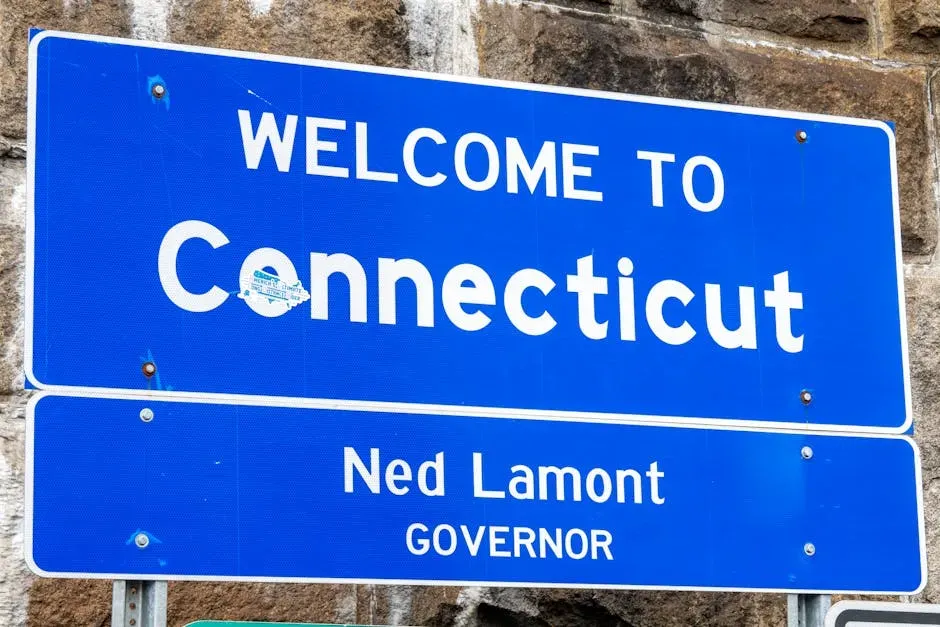
5. Hartford, Connecticut (Image Credits: Pexels)
In 2025, over 66 percent of homes in Hartford sold above their list price, more than any other major metro. Buyers need to be prepared to act fast and offer aggressively. Hartford has a strong home price forecast of nearly four percent for 2026, building on a 4.3 percent increase in 2025. That’s a remarkable run for a city that spent decades being largely overlooked.
Hartford has benefited from buyers migrating out of pricier metro areas like Boston and New York City, offering a compelling balance of affordability and access. Realtor.com data shows Hartford listings get double the national average views, while homes spend significantly less time on the market than the national norm. The irony is that the very buyers fleeing expensive coastal cities are now making Hartford unaffordable for its existing residents.
6. Nashville, Tennessee
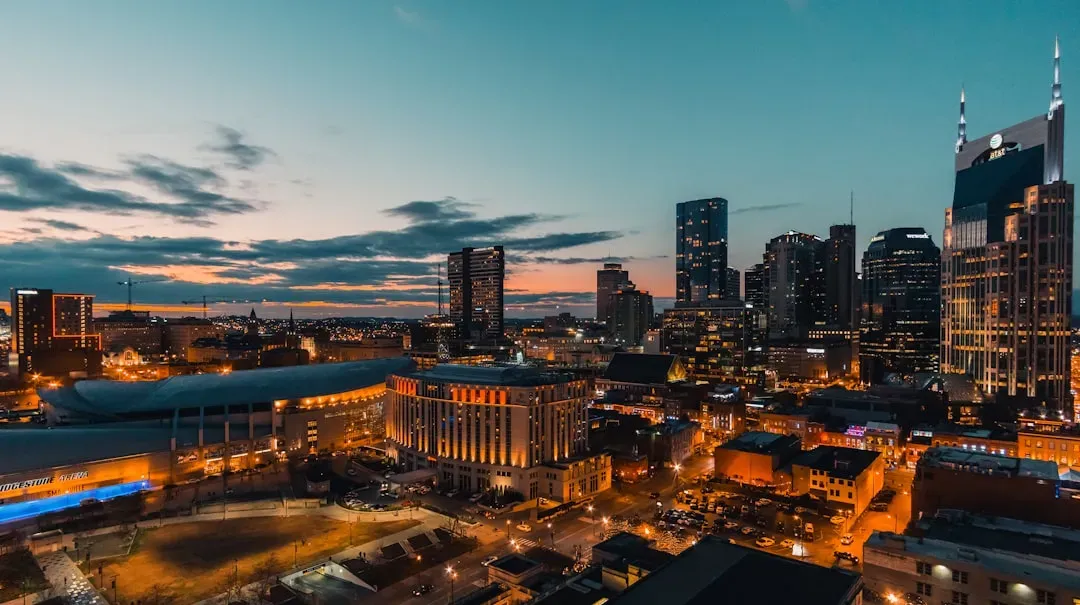
6. Nashville, Tennessee (Image Credits: Unsplash)
The Nashville metro area experienced a substantial population surge of over 20 percent between 2010 and 2020 while also facing a severe housing affordability crisis. The region is growing more diverse, with the metro’s Hispanic population increasing by 78 percent over the past decade. Nashville ranked as the most gentrified city in the United States during the 2010s, making equitable mortgage lending programs and housing initiatives essential for the community’s survival.
Mayor Freddie O’Connell released Nashville’s first Unified Housing Strategy in April 2025, calling on residents, employers, developers, and financial institutions to join together and play an active role in implementing housing solutions. The fact that the city needed a formal unified strategy speaks to how serious the problem has become. Nashville’s reputation as a cultural and economic magnet has outpaced its ability to house the very people who make it work.
7. Philadelphia, Pennsylvania
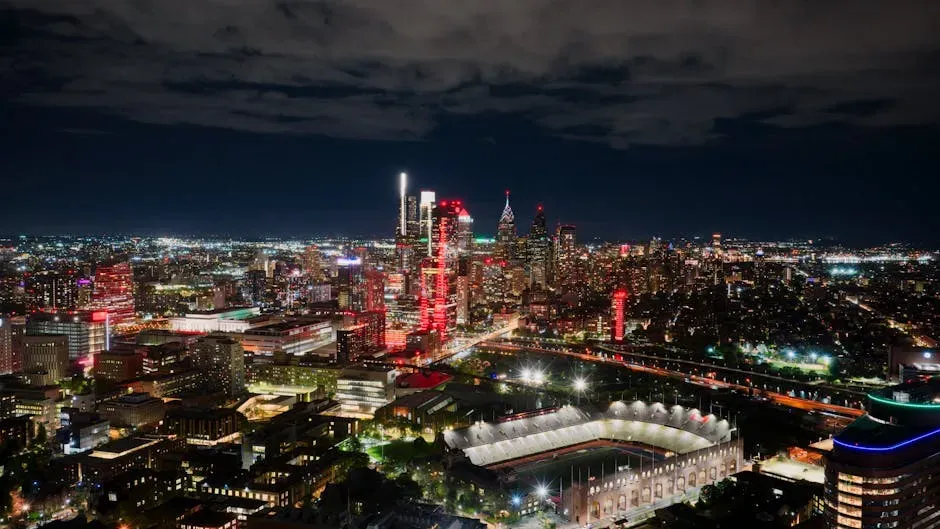
7. Philadelphia, Pennsylvania (Image Credits: Pexels)
Philadelphia has seen price growth continue to outpace income gains through 2025 and into 2026. The city is seeing its own surge in demand, likely fueled by relatively more affordable price points compared to its Northeast neighbors and a solid job market. That relative affordability is the engine driving the problem: being cheaper than New York City is no longer the protective buffer it once was.
Adjusted for inflation, house prices rose nearly 11 percent in Philadelphia between 2020 and 2023. Alongside persistent affordability challenges, Philadelphia’s downtown is also struggling with the economic impact of emptier office buildings, meaning less trade for small businesses and less city tax revenue. The city is navigating a squeeze from both ends simultaneously, with residential costs rising even as the commercial tax base shrinks.
8. Columbus, Ohio
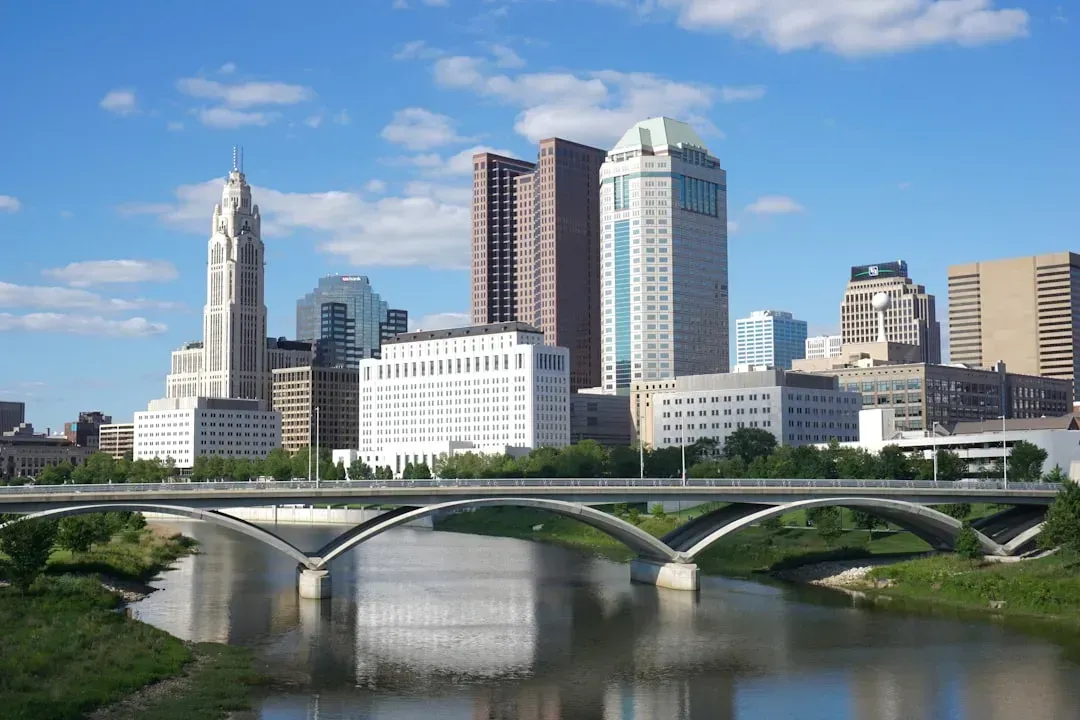
8. Columbus, Ohio (Image Credits: Unsplash)
Columbus is evolving into a Midwestern tech and advanced-industry hub. A 2025 emerging job markets list ranks Columbus among the top ten U.S. cities for employment growth, citing strengths in automotive, tech, and logistics. Economic-development data show billions in new investments across pharma manufacturing, green energy, and data centers in Central Ohio since 2022. Growth at that scale attracts talent, and talent drives up housing prices.
Affordability pressures are spreading beyond traditionally high-cost areas. Many previously low-cost regions, including parts of Columbus, are seeing costs for housing, health care, and groceries rise faster than in other areas. Columbus is a case study in what happens when a mid-size city suddenly becomes a national economic priority. The investment is real, the jobs are real, and so is the pressure on anyone who was already there.
9. Richmond, Virginia
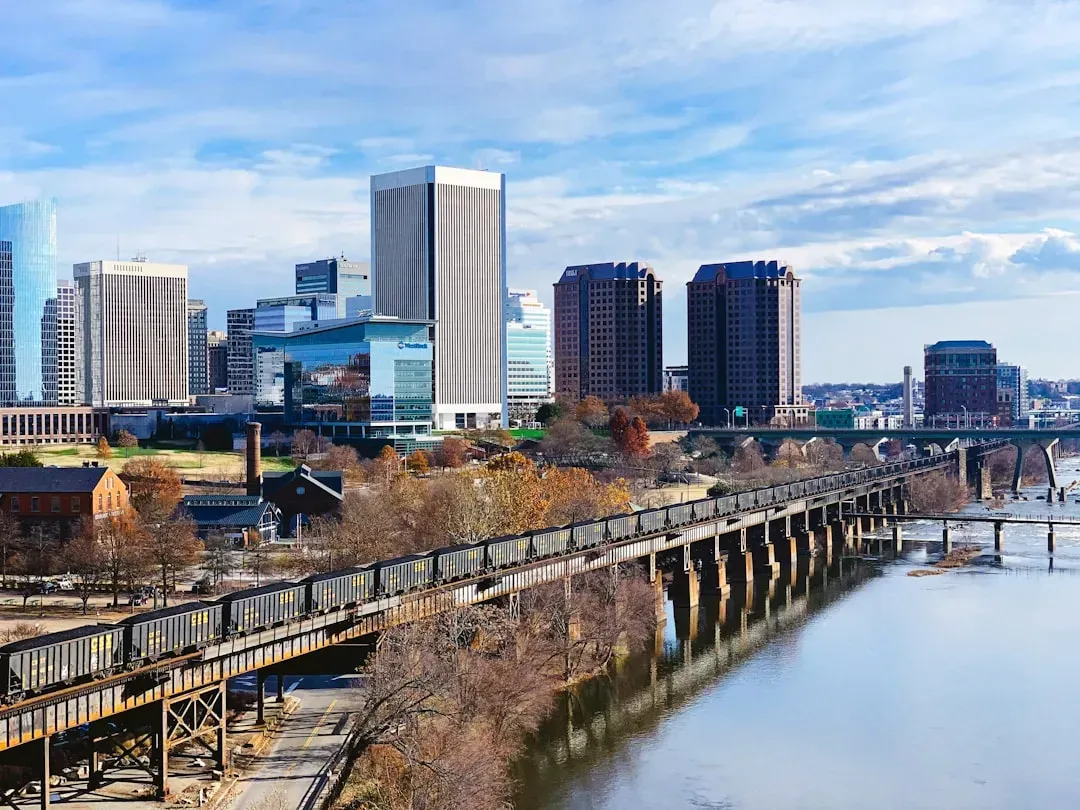
9. Richmond, Virginia (Image Credits: Unsplash)
Richmond marries a growing job market with a housing market that analysts expect to stay healthy through 2026. Job-posting data from Indeed show listings up nearly 17 percent between early 2020 and late 2025, beating many larger metros. City economic indicators reveal employment grew faster in Richmond than in most major Virginia localities from mid-2023 to mid-2024.
Richmond, as the state capital, is showing signs of a robust housing market, likely benefiting from its attractive cost of living relative to the Northeast and a growing economy. Realtor.com included Richmond among its top expected housing performers for 2026, highlighting relatively affordable prices and steady buyer demand. The combination of rising demand and modest supply makes Richmond a quiet affordability risk that few locals saw coming even a few years ago.
10. Milwaukee, Wisconsin
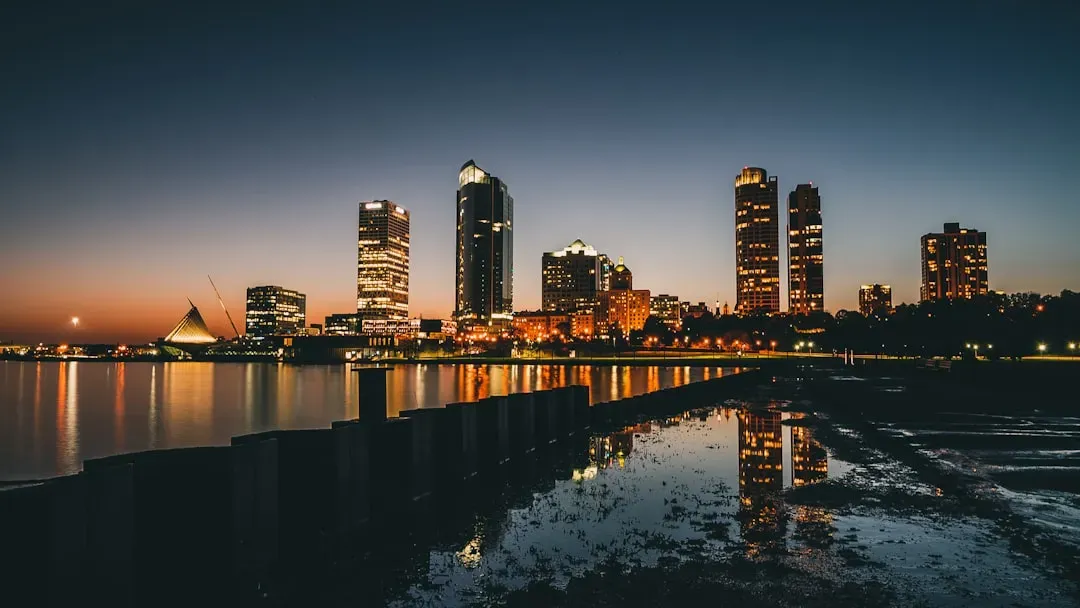
10. Milwaukee, Wisconsin (Image Credits: Unsplash)
Cleveland led all major markets with a notable annual home price increase in 2025, followed by Hartford and then Milwaukee, which posted a four percent year-over-year gain. Milwaukee rounds out the list of the hottest housing markets, and its inclusion suggests that affordability combined with growing interest is creating a competitive environment. That competitive environment is a double-edged thing. Good for sellers, tough for everyone else.
Affordability pressures are spreading to many previously low-cost regions, with parts of south-central Wisconsin among the areas seeing housing, healthcare, and grocery costs rise faster than in other parts of the country. Milwaukee built its reputation on being the affordable alternative to Chicago. That gap is now narrowing in ways that many residents are only beginning to feel.
11. Orlando, Florida
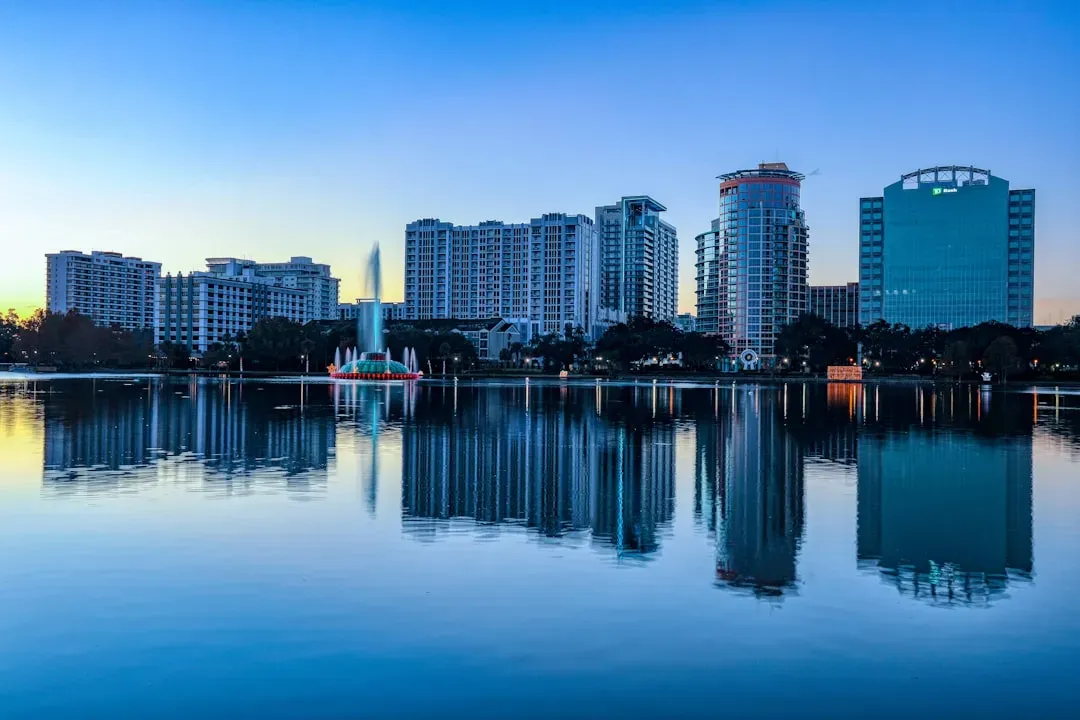
11. Orlando, Florida (Image Credits: Unsplash)
Orlando is estimated to become unaffordable, with typical home values having climbed substantially above where they stood just a few years ago. Orlando’s year-round sunshine may make it an ideal place to live, but its competitive housing market is moving toward unaffordability. With predicted home values well above the national median, the home to Disney World is making a notable jump toward an unaffordable designation.
The broader tourism and hospitality economy that drives Orlando creates a structural mismatch: a large workforce of service-sector employees trying to afford housing in a market inflated by remote workers and investors with much higher incomes. Parts of central Florida are seeing costs for housing, healthcare, and groceries rise faster than in other areas nationally. That pressure is landing hardest on those least positioned to absorb it.
12. Buffalo, New York

12. Buffalo, New York (Image Credits: Pexels)
Buffalo ranks at the top of Zillow’s list of hot real estate markets for 2026, building on strong performance in 2024 with steady buyer demand and home value growth. Once known primarily for affordability and modest appreciation, Buffalo is now seeing renewed interest driven by downtown revitalization and a thriving healthcare and education sector. Home prices rose nearly 5.8 percent year-over-year in 2024.
Cleveland, Milwaukee, Buffalo, and Chicago have all been benefiting from improved affordability attracting buyers who were priced out of coastal markets. The paradox is obvious. The very migration of cost-conscious buyers into Buffalo is eroding the affordability that drew them there in the first place. Buffalo is forecasted for 2.5 percent additional growth in 2026, and that momentum shows little sign of reversing course any time soon.
13. Atlanta, Georgia
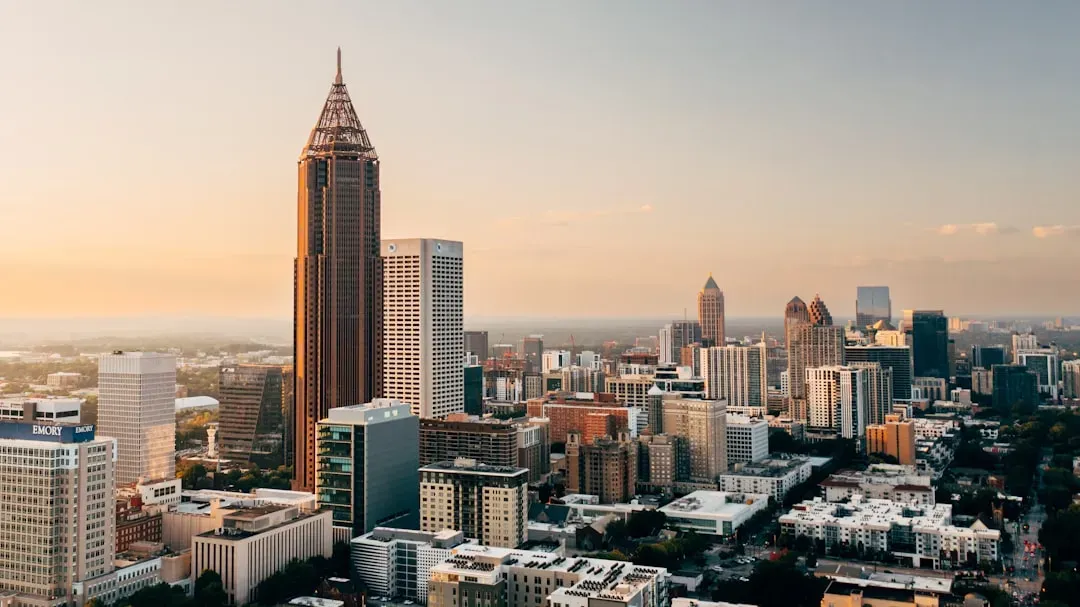
13. Atlanta, Georgia (Image Credits: Unsplash)
Affordability pressures are spreading beyond traditionally high-cost areas, and parts of Atlanta are seeing costs for housing, healthcare, and groceries rise faster than in most other areas. Atlanta has been one of the most active relocation destinations in the American South for the better part of a decade, and that sustained inflow of residents has steadily eroded the city’s once-reasonable cost base.
The real estate landscape is changing rapidly, with rising housing prices, an evolving economy, and shifting demand creating significant challenges for property owners and first-time home buyers. Atlanta encapsulates that dynamic almost perfectly. Its economic diversification across tech, film, logistics, and finance has been a genuine success story, but success at that scale tends to reprice a city over time. Between 2019 and 2024, renters’ median housing costs rose by 38 percent nationally while incomes increased by just 28 percent, and Atlanta’s numbers track closely with that national pattern.
The common thread running through all thirteen of these cities is not reckless speculation or one dramatic shock. It’s a quieter, structural story: job growth outrunning housing supply, remote workers redistributing demand away from coastal cores, and years of underbuilding finally catching up with communities that thought they were safely out of range. America’s housing shortage grew to an all-time high of 4.7 million units, and this deepening deficit remains the prime driver of the nation’s housing affordability crisis. Until supply can keep pace with where people actually want to live, the list of cities in this article will only get longer.