
Every October, millions of American households quietly see a shift in their grocery assistance. The federal fiscal year resets, and the USDA applies updated cost-of-living figures that ripple through benefit calculations in ways that aren’t always easy to track. For fiscal year 2026, which runs from October 1, 2025 through September 30, 2026, those shifts brought real dollar changes worth understanding.
Whether you’re a current SNAP recipient trying to make sense of a slightly higher EBT balance, or a family member helping someone apply for the first time, the details matter. Benefit amounts, income thresholds, deduction limits, and even work requirements all moved in 2026. Here’s a clear look at what changed and why.
How the Annual COLA Process Works
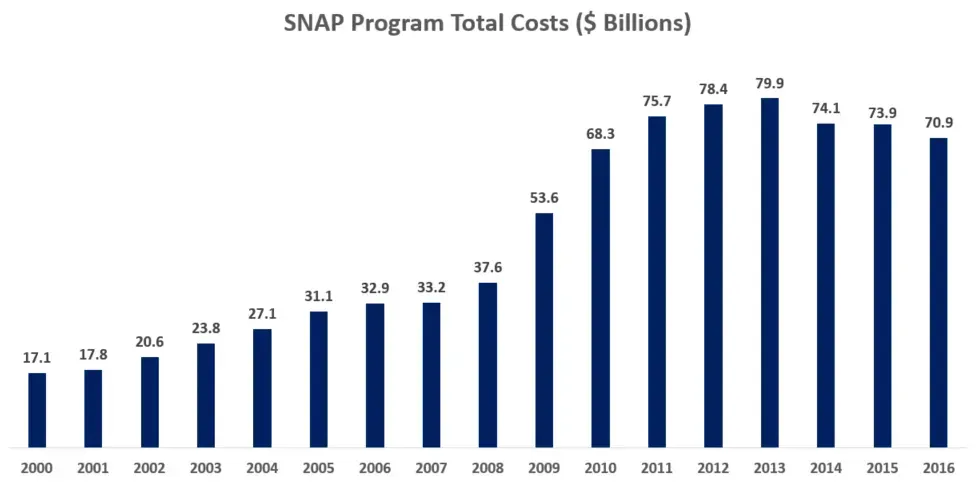
How the Annual COLA Process Works (Chart created from USDA data, <a href="https://commons.wikimedia.org/w/index.php?curid=47853672" target="_blank" rel="noopener">CC BY-SA 3.0</a>)
The USDA adjusts SNAP maximum allotments, deductions, and income eligibility standards at the beginning of each federal fiscal year, which begins on October 1st, with changes based on shifts in the cost of living. The Thrifty Food Plan, commonly known as the TFP, calculates the cost of a market basket for a family of four and serves as the USDA’s estimate of how much it costs to provide nutritious, low-cost meals for a household.
Maximum allotments are calculated from this cost every June, with the calculation taking economies of scale into account. Smaller households get slightly more per person than the four-person household, while households larger than four people get slightly less per person. The USDA’s official memorandum confirmed that fiscal year 2026 cost-of-living adjustments to SNAP maximum allotments, income eligibility standards, and deductions became effective as of October 1, 2025.
Maximum Monthly Benefit Amounts for 2026

Maximum Monthly Benefit Amounts for 2026 (Image Credits: Pexels)
For fiscal year 2026, maximum SNAP benefit amounts are set at $298 per month for a single person, $546 for two people, $785 for three people, $994 for four people, $1,183 for five people, $1,421 for six people, $1,571 for seven people, $1,789 for eight people, with an additional $218 for each additional person beyond that. These figures apply to the 48 contiguous states and Washington D.C. for fiscal year 2026, covering October 2025 through September 2026.
These amounts are designed to scale with household size, ensuring that larger families receive more support to meet higher food needs. A household of four can receive up to $994 per month, which breaks down to about $248 per person if evenly distributed – significantly higher than the national average per-person benefit. Households with no net income receive the maximum, while most households receive less based on their net income calculation.
How Much Benefits Increased From the Prior Year
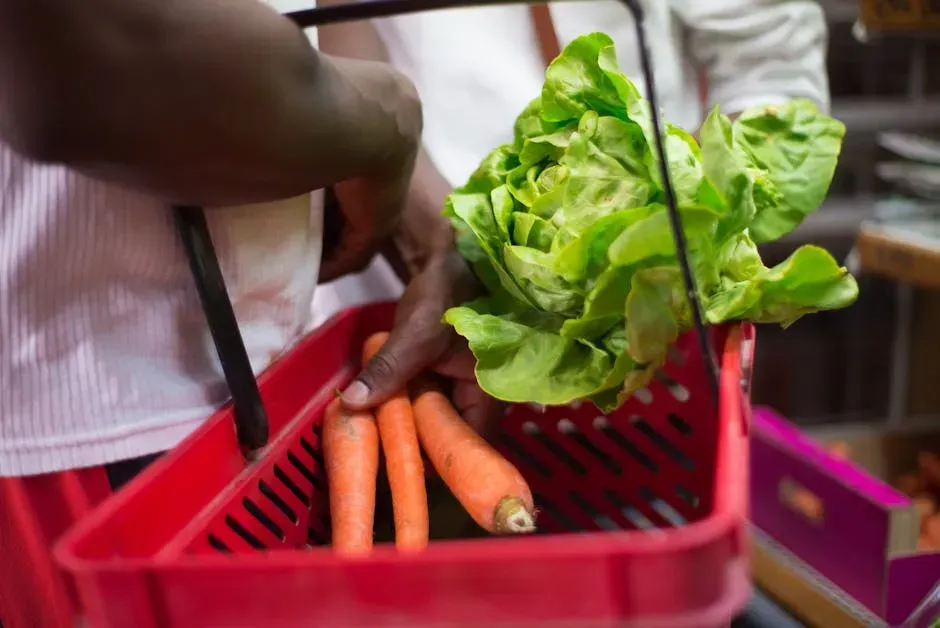
How Much Benefits Increased From the Prior Year (Image Credits: Pexels)
The SNAP payment amounts for 2026, also known as benefit allotments, rose modestly due to cost-of-living adjustments. The USDA adjusts these amounts annually to ensure purchasing power keeps up with inflation, with monthly SNAP amounts increasing by an estimated 2.7%, aligning with the Social Security Cost-of-Living Adjustment, starting October 1, 2025. In practical terms, most households saw about a $6 to $35 monthly increase, depending on household size.
The 2026 maximum benefit levels reflect a modest increase compared to the previous year, with this adjustment tied to annual updates in the cost of food to ensure that benefit amounts keep pace, at least in part, with rising grocery prices. These changes took effect at the start of the federal fiscal year and remain in place through September 2026. The increases are automatic for all current recipients, with each state SNAP office updating benefits based on existing case information without any action required from recipients.
Average Benefit Per Person in 2026

Average Benefit Per Person in 2026 (Image Credits: Unsplash)
The CBPP estimates the average benefit per person in fiscal year 2026 is $188 per month, which works out to roughly $6.17 per day. This amount reflects what recipients typically receive after income, household size, and allowable deductions are calculated through the program’s formula, and because SNAP is income-based, this figure represents a middle ground rather than a fixed payment.
Not everyone qualifies for the maximum SNAP benefit, and in reality, most households receive less than the top allotment. SNAP operates as a means-tested program, which means payments are tailored to each household’s financial situation instead of being issued as a fixed amount to everyone. Because of this, two households with the same number of people may receive very different benefit amounts.
Minimum Benefit and Shelter Deduction Updates

Minimum Benefit and Shelter Deduction Updates (CreditDebitPro, Flickr, <a href="https://creativecommons.org/licenses/by/2.0/" target="_blank" rel="noopener">CC BY 2.0</a>)
The minimum benefit for the 48 states and D.C. increased to $24 for fiscal year 2026, and the shelter cap value increased to $744 for the 48 states and D.C. Specifically, the minimum benefit increased by one dollar, moving from $23 to $24 per month for one and two-person households in most states.
The homeless shelter deduction increased to $198.99 per month, up from $190.30, across all states and territories. This deduction applies to SNAP households that don’t have stable housing. Including internet in utility allowances can increase the shelter deduction for some households, potentially qualifying them for higher SNAP benefits or maintaining eligibility they might otherwise lose, particularly helping low-income families who previously couldn’t deduct internet costs when calculating their shelter expenses.
Benefit Amounts in Alaska, Hawaii, and U.S. Territories

Benefit Amounts in Alaska, Hawaii, and U.S. Territories (Image Credits: Pexels)
The maximum allotment for a family of four in the 48 states and D.C. is set at $994, while maximum allotments for a family of four in Alaska range from $1,285 to $1,995. The maximum allotment for a family of four is $1,465 in Guam and $1,278 in the U.S. Virgin Islands. Alaska’s remote locations face higher food transportation costs, with Rural Zone 2 areas receiving nearly double the continental U.S. amounts.
The maximum allotment for a family of four in Hawaii actually decreased to $1,689 for fiscal year 2026. Hawaii is a notable exception, as its benefits actually decreased for 2026, while Guam and the Virgin Islands saw increases. These regional differences reflect real variations in local food costs and are built directly into the federal allotment structure rather than being decided at the state level.
Income Eligibility Rules and Asset Limits

Income Eligibility Rules and Asset Limits (Image Credits: Pexels)
Gross income must generally be at or below 130% of the federal poverty level, while net income after allowable deductions must be at or below 100% of the federal poverty level. Resource limits require certain households to have countable assets under $2,750, or $4,250 if a member is elderly or disabled. Income limits for SNAP eligibility also increased for fiscal year 2026, which runs from October 1, 2025 through September 30, 2026, meaning more families may qualify for food assistance.
Households with elderly members aged 60 and older or disabled members may qualify with higher gross incomes up to 165% of the poverty level. A standard deduction of $209 applies for household sizes of one to three people, with higher amounts for some larger households and different figures for households in Alaska, Hawaii, the U.S. Virgin Islands, and Guam.
Expanded Work Requirements in 2026

Expanded Work Requirements in 2026 (Image Credits: Unsplash)
A federal law signed on July 4, 2025 expanded SNAP work requirements to adults ages 55 to 64 without dependent children. This age group now needs to prove they’re working at least 20 hours per week or participating in approved training programs to receive SNAP benefits for more than three months over a three-year period. The federal law known as the One Big Beautiful Bill expands the category of able-bodied adults without dependents subject to time-limited participation and work or training mandates, with adults ages 18 to 64 needing to complete at least 80 hours of work, job training, school attendance, or approved community service each month to continue receiving benefits.
New SNAP work requirements have already taken effect in some states and are estimated to impact around 1.2 million people nationwide. These changes aim to reduce what lawmakers see as waste and fraud, though strict work requirements during economic downturns or in areas with limited job opportunities can push families off assistance even when they still need help.
Purchase Restrictions Taking Effect in Select States

Purchase Restrictions Taking Effect in Select States (By Wolfmann, <a href="https://commons.wikimedia.org/w/index.php?curid=63916496" target="_blank" rel="noopener">CC BY-SA 4.0</a>)
One of the more debated changes taking effect in 2026 involves restrictions on what SNAP recipients may purchase. Historically, SNAP has allowed participants to buy any food for human consumption aside from alcohol, tobacco, hot prepared foods, and non-food items. Starting January 1, 2026, states that received federal approval – including Indiana, Iowa, Utah, and West Virginia – prohibited the use of SNAP benefits for items such as sugar-sweetened beverages, soda, candy, and specific sugary snacks, with some states limiting all such items while others limit only one or two, depending on the terms of their approved waivers.
Some states will phase restrictions in over the course of the year as retail systems and reporting requirements are updated. The full impact of these purchase restrictions won’t be entirely clear until late 2026 and into 2027 as new rules fully implement across participating states.
How SNAP Benefits Are Delivered and Accessed
How SNAP Benefits Are Delivered and Accessed (Image Credits: Flickr)
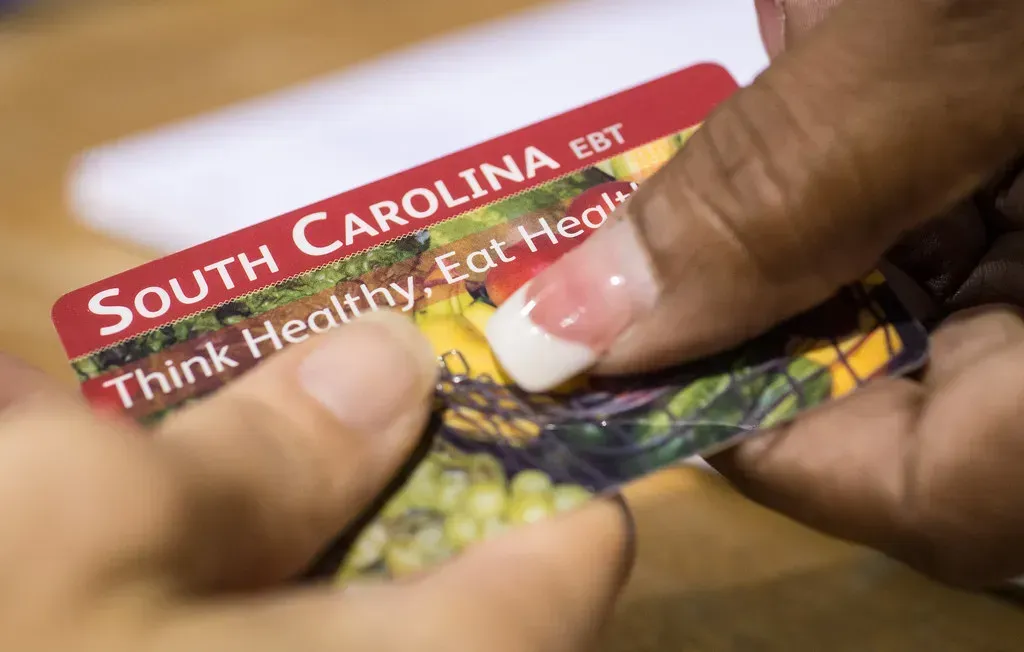
SNAP is a federal assistance initiative created to help low-income households afford nutritious food, with benefits delivered through an Electronic Benefit Transfer card that functions like a debit card and can be used at approved stores to buy groceries, dairy products, and other essential food items. SNAP benefits can be used to purchase most grocery items, including fruits, vegetables, meat, dairy products, and bread.
If found eligible, recipients receive SNAP benefits on an EBT card, with benefits automatically loaded into the account each month, allowing cardholders to use it to buy groceries at authorized food stores and retailers. Most states now allow online recertification and status tracking, making it easier to manage benefits digitally. Payment dates vary by state and are typically tied to administrative factors such as case numbers or last names, so recipients should check their state’s specific issuance schedule for exact deposit timing.