
There’s a particular kind of regret that doesn’t announce itself loudly. It accumulates slowly, in the background of ordinary days, until one day you find yourself looking back and wondering how things might have gone differently. For people over 50, relationship regrets tend to sit in that quiet category – not dramatic failures, but gradual drift, missed chances, and words that went unsaid for too long.
A systematic review published in December 2024 found that roughly nine in ten individuals typically experience severe life regrets, with midlife representing the peak period when these feelings intensify. Relationships sit at the heart of many of them. Here are the eleven mistakes that surface most consistently – ones that people over 50 tend to carry in silence.
1. Letting Small Resentments Quietly Build

1. Letting Small Resentments Quietly Build (Image Credits: Pexels)
Unspoken resentment can build for months or even years, turning small unresolved issues into a deep emotional sinkhole. Research found that more than a third of people in long-term relationships believe they’re carrying unresolved resentment toward their partner. The truly troubling part is that most of them never said a word about it.
Resentment can spring from a sense of being taken for granted, or from one partner shouldering an unequal share of responsibility. At its core, resentment is rooted in a lack of communication. Over decades, those small silences can harden into walls that feel impossible to take down.
2. Prioritizing Work Over the Relationship, Year After Year

2. Prioritizing Work Over the Relationship, Year After Year (Image Credits: Pexels)
Time and attention are the currency of love. Giving your best energy to a job that won’t come to your funeral is a trade many men especially come to regret. Upon their deathbed, very few people wish they’d spent more time at work – most grieve the missed opportunities to simply be with the people who mattered.
Many people have given the vast majority of their time and attention to their job, without recognizing that time and attention are also the currency of relationships. Giving too much to work means denying it to loved ones, and resentment inevitably accrues as a result, leading to an unhappy home life.
3. Avoiding Honest Conversations to Keep the Peace
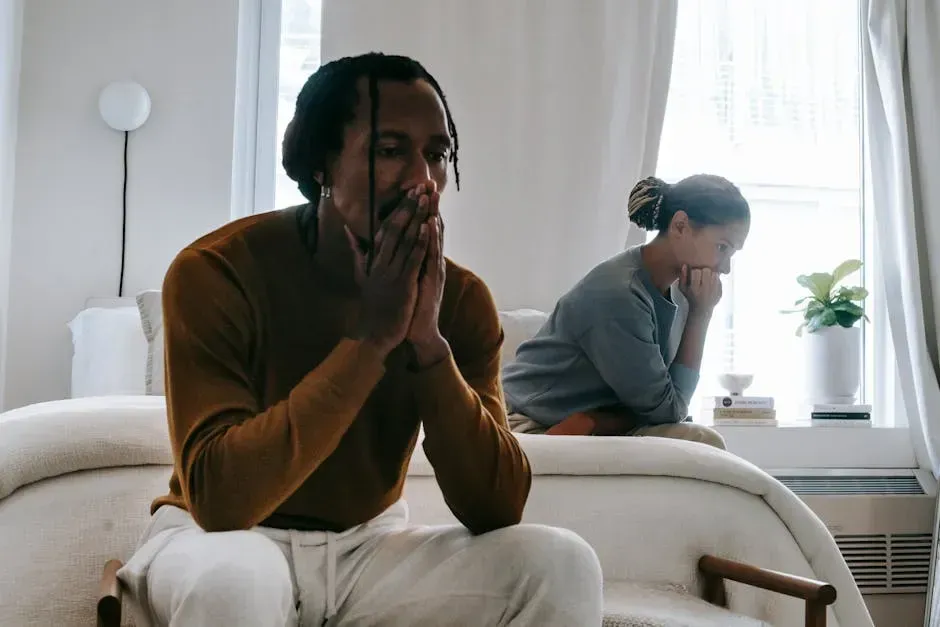
3. Avoiding Honest Conversations to Keep the Peace (Image Credits: Pexels)
Many couples fail to recognize the signs of a deepening relationship crisis until it has already caused significant emotional damage. Common signs include growing emotional distance, loss of intimacy, and frequent arguments, compounded by the everyday pressures of managing careers, raising children, and caring for aging parents.
Research shows that the vast majority of people whose relationships ended said that unresolved or unspoken issues played a role. When you fail to address concerns directly, resentment inevitably builds and erodes the connection. Keeping the peace in the short term often costs something much larger over time.
4. Taking a Long-Term Partner for Granted

4. Taking a Long-Term Partner for Granted (Image Credits: Unsplash)
Humans are inherently adaptable, but that adaptability comes at a price. Often, the price is that we can take almost anything for granted. That wonderful person you once couldn’t imagine life without simply becomes the background of your life – always there, until you forget what it was like to ever be without them.
In many relationships, resentment builds up silently over time. It might start as a small annoyance, but as time goes on, it can grow into a deeper frustration that feels difficult to express or resolve. Resentment often emerges when we feel unheard, undervalued, or taken for granted. By the time that becomes clear, years have often passed.
5. Neglecting Friendships Outside the Relationship
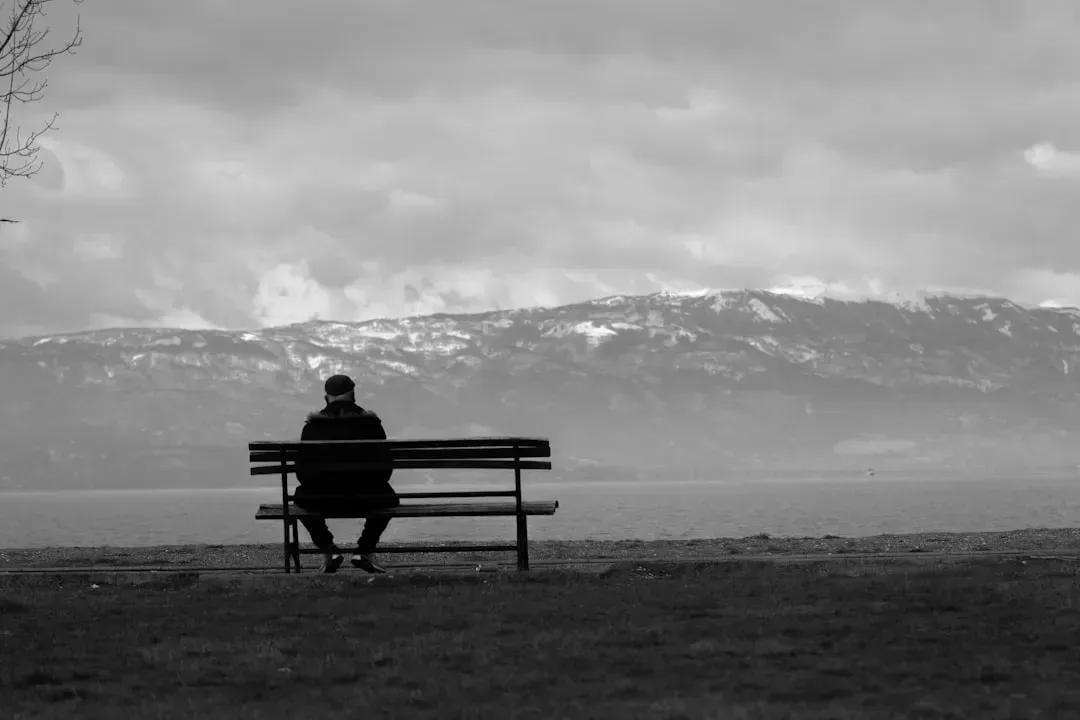
5. Neglecting Friendships Outside the Relationship (Image Credits: Unsplash)
With advancing age, loneliness becomes a genuine concern. A national poll of U.S. adults between the ages of 50 and 80 found that more than a third reported feeling lonely in the past year, with those living alone reporting even higher rates. Many traced the roots of that loneliness back to friendships they had slowly let slip away.
There is growing concern about what researchers describe as a “friendship recession.” Even before the pandemic, friendship levels had been declining over time. A nationwide survey found that twelve percent of respondents reported having no close friends at all – a stark contrast to 1990, when that figure was just three percent. Relying entirely on a romantic partner to meet all social and emotional needs puts enormous pressure on one relationship.
6. Staying in a Relationship Long Past Its Natural End

6. Staying in a Relationship Long Past Its Natural End (Image Credits: Pexels)
Romance tops the regret list in multiple studies. Research from Northwestern University found that roughly one in five respondents cited romantic regrets as their most significant life disappointment. These regrets frequently involve unfulfilled relationships or failing to leave a situation that had long stopped working.
As partners age and enter middle age, they may face new challenges that didn’t exist in earlier years. The aging process can introduce physical and emotional challenges that affect intimacy, communication, and the ability to resolve conflicts effectively. Staying out of habit, fear, or obligation – rather than genuine connection – tends to leave both people diminished.
7. Failing to Express Appreciation Regularly

7. Failing to Express Appreciation Regularly (Image Credits: Pexels)
Not all couples can pinpoint a specific trigger for a spiral of relationship resentment, but studies show it is often a response to something perceived as punitive or humiliating. It can also grow in relationships where there is little perceived appreciation of a partner. This one is easy to overlook precisely because appreciation feels obvious from the inside – but it has to be expressed out loud to matter.
Emotional intimacy is considered a fundamental factor contributing to the quality of marital relationships. Marital strain can often limit that intimacy over time. Consistent, small acts of expressed gratitude turn out to be one of the most reliable defenses against that strain taking hold.
8. Letting Fear Shape Relationship Decisions

8. Letting Fear Shape Relationship Decisions (Image Credits: Unsplash)
One older adult reflected that she didn’t realize how subtly worry shaped her choices until she was in her seventies, looking back at decades of “maybe later” and “what if it goes wrong?” The real regret, she said, wasn’t the mistakes she made, but the chances she never allowed herself to take.
Long-term worry tends to make people short-tempered, overly cautious, or emotionally closed off. In relationships, that guardedness often masquerades as wisdom. Over time, though, it quietly prevents the depth and vulnerability that sustain a real connection.
9. Underestimating How Much Loneliness Compounds with Age

9. Underestimating How Much Loneliness Compounds with Age (Image Credits: Pexels)
Loneliness has been linked with a fifty percent elevated risk of developing Alzheimer’s disease, as well as significantly elevated risks of coronary heart disease and premature mortality. These are not abstract statistics for people in their 50s and 60s – they describe a lived reality that arrives faster than expected when relationships have been left to erode.
Re-entering the dating scene as an older adult is genuinely challenging, with roughly a third of adults aged 50 to 80 feeling lonely and isolated. Those who find themselves suddenly alone often discover that finding a comparable partner later in life is much more difficult. The regret, for many, is not being more deliberate about protecting close relationships while they still could.
10. Never Fully Learning How to Apologize

10. Never Fully Learning How to Apologize (Image Credits: Pexels)
Women experience romantic regrets at higher rates than men, with roughly twice as many women as men citing relationship mistakes as their most significant life regrets, according to research published in Social Psychological and Personality Science. For both, the inability to genuinely apologize and take accountability shows up as a recurring source of pain in hindsight.
In strained and conflictual relationships, partners with higher levels of empathy may be more inclined to forgive their spouses, which in turn can lead to improved conflict resolution and interpersonal communication, potentially reducing the impact of strain on intimacy. A real apology – not a defensive non-apology – turns out to be one of the most powerful relationship tools there is. Most people only fully understand this later than they’d like.
11. Forgetting to Invest in the Relationship Itself

11. Forgetting to Invest in the Relationship Itself (Image Credits: Pexels)
Couples who proactively seek tools for effective communication, conflict resolution, and emotional regulation are better equipped to rebuild trust and intimacy. That process addresses immediate relationship problems and equips partners with the skills needed to navigate future challenges together. The mistake isn’t falling into difficulty – it’s assuming the relationship will maintain itself without deliberate attention.
A 2024 AARP survey found that roughly six in ten Americans over 50 wish they’d paused on certain earlier decisions, though the vast majority also say they feel more confident about creating change now than ever before. That’s the quieter part of the story. Regret, when acknowledged honestly, isn’t just an ending – it’s also a clear-eyed view of what actually matters, often arriving with enough time left to act on it.