
There’s a common assumption among sellers that listing a home is the hard part. In reality, getting a home onto the market is easy. Getting it off the market is where things go sideways. Across the country, a growing number of listings are sitting idle for weeks and months, and the agents who watch this happen every day have a clear-eyed view of why.
Homes now spend around 47 to 62 days on the market, according to HomeLight, the slowest pace of selling in a decade and well above the average of 16 days seen in 2021. That dramatic shift has forced both sellers and their agents to reckon with a new reality, one where buyers hold more cards and patience runs thin quickly.
Overpricing Remains the Single Biggest Culprit
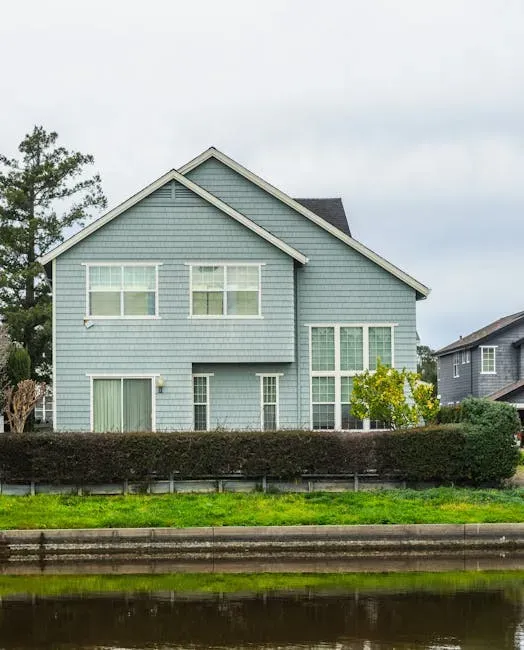
Overpricing Remains the Single Biggest Culprit (Image Credits: Pexels)
According to roughly three quarters of agents surveyed, overpricing is the main reason why homes sit unsold for extended periods of time, and about half of those agents recommend that sellers price slightly below market value in order to increase the chances of a sale and multiple offers. It’s a straightforward diagnosis that sellers consistently resist.
The emotional attachment sellers have to their home often distorts their sense of what it’s worth. It’s easy to overprice a home because of its sentimental value, or to underprice it by rushing to sell to an iBuyer. Either extreme tends to cost sellers time or money, frequently both. Reflecting agent advice to price competitively, roughly four in five surveyed agents reported an increase in price cuts in the second quarter of 2025 compared to a year prior.
The Stale Listing Problem Is Getting Worse
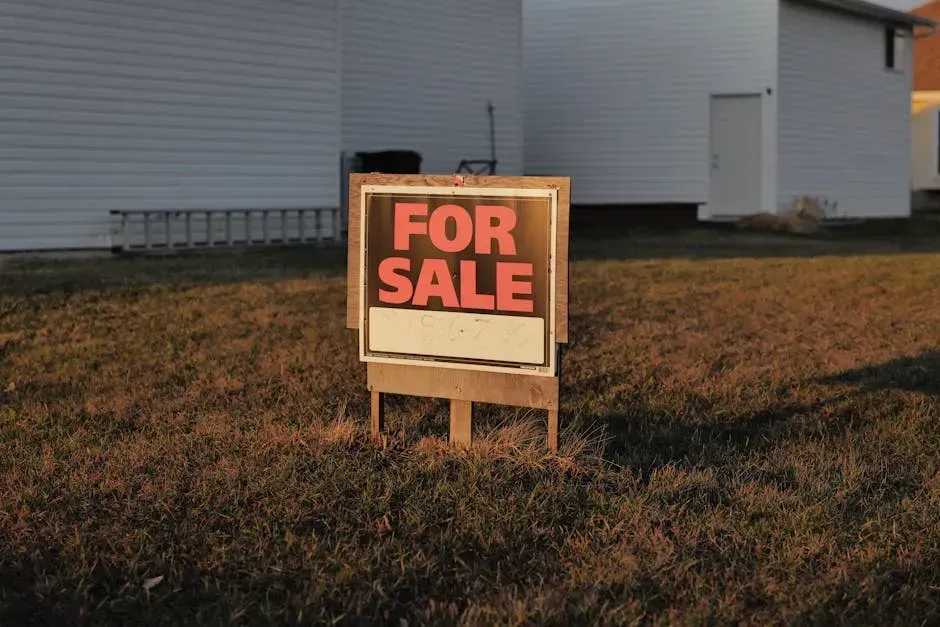
The Stale Listing Problem Is Getting Worse (Image Credits: Pexels)
A major reason for the jump in housing supply is a pileup of unsold homes, many of which buyers have deemed undesirable because they seem overpriced. Over half of home listings in November sat on the market for at least 60 days without going under contract, the highest share for any November since 2019. Once a listing goes stale, it’s an uphill battle to recover.
Buyers see a high day count and automatically wonder what’s wrong with the property. The longer a home lingers, the more negotiating power shifts to buyers, and the harder it becomes for sellers to hold firm on price. In early 2026, the national average of homes with price reductions was running near 15 percent, with analysts noting that more sellers may begin with lower initial list prices rather than cutting after seeing their home sit for longer than anticipated.
Poor Presentation and Photography Drive Buyers Away Fast
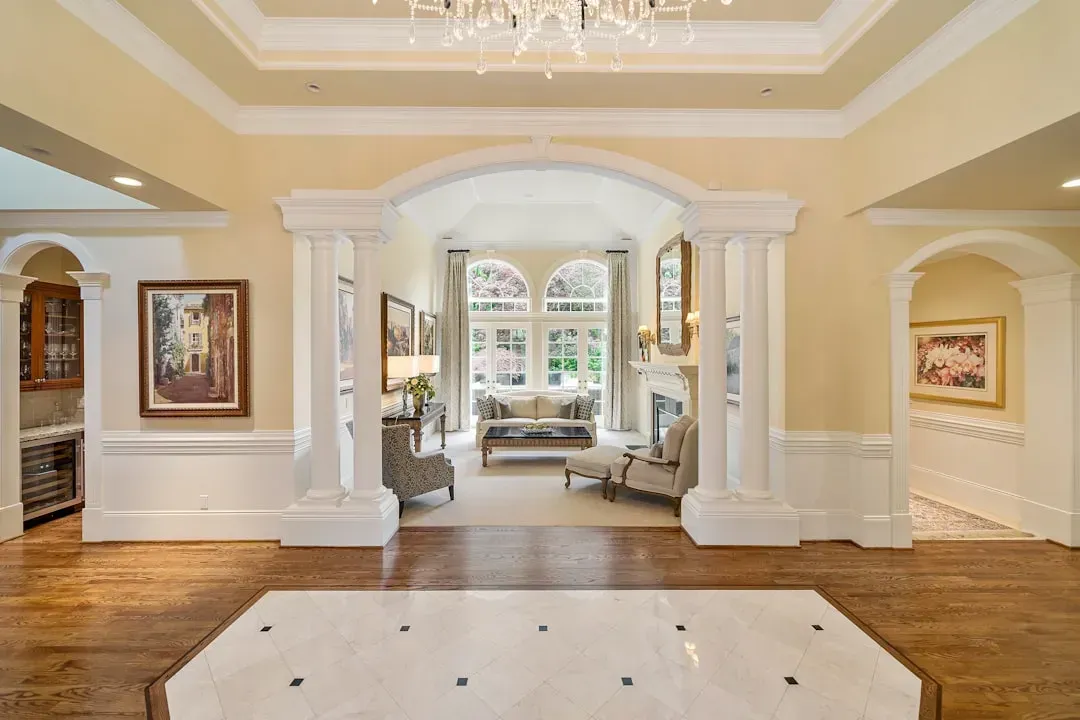
Poor Presentation and Photography Drive Buyers Away Fast (Image Credits: Unsplash)
According to the National Association of Realtors’ 2024 Home Buyers and Sellers Report, nearly all buyers begin their search online, and photography is the primary factor in determining whether they pursue a property. If the photos do not make an immediate impact, the home may never make it onto their must-see list. That’s a brutal filter to fail at the very first step.
Research suggests buyers form a first impression within seven to ten seconds of viewing listing photos, and in today’s scroll-driven environment, sellers may actually only have two to five seconds of attention. That means the first few photos must be exceptional. Limited visual appeal leads to fewer showings, fewer showings typically result in extended days on market, and extended days on market often necessitate price reductions and increased carrying costs.
Neglected Staging Is a Quiet Dealbreaker

Neglected Staging Is a Quiet Dealbreaker (Image Credits: Unsplash)
The effectiveness of home staging is backed by consistent data from the National Association of Realtors, with the vast majority of buyer’s agents reporting that staging helps buyers visualize the property as their future home. Yet many sellers skip it entirely, assuming their home will speak for itself. It rarely does.
According to NAR member surveys and industry performance metrics, homes staged before listing spend roughly three quarters less time on the market compared to similar non-staged properties. That time advantage translates into leverage, negotiating strength, and stronger net proceeds. An empty room looks cold and often smaller than it is, while cluttered rooms can feel cramped and chaotic. Staging each space with just enough furniture to give it purpose, especially key rooms like the living room, dining room, and primary bedroom, makes a meaningful difference.
Weak Curb Appeal Stops Buyers Before They Walk In
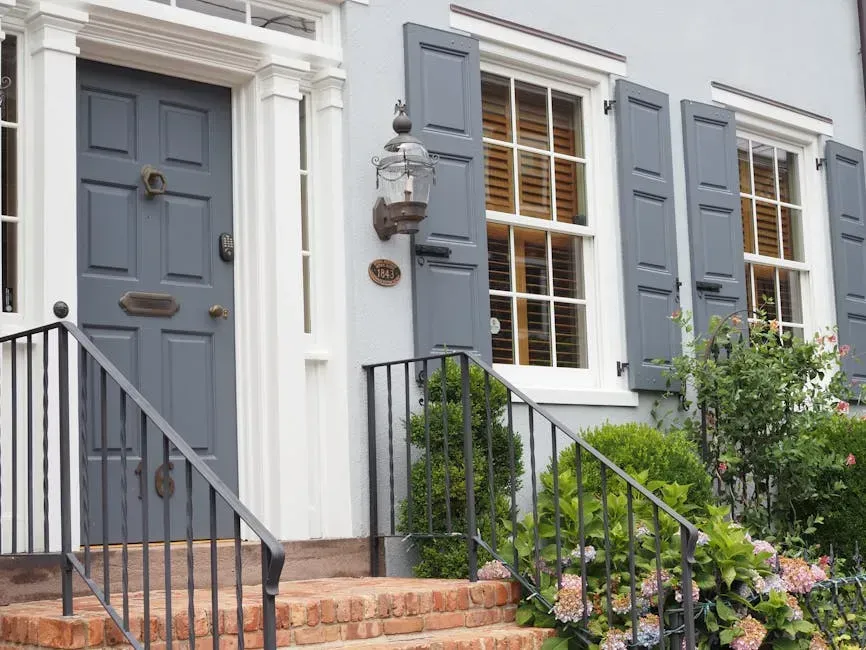
Weak Curb Appeal Stops Buyers Before They Walk In (Image Credits: Pexels)
Neglecting curb appeal is one of the biggest home staging mistakes a seller can make. Imagine a potential buyer driving up to the property only to be met with an overgrown lawn, chipped paint, or a cluttered porch. Suddenly, the home’s interior feels less appealing, no matter how well-staged it is inside.
Improving curb appeal makes a powerful first impression, with simple updates like landscaping and a fresh front door encouraging more showings. The irony is that curb appeal problems are among the cheapest to fix. A pressure wash, some fresh mulch, and a repainted front door cost relatively little but dramatically change how a home registers at first glance. Sellers who skip this step often spend more later in the form of price reductions.
Inspection Issues That Derail Deals Mid-Sale
Inspection Issues That Derail Deals Mid-Sale (Image Credits: Pexels)
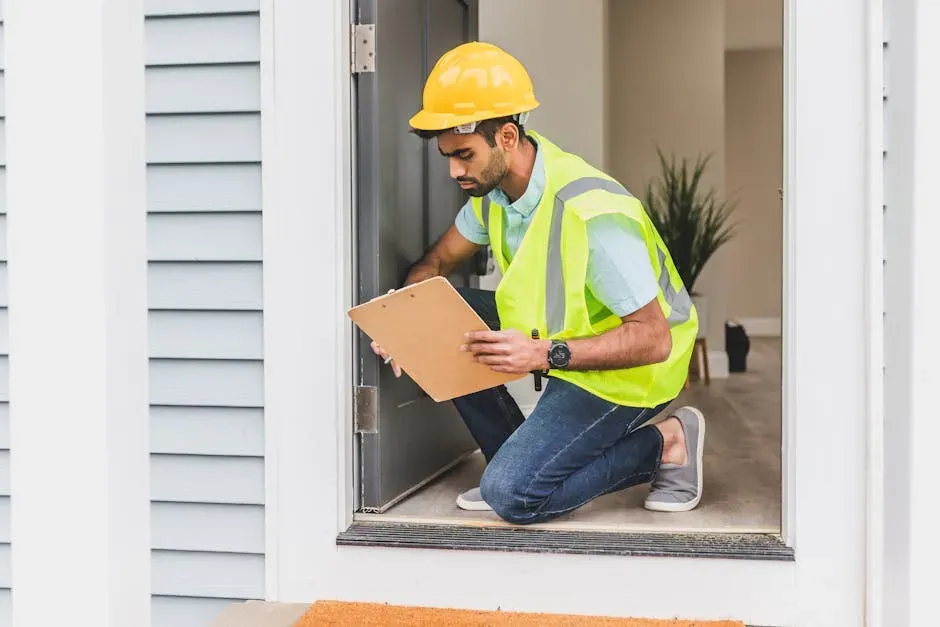
Among the reasons for home sales falling through, more than a quarter cite home inspections uncovering major problems with the property, while roughly one in five blame buyer financing falling through. A home can generate real interest and still fall apart once the inspector arrives. With rising home prices, buyers may be hesitant to take on additional repair costs, and the aging housing stock compounds the problem: the median home in the U.S. is around 40 years old, with many homes built prior to 1980.
To keep deals from unraveling, some real estate agents are recommending pre-listing inspections, having the home professionally inspected before it goes on the market. Agents say it allows a seller to address any repairs before the “For Sale” sign even goes up, and it can help avoid surprises like a costly plumbing problem, a failing roof, or an outdated electrical panel that could cause financially stretched buyers to bolt before closing.
The Rate Lock Effect Is Keeping the Wrong Homes on the Market

The Rate Lock Effect Is Keeping the Wrong Homes on the Market (Image Credits: Unsplash)
Part of what makes today’s market particularly strange is that inventory increases aren’t always helping buyers find quality options. As one Redfin Premier agent in Portland observed, a lot of listings on the market are either stale or uninhabitable: there’s a lot of inventory, but it doesn’t feel like enough. The homes that are available are often the ones nobody wants, while the homes buyers actually want aren’t coming to market.
The lock-in effect resulting from homeowners sitting on mortgages well under six percent is keeping inventory levels below historical norms. As of the fourth quarter of 2024, roughly four out of five homeowners with mortgages had interest rates below six percent. When considering that 2025 rates bounced between six and seven percent all year, trading a three percent rate for a six percent one on a $300,000 mortgage would add over $500 to a monthly payment, and more than $6,000 per year. That math keeps quality inventory off the market.
Location Factors and Property Stigma That Numbers Can't Fix

Location Factors and Property Stigma That Numbers Can't Fix (Image Credits: Unsplash)
Stigmatized properties have been psychologically impacted by events such as murder, suicide, alleged hauntings, or notorious previous owners. Violent crimes and abandoned properties both have significant effects on property values and the surrounding neighborhood. These are situations no amount of staging or price reduction can fully overcome.
Violent crimes tend to have a strong negative impact on property values for both the crime site and sometimes neighboring homes. Even when stigmas have less of an impact on value, they may still reduce demand and increase time on market. Properties rumored to be haunted may attract only a niche group of buyers interested in the paranormal, and generally face a narrower market, leading to extended time on the market and possible price reductions to attract a willing buyer.
Buyer Affordability Has Fundamentally Changed the Equation
Buyer Affordability Has Fundamentally Changed the Equation (Image Credits: Unsplash)
Elevated home prices and high mortgage rates have made homeownership less accessible for many, leading to a decline in first-time homebuyers. In 2024, the share of first-time buyers dropped to roughly one in four, the lowest since records began in 1981. Fewer buyers in the pool means even well-priced, well-presented homes can take longer to find their match.
Sales of previously occupied U.S. homes totaled around 4.06 million in 2025, essentially flat versus 2024 when sales sank to the lowest level since 1995. All told, existing U.S. home sales have declined on an annual basis since 2022. Many buyers are holding off on closing deals until interest rates drop further, and economic concerns along with long-term affordability issues have continued to weigh on housing demand, transforming much of the country into a buyers’ market. Sellers who don’t account for this reality in their pricing and presentation tend to be the ones watching their listing clock tick well past the 60-day mark.
The Cities Where Homes Sit Longest
The Cities Where Homes Sit Longest (Image Credits: Pexels)
The trend of prolonged listings is particularly evident in certain metropolitan areas. Miami leads with nearly two thirds of homes on the market for over 60 days, followed by Austin at roughly the same share. Other cities, including Portland, Fort Lauderdale, Orlando, San Diego, and West Palm Beach, also report high percentages of long-standing listings. These aren’t slow markets by accident.
In some cities, prices have even begun to decline. In Austin, Texas, home prices fell almost five percent between July 2024 and July 2025, and decreased by over nine percent compared to 2022. Markets that saw dramatic pandemic-era price surges are now correcting, and sellers who anchored their expectations to peak prices from two or three years ago are the ones watching their homes go unsold the longest. Home prices are forecast to rise much more slowly, and may even fall in numerous markets in the South and Southwest as they shift more to buyers’ markets.