
Most people enter marriage with a clear sense of what they want from it – love, companionship, stability – but a much hazier sense of what it actually takes to keep those things alive across decades. The couples who manage to stay genuinely close after 30 or 40 years didn’t stumble into that result. They built specific habits, often quietly and without much fanfare, that younger partners tend to underestimate or skip entirely.
The chance of a marriage lasting over 30 years sits at roughly 40 percent, particularly among couples who maintain healthy communication and shared activities. That number is both humbling and encouraging. It suggests that longevity isn’t an accident of luck or chemistry alone. It’s a practice – and specific ones matter more than most people realize.
1. They Express Gratitude on Ordinary Days

1. They Express Gratitude on Ordinary Days (Image Credits: Pexels)
In a 2024 dyadic study, partners who regularly expressed gratitude perceived each other as more responsive and reported higher satisfaction overall. This wasn’t gratitude reserved for anniversaries or big gestures. It was the everyday kind – acknowledging a small effort, noticing something kind, saying it out loud.
Researchers believe daily gratitude acts like a relational probiotic: it feeds the “good bacteria” of appreciation and crowds out low-grade resentment. Younger couples often assume that a strong emotional foundation makes such expressions unnecessary. Long-married couples know the opposite is true. The foundation needs those small reinforcements to stay strong.
2. They Make Repair Attempts During Conflict

2. They Make Repair Attempts During Conflict (Image Credits: Pexels)
Happy couples naturally offer repair attempts, according to premier relationship researcher John Gottman. A repair attempt can be any statement or action designed to minimize bad feelings between a couple, de-escalating a fight before either partner puts on the brakes. Long-married couples do this reflexively. They reach for a softer tone, a small gesture, or a simple acknowledgment before the argument takes on a life of its own.
In decades of lab studies, Gottman found that repair attempts predict long-term relationship success even more than conflict style or compatibility. When partners regularly repair, they maintain the roughly five-to-one ratio of positive to negative interactions that defines healthy relationships. Most younger couples focus on “winning” arguments rather than recovering from them. That’s a subtle but significant distinction.
3. They Prioritize the Relationship During Hard Times

3. They Prioritize the Relationship During Hard Times (Image Credits: Pixabay)
A 2025 study published in the Journal of Marital and Family Therapy documented the stressors threatening to dissolve marriages and the coping mechanisms couples used to survive, drawing on interviews with 180 individuals married 40 or more years, from 24 countries. Major threats included the death or severe illness of a child, infidelity, chronic mental illness, in-law issues, and prolonged time apart. What’s striking is that these couples survived all of it.
The primary coping mechanisms were effective communication, drawing closer together, persevering as a unit, and consistently prioritizing the relationship above the crisis. That last point deserves some emphasis. When things get difficult, many younger couples let the relationship become the collateral damage. Long-married couples treat it as the thing worth protecting most.
4. They Maintain Financial Transparency

4. They Maintain Financial Transparency (Image Credits: Unsplash)
Financial transparency in marriage reduces conflict and increases the likelihood of long-term stability. This sounds obvious, but the reality in many marriages is quite different. Roughly more than a quarter of married Americans admit to hiding significant purchases or debt from their spouse, and about two in five would end a relationship due to financial dishonesty.
When couples are aligned in their financial goals and have a clear, shared vision for their financial future, it fosters trust, cooperation, and mutual respect, helping both partners feel secure and valued, knowing they are working together toward a common purpose. Research published as recently as 2022 found that couples who pool all their money were significantly more likely to be together 12 to 14 years later than couples who didn’t. Money conversations are never purely about money. They’re about alignment, trust, and a shared future.
5. They Stay Genuinely Interested in Each Other

5. They Stay Genuinely Interested in Each Other (Image Credits: Unsplash)
In Gottman’s view, the most important predictor of a happy marriage is that a couple enjoys an enduring, deep friendship. That friendship doesn’t survive on its own. It requires regular tending – asking real questions, staying curious about how the other person is changing, and resisting the assumption that you already know everything about them.
People in lasting couples genuinely valued spending time with one another. They weren’t just cohabitating or coordinating logistics. They were actually interested in each other’s inner lives. Younger partners sometimes confuse familiarity with closeness, not realizing that familiarity without curiosity gradually hollows out a connection.
6. They Keep Physical Affection Alive

6. They Keep Physical Affection Alive (Image Credits: Unsplash)
The presence of frequent spousal affection and physical intimacy significantly correlates with marriage longevity. This doesn’t mean a particular frequency or intensity. It means consistent, small physical connection – a hand on the shoulder, sitting close, a brief touch that communicates presence and warmth without needing words.
A 2024 study published in the Annual Review of Psychology found that individuals feel truly safe when their partners are deeply affectionate, caring, and responsive to their needs. That sense of safety compounds over the years. Couples who keep affection steady through busy seasons, stressful periods, and aging bodies build something that younger partners in more transactional relationships often never develop.
7. They Approach Conflict With a Solutions Orientation
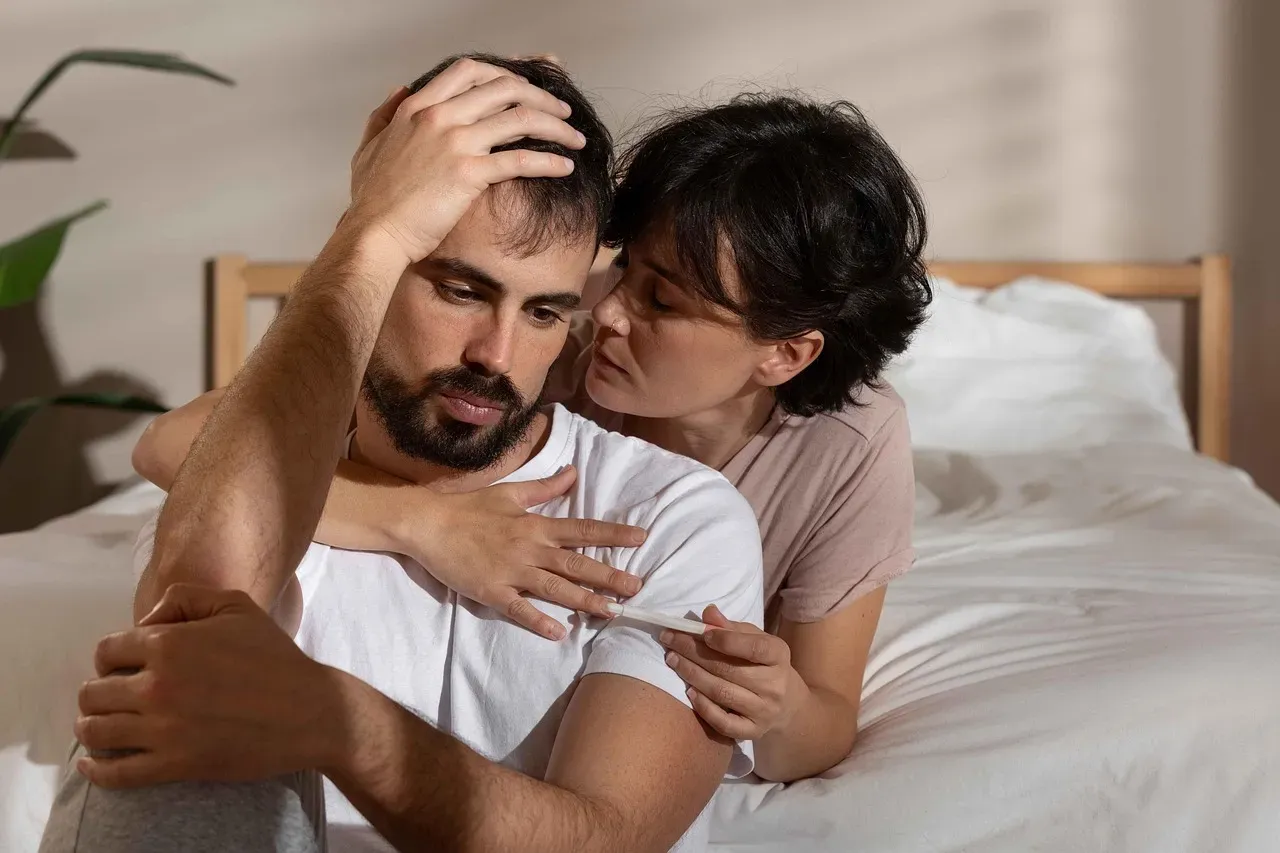
7. They Approach Conflict With a Solutions Orientation (Image Credits: Pixabay)
Research revealed that the happiest couples argued about their issues in a specific way, across age differences and regardless of the length of their marriage: they tend to take a solution-oriented approach to conflict, and this is clear even in the topics they choose to discuss. Long-married couples have learned which arguments are worth having and which ones can be set aside without festering.
In older couples, the resolution of conflict was less emotionally negative and more affectionate than in middle-aged marriages. That shift doesn’t happen by accident. It reflects years of learning to separate the issue from the person, and recognizing that the goal isn’t to be right but to stay connected. Younger couples who fight to win tend to lose something more important in the process.
8. They Build and Protect Shared Meaning

8. They Build and Protect Shared Meaning (Image Credits: Unsplash)
Building a life together with shared goals, rituals, symbols, and values is central to lasting marriages – it’s about creating a culture of appreciation and purpose. This is one of the harder habits to name because it doesn’t look like a single behavior. It shows up in the traditions a couple maintains, the inside language they develop, the way they frame their shared story.
Research concludes that it is very important to have love, trust, understanding, a sense of commitment, transparency, and the ability to sacrifice, among many other factors, to have a successful marriage. Shared meaning is what binds all those elements together. Without it, couples can fulfill every obligation and still feel like strangers. With it, even a quiet Tuesday evening carries weight.
9. They Share Lifestyle Habits and Grow Together

9. They Share Lifestyle Habits and Grow Together (Image Credits: Unsplash)
Couples who share similar health habits tend to have longer-lasting marriages, with a roughly 20 percent higher probability of staying married over 10 years. This goes beyond both going to the gym. It’s about developing a shared rhythm of life – eating similarly, sleeping on compatible schedules, and holding compatible values around health and daily structure.
Emotional goals become more important in older age in connection with the maintenance of subjective wellbeing, and familiar, meaningful relationships like the couple relationship are preferred as less meaningful social contacts are naturally reduced over time. Couples who have grown their habits in parallel over the years find themselves naturally more aligned as they age, rather than pulled in different directions. That alignment, built slowly over decades, turns out to be one of the quietest and most durable foundations a marriage can have.
None of these habits are dramatic. None of them require a retreat, a therapist, or a complete overhaul of how two people live together. What they require is consistency – the willingness to show up for the relationship on the unremarkable days, not just the meaningful ones. That, more than anything, seems to be what separates the marriages that endure from the ones that don’t.