
Clock out, head home, and then what? For baby boomers, born between 1946 and 1964, the answer to that question looked remarkably different from what it looks like today. Their after-work hours were less about scrolling and more about doing. Showing up. Being present in a room with other actual humans.
It’s easy to romanticize the past, but the differences here aren’t small. Today, smartphones, streaming platforms, gaming, and social media compete for nearly every spare moment of attention, and as younger generations adopt different habits and forms of entertainment, many traditional Boomer-era activities are seeing declining participation. The shift is real, and some of what’s been lost is genuinely worth noting.
1. Joining a Weekly Bowling League
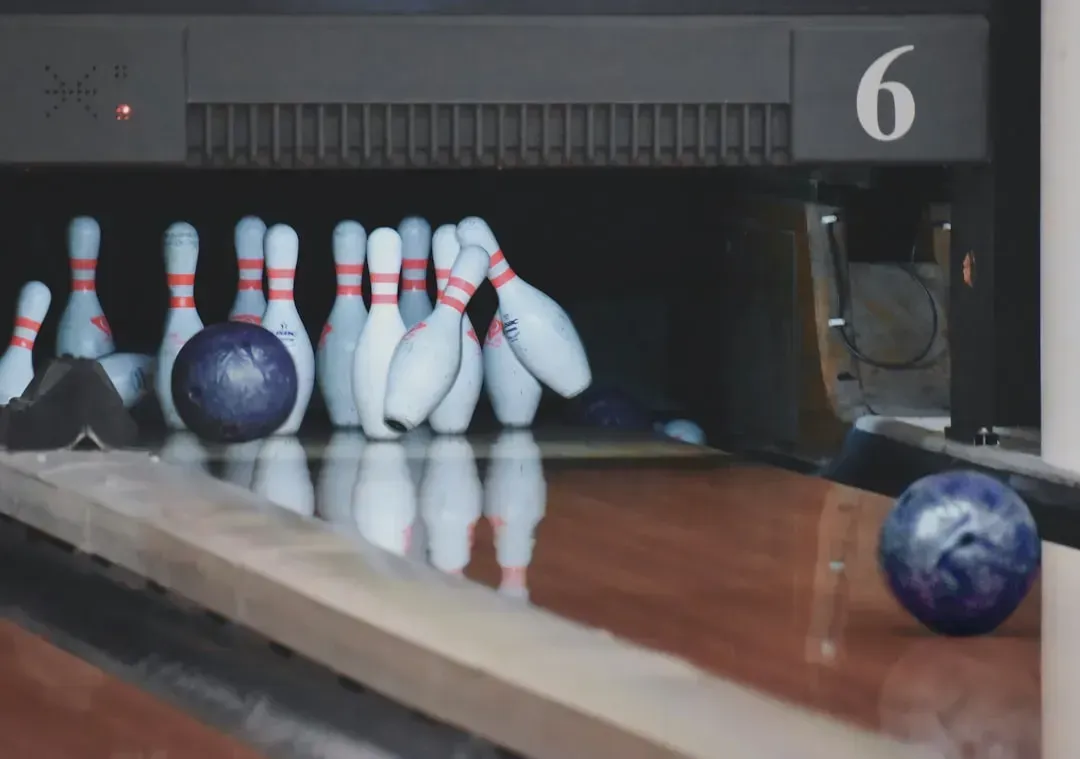
1. Joining a Weekly Bowling League (Image Credits: Unsplash)
For decades, league bowling was the lifeblood of suburban social life, with millions of Americans rolling strikes at the local alley each week. It wasn’t just a sport. It was a standing social commitment, a weekly ritual with coworkers, neighbors, and friends. You had a team, a schedule, and somewhere to be every Thursday night.
USBC membership declined from a peak of nearly 10 million in the 1970s and 80s to approximately 1.4 to 1.5 million in recent years. Many bowling alleys that once hosted multiple leagues nightly are struggling to find just one or two teams to fill their lanes each week. For younger generations, a casual game is still an option, but the organized, recurring league model has largely faded from daily life.
2. Writing Handwritten Letters
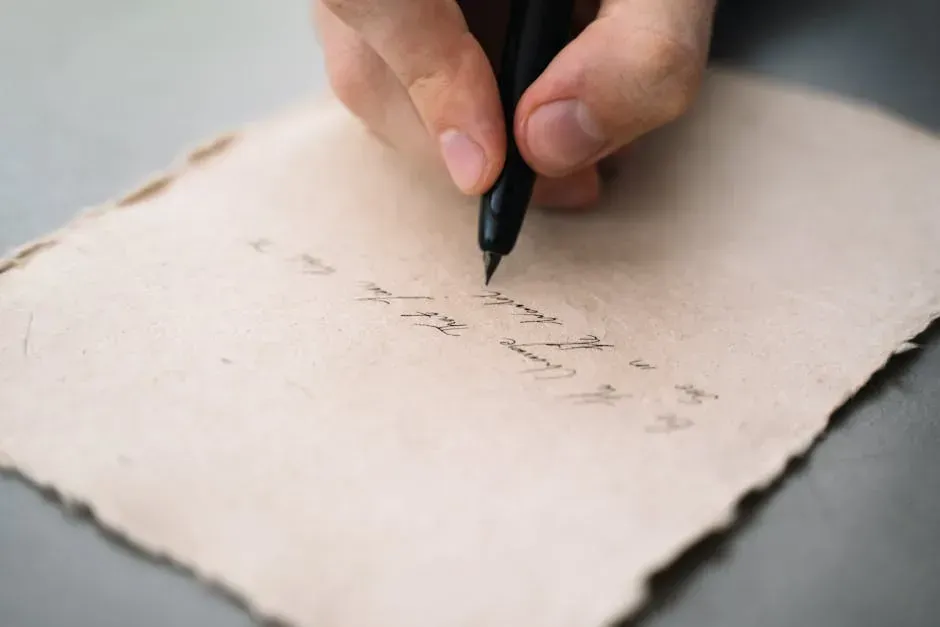
2. Writing Handwritten Letters (Image Credits: Pexels)
Boomers came of age writing thank-you notes, savored pen pal relationships, and saved meaningful letters. The ritual included picking out paper, selecting a pen, and composing messages that were treasured by receivers. After a long day at work, sitting down to write a proper letter wasn’t considered unusual. It was how you stayed connected to people who mattered.
Personal letters on pretty stationery used to be an art that literally linked friends and loved ones across the miles. First-class mail peaked in 2001 at 103.7 billion pieces but dropped to 52.6 billion in 2020, according to USPS data. Boomers grew up exchanging heartfelt letters in ink, but today that practice is nearly obsolete, with email, instant messages, and social media wiping out the ritual of choosing stationery and waiting days for replies.
3. Watching the Nightly News as a Household Ritual
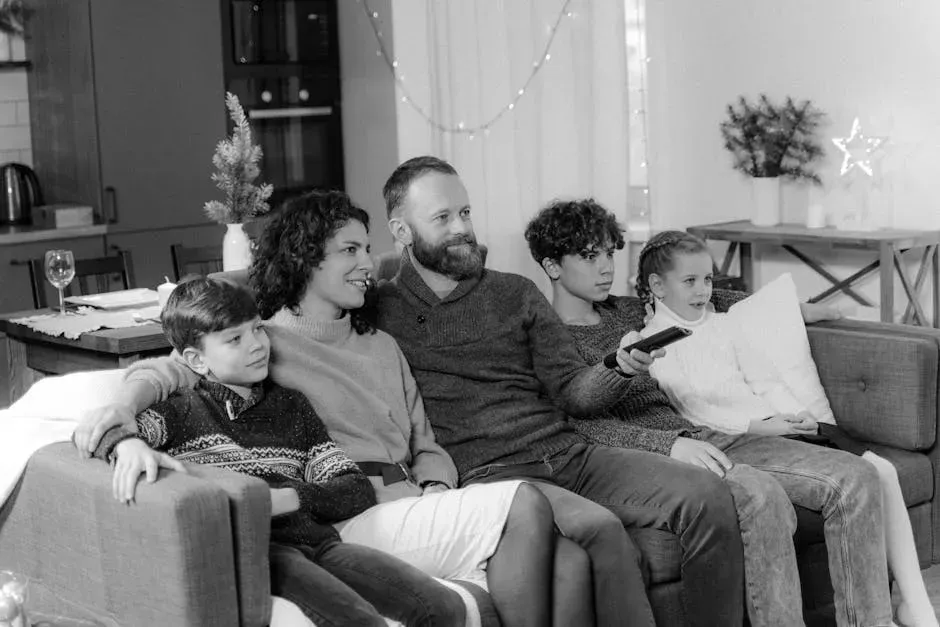
3. Watching the Nightly News as a Household Ritual (Image Credits: Pexels)
Boomer evenings were spent in various social activities, but nighttime also included watching the nightly news after dinner and then late night talk shows just before the three TV networks shut down for the day. There was a shared cadence to it. Everyone in the household tuned in at the same time because that was simply when it aired.
Picture a living room where the whole household watches the same show because there are only a few choices. That simple limit created shared attention in a way many families rarely feel now. It was common practice for families to gather around the TV to watch television programs in real time. With streaming and DVRs now allowing for any-time viewing, the idea of planning your evening around a TV schedule feels restrictive.
4. Dropping By a Neighbor's House Unannounced
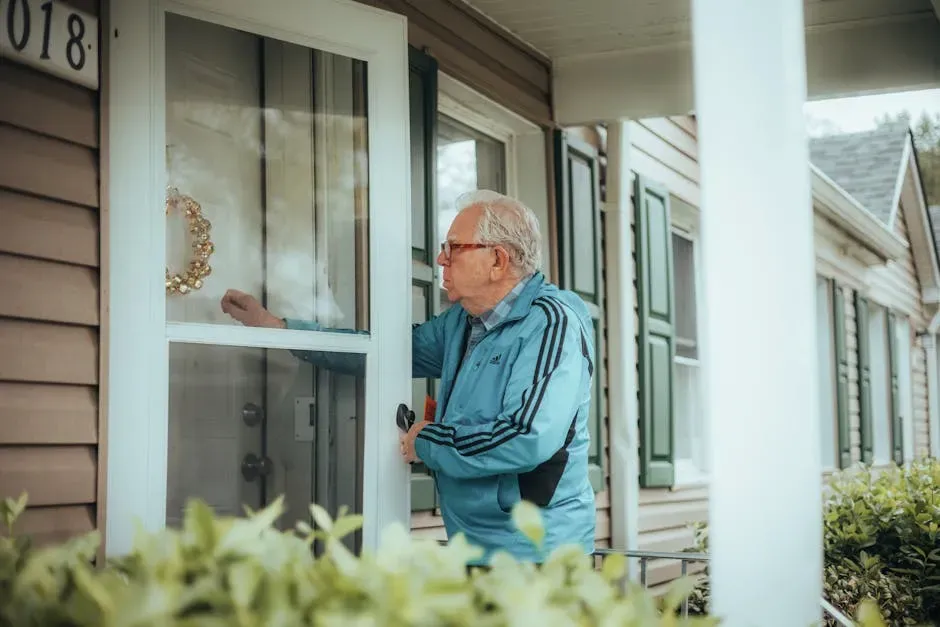
4. Dropping By a Neighbor's House Unannounced (Image Credits: Pexels)
Baby Boomers grew up in an era where knowing your neighbors and lending a helping hand wasn’t optional – it was the norm. After work, it was perfectly ordinary to knock on a neighbor’s door, step inside, and sit down for coffee without a calendar invite. The idea that you might need to schedule that kind of visit three weeks in advance would have struck most boomers as genuinely strange.
Growing up, that was just how socializing worked. You showed up, you had coffee, you caught up. Dropping by meant you were thinking of someone enough to change your route, to take time out of your day. It was spontaneous connection, not another thing to schedule. Today, an unannounced visit is more likely to cause mild anxiety than warm feelings of welcome.
5. Going Out Dancing After Work

5. Going Out Dancing After Work (Image Credits: Pexels)
Boomer evenings were spent in various social activities, including dancing the night away at the local disco. Disco, swing, two-step, line dancing – there was a cultural expectation that adults went out and moved to music together. The dance floor was a normal part of social life, not something reserved for special occasions or bachelorette parties.
Disco, swing, two-step, and line dancing were part of everyday social life. People learned a few steps and got on the floor. You didn’t need to be good to have a good time. For many millennials and Gen Z, dancing in a public social setting carries a level of self-consciousness that simply didn’t exist in the same way for boomers, for whom the floor was always open.
6. Joining Civic Clubs and Community Organizations
6. Joining Civic Clubs and Community Organizations (Image Credits: Unsplash)
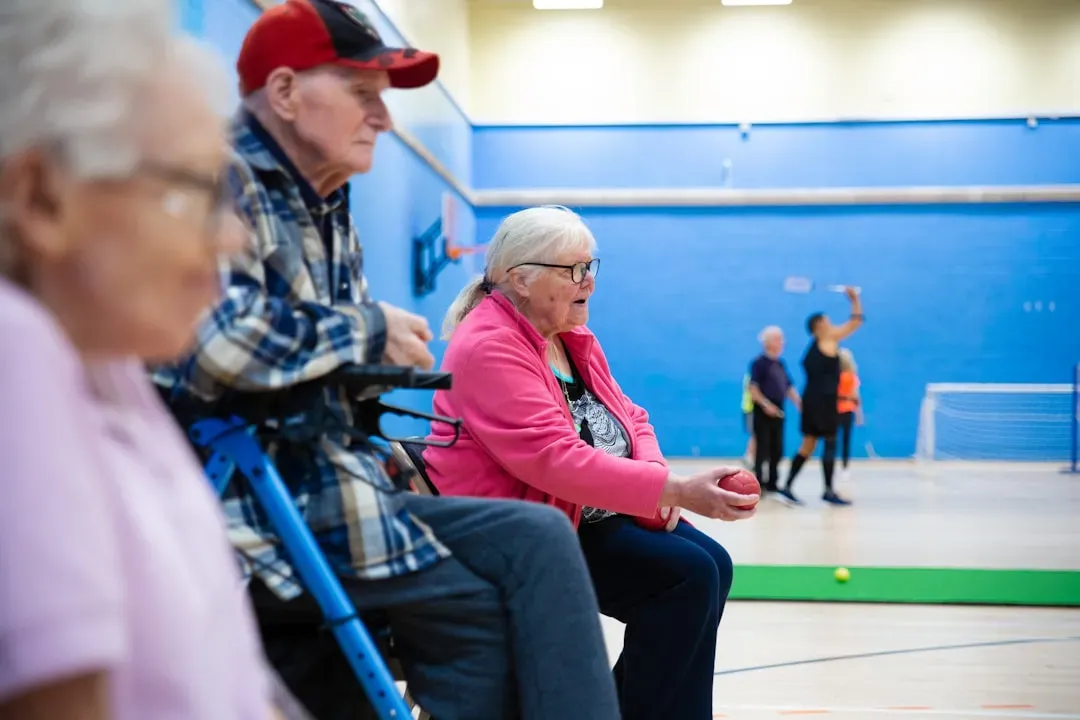
In the 1960s and 1970s, boomers joined local clubs for everything from bridge nights to model train enthusiasts. These were vibrant places where deep friendships formed and neighbors interacted daily. As time pressures, suburban sprawl, and digital entertainment took over, local civic groups began to disappear. Groups like the Elks Lodge, Rotary Club, or local garden societies weren’t considered stuffy. They were just where people went.
More Americans are now opting out of group activities, leading to a breakdown of communal life that boomers once enjoyed. These clubs weren’t just for fun; they were vital to maintaining social capital, which is clearly harder to build on social media sites. As younger generations adopt different habits and forms of entertainment, many traditional Boomer-era hobbies are seeing aging membership bases and fewer places dedicated to keeping them alive.
7. Reading the Newspaper or a Physical Book to Unwind

7. Reading the Newspaper or a Physical Book to Unwind (Image Credits: Pexels)
Before smartphones, Baby Boomers would read newspapers, magazines, and novels to unwind. Now, Americans’ reading for pleasure has plummeted on a given day. After dinner, sitting in a chair with the evening paper or a paperback wasn’t a productivity hack or a wellness goal. It was simply what you did to decompress.
Music used to take up space on shelves, records leaned against each other, cassettes clicked in plastic cases, and your collection was visible to anyone who walked in. Holding music changed the relationship to it. The same applied to physical books and papers – there was a tactile, deliberate quality to the experience that a phone screen can’t quite replicate. Reading for leisure has declined measurably in the decades since boomers held the national attention.
8. Hosting or Attending a Neighborhood Potluck
8. Hosting or Attending a Neighborhood Potluck (Image Credits: Pexels)
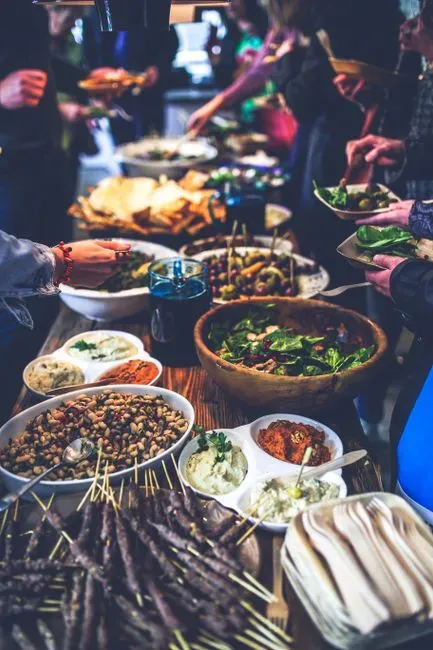
Boomers knew how to feed a crowd without complicating it. One person handled a big pot of something cozy, another brought salad, someone else showed up with a cake that leaned sideways in the car. You didn’t wait for the perfect space. You used the one you had. The potluck was the unspoken backbone of neighborhood social life. Low stakes, high warmth.
Once-common boomer traditions included families gathering nightly for dinner together. These meals offered an opportunity to reconnect after busy days and share stories. Now, with varied schedules, takeout dinners, and packed extracurriculars, many families rarely eat at the same time. The informal communal meal – whether among neighbors or within a family – has become a more deliberate, less spontaneous event for younger generations.
9. Listening to Full Vinyl Albums From Start to Finish
9. Listening to Full Vinyl Albums From Start to Finish (Image Credits: Unsplash)
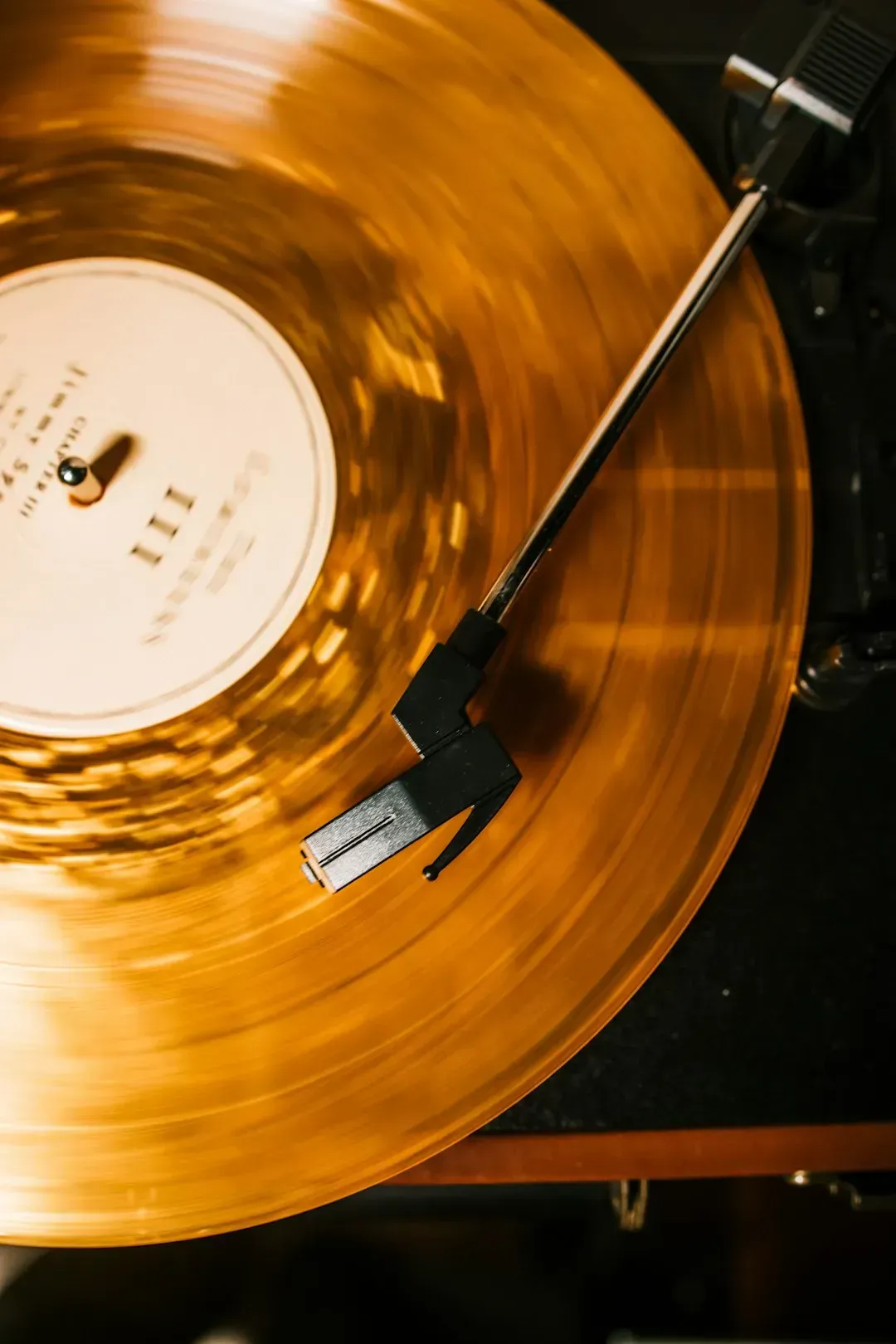
Boomers played full albums on turntables, savoring side A to side B. Part of the love was the ceremony: selecting the record, dropping the needle, listening uninterrupted. Digital music is convenient but lacks that physical connection. The fade of vinyl changed how we experience music. This was a genuine after-work routine – not as a retro affectation but as the only way music worked.
You looked at album art, read liner notes, and learned the names of band members because the information was right there in front of you. That kind of focused, single-purpose listening is nearly extinct today. Streaming has made music ubiquitous and effortless, which is a trade-off. You gain access to everything, but you lose the ritual of sitting down to hear something all the way through.
10. Taking a Leisurely Evening or Sunday Drive
10. Taking a Leisurely Evening or Sunday Drive (Image Credits: Pexels)
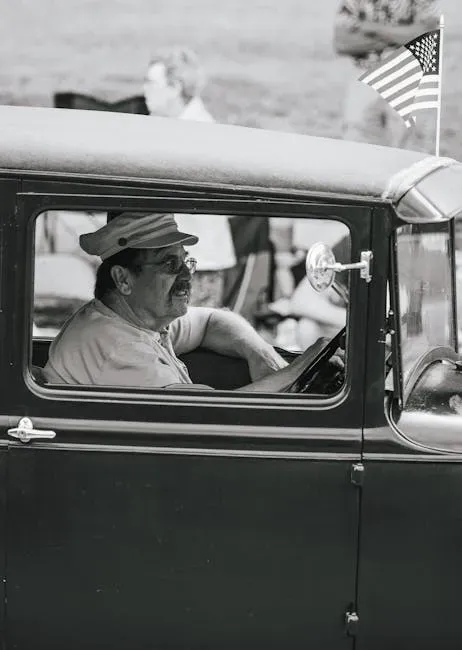
A calm ride through town or countryside was a staple boomer tradition for family bonding. With gas costs, busy lives, and ride-sharing apps, leisurely drives have lost their appeal. Yet those slow Sunday trips sparked conversation and simple exploration. There was no destination required. The point was the movement, the conversation, and the shared time.
Many millennials and Gen Z have never known that feeling of spontaneous discovery. It’s a faded tradition worth reviving for nostalgic connection. In an era where every trip tends to be mapped, optimized, and purposeful, the idea of driving somewhere simply because the evening is pleasant feels quietly radical. For boomers, it was just Tuesday.
What stands out across all ten of these habits is that none of them required a plan, an app, or a subscription. They were unhurried, low-tech, and deeply social in the most ordinary sense. Whether or not any of them deserve a comeback is a personal call, but it’s worth pausing to notice what quietly disappeared – and what filled the space left behind.