
There’s a particular kind of quiet confidence that settles into a long marriage. It’s not loud or dramatic. You’ll catch it in a shared glance across a dinner table, or in the way one partner finishes the other’s thought without trying. For many couples, the passing of years doesn’t erode what they built together. It deepens it.
The popular notion that marriages inevitably fade is worth questioning. Robust literature links being married to better physical and mental health outcomes, with studies consistently showing long-term rather than short-term benefits to well-being. What the research increasingly confirms is that many marriages don’t just survive the years. They genuinely grow. Here are ten signs yours is doing exactly that.
1. Conflict Feels Less Like a Battle and More Like a Conversation
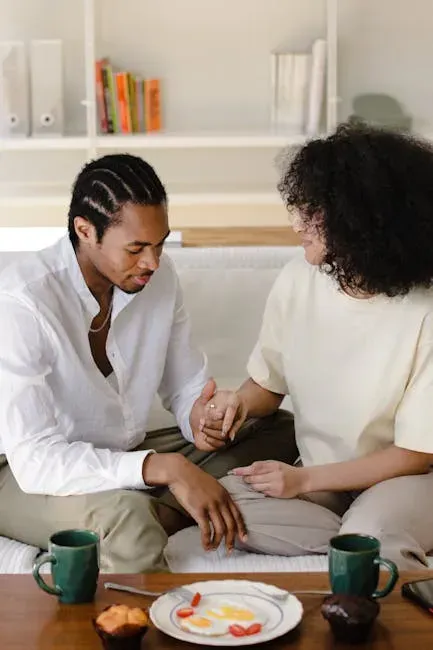
1. Conflict Feels Less Like a Battle and More Like a Conversation (Image Credits: Pexels)
Early in most marriages, arguments can feel high-stakes and emotionally charged. With time, many couples develop a very different relationship with disagreement. One of the proven benefits of a long-lasting marriage is the development of skills in negotiating conflict. That skill doesn’t arrive automatically. It’s built through hundreds of small moments of choosing understanding over winning.
In a study of over one thousand long-term coupled individuals, the top three conflict resolution strategies were listening, avoiding unnecessary confrontation, and communicating well. When you notice that your disagreements end faster and with less residual tension than they once did, that’s not complacency. That’s growth.
2. You've Stopped Keeping Score

2. You've Stopped Keeping Score (Image Credits: Pexels)
Scorekeeping is one of the quieter corrosives in early marriages. Who did the dishes last, who apologized first, who compromised more. Over time, couples who are truly strengthening together tend to let this mental ledger go. Research shows that commitment acts to preserve the pillars of marriage in critical situations, while intimacy helps construct marital identity and a genuine sense of togetherness.
Positive communication patterns, including active listening, expressing appreciation, and discussing problems constructively, create emotional safety and help partners feel understood and valued. Couples who regularly engage in positive communication maintain higher satisfaction levels and recover more quickly from conflicts. When fairness stops being a competition and starts being a shared instinct, something important has shifted.
3. Gratitude Has Become a Daily Habit
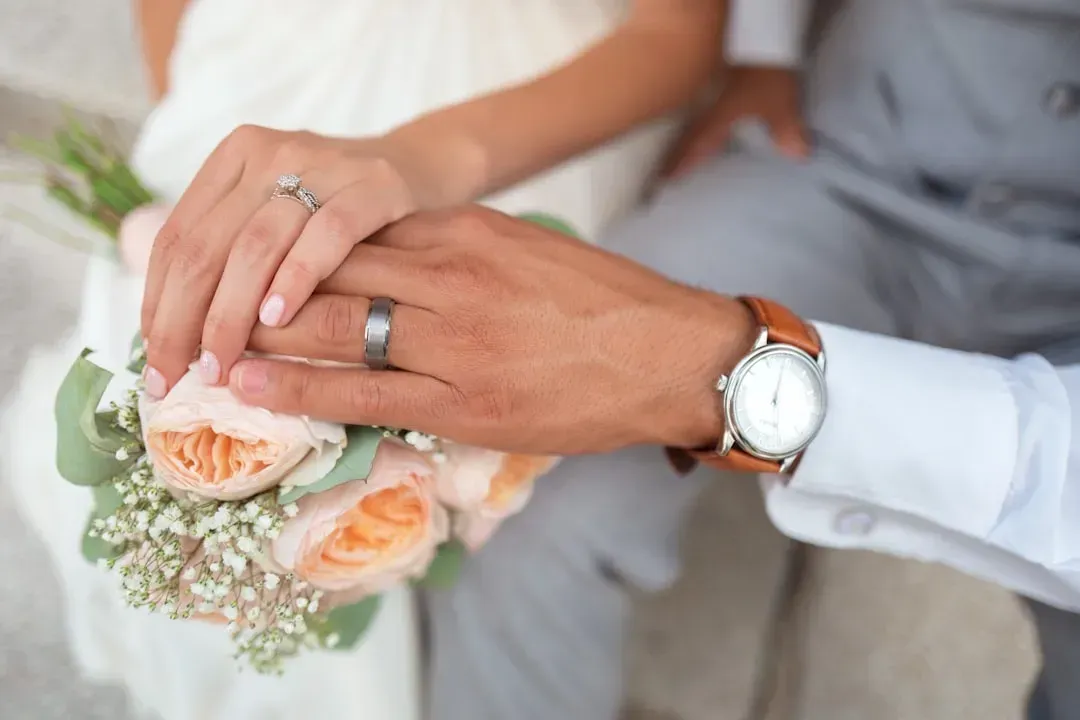
3. Gratitude Has Become a Daily Habit (Image Credits: Unsplash)
Gratitude in a long marriage isn’t grand or performative. It shows up in small, repeated gestures: a thank-you that means it, noticing when your partner does something thoughtful without being asked, pausing to acknowledge what you still appreciate. A study from the University of North Carolina found that couples who express gratitude regularly are more likely to experience increased intimacy and happiness.
Expressing appreciation for the small things a partner does daily reinforces positive feelings and mutual respect. Regularly sharing compliments, gratitude, and fond memories helps maintain the emotional connection that supports intimacy over the long term. If gratitude has quietly become part of how you two operate, that’s a reliable marker of a marriage that’s aging well.
4. You Genuinely Enjoy Each Other's Company
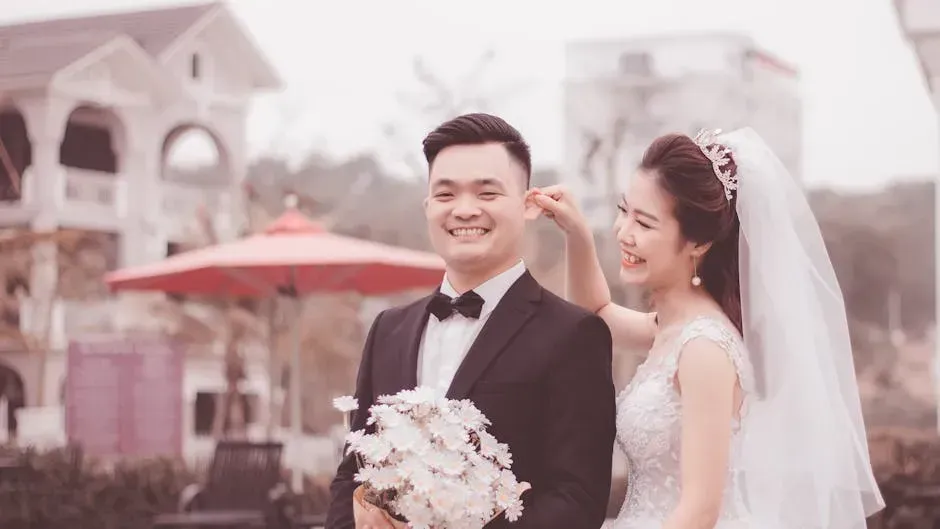
4. You Genuinely Enjoy Each Other's Company (Image Credits: Pexels)
This one sounds obvious, but it’s actually quite specific. Enjoying someone’s company is different from tolerating their presence or simply being used to them. Friendship is often the foundation of strong long-term marriages. Enjoying each other’s company, sharing routines, and offering emotional support strengthen the bond in ways that outlast early romance.
Long-term marriages don’t stay strong by accident. Couples married for decades who report high satisfaction tend to share a set of daily habits that protect emotional connection, and relationship psychology research shows that how couples interact day to day matters far more than personality compatibility or shared interests alone. If an ordinary Tuesday afternoon with your spouse still feels like good company, that’s worth noticing.
5. Shared Humor Is a Natural Part of Your Dynamic

5. Shared Humor Is a Natural Part of Your Dynamic (Image Credits: Pexels)
Laughter in a long marriage is more than pleasant. It’s functional. Inside jokes accumulate over decades into a kind of private language, one that signals safety, ease, and genuine affection. Surveys show that a clear majority of married couples say that shared humor increases their emotional connection. That’s a notable figure, and it aligns with what many long-married couples themselves report.
Decades of research show that happy marriages maintain a high ratio of positive to negative interactions, and positive interactions include kindness, humor, encouragement, and validation. When you and your partner can still make each other laugh, especially during difficult stretches, you’re drawing on one of the most durable forms of connection there is.
6. You've Developed a Quieter, Deeper Kind of Intimacy

6. You've Developed a Quieter, Deeper Kind of Intimacy (Image Credits: Unsplash)
Physical intimacy in a long marriage often evolves rather than simply diminishes. What changes isn’t necessarily the closeness, but its texture. Over three-fifths of married adults say emotional closeness is essential to a happy marriage, and couples who engage in daily affectionate touch report stronger bonds and lower stress. Happy couples tend to view intimacy as an ongoing conversation, not a fixed state.
Research has found that couples who engage in regular affectionate behavior report stronger emotional bonds and greater relationship satisfaction. The release of oxytocin during these interactions enhances both physical and emotional closeness. When non-sexual affection, a hand held, a quiet embrace, an unhurried morning, feels natural and frequent, intimacy hasn’t faded. It’s found a more sustainable form.
7. You've Built a Shared Language Around Your History

7. You've Built a Shared Language Around Your History (Image Credits: Pexels)
Long marriages accumulate a kind of shared archive. Places, stories, inside references, a particular trip that became a touchstone, a difficult year you came through together. According to a study published in the Journal of Happiness Studies, shared experiences and mutual support contribute significantly to relationship longevity and overall well-being. Those shared experiences aren’t just memories. They’re the connective tissue of a lasting partnership.
Nostalgia can be a powerful tool for rekindling connection. Spending time reminiscing about meaningful moments together, whether a first trip, a challenge overcome, or an ongoing inside joke, helps couples reconnect emotionally and create new memories to cherish. When you and your partner can revisit your shared story with warmth rather than ambivalence, that’s a meaningful sign of health.
8. Your Emotional Well-Being Is Genuinely Intertwined
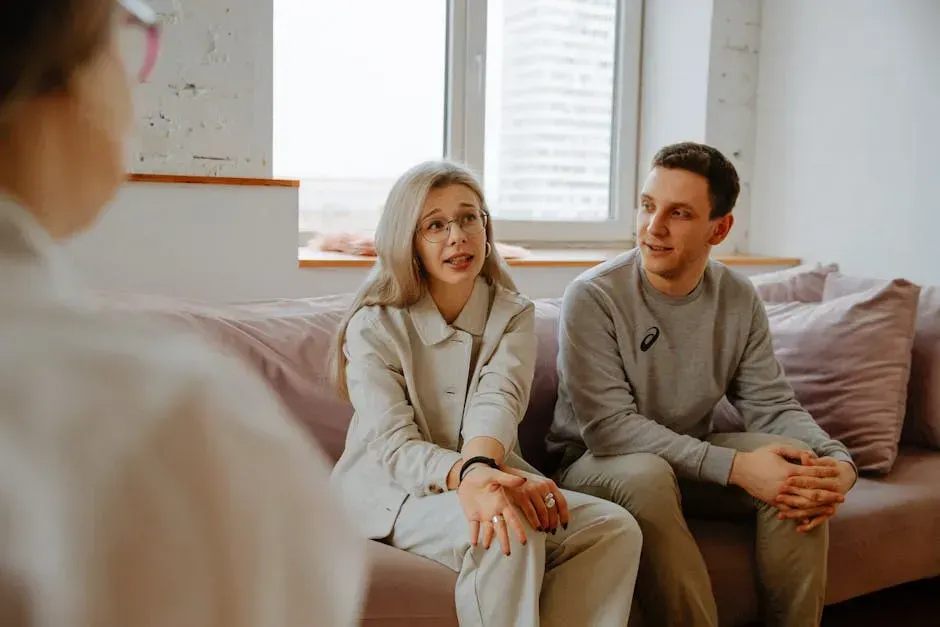
8. Your Emotional Well-Being Is Genuinely Intertwined (Image Credits: Pexels)
Strong marriages, over time, tend to create a kind of mutual emotional regulation. Partners learn to read each other’s moods with precision, to offer support at the right moment, and to weather difficulty with a sense of shared resource. Gallup data from 2020 to 2023 shows that marital status is a stronger predictor of well-being for American adults than education, race, age, and gender.
Researchers from Carnegie Mellon University found that married people face less psychological stress than their single counterparts, and married people have lower levels of cortisol, the stress hormone that, when produced in excess, can contribute to inflammation and chronic disease. When you find yourself genuinely calmer, more grounded, because your partner is present, that physiological reality tells its own story about how deep the bond has grown.
9. Older Conflicts No Longer Have Power Over You
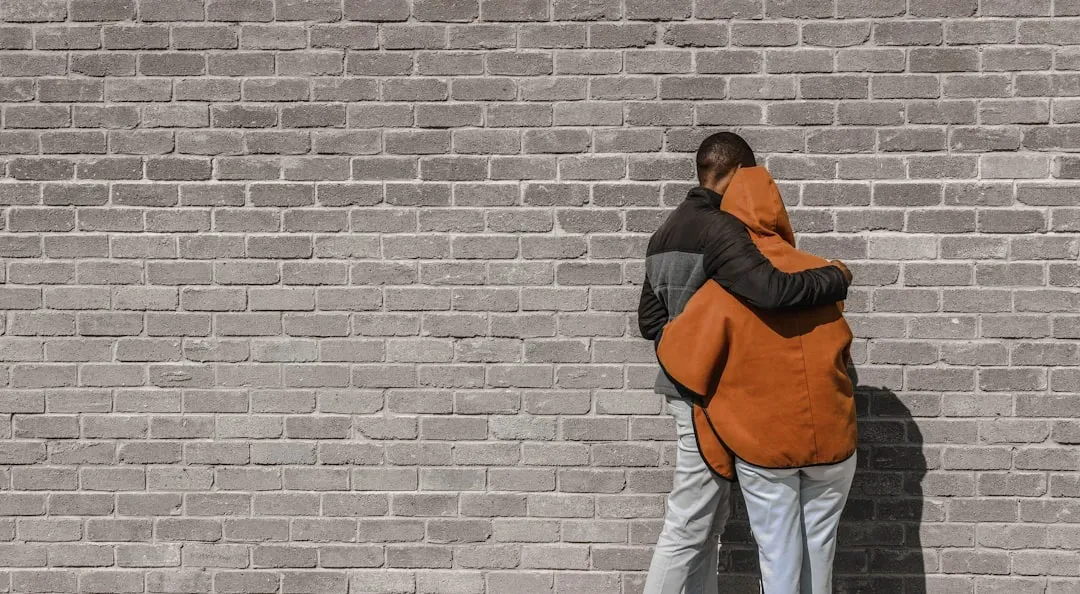
9. Older Conflicts No Longer Have Power Over You (Image Credits: Unsplash)
Every long marriage carries some old scar tissue: arguments that weren’t fully resolved, misunderstandings from years ago, patterns that took time to break. What separates growing marriages from stuck ones is what happens to those old wounds over time. Research findings support a positive view of older marriages, showing that compared with middle-aged couples, older couples evidence reduced potential for conflict and greater potential for pleasure in several areas of life.
One hallmark of strong marriages in later years is the ability to let go. Couples who thrive often choose peace over perfection, understanding that holding onto old grievances only diminishes joy. Forgiveness, humor, and perspective play a critical role. When you realize that old arguments no longer hold the same charge, it usually means the relationship has genuinely moved forward, not just past them.
10. You're Still Actively Choosing Each Other
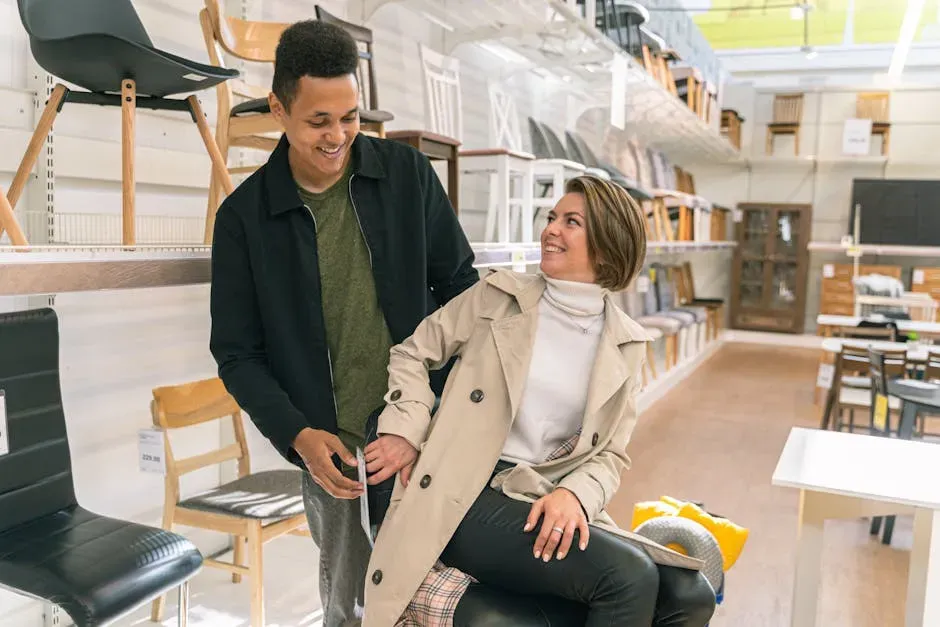
10. You're Still Actively Choosing Each Other (Image Credits: Pexels)
Perhaps the clearest sign of a marriage growing stronger with age is also the simplest: both partners are still making a choice. Not out of obligation, not from inertia, but from something more deliberate. Cohabitors often stay together less as an intentional choice and more for convenience, while the intentional lifelong commitment of marriage may explain why it offers more enduring benefits. Choice, renewed regularly, is what keeps a marriage alive.
Love and marriage in the long run are defined less by obligation and more by choice. Couples who continue to choose patience, kindness, and connection find that their bond grows deeper with each passing year. That daily choosing, sometimes quiet, sometimes deliberate, is the engine behind every other sign on this list. A marriage that keeps growing is one where both people keep deciding it’s worth growing toward.
None of these signs require a perfect relationship. They require an honest one, where two people are genuinely investing in something larger than either of them. The years, it turns out, have a way of rewarding that kind of effort.