
Talk to someone who grew up in the 1950s or 60s about what “family” means, and you’ll likely hear a pretty consistent set of answers: Sunday dinners, lifelong marriages, faith, caregiving as a duty, children as a given. These weren’t just habits. They were organizing principles for entire lives. The question now, in 2026, is how many of those principles are actually holding, and how many are quietly slipping away as younger generations come of age in a very different world.
The short answer is: it’s genuinely mixed. Some values are more durable than the headlines suggest. Others are clearly fading. What follows is a look at five family values that older Americans still hold close, followed by three that younger adults are measurably, meaningfully letting go of.
Marriage as a Social and Personal Priority

Marriage as a Social and Personal Priority (Image Credits: Unsplash)
Roughly forty-four percent of seniors aged 65 or older say a society that prioritizes marriage and child-rearing is better off, while only about one in four young adults aged 18 to 29 says the same. That's not a small gap. It reflects a genuine philosophical divide about whether marriage carries social weight beyond the two people in it.
Roughly three-quarters of young adults believe society is just as well off if people pursue other goals rather than building families through marriage. Older Americans, by contrast, largely still see marriage as the foundational unit of a healthy community, not just a personal lifestyle choice. Senior men are about twice as likely as young men to say that society is better off when marriage and child-rearing are priorities.
Faith as a Family Anchor

Faith as a Family Anchor (Image Credits: Pexels)
For older Americans, religious practice and family life have long been deeply intertwined. Going to church together, praying before meals, marking life events through religious ceremony – these weren't separate activities; they were part of the same fabric. Fewer than one in three young adults say they attended religious services with their family at least weekly while growing up, compared to more than half of seniors who say the same.
While roughly fifty-four percent of adults aged 54 and older say they pray daily, only about thirty-one percent of those aged 24 to 34 do so, and even fewer among those aged 18 to 24. The connection between faith and family remains strong among seniors, who consistently place religious life among the values they'd urge younger people to maintain. About seven percent of older Americans specifically offered faith-related advice to younger people, mentioning prayer, church attendance, or living a spiritual life.
Multigenerational Caregiving as a Duty
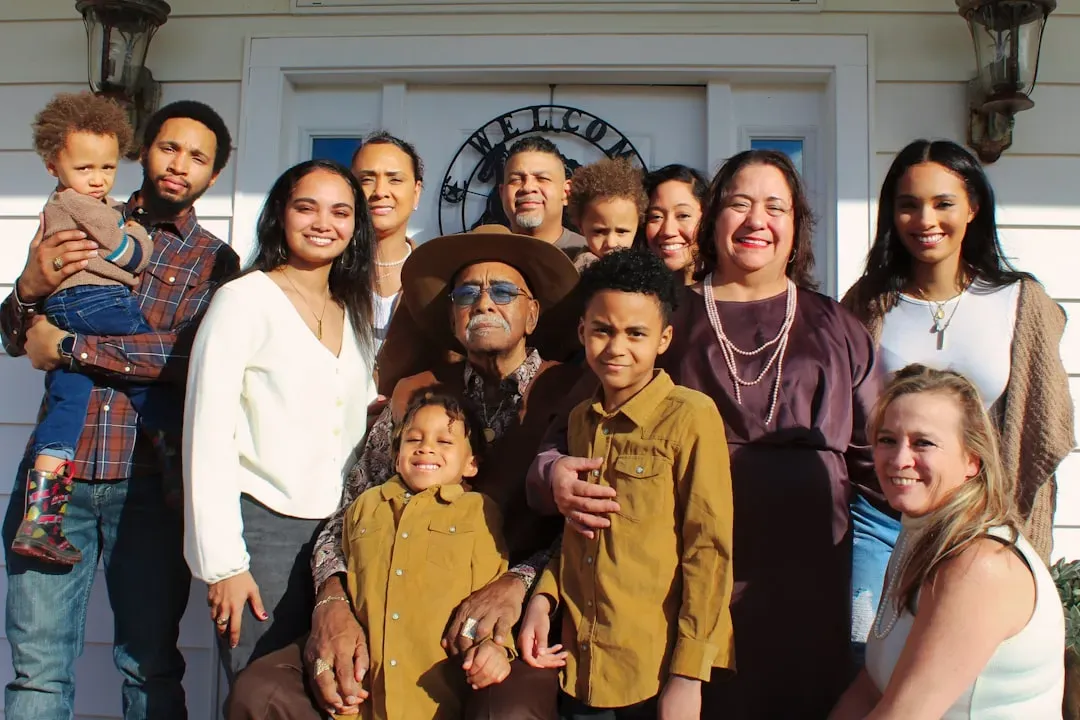
Multigenerational Caregiving as a Duty (Image Credits: Unsplash)
Older Americans grew up in a culture where caring for aging parents within the family home was simply expected – not optional, not a burden to be managed, but a natural return of the care that was given to you. That value has real staying power among seniors, many of whom still see family-based support as the right way to handle aging. In millions of multigenerational homes, grandparents are also helping care for their grandchildren directly, and an increasing number serve as primary or secondary caregivers, according to U.S. Census Bureau data.
Multigenerational homes represented seventeen percent of housing purchases in 2024, a record number for that segment. The motivation is often both economic and care-driven. Roughly one quarter of Americans now make up the "sandwich generation," adults who may be responsible for supporting both their aging parents and their children financially, physically, or emotionally. For older Americans, this kind of layered obligation feels right. For many younger adults, it feels complicated.
Parenthood as a Life Goal, Not Just an Option
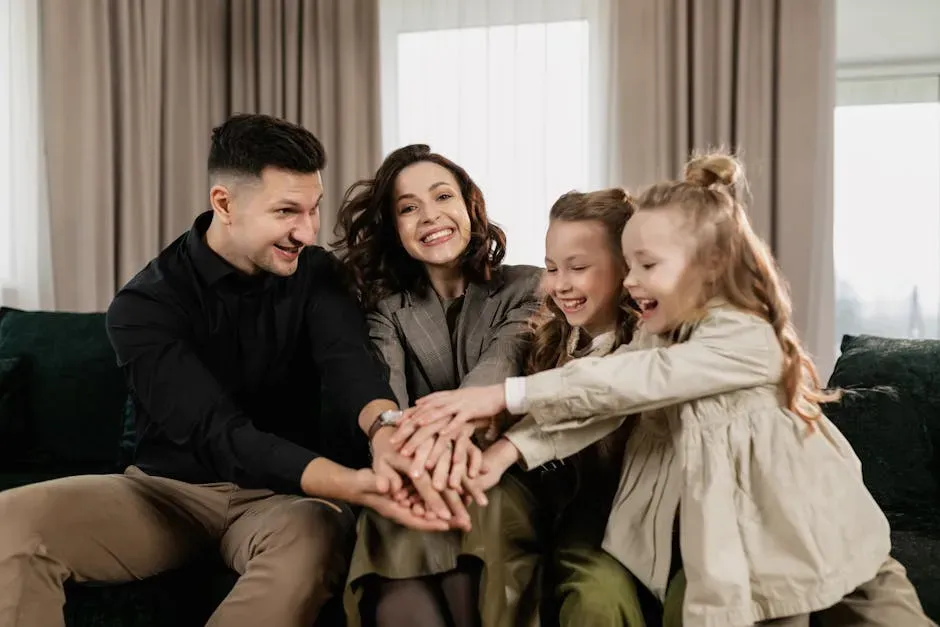
Parenthood as a Life Goal, Not Just an Option (Image Credits: Pexels)
For the generation that came of age in mid-20th century America, having children wasn't really debated. It was the default path and, for most, a deeply held aspiration. Seniors today still broadly hold that view. Younger and older Americans increasingly disagree on the morality of certain behaviors, reflecting deep shifts in views about individuality, self-expression, and the role of community and faith.
Older adults tend to see parenthood as both personally fulfilling and socially necessary. They're also more likely to see declining birth rates as a genuine problem rather than simply a neutral demographic shift. Liberals and conservatives are sharply at odds over the societal importance of family formation, with a majority of conservatives believing society is better off when marriage and child-rearing are priorities, a view shared by only about one in five liberals. Among older Americans, this value is held widely, regardless of party affiliation.
Cherishing Time with Family Above Other Pursuits
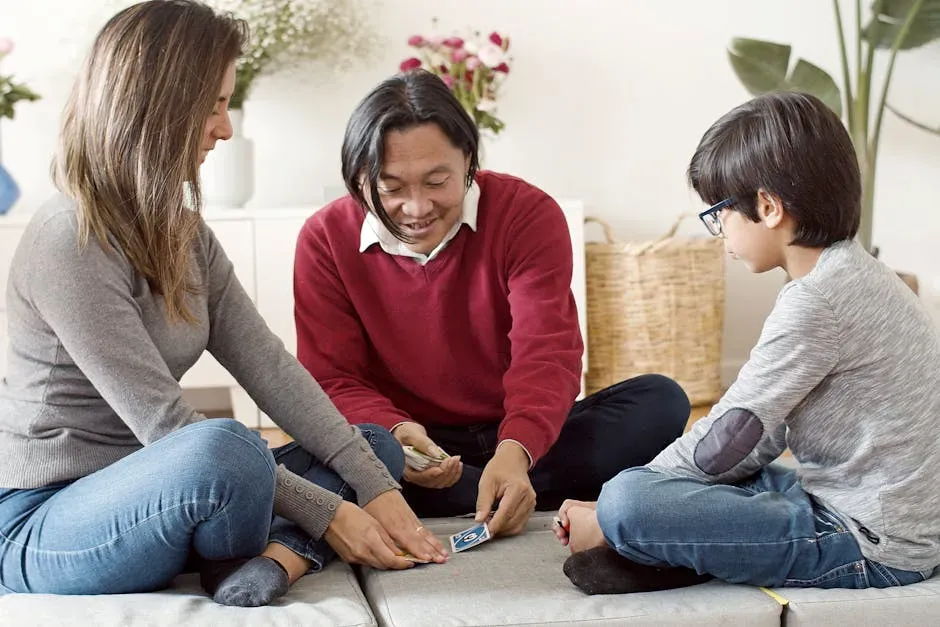
Cherishing Time with Family Above Other Pursuits (Image Credits: Pexels)
Ask older Americans what they wish they'd done more of, and the answers tend to cluster around people, not achievements. About a quarter of older Americans advise younger people to enjoy their life, cherish every moment, or live with gratitude. The emphasis on time – shared meals, phone calls, showing up – is something seniors mention again and again. About eleven percent of older adults specifically advised building a family and spending time with loved ones, or having good friends and an active social life.
This isn't nostalgia for its own sake. Research consistently shows that close family relationships are among the strongest predictors of well-being in later life. Health, financial security, and social support are the key factors to aging well, according to Pew's 2025 aging report. Older Americans who internalized the habit of prioritizing family connection often report it as their greatest source of stability and meaning.
The Value Marriage Holds for Society

The Value Marriage Holds for Society (Image Credits: Pexels)
Younger adults aren't anti-family. The research makes that clear. Millennials place greater emphasis on personal well-being alongside careers, and when asked to rate life goals, young adults placed parenthood and marriage above career and financial success – at least in the abstract. The issue is timing and urgency. Younger generations have been delaying marriage and children compared to earlier cohorts, with just under half of Millennials aged 25 to 37 married as of 2018, compared to about two-thirds of Boomers at the same age.
Delay, for many, has quietly become deprioritization. When marriage is perpetually "not yet," it increasingly doesn't happen at all. Younger adults are much more likely to view marriage as a personal milestone than a social institution, stripping it of the communal weight that older generations still assign to it. Younger adults continue to delay marriage or favor long-term partnerships without legal formalization.
Religious Identity Within the Family
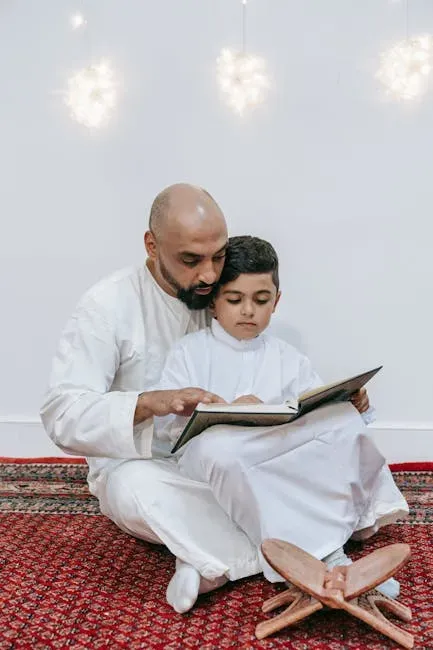
Religious Identity Within the Family (Image Credits: Pexels)
Religious practice as a shared family ritual is one of the values most clearly in retreat among younger generations. Young adults aged 18 to 29 are far more likely to have been raised without religion than seniors aged 65 and older – roughly one in five young adults report being raised with no particular religion, compared to only three percent of seniors. That foundational difference shapes everything downstream.
For years, generational turnover played a major role in America's religious decline: older, more religious generations were gradually replaced by younger cohorts that were significantly less religious. Younger cohorts also attend religious services less often compared with older generations and are less likely to express beliefs in God. While some recent data hints at a slight stabilization, the gap between older and younger Americans on religious family practice remains substantial and well-documented.
Traditional Gender Roles in Family Caregiving
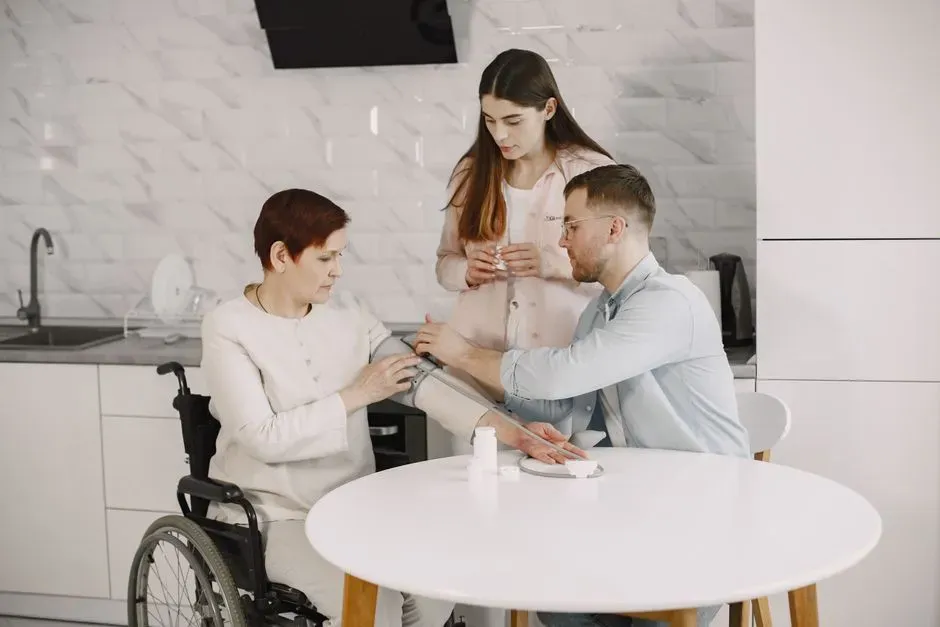
Traditional Gender Roles in Family Caregiving (Image Credits: Pexels)
The older generation's model of family caregiving was built on clear, if often unequal, role divisions: mothers as primary nurturers, fathers as providers, and children expected to eventually return the care they received. Younger adults are actively pushing back on these arrangements, especially around gendered expectations. Research on family values across generations shows that the younger generation is significantly less open to accepting traditional family values and conforming to established gender roles.
Parental childcare responsibilities frequently fall disproportionately to mothers. Among adults living with their spouse or partner and their younger children, fifty-six percent of mothers say they are usually the primary caretaker, compared with thirteen percent of fathers. Younger adults increasingly view this imbalance not as a natural arrangement but as an injustice to be corrected. The older model of unquestioned role division is one of the clearest generational fault lines in how Americans think about family today.
What's striking, when you pull back, is that the disagreements aren't really about whether family matters. Both generations say it does. The divide is about structure, obligation, and meaning – whether family is an institution with duties attached, or a personal choice shaped entirely by individual preference. That's a deeper philosophical split than any single survey statistic can capture, and it'll take more than a generation to fully resolve.