
There’s a moment most people recognize without quite being able to name it. You’re sitting around a table or standing in a familiar kitchen, and the conversation drifts naturally toward something that happened long before you were born. Someone older fills in a detail. A younger voice asks a question. Suddenly, the gap between generations feels smaller than it did five minutes ago.
What these moments have in common is continuity – the same practices repeated regularly, often over years or even generations, giving each family member a sense of stability and belonging. The rituals don’t have to be elaborate. Some of the most enduring ones are surprisingly ordinary. Here are nine that consistently draw .
1. The Weekly Shared Meal
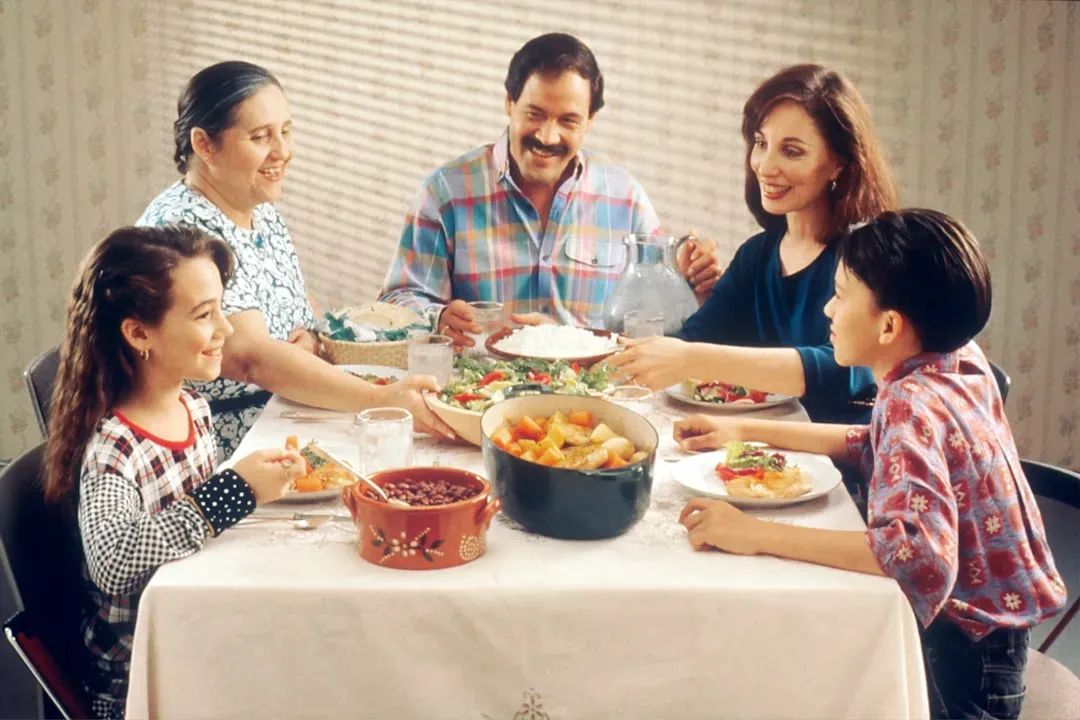
1. The Weekly Shared Meal (Image Credits: Unsplash)
Over the past two decades, scientific research has shown that sharing a family meal is one of the most powerful things families can do for the spirit, brain, and health of all members. Studies link regular family meals to resilience, higher grade-point averages, better nutrition, and lower rates of depression and substance use. The ritual of gathering at the table, specifically with older and younger generations present, adds another layer of benefit.
Older adults are particularly vulnerable to the effects of loneliness, and sharing meals with family has been shown to improve nutrition and keep aging adults physically and mentally healthier than dining solo. Research also indicates a strong positive correlation between how often people gather at the table and enhanced connectedness, reduced depressive symptoms, and an improvement in mood. A weekly dinner doesn't need a theme or a plan. It just needs to happen.
2. Grandparent Storytelling Sessions
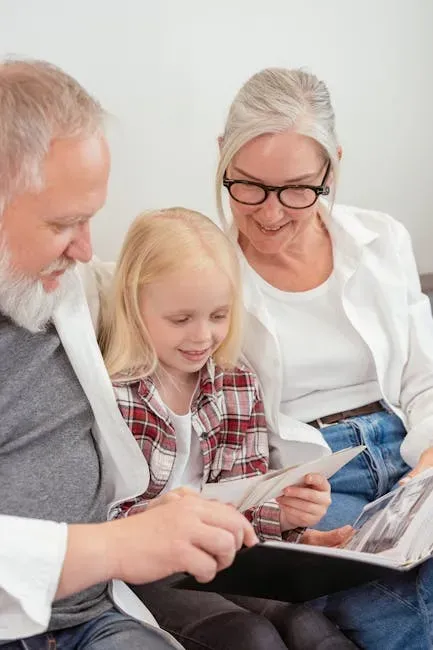
2. Grandparent Storytelling Sessions (Image Credits: Pexels)
Intergenerational storytelling is an age-old practice with immense value. It is more than just sharing tales – it is about passing down memories, lived experiences, and family narratives that shape the identity and values of the next generation. Children become more empathetic and grounded when they hear about the lived experiences of their elders, as these narratives create a sense of continuity and help young minds understand that they are part of a story much larger than their own.
Storytelling goes beyond surface-level conversation, fostering a deeper understanding among family members. By sharing stories regularly, families uncover shared values, experiences, and even personality traits that might otherwise go unnoticed. Younger generations begin to see their grandparents as individuals with rich histories, while older family members gain fresh perspectives from the reactions and questions of their grandchildren. Setting aside even one evening a month for this kind of exchange is enough to build something lasting.
3. Cooking Recipes Passed Down by Hand
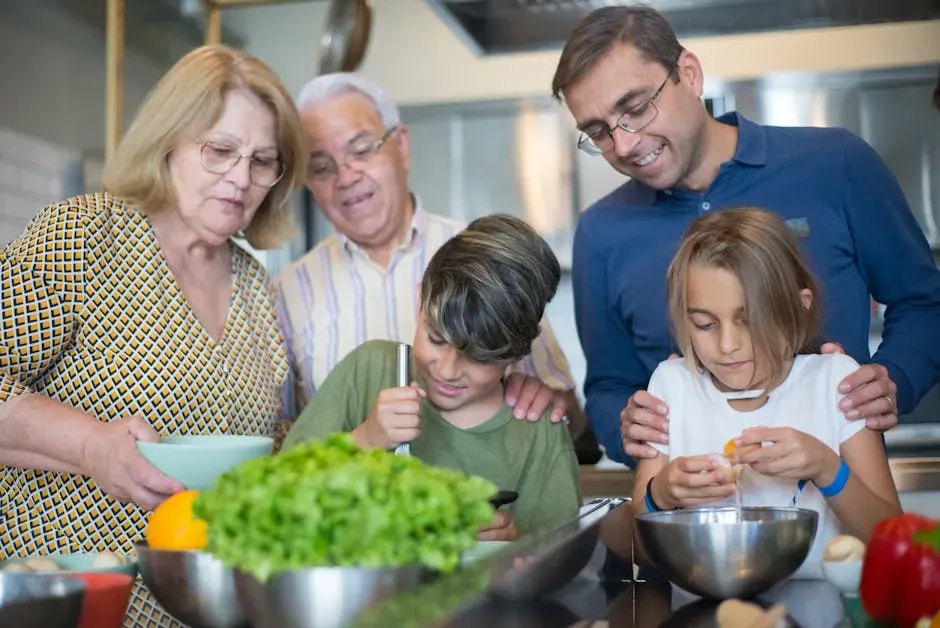
3. Cooking Recipes Passed Down by Hand (Image Credits: Pexels)
Cooking and baking are timeless activities that bring families together. Grandparents often have a treasure trove of recipes passed down through generations, carrying stories and traditions along with them. The act of making food side by side, measuring by feel rather than by the teaspoon, transfers something that no written recipe fully captures.
Rituals serve as a vehicle for transmitting values, beliefs, and cultural heritage across generations. A family recipe is one of the most tangible carriers of that heritage. This sense of belonging extends to cultural identity as well – a family that prepares a traditional dish for a holiday or celebration is also passing down the heritage of their ancestors. The kitchen becomes a classroom without any formal instruction taking place.
4. Creating a Family Memory Book Together

4. Creating a Family Memory Book Together (Image Credits: Pexels)
Making memory books with grandchildren gives families a chance to save meaningful details and share important moments. These hands-on projects capture stories, photos, and mementos that could otherwise be lost, creating lasting records of family history for future generations. The process of building the book is, in many ways, more valuable than the finished object itself.
Printed books, unlike digital photos hidden on devices, offer something children and grandparents can look through together. Each page helps everyone recall and reflect on the family's shared journey, making the history real and accessible for all generations. Creating memory books together can build a sense of belonging and deepen intergenerational relationships, making the benefits last well beyond the project itself.
5. Seasonal or Holiday Celebrations With Assigned Roles

5. Seasonal or Holiday Celebrations With Assigned Roles (Image Credits: Pexels)
Rituals often require cooperation between generations – grandparents guiding the steps, parents arranging the setup, and children learning the traditions. This interaction fosters respect, understanding, and love across age groups. Giving each generation a specific role during a holiday celebration, whether it's lighting candles, preparing a dish, or telling a particular story, transforms the event from a passive gathering into active participation.
Psychologists differentiate between routine activities and true rituals. Routines are just what families do out of habit, but rituals carry special meaning and emotion across generations – and that added meaning is what helps family members feel uniquely bonded. High rates of participation in meaningful family rituals have been shown to elicit significant emotional responses from participants, while simultaneously reinforcing familial bonds.
6. Regular Outdoor Activities Across Age Groups

6. Regular Outdoor Activities Across Age Groups (Image Credits: Unsplash)
Designating a day each week or month for a family outing, such as a hike, a picnic, or an at-home game night, creates excitement and something for children to look forward to, strengthening family unity. Engaging in shared leisure activities has been shown to enhance family cohesion and improve mental well-being in children. For older generations, these outings carry their own rewards.
Family traditions can have a profound effect on physical well-being. Engaging in shared activities encourages family members to adopt healthier lifestyles, and by collectively prioritizing fitness within the family unit, members can inspire one another to maintain active and health-conscious habits. A simple Sunday walk doesn't ask much of anyone, yet it tends to become one of the rituals people remember most vividly later in life.
7. A Gratitude Practice at the Dinner Table
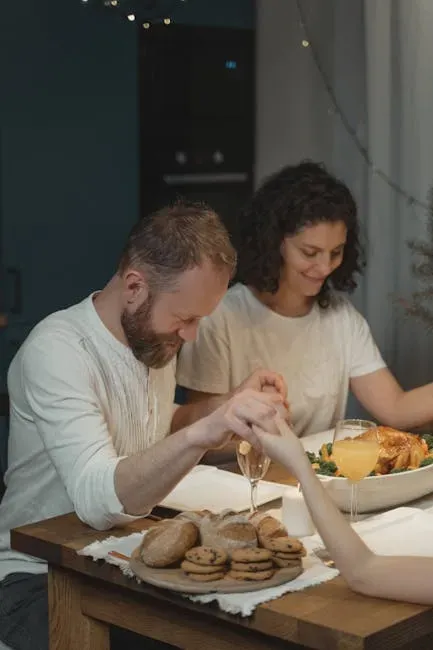
7. A Gratitude Practice at the Dinner Table (Image Credits: Pexels)
Incorporating gratitude rituals, such as sharing daily highlights at the dinner table or maintaining a family gratitude journal, helps children develop a positive mindset. Such practices encourage emotional intelligence and appreciation for family bonds. When older relatives participate, these small conversations reveal perspectives that younger family members rarely encounter otherwise.
In moments of stress or uncertainty, it is often the smallest traditions that children remember most – the ones that remind them they are loved, secure, and connected. Family traditions are powerful not because they are elaborate, but because they are consistent, meaningful, and shared. A single question asked at the dinner table each evening, something as simple as what was the best part of your day, can anchor a family across years and across generations.
8. Teaching Practical Skills Across Generations
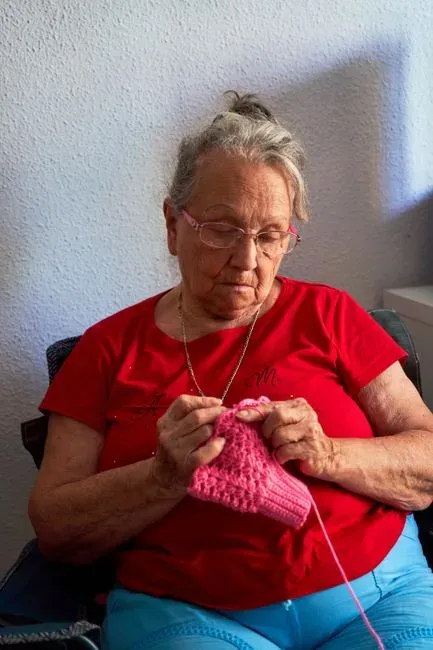
8. Teaching Practical Skills Across Generations (Image Credits: Pexels)
Intergenerational learning, where knowledge and skills are passed between generations, is a priceless exchange. For grandparents, this interaction strengthens their bond with their grandchildren and imparts valuable life skills that may not be as readily available in the modern world. From practical hands-on activities to life lessons grounded in experience, grandparents have much to offer.
Family heritage storytelling and skill-sharing foster intergenerational learning and respect. Younger family members learn to appreciate the experiences and wisdom of their elders, while older members are valued for their contributions. This reciprocal relationship enhances mutual respect and understanding, creating a more cohesive family unit. Teaching a grandchild to knit, fix a leaky faucet, or tend a garden plants something that carries far beyond the practical skill itself.
9. Bedtime Rituals That Extend Across Age Gaps
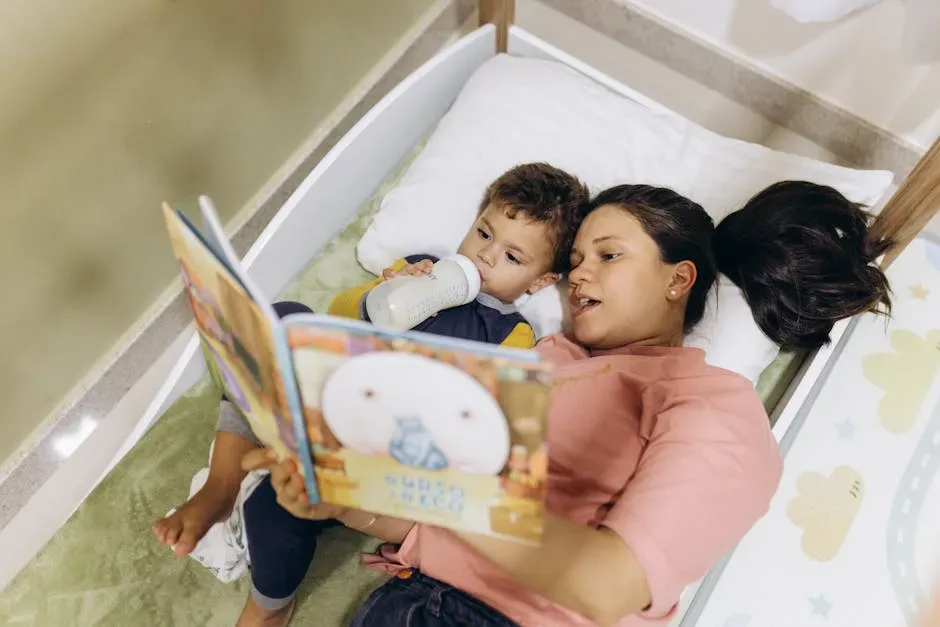
9. Bedtime Rituals That Extend Across Age Gaps (Image Credits: Pexels)
Rituals play a key role in helping children manage their emotions. Predictable family routines provide a structure for emotional expression, allowing children to navigate feelings of stress, frustration, or sadness in a healthy way. For example, a child who is feeling overwhelmed might benefit from a consistent evening check-in where they can voice their concerns and receive support from caregivers.
Rituals provide structure and predictability, which are especially important for children's sense of safety. Knowing that "we always have dinner together" or "we decorate the tree together every year" gives children a reliable rhythm in an otherwise unpredictable world. Research shows that children who experience regular family traditions, whether cultural celebrations or seasonal routines, tend to have higher self-esteem and better overall mental health. When a grandparent is the one reading the bedtime story or offering the evening blessing, those moments carry a particular warmth that stays with a child well into adulthood.
None of these rituals require a special occasion or a great deal of planning. What they share is something much simpler: a willingness to show up consistently, across generations, and to treat ordinary time as worth protecting. Family traditions are powerful not because they are elaborate, but because they are consistent, meaningful, and shared – and in a fast-paced world, they serve as reminders to slow down, connect, and celebrate being together.