
Most people don’t notice when stress stops being manageable. It happens gradually, almost politely, until one unremarkable Tuesday morning when getting out of bed feels like an act of will. That slow accumulation is what makes chronic stress so deceptive. It doesn’t announce itself with a single crisis. It just keeps adding weight.
Understanding the line between everyday pressure and a genuine breaking point matters more than most of us realize. As of August 2024, roughly a third of adults surveyed worldwide believed that stress was the biggest health problem in their country, the highest figure recorded in that timeframe. That’s not a fringe concern. It’s a widespread human experience that science is only beginning to fully map.
The Body's Stress System Was Built for Sprints, Not Marathons

The Body's Stress System Was Built for Sprints, Not Marathons (Image Credits: Pexels)
When you face a perceived threat, a tiny region at the brain's base called the hypothalamus sets off an alarm system, prompting the adrenal glands to release a surge of hormones such as adrenaline and cortisol. This response is remarkable engineering – fast, powerful, and well-suited to physical danger. The problem is that it was never designed for sustained, daily use.
When stress becomes chronic, it can contribute to serious risks including high blood pressure and cardiovascular damage. For many high-functioning people, this becomes the new normal. The body doesn't return to rest. It just stays braced. That bracing state is where long-term damage begins to accumulate quietly, below the surface of awareness.
Stress Is Storing Itself in Your Body

Stress Is Storing Itself in Your Body (Image Credits: Pexels)
Stress gets stored in the fascia, muscles, and connective tissue. Research in somatic psychology and body-based therapy shows that unprocessed emotional stress can create persistent areas of physical tension. These aren't imaginary complaints. They're measurable physiological responses to sustained overload.
The body tends to hold tension from stress in the neck, shoulders, and lower back. When stress is prolonged, these areas can feel stiff, sore, or shaky. Hypertension in the neck and shoulders can lead to headaches and migraines, often referred to as tension headaches, which can also impact vision through acute sensitivity to light. Most people reach for ibuprofen without considering that the real source of the pain is something they're carrying mentally.
The Tipping Point: From Coping to Not Coping

The Tipping Point: From Coping to Not Coping (Image Credits: Pexels)
Research highlights that the negative consequences of stressors depend on the individual's perception of the demands and their ability to cope with those demands. At the point when perceived demands exceed an individual's coping resources, the individual transitions into what has been described as a threat state. This shift is rarely dramatic. It tends to feel more like fog than a wall.
Many participants in stress research described reaching a critical tipping point after which their coping strategies failed, marking a breakdown in the efficacy of resource investment. Although some attempted to mitigate overwhelm through problem-solving or resource-seeking efforts, these efforts were frequently experienced as insufficient or unsustainable. In plain terms, the usual tricks stop working and people can't understand why.
What a Breaking Point Actually Looks Like

What a Breaking Point Actually Looks Like (Image Credits: Unsplash)
A mental breakdown isn't an official medical diagnosis, but it's a warning sign that stress has pushed your mind and body beyond what you can manage. It happens when overwhelming stress makes it hard to function in daily life. Even everyday tasks like getting out of bed or going to work can feel impossible. There's often a mismatch between how things look from the outside and how completely depleted someone feels on the inside.
It's often not just one factor that leads someone to a breaking point. Instead, a combination of several stressful factors may drive a person there. Symptoms usually include emotional and behavioral changes that make it difficult to cope with daily life. The National Institute of Mental Health lists overwhelm, irritability, and a sense of losing control as classic signs that chronic stress is reaching a breaking point.
The Emotional Warning Signs That Often Go Unnoticed

The Emotional Warning Signs That Often Go Unnoticed (Image Credits: Pexels)
Emotional exhaustion is often the earliest indicator, characterized by feeling drained before the day even begins. Many people report a sense of detachment or cynicism, especially toward responsibilities or people they once cared deeply about. This detachment is easy to dismiss as a bad mood or a rough week, which is exactly why it goes unchecked for so long.
Emotional burnout is deeply connected to the nervous system. Chronic stress keeps the body in a heightened fight-or-flight state, flooding it with stress hormones like cortisol and adrenaline. Over time, this constant activation exhausts the body's ability to regulate itself. When the nervous system becomes dysregulated, individuals may experience sleep disturbances, irritability, emotional numbness, and difficulty concentrating.
How Work and Modern Life Keep Refilling the Pressure Cooker
How Work and Modern Life Keep Refilling the Pressure Cooker (Image Credits: Pexels)
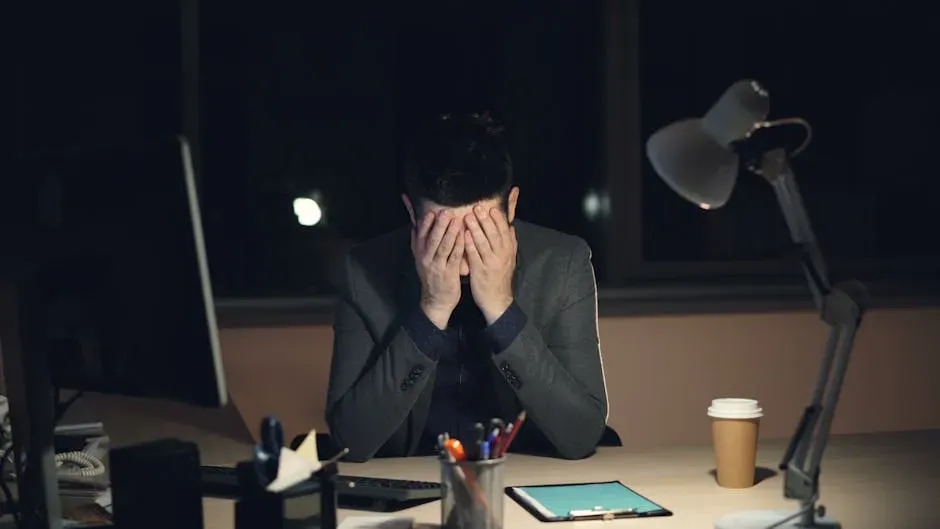
Roughly four out of five U.S. workers say they experience work-related stress. That figure alone suggests the workplace has become one of the primary engines of sustained pressure in modern life. Remote work, which many hoped would reduce stress, has created its own challenges. Blurred boundaries between work and personal life mean people are "always on," answering emails late at night and skipping breaks.
Younger workers in particular are reporting high burnout rates. According to Gallup, about two thirds of Gen Z and younger millennials say they feel burned out frequently, compared to roughly two in five baby boomers. A UK Burnout Report from 2025 found that the vast majority of adults reported high or extreme levels of pressure or stress in the past year, with nearly two-thirds of workers saying they are concerned about burnout.
The Physical Toll That Accumulates Over Time

The Physical Toll That Accumulates Over Time (Image Credits: Pexels)
Chronic stress is more than a mental strain. It physically changes the body over time. The APA and the National Institute of Mental Health point to increased risks for heart disease, hypertension, digestive issues, and weakened immune response. Stress also worsens sleep quality, and sleep deprivation in turn amplifies stress, creating another damaging cycle.
Chronic stress can severely impact physical health, contributing to conditions such as cardiovascular diseases, obesity, cancer, and weakened immune systems. Mental health concerns like anxiety disorders and depression are also closely linked to high stress levels. Prolonged stress weakens immune function. People under chronic stress may get sick more often, take longer to recover, and experience increased inflammation.
Loneliness and Societal Pressure Are Making It Worse

Loneliness and Societal Pressure Are Making It Worse (Image Credits: Pexels)
The APA's 2025 Stress in America survey shows that nearly two thirds of adults say societal division is a major stressor, and about half report loneliness, including feeling isolated, feeling left out, and lacking companionship. Stress rarely exists in a vacuum. It compounds through social disconnection in ways that are easy to underestimate.
Loneliness connects to poorer health. The vast majority of adults with high loneliness report chronic illness, and stress symptoms are far more common among those weighed down by societal division, including anxiety, fatigue, and headaches. This overlap between isolation and stress creates a reinforcing loop that's particularly hard to break without conscious social reconnection.
What Happens When the Body Finally Says Enough

What Happens When the Body Finally Says Enough (Image Credits: Unsplash)
Persistent clinical burnout is associated with exaggerated somatic arousal including tension, irritability, sleep impairment, and above-normal blood levels of cortisol. Ongoing burnout also involves impaired executive functioning with poor memory, concentration, and attention, as well as difficulties in cognitive functioning and sleeping. This is not weakness. It's a biological system that has been pushed past its design limits.
Persistent stress starts to take a clearer toll on mood, energy, sleep, and overall well-being. Rest doesn't feel as restorative, and it becomes harder to refill your figurative tank. When full-fledged burnout takes hold, physical and emotional exhaustion are pronounced, motivation plummets, and daily tasks can feel overwhelming. If burnout goes unaddressed, symptoms like exhaustion and detachment start to feel like the norm.
Finding the Way Back From the Edge
Finding the Way Back From the Edge (Image Credits: Unsplash)
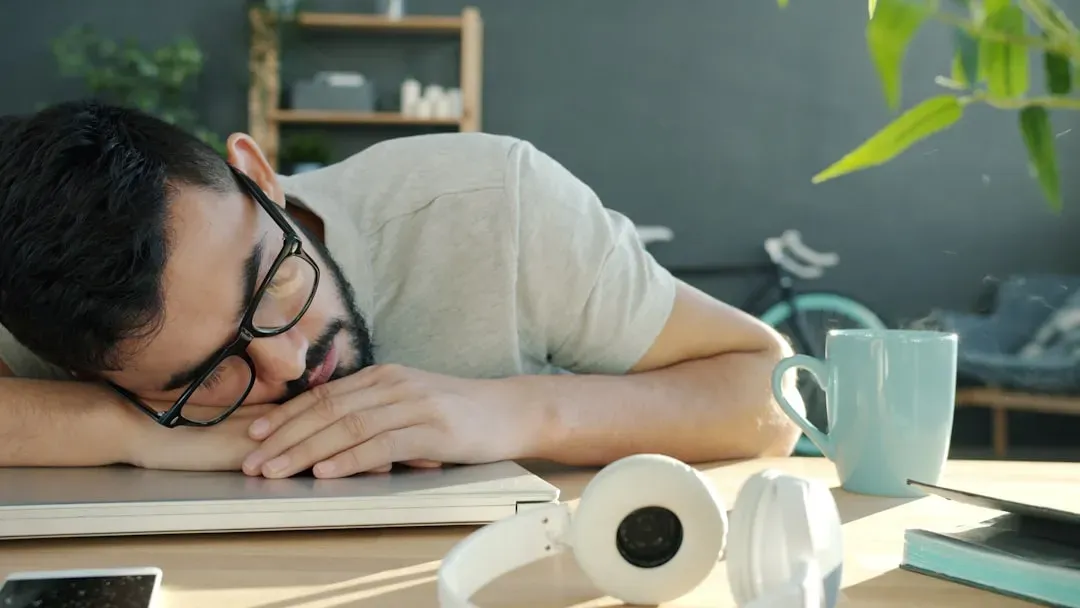
Many people attempt to recover from stress and burnout by taking time off or sleeping more. While rest is important, it is rarely sufficient on its own. Burnout involves patterns of overextension, emotional suppression, and nervous system dysregulation that require more than surface-level recovery. True healing involves addressing boundaries, emotional expression, stress processing, and meaning.
Preventing full collapse requires a proactive approach rather than waiting until exhaustion takes over. Creating strategies to manage stress effectively can help maintain well-being even during challenging periods. Setting boundaries is necessary for optimal mental health. This includes defining limits on workload, working hours, and task types. Communicating these boundaries helps create a healthier environment and cultivates a sense of control. Recognizing that is a signal, not a verdict, is where genuine recovery tends to begin.