
Americans eat out constantly. By 2024, Americans were still allocating roughly half of their food budget to dining out. With that kind of spending comes a lot of opinions – and a lot of frustration. Yelp, Google Reviews, TripAdvisor, and Reddit threads have become a running record of what people love, tolerate, and outright refuse to eat again.
Some dishes fail on flavor. Others disappoint on value, texture, or the gap between what the menu promised and what actually arrived at the table. The ten entries below are drawn from real review patterns and survey data involving thousands of American diners – not a single fictional complaint in the bunch.
1. Anchovies on Pizza
1. Anchovies on Pizza (Image Credits: Unsplash)
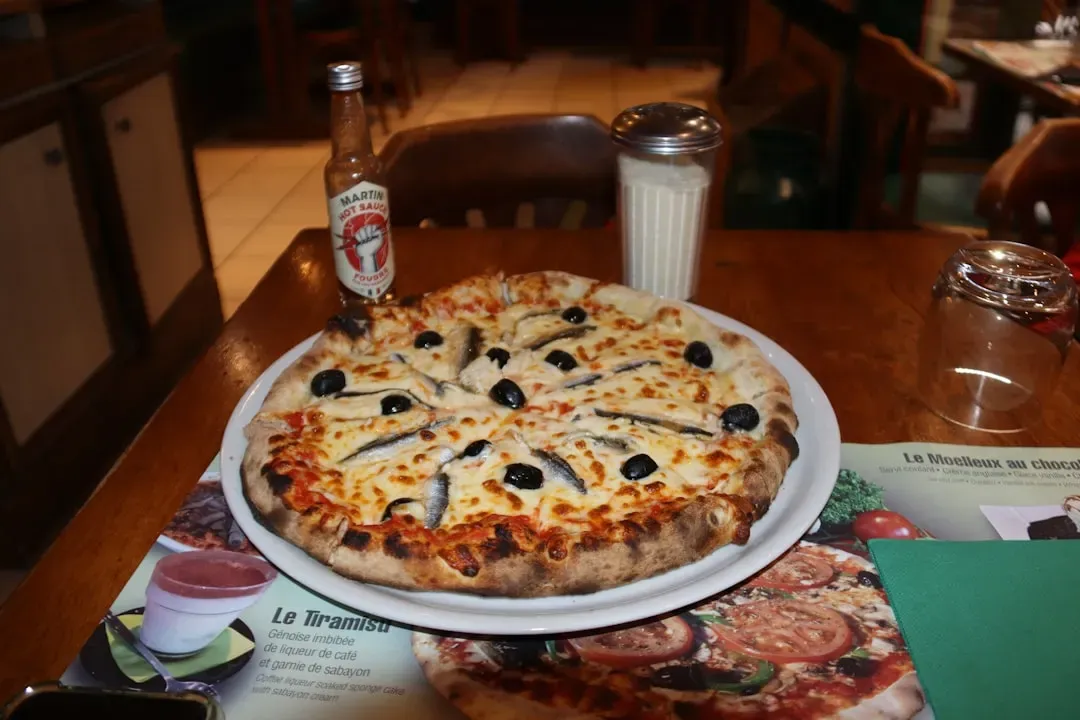
Anchovies have a serious PR problem in America, and it mostly starts with pizza. Tiny, intensely salty, and pungent, these little fish get removed from more orders than almost any other topping, because their strong umami punch is simply too much for a lot of people. Review after review on Yelp and Google mentions specifically requesting that anchovies be left off, sometimes in all caps.
According to a YouGov poll surveying thousands of American adults, anchovies rank as the single most disliked food in the country, with 56% of Americans saying they dislike or hate them. The irony is that chefs regularly use anchovies to secretly boost flavor in sauces and dressings, meaning many people unknowingly enjoy the flavor without ever realizing it is there. On pizza, though? No hiding them.
2. Liver and Onions
2. Liver and Onions (Image Credits: Unsplash)
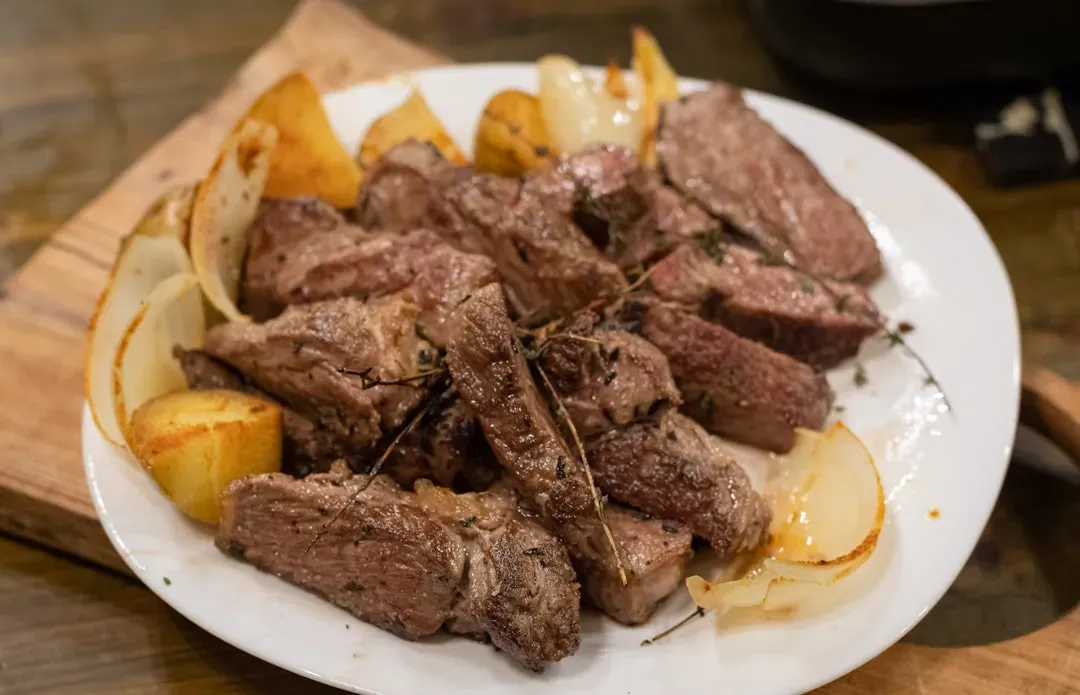
When you look strictly at outright hatred rather than general dislike, liver leads the entire list: roughly four in ten Americans say they hate it. That's a remarkable number for something that still appears on diner and steakhouse menus across the country. Liver is actually loaded with iron and vitamins, making it one of the most nutritious foods available – but nutrition alone cannot win over people who remember being forced to finish every bite at the dinner table as a kid.
The bold, metallic flavor is the main sticking point. Most of the time, liver is soaked in buttermilk and flash fried in a skillet with onions, a preparation that does little to win over the unconverted. Online reviewers tend to describe the experience in dramatic terms, and the dish consistently earns one-star mentions even at restaurants where everything else lands well.
3. Sardines as a Restaurant Dish
3. Sardines as a Restaurant Dish (Image Credits: Pexels)
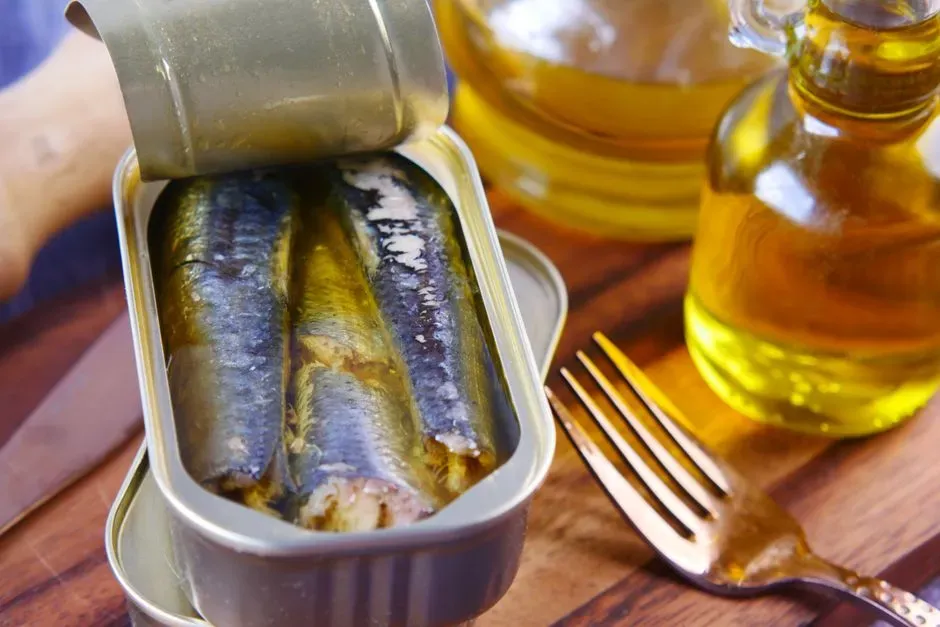
Sardines have a reputation that walks into the room before they do – and that reputation smells strongly of fish. Canned sardines are packed with omega-3 fatty acids and are incredibly nutritious, but their intense aroma and soft, oily texture turn most Americans completely off. When restaurants serve them grilled or whole, the reaction is rarely warm.
Sardines clock in as the third most disliked food in America, with more than half of Americans saying they dislike or hate them. In parts of Europe and Asia, sardines are a beloved staple. In the U.S., though, cracking them open at lunch is practically considered a social offense. On a restaurant plate, especially when served whole, they routinely generate negative reviews from diners who weren't quite prepared for what arrived.
4. Buffet Food That Sits Too Long
4. Buffet Food That Sits Too Long (Image Credits: Unsplash)
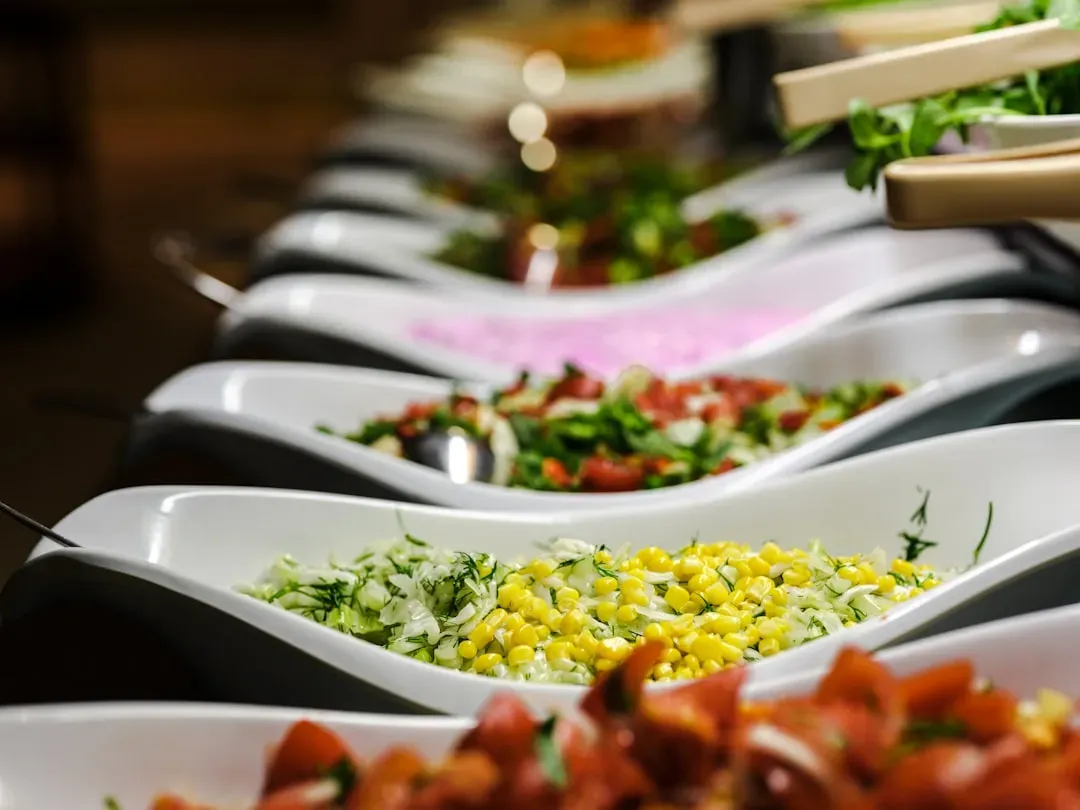
Across Yelp reviews of buffet-style restaurants, customers consistently describe the food using words like "slop" or "mushy." Complaints center on food served cold or looking like it had been left over from the day before, with consistent reports about wilted salad bars, sour fruit, and rock-hard bread. These aren't isolated incidents – the pattern shows up across buffets in nearly every state.
The entire business model of a buffet depends on food being hot, fresh, and constantly replenished in a clean environment. Cold food sitting out all day in a dirty environment is a serious red flag. The vast majority of Yelp diners reviewing some of the country's lowest-rated buffets have given them one-star ratings, citing poor service, questionable business practices, and low-quality food. It's a category that draws some of the most visceral complaints anywhere on the internet.
5. Well-Done Steak
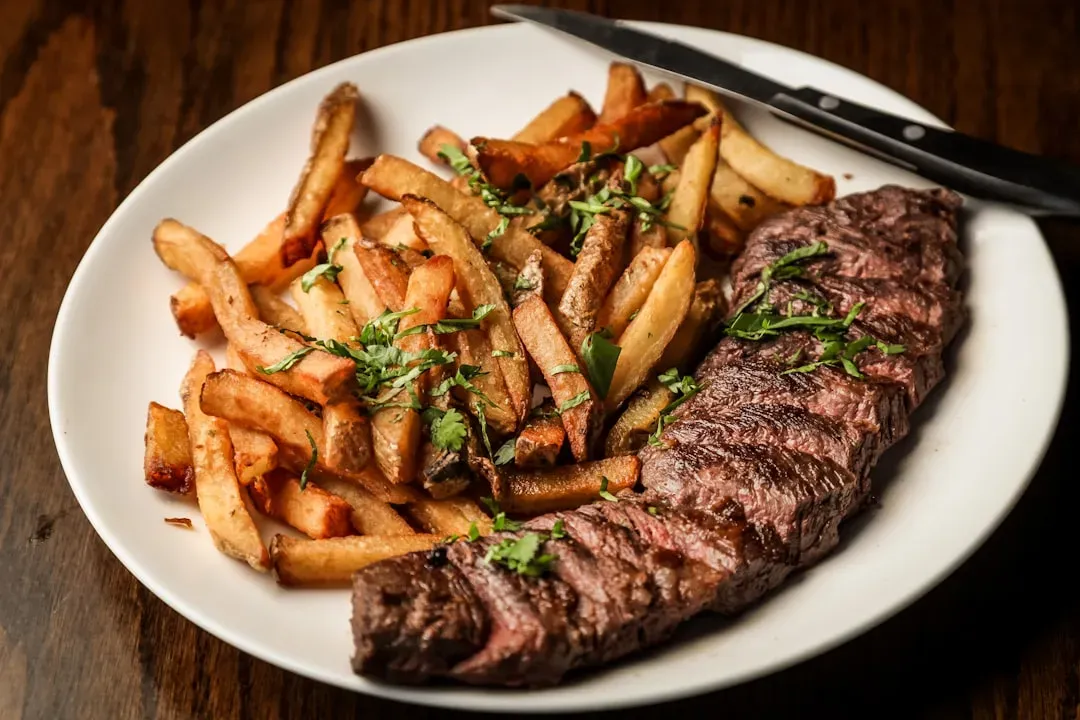
5. Well-Done Steak (Image Credits: Unsplash)
Ordering a steak well-done is practically a culinary crime in the eyes of many Americans, and professional chefs will not hide their disappointment when you request it. Overcooked steak loses its natural juices, turning what could be a tender, flavorful meal into something chewy, dry, and honestly kind of sad. Reviewers who ordered well-done and regretted it are remarkably consistent in how they describe the result.
The frustration cuts both ways. Diners who prefer well-done sometimes feel judged by staff, while diners who ordered medium-rare and received something closer to charcoal leave scathing reviews about kitchen inconsistency. Steak lovers broadly argue that medium-rare is the only way to truly enjoy a quality cut, and review data backs that up: overcooked meat is one of the most commonly mentioned food failures in fine dining reviews across platforms like OpenTable and Yelp.
6. Deconstructed Dishes
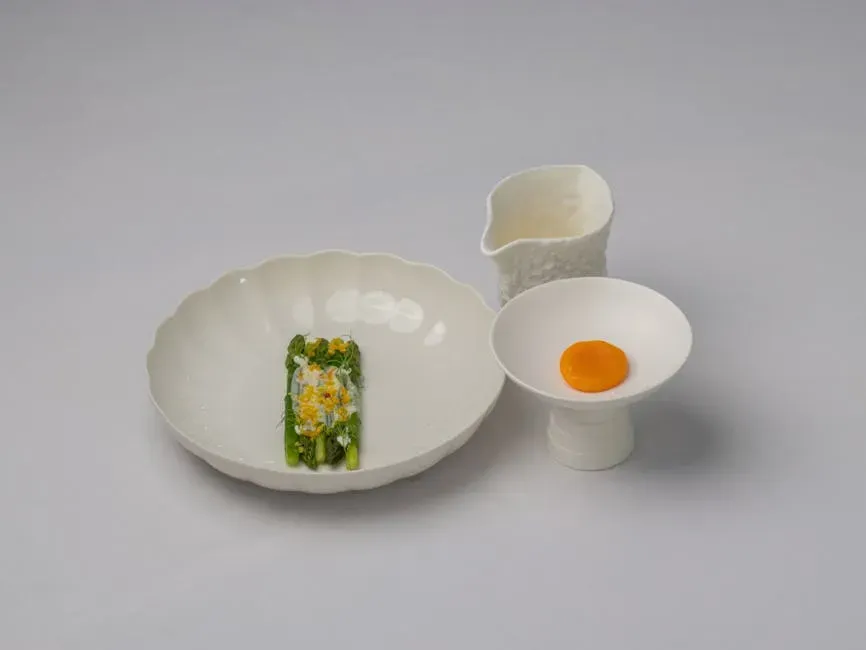
6. Deconstructed Dishes (Image Credits: Pexels)
Deconstructed means familiar flavors presented as separate parts instead of a single cohesive dish. You might see crumbs, gels, and a dollop or two arranged artfully on a plate. The effect can feel playful, but portions tend to be small – because everything is separated, there is often more plate than actual product. Diners pay full price for the concept and frequently feel cheated.
The backlash in reviews is real and specific. Diners have complained that nowhere on the menu was it stated the dish would be "deconstructed" – meaning they essentially paid to assemble their own meal. That sense of being tricked into prep work at a restaurant table shows up across Reddit food forums and Yelp reviews with striking regularity, particularly for brunch and upscale casual spots.
7. Overpriced Wedge Salads
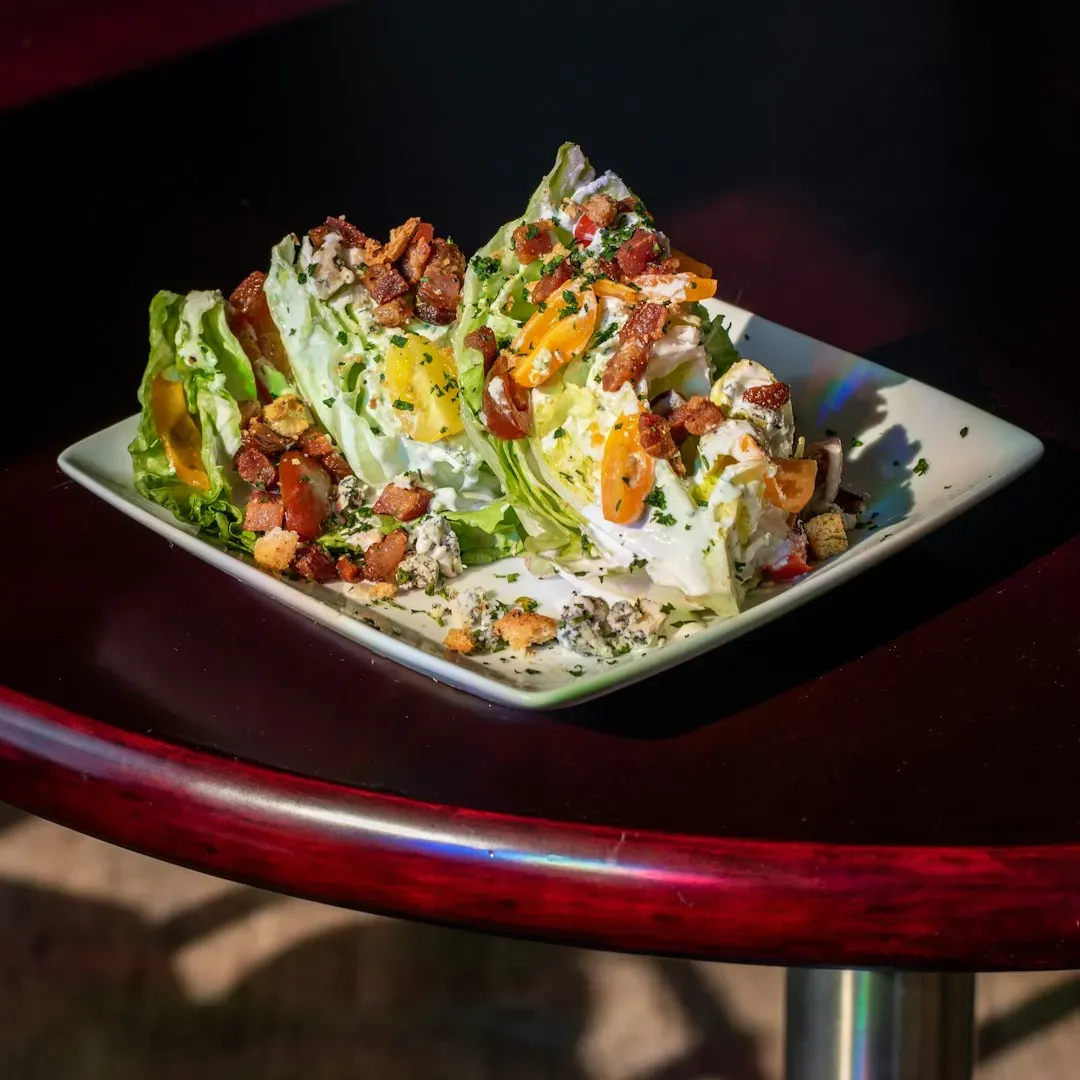
7. Overpriced Wedge Salads (Image Credits: Unsplash)
Some restaurants charge nearly $30 for a wedge salad. Even with heirloom tomatoes and specialty cheese, the markup seems hard to justify – and considering iceberg lettuce is roughly 96% water, this starter is rarely filling enough to merit its price. The wedge salad has become something of a symbol in review culture for charging a lot while delivering very little substance.
Customers broadly feel that prices are too high for the quality or portion sizes they receive, which leads directly to dissatisfaction and negative reviews. US Foods data shows that roughly three quarters of diners consider portion size when eating out, and it affects what they choose to order. A bed of iceberg with bacon crumbles and blue cheese dressing doesn't hold up well against those expectations, especially when the bill arrives.
8. Tofu Dishes at Non-Specialist Restaurants
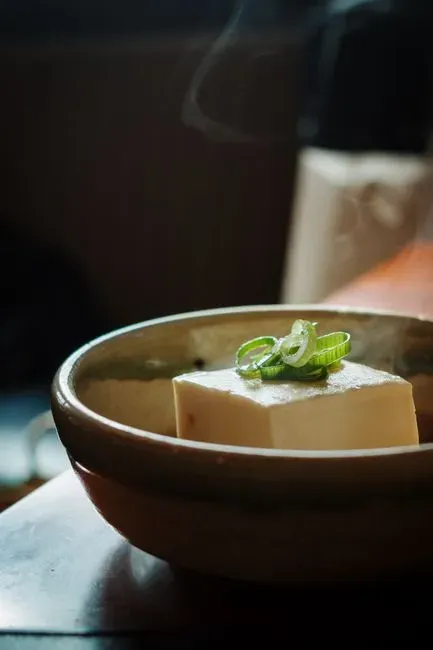
8. Tofu Dishes at Non-Specialist Restaurants (Image Credits: Pexels)
Tofu ranks as the fourth most disliked food among Americans, with nearly half saying they dislike or hate it. The problem amplifies when it shows up at restaurants that clearly aren't comfortable cooking it. Bland, rubbery tofu in a dish that was clearly designed around a meat protein generates consistent one-star mentions across delivery apps and dine-in reviews alike.
Americans aged 45 and older are particularly likely to have an aversion to tofu, though the ingredient struggles across age groups when it's poorly prepared. The complaint in reviews isn't always about tofu itself – it's about tofu that hasn't been pressed, seasoned, or cooked with any care. Reviewers frequently note that it tastes of nothing and has the texture of wet foam, a combination that's hard to defend even to a patient diner.
9. Oysters
9. Oysters (Image Credits: Unsplash)
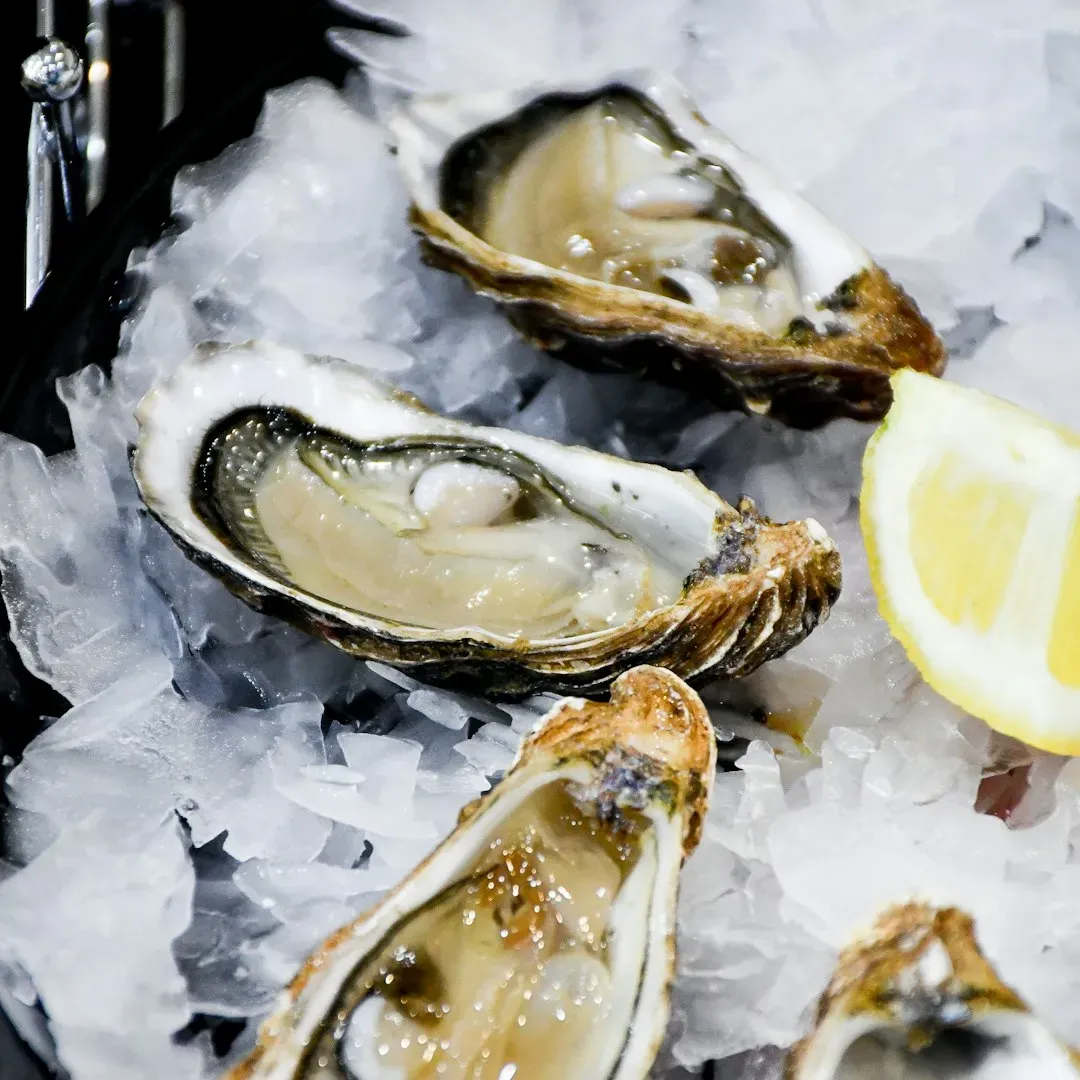
Oysters are disliked or hated by more than four in ten Americans, placing them firmly in the upper tier of widely rejected foods. In a restaurant setting, oysters on the half shell generate polarized reviews unlike almost any other menu item. Fans are devoted. Everyone else describes the experience using words like "slimy," "briny," and "wrong."
The texture is the central complaint. Raw oysters have a soft, slippery consistency that many diners simply can't move past, regardless of how fresh they are or how well they're presented. Cooked oysters fare slightly better in reviews, but even Rockefeller preparations receive skeptical write-ups from diners who tried them reluctantly and won't be trying them again. It's a dish where the category itself, not just the execution, drives the negative feedback.
10. Dishes with Poor Value for Price
10. Dishes with Poor Value for Price (Image Credits: Unsplash)
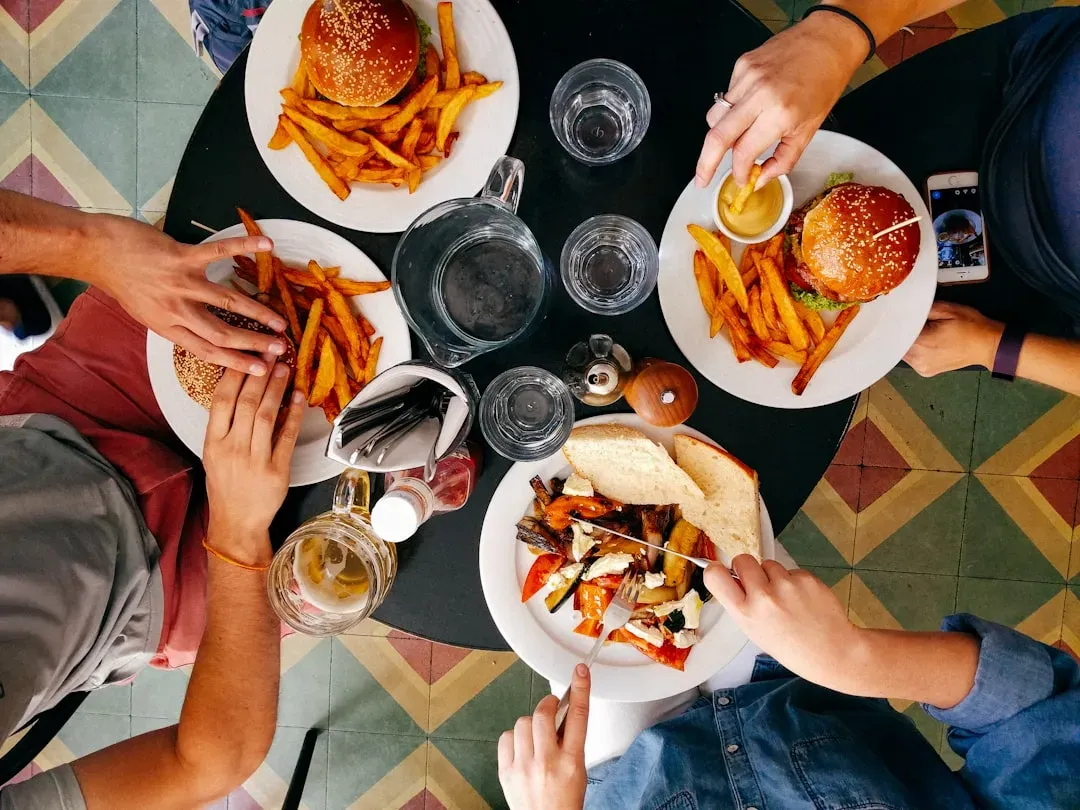
A major running theme in restaurant reviews of 2026 is poor value. As inflation continues to climb, customers have fully rejected overpriced items, and many dishes earn complaints that they're simply not worth the money – even from customers who found them acceptable overall. This applies across everything from chain pasta to fast-casual bowls to brunch plates that arrive looking underwhelming.
Favorite sit-down restaurants are rarely exempt from price increases, and the issue for many diners comes when quality doesn't keep pace with surging costs. If you're dropping the better part of a hundred dollars at a mid-tier restaurant, you expect the portions to be generous and the food to be genuinely good. When multiple reviewers start saying the food costs too much and doesn't deliver value that matches the price tag, it stops being a one-off complaint and becomes a pattern. That pattern, across thousands of reviews, is exactly what makes this one of the most reliably documented sources of American dining frustration today.
What ties most of these dishes together isn't just flavor. It's the feeling of being let down – by texture, by portion size, by a gap between what a menu promised and what actually arrived. Review culture has made that disappointment more visible than ever, and the dishes that keep earning the worst ratings tend to share the same core problem: they asked diners to pay attention, and then gave them every reason not to come back.