
Walk through almost any established suburban neighborhood in America and you’ll notice the same pattern: big four-bedroom homes where one or two people rattle around, the extra rooms closed off or repurposed into craft studios. It’s not a coincidence. Baby boomers own nearly three in ten large homes across the nation, which is almost twice as many as millennial households with children, according to a Redfin study. That gap has only widened over the past decade.
Baby boomers are increasingly committed to aging in place, with more than six in ten saying they never plan to sell their homes – a trend that could significantly affect housing market dynamics as boomers hold onto properties longer, potentially limiting options for younger generations seeking homeownership. The reasons behind that decision are more layered than they first appear.
1. The Math Simply Doesn't Favor Selling
1. The Math Simply Doesn't Favor Selling (Image Credits: Unsplash)
Older homeowners who want to downsize have been deterred by how expensive smaller homes have become. A homeowner who keeps all the profit from a home that sells for $500,000, for example, may find that a condo in the same area is priced at $450,000. After calculating realtor fees and closing costs, the profit barely covers the new purchase, let alone provides extra income for retirement.
For those who own their home outright, the median monthly cost of owning, which includes insurance and property taxes, is just $612. Swapping that arrangement for a smaller property at today's prices can mean paying more per month, not less. The numbers simply don't add up for many boomers doing their own kitchen-table calculations.
2. Mortgage-Free Living Is a Powerful Anchor
2. Mortgage-Free Living Is a Powerful Anchor (Image Credits: Pexels)
Among the factors boomers cite for not selling, having paid off their mortgages tops the list, with roughly four in ten homeowners in this generation pointing to it as a key reason for staying put. When your housing costs are effectively down to taxes and upkeep, the urgency to move somewhere smaller evaporates quickly.
With most of their mortgages paid off, these homes aren't just living spaces – they're substantial investments. Properties bought decades ago have appreciated in value enormously, and that significant increase in home equity is a comfort that many boomers aren't ready to give up. Giving up a debt-free home to take on any new financial commitment feels deeply counterintuitive at this stage of life.
3. Deep Emotional Roots and Decades of Memories
3. Deep Emotional Roots and Decades of Memories (Image Credits: Unsplash)
Letting go of the exact space where they spent their adult lives truly feels like erasing a crucial part of their personal history. Walking away from neighborhood friends they've known intimately for decades creates a sense of isolation that no modern apartment complex can easily fix.
Many boomers want their kids to visit, bring grandkids, and celebrate holidays and special occasions where everyone can be together in one place, and the family home holds the memories that make these events feel meaningful. Research published in Cortex magazine has noted that older adults tend to remember positive events more vividly, and reminders of those events come from mementos, pictures, and cherished objects. These items need space to store and display, and sorting through them for a move is genuinely daunting.
4. No Suitable Smaller Options Nearby
4. No Suitable Smaller Options Nearby (Image Credits: Pexels)
Many neighborhoods where boomers have lived for years have zoning that allows only single-family homes. That means when older adults decide their current home is too big, they essentially have to move out of their neighborhoods entirely. That's a steep price for the privilege of fewer square feet.
Older adults want to be able to age in their communities, where they already have friends and neighbors, familiar doctors, and established routines – the kind of familiarity that makes aging in one place actually workable. When no smaller options exist nearby, staying in the large home stops being a luxury and starts being a practical necessity.
5. Home Equity Has Become a Core Part of Financial Security
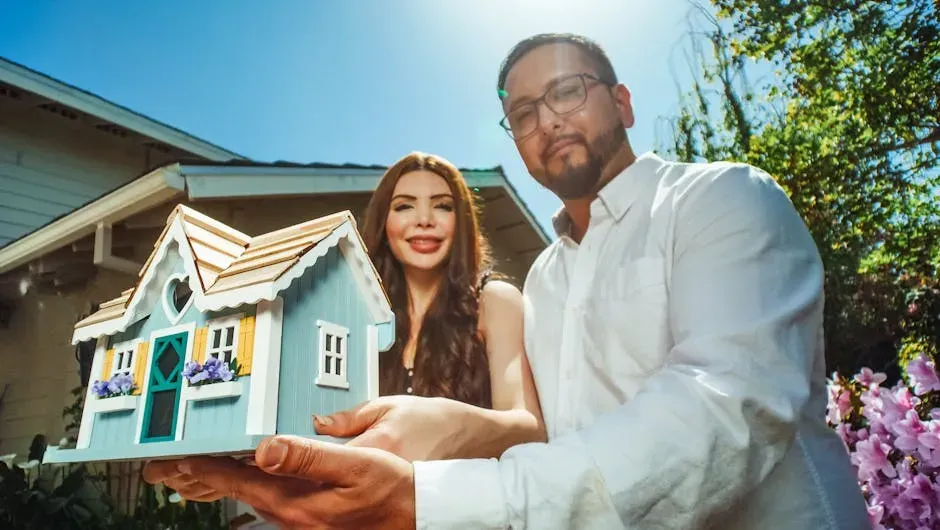
5. Home Equity Has Become a Core Part of Financial Security (Image Credits: Pexels)
Boomers built wealth and bought big homes, and they've watched those home values grow significantly over the last several decades. Boomers hold roughly half of the wealth in the United States, and much of it is tied up in real estate.
More than three-quarters of boomer homeowners primarily credit owning their homes for their financial security, while the vast majority say homeownership leads to a more stable home life. Nearly nine in ten boomers believe buying a home is almost always a good decision, and more than four in ten consider not owning a home a sign of failure. For this generation, the house isn't just a place to live – it's the foundation of everything they've built.
6. The Desire to Leave an Inheritance
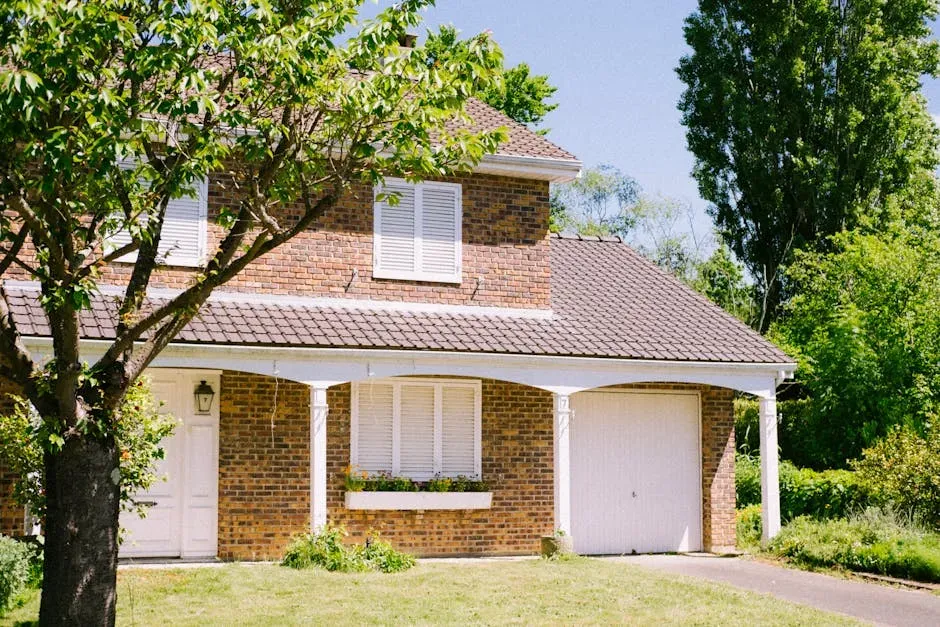
6. The Desire to Leave an Inheritance (Image Credits: Pexels)
Planning to leave their homes as inheritances is cited by roughly one in three boomers as a specific reason for not selling. The family home often represents the single largest asset this generation holds, and passing it on to children or grandchildren carries real weight – both financial and symbolic.
Only about one in five older homeowners said they sold their home, or planned to, during retirement, and an impressive share of respondents said their goal is to leave their home to their heirs. For many boomers, selling the house feels like spending the kids' inheritance – something they'd rather not do as long as they can avoid it.
7. The Multigenerational Living Trend Is Keeping Big Homes Full
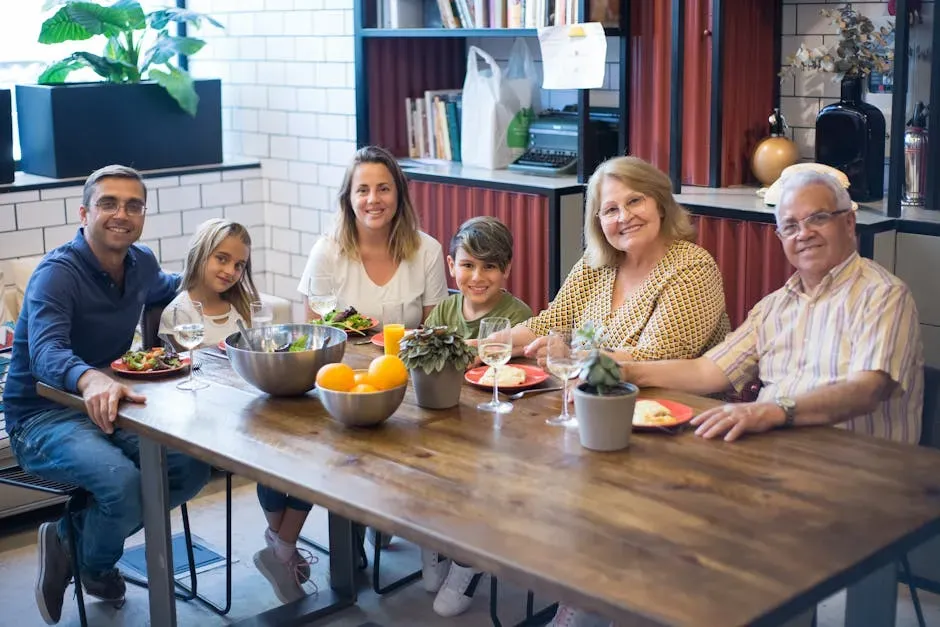
7. The Multigenerational Living Trend Is Keeping Big Homes Full (Image Credits: Pexels)
Instead of selling large properties and moving to a smaller place, many boomers are turning extra bedrooms into hobby rooms and guest rooms for visiting family members. Others are going a step further by welcoming adult children or grandchildren back into the fold permanently.
A record proportion of home buyers in 2024 purchased multigenerational homes, driven by affordability pressures and caregiving needs. Some of the country's large homes are occupied by boomers with households of three adults or more, which includes adult children living alongside their boomer parents. A big house that once felt empty can quickly feel appropriately sized again when a grown child moves back in or grandchildren need a weekend place to stay.
8. The Boomer Generation Is Healthier and More Active Than Expected

8. The Boomer Generation Is Healthier and More Active Than Expected (Image Credits: Unsplash)
Baby boomers are staying in their homes longer. They're wealthier. They're healthier. They're able to stay in place longer than previous generations. The old model of seniors moving into smaller homes at sixty-five no longer reflects reality for a generation that routinely travels, works part-time, and maintains active social lives well into their seventies.
The bulk of boomers are only in their sixties, still young enough that they can take care of themselves and their homes without help. When you feel capable of managing a large property, there's little reason to give it up. The retirement narrative has shifted, and the housing behavior of this generation has shifted right along with it.
9. Aging-in-Place Renovations Are Making Large Homes More Livable
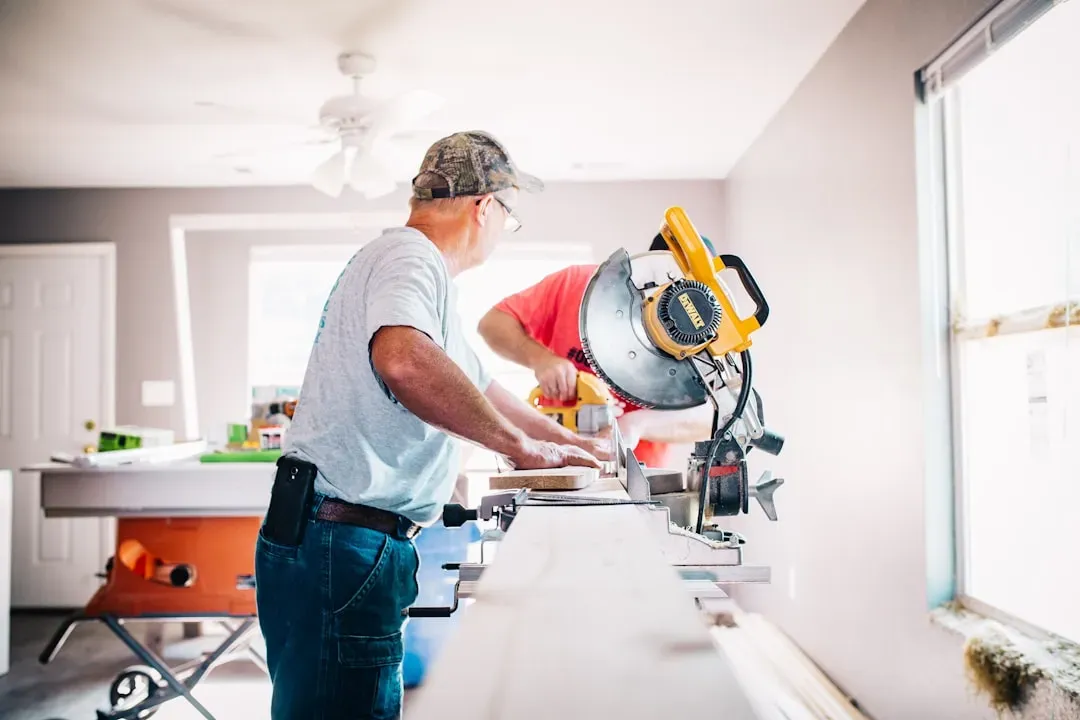
9. Aging-in-Place Renovations Are Making Large Homes More Livable (Image Credits: Unsplash)
The Joint Center for Housing Studies of Harvard University noted nearly half a trillion dollars spent on residential home remodeling in 2023. Installing grab bars in bathrooms and putting a functional master suite on the first floor is transforming how these homeowners view their forever homes. This remodeling trend allows them to bypass the chaotic real estate market while still getting the functional living space they need.
The desire to age in place is often met with the reality that most houses aren't built for senior living. Research from AARP indicates that only about one in ten homes across the country are adequately prepared for the needs of older residents. This gap has created a surge in home renovations focused on accessibility. Rather than moving, many boomers simply adapt their existing space – and given the cost and stress of relocating, that trade-off usually wins.
10. The Fear of Starting Over Somewhere Unfamiliar
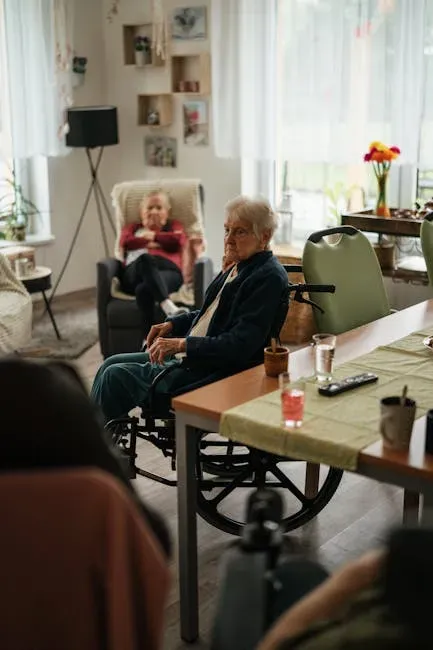
10. The Fear of Starting Over Somewhere Unfamiliar (Image Credits: Pexels)
Not wanting to start over is cited by more than a third of boomers as a factor in their decision not to sell. Starting over in retirement – navigating a new neighborhood, finding new doctors, rebuilding social networks – carries real psychological weight that doesn't show up in housing market spreadsheets.
The physical and mental toll of moving can overwhelm some boomers, and that cost simply isn't worth the price. In many cases, only serious health issues, significant financial hardship, or the loss of a partner would be enough to change their minds. For most, the large family home they've spent decades building is not just a practical shelter – it's the place that still makes the most sense, in every way that matters to them.
The scale of boomer homeownership is difficult to overstate. While baby boomers comprise just over twenty percent of the U.S. population, they account for more than thirty-seven percent of homeowners nationwide. The reasons they're staying put are personal, financial, and structural all at once – a combination that won't be easily undone by market forces alone.