
Most people treat pennies as an inconvenience, something to drop into a jar and forget. Yet tucked inside that jar, there’s a decent chance you have a coin that has quietly become one of the more intriguing small finds in American numismatics. The 1982 copper penny occupies a strange and singular place in U.S. coinage history, sitting precisely at the moment the Mint walked away from a metal that had defined the cent for over a century.
What makes it particularly interesting right now is the convergence of several forces: rising copper prices, the official end of penny production in late 2025, and a growing collector awareness that 1982 copper cents are genuinely finite. None of this happened suddenly. Value here builds slowly, which is exactly why it tends to last.
The Year the Penny Changed Forever
The Year the Penny Changed Forever (Image Credits: Unsplash)
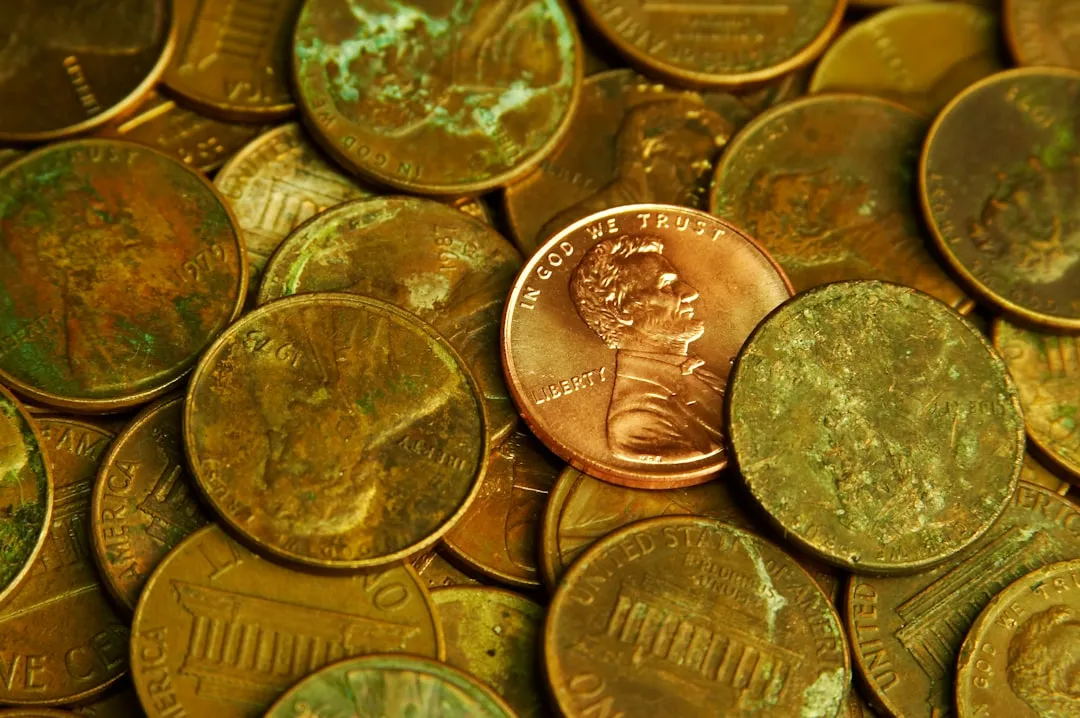
In 1982, rising production costs forced the U.S. Mint to move away from the traditional 95% copper composition to a cheaper copper-plated zinc core, and this transition happened mid-year, creating several Lincoln cent varieties we see today. That split makes 1982 one of the most complex single years in modern American coinage.
The shift away from copper pennies did not happen instantly. Instead, 1982 became a split year, with the U.S. Mint producing multiple variations of the Lincoln cent using two different metal compositions. At the start of 1982, pennies were still struck in the classic 95% copper alloy, the same basic composition used for decades. The changeover wasn't announced to the public. Coins struck just months apart were physically and chemically different, yet looked almost identical in your hand.
What's Actually Inside a 1982 Copper Penny
What's Actually Inside a 1982 Copper Penny (Image Credits: Pexels)
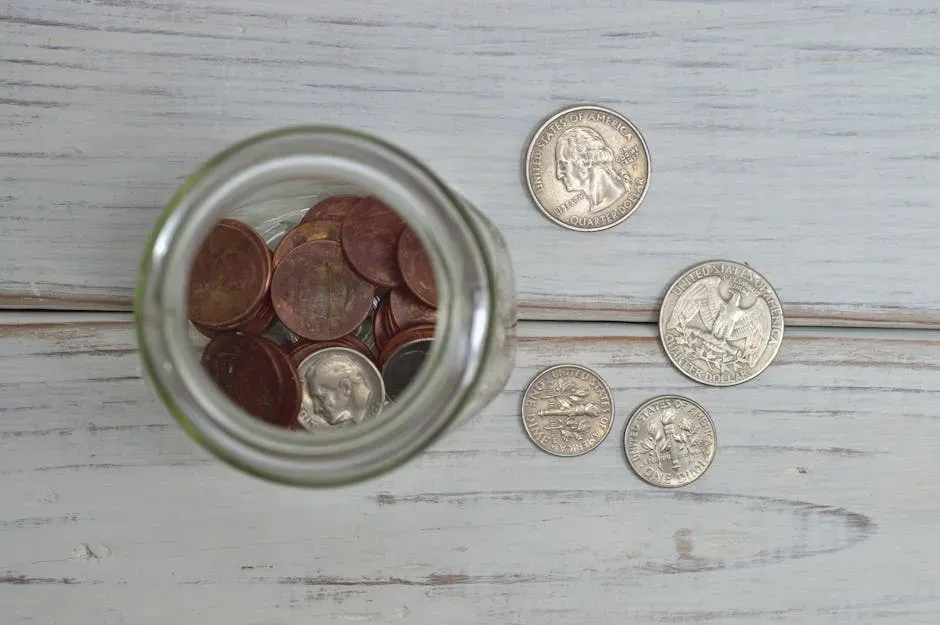
Before 1982, pennies were composed of 95% copper and 5% zinc. The composition was altered in 1982 to 97.5% zinc with a thin copper plating, reducing production costs. That seemingly small change had real consequences for the metal content and long-term durability of each coin.
The current copper-plated zinc cent issued since 1982 weighs 2.5 grams, while the previous 95% copper cent still found in circulation weighed 3.11 grams. That weight difference is the most practical way to tell a copper 1982 penny from a zinc one. Even so, copper pennies hold a distinct advantage over their zinc counterparts. Zinc pennies have practically no intrinsic value. They are also more prone to damage over time. In contrast, copper coins are more durable.
Why the Mint Made the Switch in the First Place
Why the Mint Made the Switch in the First Place (Image Credits: Pexels)
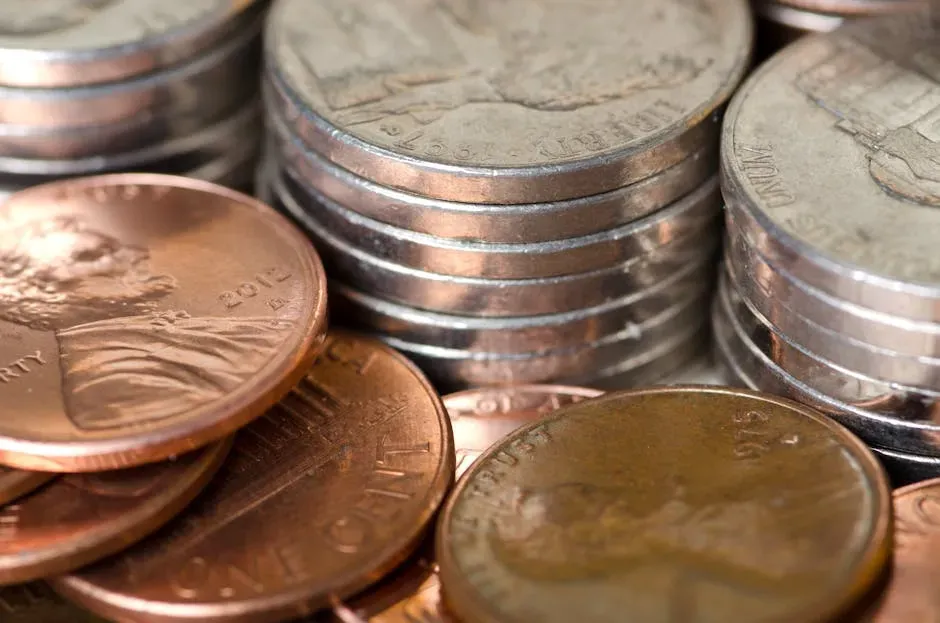
The composition was altered to 97.5% zinc with a thin copper plating to reduce production costs. This change was implemented due to the increasing cost of copper, which made it more expensive to produce copper pennies than their actual face value. The government was essentially losing money on every coin it struck.
Another reason for the composition change was to discourage people from melting down pennies for their copper content. When the penny was made of solid copper, it was worth more as scrap metal than as a coin. People were melting pennies at scale, causing shortages in circulation. By switching to a zinc composition, the Mint made it less attractive to melt them down. The decision was as much about protecting coin supply as it was about saving money.
The Seven Varieties Hidden Inside One Year
The Seven Varieties Hidden Inside One Year (Image Credits: Unsplash)
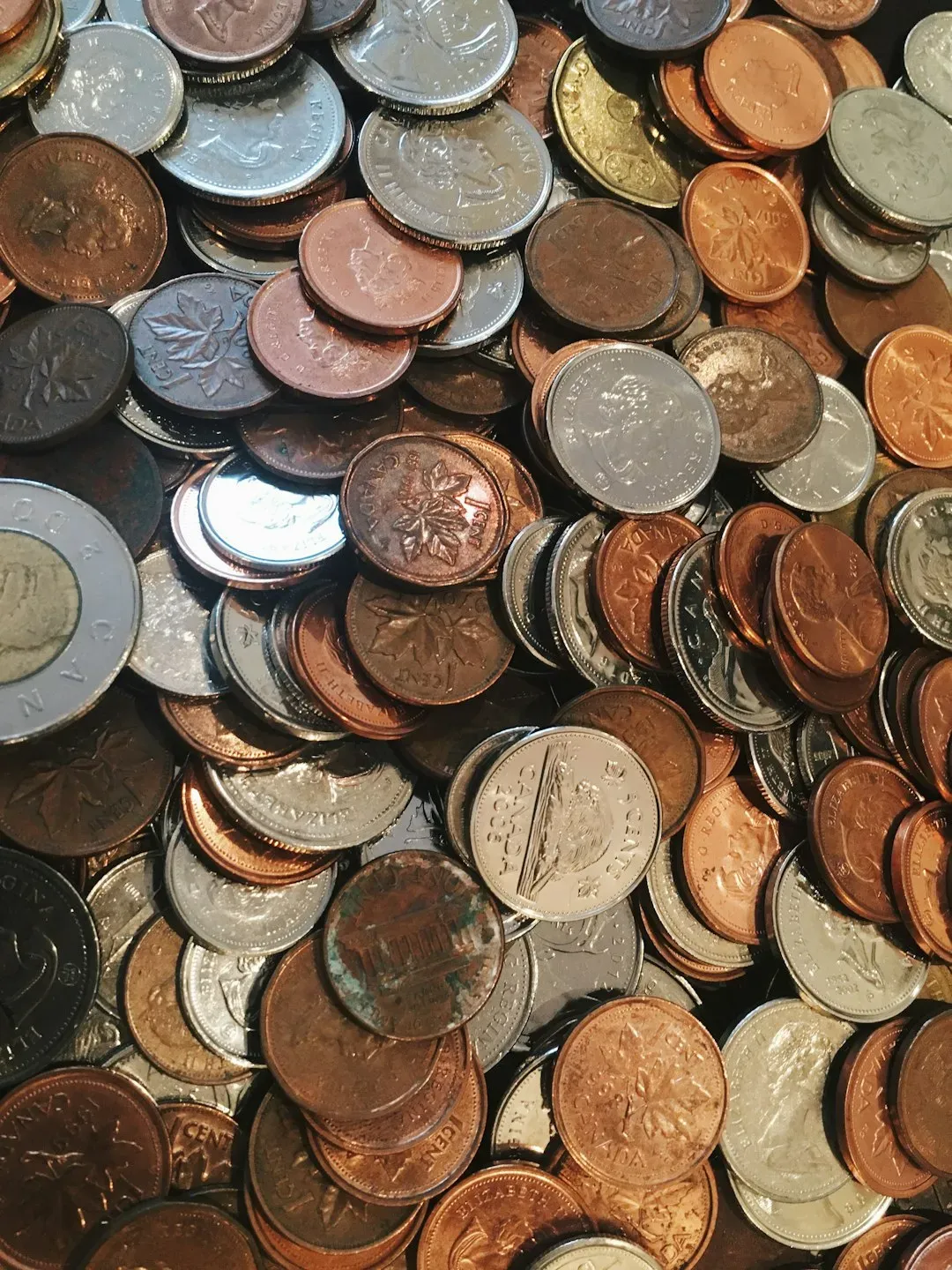
The metal composition change, along with minor design variations, created several different types of 1982 pennies to collect. Counting various combinations of metal content, mintmarks, and date sizes, there are seven different types of 1982 pennies. No other modern U.S. penny year comes close to that level of variety.
In 1982, two distinct date varieties were produced: the small date and the large date pennies. The small date variety has a more compact and delicate appearance, particularly noticeable in the "2" of the date, which has a rounded hook at the bottom. The large date, in contrast, has a more prominent and bolder date style. Both date styles were struck in copper and zinc, making careful identification essential for anyone building a complete 1982 set.
The Ultra-Rare 1982-D Small Date Copper Penny
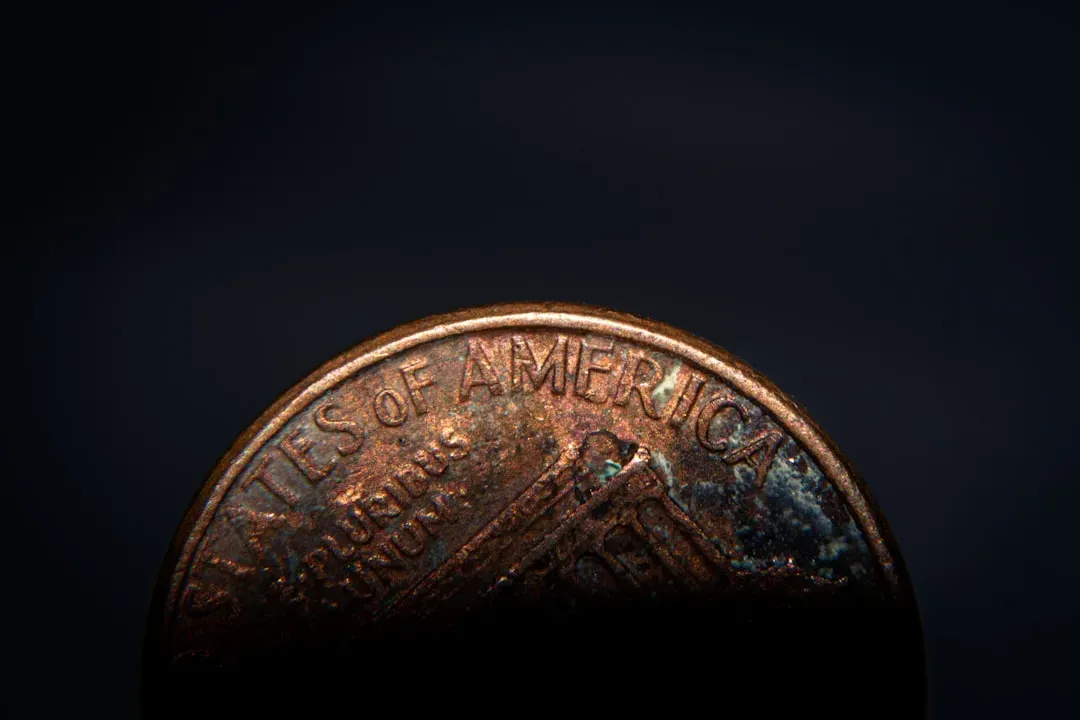
The Ultra-Rare 1982-D Small Date Copper Penny (Image Credits: Unsplash)
The 1982-D Small Date copper penny is one of the rarest U.S. coins, with only two confirmed examples known to exist. Its value comes from a transitional minting error, when a small number of copper planchets were accidentally struck using dies intended for zinc pennies. The Denver Mint was supposed to have completed its full transition to zinc before the small date die went into use.
A 1982-D Small Date Copper Penny can fetch $10,000 to $18,000 or even more at auction, depending on its condition. Authenticating one requires all four traits: a 1982 date, Small Date font, Denver ("D") mint mark, and a copper weight of 3.11 grams. Finding one is essentially a modern-day treasure hunt, and that romanticism is a real part of its enduring appeal among collectors.
Standard Copper 1982 Pennies Still Hold Real Value
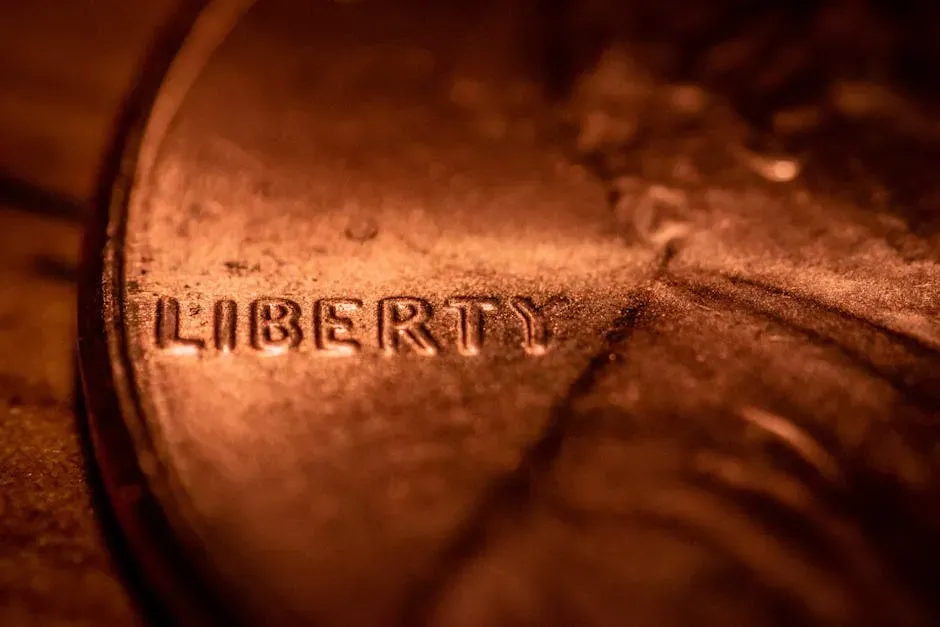
Standard Copper 1982 Pennies Still Hold Real Value (Image Credits: Pexels)
Produced in the first half of 1982, the copper penny is made of 95% copper and 5% zinc. As of 2024, in average circulated condition, early 1982 penny value generally ranges from $1 to $3. Uncirculated or higher-grade examples can be worth more, often between $5 and $10. That's a meaningful premium over face value for a coin most people would never look twice at.
The 1982 Small Date Copper from Philadelphia shows values ranging from $2 to $5 in circulated condition, with uncirculated examples fetching up to $50 or more. Copper pennies leave circulation slowly through jars, rolls, and collections. No single event drives the change. Instead, removal happens one coin at a time. That pace matters. Gradual scarcity supports steady interest without the volatility seen in heavily promoted collectibles.
Copper Prices Are Giving These Coins a Tailwind
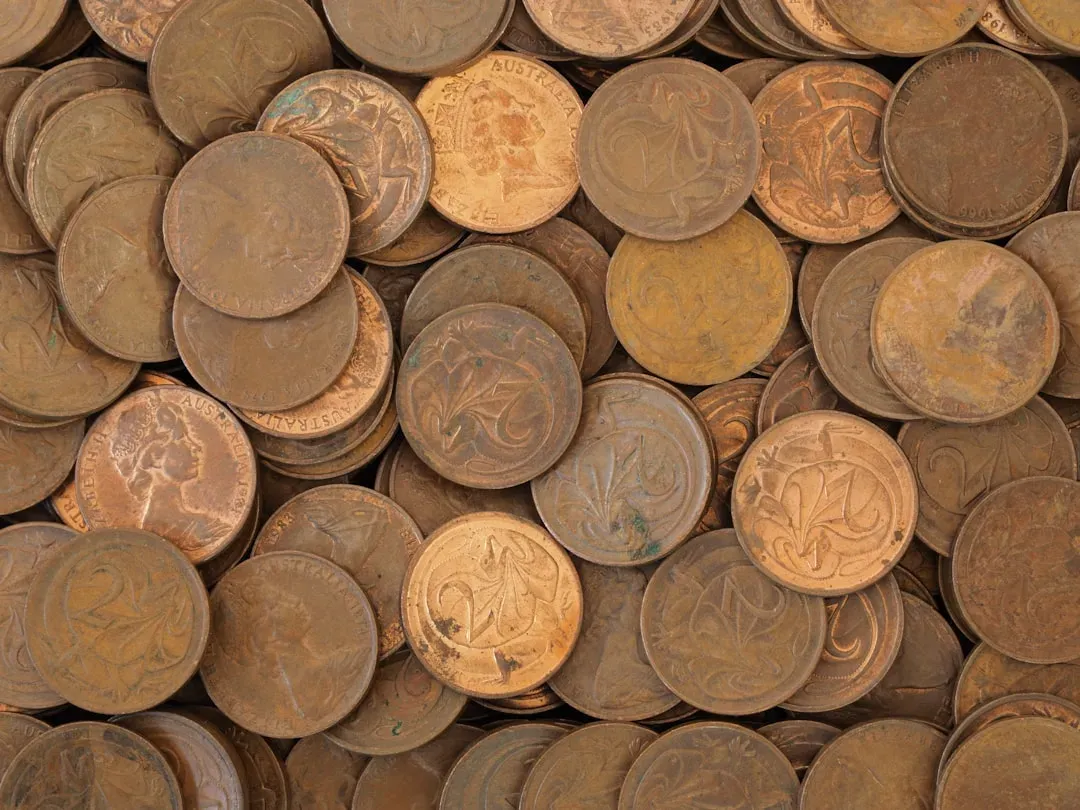
Copper Prices Are Giving These Coins a Tailwind (Image Credits: Unsplash)
2025 was punctuated by tariff threats, supply-side disruptions and increasing demand, events that bled into 2026 and helped push copper prices to record highs at the beginning of the year. These movements in the copper market have a direct effect on the melt value embedded in every pre-1982 and early-1982 copper cent.
Copper prices surged to record highs, briefly exceeding $14,500 per tonne intraday in January 2026, having only passed $12,000 per tonne for the first time in December 2025. The unprecedented price levels were driven by supply disruptions at several major mines and a build-up of U.S. copper inventories due to tariff uncertainty. They were also underpinned by challenges in developing new copper mines and the anticipation of strong demand growth from electrification and artificial intelligence. The structural case for elevated copper prices remains intact well beyond short-term swings.
The End of Penny Production Adds a New Chapter
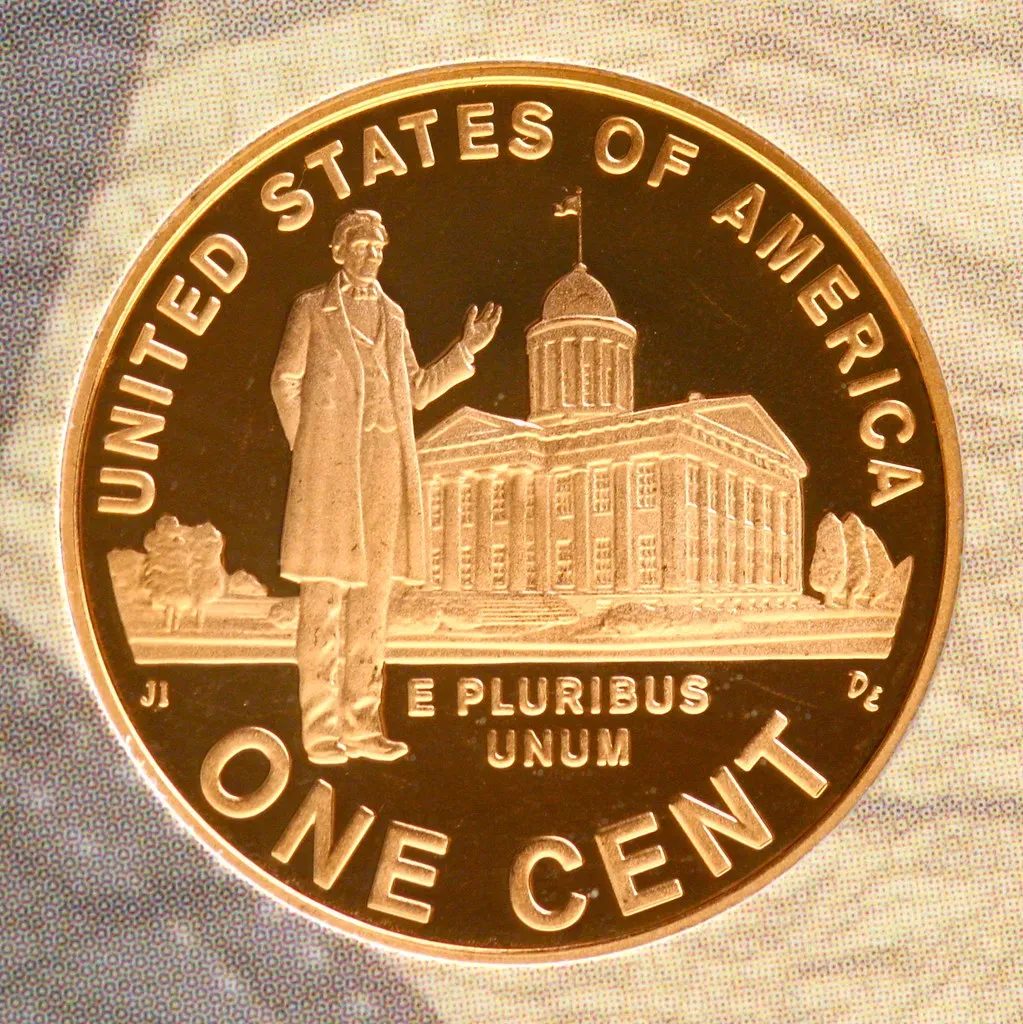
The End of Penny Production Adds a New Chapter (kevin dooley, Flickr, <a href="https://creativecommons.org/licenses/by/2.0/" target="_blank" rel="noopener">CC BY 2.0</a>)
On November 12, 2025, the United States Mint hosted a ceremonial strike event at its Philadelphia facility where United States Treasurer Brandon Beach struck the final, circulating one-cent coin. The event marks the official end of the penny's 232-year production run as a circulating coin. That finality has changed how collectors and investors think about all pennies, not just the rare ones.
Over the past 10 years, the total production cost of the penny rose from 1.3 cents to 3.69 cents per penny. These production costs include materials, facilities, and overhead. The U.S. Mint projected an immediate annual savings of $56 million in reduced material costs by stopping penny production. With no new copper cents entering circulation, the existing pool of 1982 copper examples becomes genuinely fixed. With production now ended, certain pennies have become even more sought after by numismatists.
How to Identify and Verify a 1982 Copper Penny
How to Identify and Verify a 1982 Copper Penny (Image Credits: Pexels)
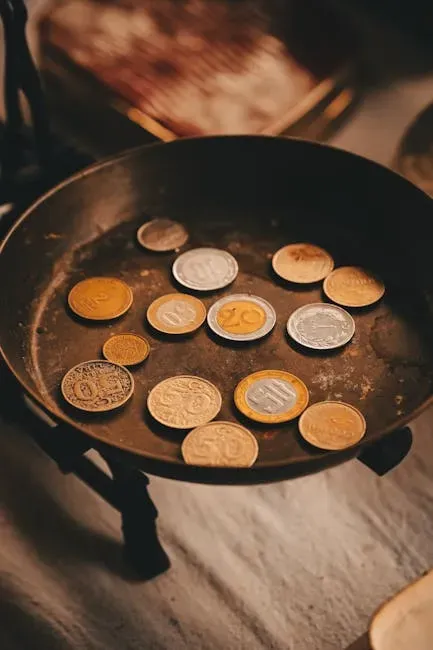
The most reliable way to distinguish between the two compositions is by weight. You will need a digital scale accurate to at least one-tenth of a gram. Copper varieties weigh 3.1 grams. Zinc varieties weigh 2.5 grams. That half-gram difference is small but unmistakable with the right tool, and a basic digital scale costs only a few dollars.
Zinc pennies tend to develop dull spots, corrosion, or even bubbling under the thin copper plating over time. In contrast, solid copper pennies usually wear more evenly and maintain a smoother, more consistent appearance as they age. Visual wear patterns can serve as a rough guide, but weight remains the definitive test. While some collectors suggest dropping the coin to hear the ring of copper versus the clunk of zinc, physical impact can damage the coin's surface and lower its technical grade.
What Collectors and Investors Should Know Going Forward
What Collectors and Investors Should Know Going Forward (Chic Bee, Flickr, <a href="https://creativecommons.org/licenses/by/2.0/" target="_blank" rel="noopener">CC BY 2.0</a>)
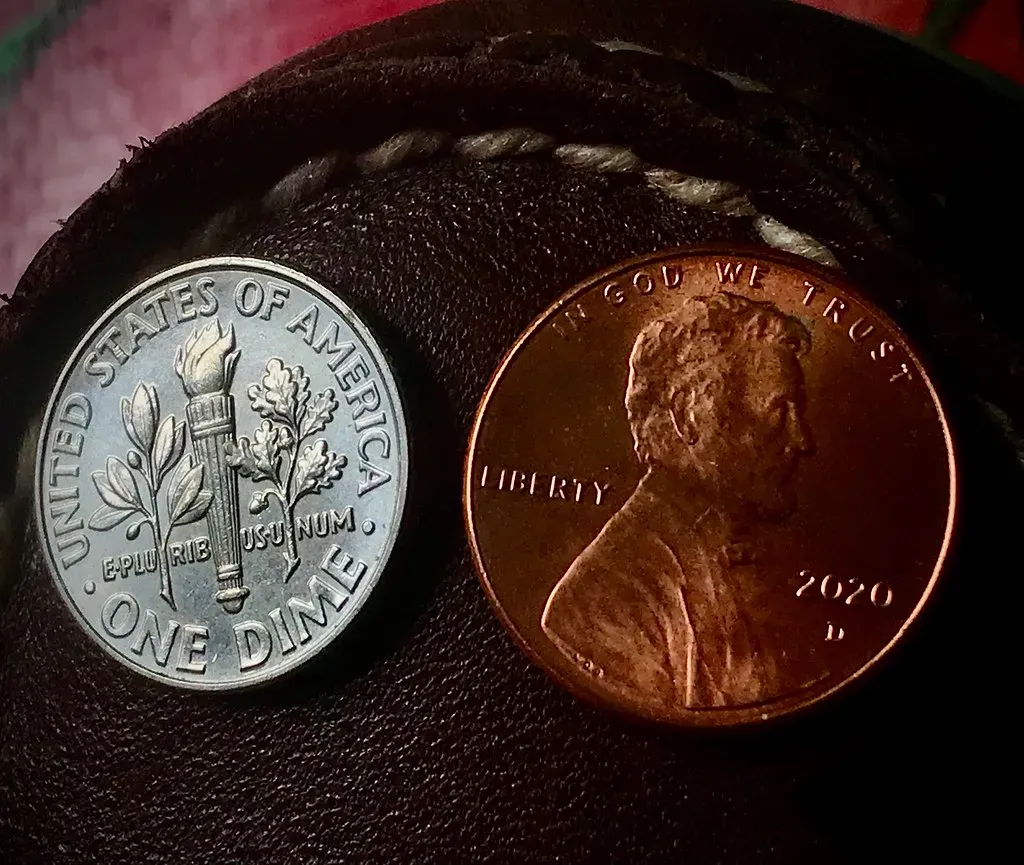
The 1982 composition change illustrates how commodity prices directly impact numismatic values. Just as copper prices drove the penny's evolution, precious metals markets continue to influence coin collecting and investing today. Understanding these economic factors helps collectors appreciate both the historical significance and investment potential of transitional coins.
For many investors and coin enthusiasts, pre-1982 pennies are worth saving, even if the upside is not immediate. These coins contain 95% copper, giving them intrinsic value that often exceeds their one-cent face value. While you cannot legally melt these coins, that restriction might change in the future. In fact, it has changed for other coins in the past. If it does, the metal value alone could make large quantities of copper pennies far more valuable. The 1982 copper penny is, at its core, a quiet bet on material history and finite supply, two things that tend to age well.