
The idea of downsizing is almost universally appealing. Shed the big house, free up some cash, simplify your daily routine, and enjoy a lighter financial load going forward. It’s one of the most commonly recommended moves in personal finance, and on paper, the logic is hard to argue with.
Reality, though, has a way of complicating even the cleanest financial plans. The assumption that “smaller means cheaper” is increasingly false in today’s housing market. Across the country, homeowners who downsize are discovering a series of costs they simply didn’t anticipate, and in some cases, the move ends up costing more than staying put.
The Price-Per-Square-Foot Trap

The Price-Per-Square-Foot Trap (Image Credits: Unsplash)
Smaller homes are in higher demand, especially in desirable neighborhoods with walkability and amenities. As a result, the price per square foot on a downsized property is often higher than what you paid for your current home decades ago. This single reality scrambles the math for a huge number of would-be downsizers.
The average price per square foot of a new house has surged over the past decade. From 2014 to 2024, the average price per square foot for new single-family homes sold in the U.S. rose by nearly three quarters, from roughly $97 to just under $169. High fixed costs for land, permitting, and utilities mean that the price-per-square-foot on smaller, efficiently designed homes can sometimes be higher than their larger counterparts.
Selling Your Home Costs a Lot More Than You Think

Selling Your Home Costs a Lot More Than You Think (Image Credits: Pexels)
On average, selling a home costs more than $31,000, according to data from HomeLight. In addition to the costs of preparing the home for sale, you'll need to pay real estate agent commissions, closing fees, and taxes. That's a significant chunk taken off the top before you've even packed a single box.
Between agent commissions, transfer taxes, inspections, staging, and repairs, you could easily spend six to ten percent of your sale price just to make the deal happen. Then there are moving expenses, deposits for utilities, and potential overlap in mortgages or rent. If you plan to cash out equity and redirect it into retirement savings, these costs can significantly reduce your margin.
Closing Costs Hit You Twice

Closing Costs Hit You Twice (Image Credits: Unsplash)
A practical benchmark is allocating approximately three to five percent of the purchase price toward closing costs on your new property. On a $600,000 downsized property, that could mean $18,000 to $30,000 before moving a single box. In higher price points, that number increases proportionally.
Another factor often overlooked is prepaid items collected at settlement. Buyers commonly prepay property taxes, homeowners insurance, and sometimes homeowners association dues. These are not new expenses, but they must be paid upfront at closing, which can strain liquidity if not anticipated. Contrary to popular belief, the financial benefits of downsizing are rarely immediate.
HOA Fees Can Erase Monthly Savings

HOA Fees Can Erase Monthly Savings (Image Credits: Unsplash)
One of the most surprising downsizing pitfalls is that moving to a smaller home doesn't always lower your monthly expenses. Many retirees trade their large, paid-off home for a condo or townhouse in a 55-plus community, only to find themselves paying hefty homeowners association fees. These fees can range from a few hundred to over a thousand dollars per month, covering amenities, landscaping, and building maintenance. While they offer convenience, they can also eat into your monthly budget in a way that property taxes and maintenance on your old home didn't.
While you might factor the regular monthly dues into your budget, you probably aren't planning for special assessments. If the condo building needs a new roof, an updated elevator, or structural repairs, the HOA can slap you with a mandatory, non-negotiable bill for thousands of dollars. That's a financial risk that simply didn't exist when you owned a standalone house.
Property Taxes Don't Always Go Down

Property Taxes Don't Always Go Down (Image Credits: Pexels)
Many homeowners assume that moving to a smaller home means a smaller property tax bill. That's not always the case, especially if you're moving into a newer property or relocating to an area with higher tax rates. Your long-held home might benefit from tax caps, exemptions, or frozen rates that new buyers don't get.
Moving to a cheaper state or a smaller house doesn't automatically mean your property taxes will drop. Many seniors benefit from long-standing homestead exemptions or senior tax freezes in their current homes. When you buy a new property, those taxes are reassessed at the current market value. You might find yourself paying more in property taxes on a smaller condo than you did on the large family home you just left.
The Hidden Medicare Surcharge Nobody Warns You About

The Hidden Medicare Surcharge Nobody Warns You About (Image Credits: Unsplash)
This is possibly the least-discussed cost in the entire downsizing conversation, and it can be genuinely painful. It comes down to a Medicare premium surcharge called an income-related monthly adjustment amount, known as IRMAA. When you turn 65, you qualify for Medicare, but if you earn a lot of money in a given year through a major home sale, those premiums spike dramatically due to this surcharge.
It's common for people to sell a home and downsize to prepare for retirement. That downsizing can result in a capital gain that catapults your income into IRMAA status. For 2026, Medicare beneficiaries who earn over $109,000 a year and who are enrolled in Medicare Part B and Part D pay the IRMAA surcharge added to their premiums. If your capital gain from the sale of a home exceeds the exclusion amount, it will be treated as taxable income, and a sizable profit from downsizing could show up in your IRMAA calculation two years later.
Moving Costs Are Bigger Than Most People Budget For

Moving Costs Are Bigger Than Most People Budget For (Image Credits: Pexels)
The average cost of a cross-country move is around $4,600, but depending on the size of your home and the distance, it can easily reach $15,000 or more. You aren't just paying for a truck; you're paying for packing materials, professional labor, fuel, and specialized insurance for your valuables.
Consider whether the furnishings you have will actually suit your new home. Many people move to a new location with heavy furniture only to find it doesn't suit the space or the mood. In some cases, people discover that their existing furniture simply doesn't fit in the new space. Even if you think you'll bring just the essentials, downsizing often means buying new furniture to fit a smaller layout, purchasing appliances, or making modifications to suit your needs. For those on a fixed income, these one-time costs can be a significant financial strain.
Storage Units: The Invisible Recurring Bill
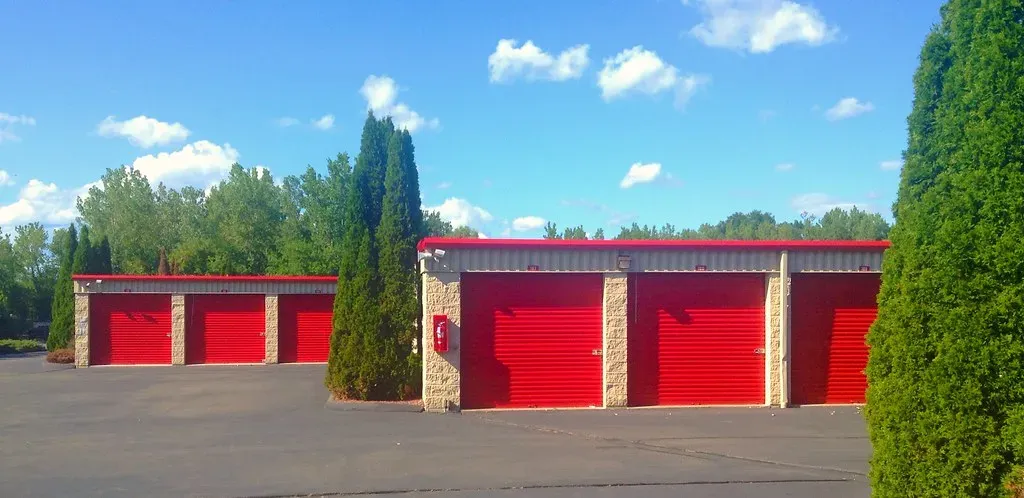
Storage Units: The Invisible Recurring Bill (JeepersMedia, Flickr, <a href="https://creativecommons.org/licenses/by/2.0/" target="_blank" rel="noopener">CC BY 2.0</a>)
Sometimes there's a gap between selling your old home and moving into your new one, or you may simply need more time to decide what to do with certain possessions. This is where storage units come in. What starts as a temporary solution tends to become a permanent monthly expense that erodes the very savings the move was meant to create.
If your new home lacks space for sentimental items or heirlooms you can't part with, you'll need to pay for storage space to house them. For items you can't sell or donate, disposal becomes an expense too. Renting a dumpster for a major cleanout can cost several hundred dollars. Specialized junk removal services, which charge by the volume of items they haul away, can also be a significant line item in your moving budget.
Restarting the Mortgage Clock at Higher Rates

Restarting the Mortgage Clock at Higher Rates (Image Credits: Unsplash)
If you purchased your home when rates were historically low, in the three percent range, selling it to buy another property at today's higher rates could backfire. Even if you're downsizing in size, you could end up with a higher monthly payment because of financing terms. This is especially painful for homeowners who have nearly paid off their mortgage and now find themselves restarting the debt clock with less favorable terms.
Mortgage rates have hovered around six and a half to seven percent throughout 2024 and 2025, nearly double pre-pandemic levels, making monthly payments significantly higher even for smaller loans. Combined with record consumer debt and slower income growth relative to rising house prices, many buyers are stretching their budgets to the limit. A smaller mortgage balance doesn't always translate into smaller monthly payments when the rate environment has shifted this dramatically.
The Risk of Moving Again Too Soon

The Risk of Moving Again Too Soon (Image Credits: Unsplash)
People often say "this is the last house I'll ever live in," but life rarely goes according to plan. Health issues, family needs, or financial shifts can force you to move again. If you downsized prematurely and drained your resources in the process, you may not have the cushion to afford another transition. Ironically, some who downsize in their 60s or early 70s find themselves moving again later, and that second move is even more draining.
Some retirees downsize with the idea that a smaller home will be easier to maintain as they age. However, not all smaller properties are senior-friendly. You might discover that your new home needs costly modifications to make it truly accessible, including widening doorways, installing grab bars, adding ramps, or replacing stairs with a lift. These accessibility upgrades add up fast and rarely factor into the original financial plan.
When Staying Put Actually Makes More Sense

When Staying Put Actually Makes More Sense (Image Credits: Unsplash)
Before committing to downsizing, it's worth considering whether other options could achieve your goals without the hidden costs. Renting out part of your existing home, taking in a roommate, or exploring a reverse mortgage may allow you to stay put while still freeing up income. You might also consider remodeling your current home to make it more manageable, rather than moving entirely. These strategies can provide additional income or reduce expenses while preserving the emotional and lifestyle benefits of staying in familiar surroundings.
In some high-cost real estate markets, downsizing from a paid-off single-family home to a smaller condo might not yield significant savings once all transaction costs, HOA fees, and potentially higher property taxes are factored in. Smaller homes do not automatically mean smaller expenses. The path to true savings lies in understanding the full cost to downsize, planning for both immediate transaction expenses and long-term budget adjustments, and aligning housing decisions with your actual goals.