
Most people tuck $2 bills away in a drawer or keep them as novelty items, vaguely aware they’re unusual but not quite sure why. That instinct to save them turns out to be surprisingly reasonable. While many people believe $2 bills are rare, there are millions still in circulation – but while most are only worth their face value, certain ones can fetch thousands of dollars on the collector’s market.
The current design, introduced in 1976 for the U.S. Bicentennial, features Thomas Jefferson on the front and an engraving of The Signing of the Declaration of Independence on the back. That familiar green note in your wallet could be worth exactly two dollars, or it could be worth considerably more. The difference often comes down to five very specific features.
The Color of the Seal Changes Everything
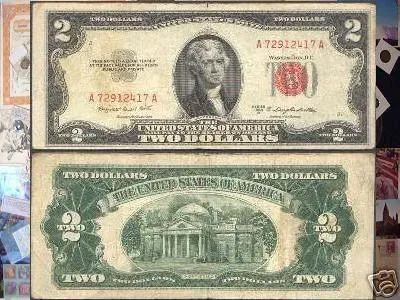
The Color of the Seal Changes Everything (Baa_Baa, Flickr, <a href="https://creativecommons.org/licenses/by-sa/2.0/" target="_blank" rel="noopener">CC BY-SA 2.0</a>)
Red seals are more valuable than modern green-sealed notes. Blue seals, found on silver certificates, often carry higher value due to their historical significance. Green seals are generally worth face value unless they have unique serial numbers or misprints.
Pre-1963 red seal bills should not be spent – these often trade for five dollars to over one hundred dollars, even in circulated condition. Pre-1928 large-size notes are rare and valuable and are definitely not for spending. The seal color is one of the fastest ways to tell whether your bill deserves a second look or a closer inspection from a professional.
Fancy and Rare Serial Numbers Are Worth Real Money
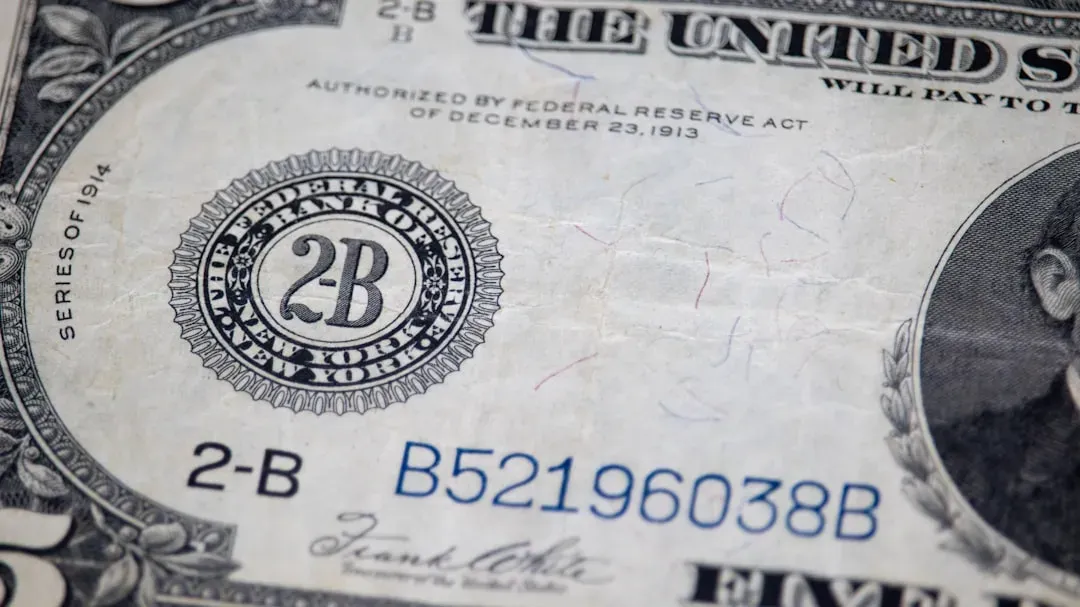
Fancy and Rare Serial Numbers Are Worth Real Money (Image Credits: Unsplash)
The most collectible serial number types include low serial numbers starting with multiple zeros such as 00000001 or 00000123, solid serial numbers where all digits are identical such as 77777777 or 99999999, ladder serial numbers that run in sequence such as 12345678 or 87654321, and repeater serial numbers with patterns like 45454545 or 23232323.
Auction records show that $2 bills with extremely low serial numbers, such as numbers under 100, have sold for thousands of dollars when professionally graded and well-preserved. Condition plays a major role, as collectors prefer crisp, uncirculated notes. In July 2022, Heritage Auctions sold a 2003 $2 bill for $2,400 – the reason cited for the high price was a "low serial number."
Star Notes Signal Rarity Right in the Serial Number
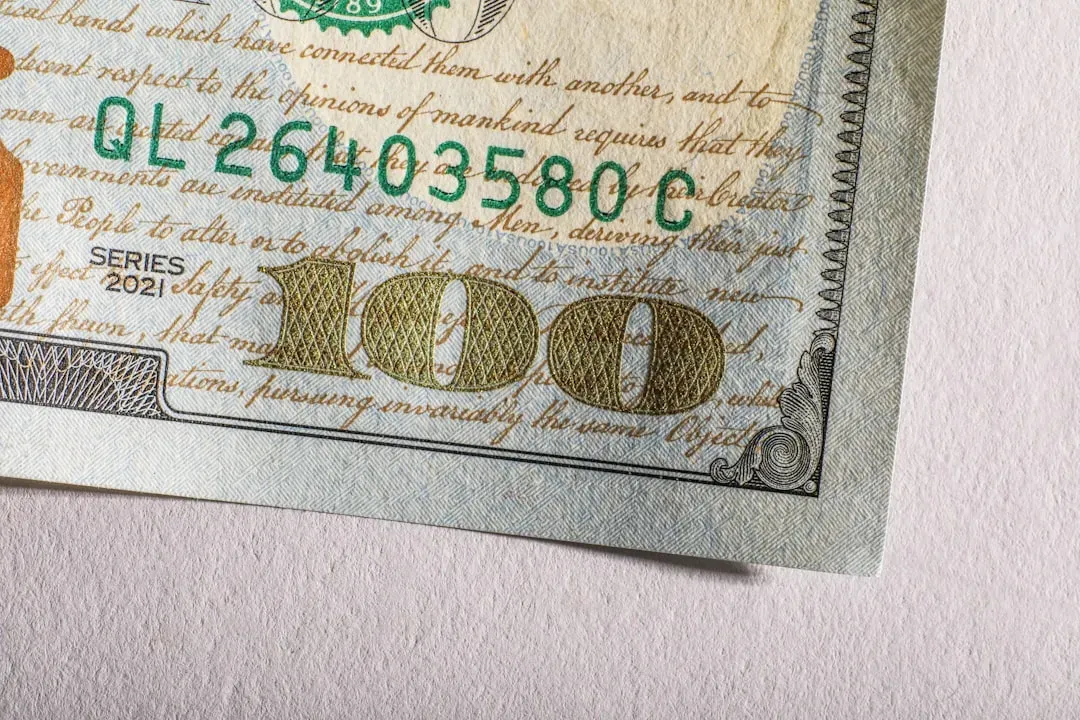
Star Notes Signal Rarity Right in the Serial Number (Image Credits: Unsplash)
If there's a star symbol after the serial number, the note is a replacement one – these are scarcer and far more collectible. Star notes exist across all series, but 1928, 1953, and 1963 star notes are especially valuable. A 1953 star note in uncirculated condition can bring over one thousand dollars.
Some 1976 $2 bills also have a star in the serial number. These were issued to replace damaged bills and were printed in smaller quantities, making them more valuable. Collector value for star notes ranges from one hundred dollars to over one thousand dollars, depending on the year and grade. It's a tiny symbol that most people walk right past.
Printing Errors Can Turn an Ordinary Bill Into a Collector's Prize
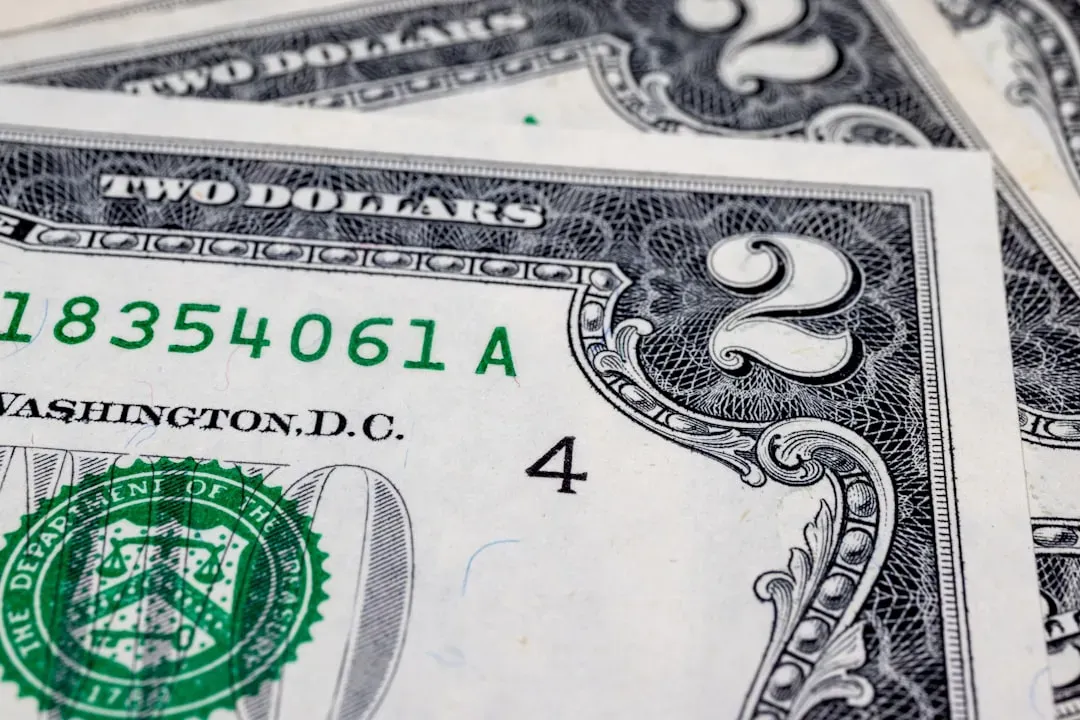
Printing Errors Can Turn an Ordinary Bill Into a Collector's Prize (Image Credits: Unsplash)
Mint errors can transform an ordinary note into a desirable collectible. These include ink smears with excess or missing ink, mismatched serial numbers where the left and right serials don't match, missing prints with blank areas or missing seals and serial numbers, and fold-over errors where part of the print is misaligned due to folding during printing.
Some $2 bills have a printing mistake where the serial number appears twice or is misaligned. These errors are very rare because most mistakes are caught before the bills are released. Finding a $2 bill with double serial numbers could make it worth far more than two dollars. A 1976 error note sold for $2,700 in 2024, which shows just how much collector demand exists for these genuine printing mistakes.
The Series Year and Overall Condition Determine the Final Value
The Series Year and Overall Condition Determine the Final Value (Image Credits: Pexels)
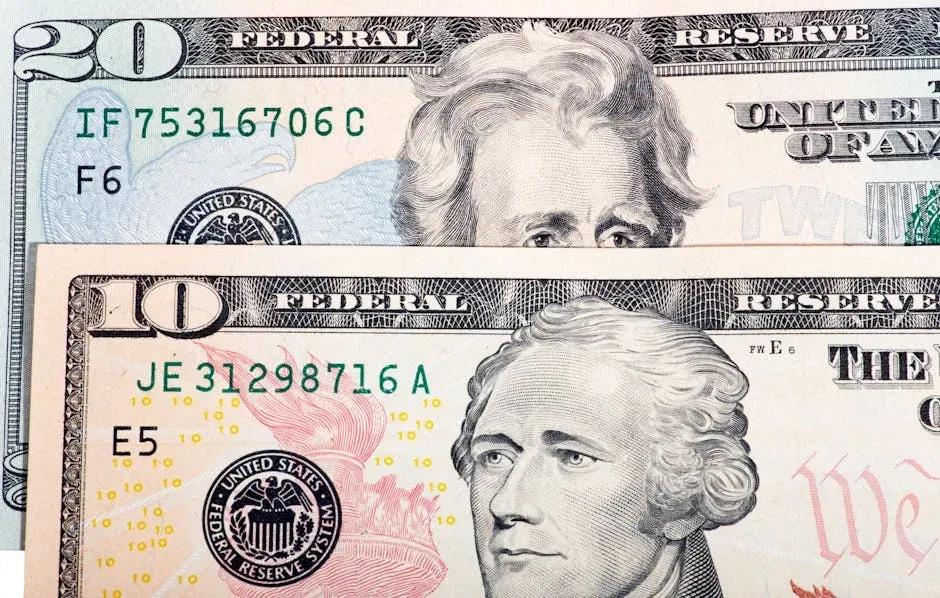
The series year printed on a $2 bill also matters. Older series are generally harder to find, especially in good condition. Bills printed before 1976 are often more valuable than modern issues. The earliest $2 bills, issued in 1862 and 1869, feature a portrait of Alexander Hamilton and are highly sought after by collectors thanks to their historical importance and limited availability.
The condition of a $2 bill critically affects its value. Bills are graded on a scale up to 70, with higher grades indicating near-mint or uncirculated states commanding higher prices. A bill graded at 65 can be worth thousands, whereas a similar bill in poor condition with a grade of 30 may only have a fraction of that value. Preservation through careful handling and professional grading can significantly impact a bill's market worth.
How to Get Your Bill Properly Appraised
How to Get Your Bill Properly Appraised (Image Credits: Unsplash)
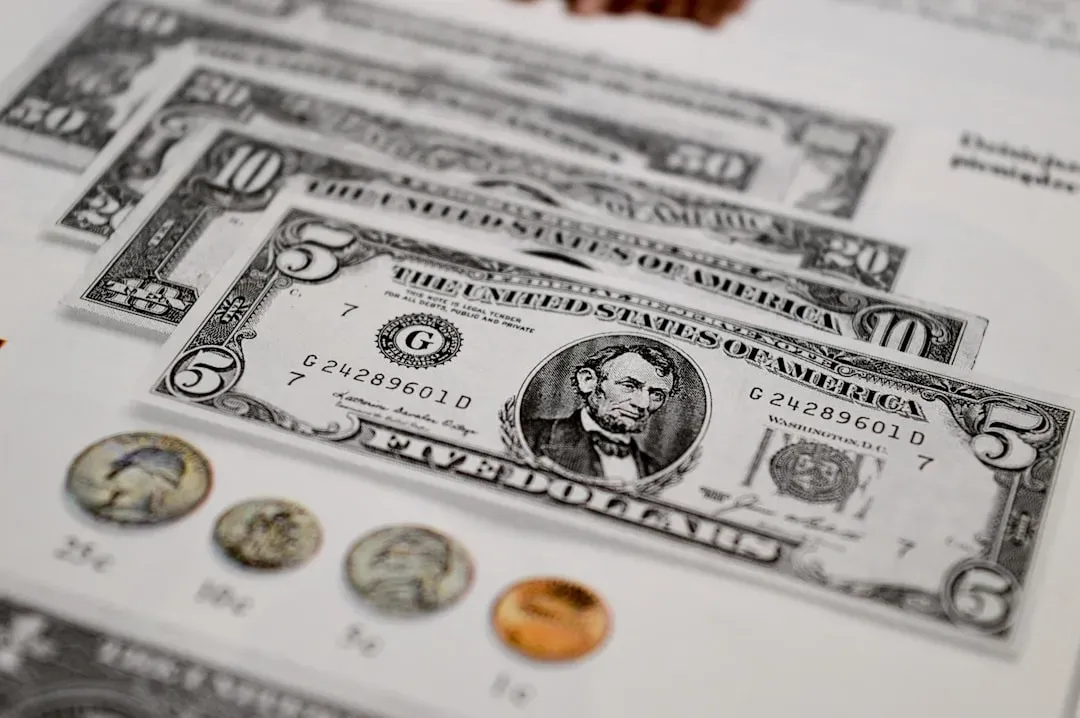
Professional grading through PCGS or PMG can authenticate and grade your bill. Online auctions like eBay or niche platforms like CoinTalk can connect you with collectors. Auction houses such as Heritage Auctions and Stack's Bowers regularly handle rare currency.
If you've found a potentially valuable note, preservation is key. Use acid-free sleeves or Mylar currency holders for storage. Handle the bill with gloves to avoid oil or moisture damage, and store it in a cool, dry, and dark place. Professional grading services often certify these bills, which adds confidence for buyers, and certified examples consistently sell for higher prices than ungraded bills with similar serial numbers.