
There’s a version of retirement that looks perfect on paper. Waterfront views, a porch wide enough for two rocking chairs, a slower pace, warmer winters. For a lot of people, that vision drives years of careful saving. Then they buy the house, move in, and somewhere around the eighteen-month mark, something quietly shifts.
Roughly seven out of ten Americans who relocated in 2024 report some level of regret, and nearly three in ten say they expected to be happier after moving but aren’t. That’s not a fringe experience. It’s practically a pattern. Here are the real reasons so many retirees end up putting that hard-won dream home right back on the market.
The Numbers Looked Right, But the Math Was Wrong

The Numbers Looked Right, But the Math Was Wrong (Image Credits: Pexels)
According to a Vanguard study, roughly six in ten relocating retirees sell homes in high-priced areas to move to more affordable locations, extracting on average about $100,000 in home equity. That sounds like a clean financial win. The problem is what happens after the moving van pulls away.
Downsizing is supposed to save money, but the transition itself can be expensive. Moving costs, repairs, new furniture, and unexpected upgrades add up quickly, and retirees often regret not budgeting for these expenses, especially when the new home requires modifications. The savings that looked so compelling during the planning phase can evaporate within the first year.
The Hidden Costs Nobody Mentions at the Open House

The Hidden Costs Nobody Mentions at the Open House (Image Credits: Unsplash)
Other unexpected costs are easily forgotten. Closing costs, insurance, homeowners association or condo fees, and property taxes can all be significant, and moving costs, purchasing new furniture, and repairs or renovations for the new home add further strain. These aren't small line items on a budget spreadsheet.
Home prices have increased significantly over the past few years, so buying a home today is very different from when retirees bought their current home. All of these costs of buying now could leave retirees regretting selling their home in the first place if they are looking to buy again. Getting priced out of your own plan is a genuinely painful realization.
Insurance Costs That Turned a Dream Into a Monthly Anxiety
Insurance Costs That Turned a Dream Into a Monthly Anxiety (Image Credits: Unsplash)
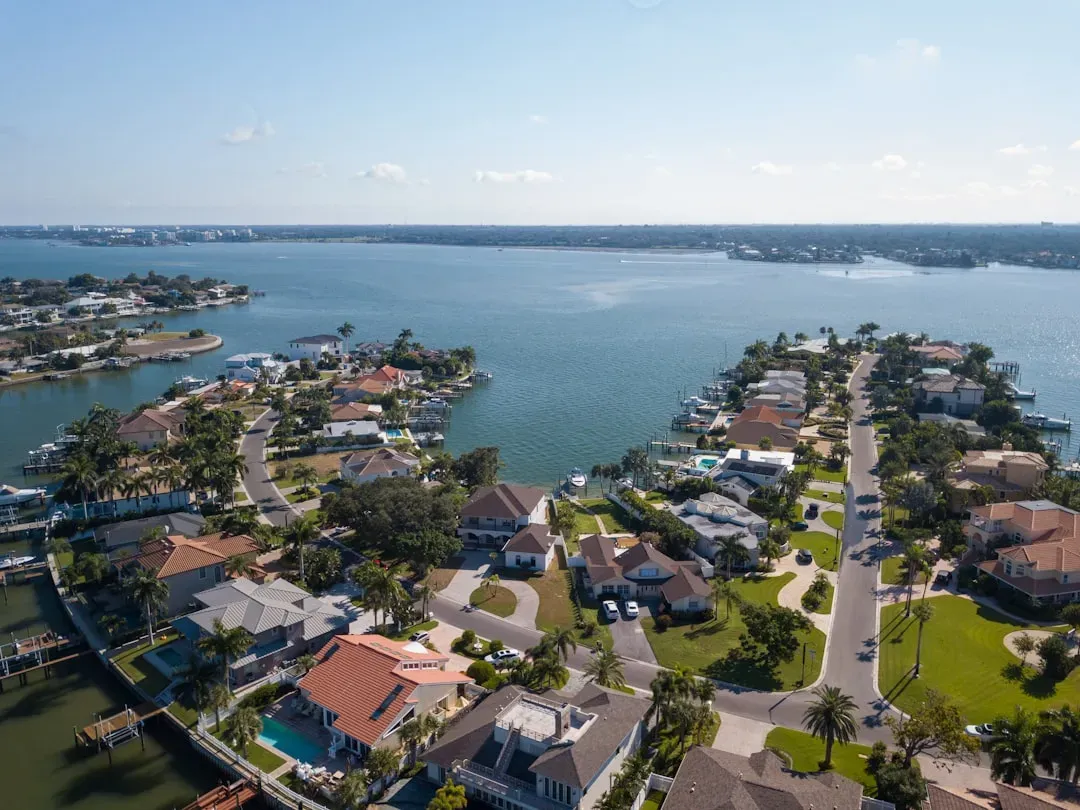
Florida remains one of the most searched retirement destinations in the country, but the insurance landscape has been brutal for newcomers. As of 2024, the average cost of homeowners insurance in Florida is projected to be approximately $11,759, reflecting a seven percent increase from the previous year, a figure significantly higher than the national average of around $2,377. That gap lands hard on a fixed income.
After relocating, many retirees encounter much higher homeowner's insurance premiums in Florida, often between $4,000 and $6,000 per year, along with increased travel costs to maintain family connections, averaging close to $4,800 per year. When all hidden and lifestyle costs are factored in, some retirees find they are actually spending thousands more per year than if they had stayed put.
The Isolation That Sets In After the Novelty Fades

The Isolation That Sets In After the Novelty Fades (Image Credits: Unsplash)
Once the novelty wears off, many retirees discover that a location optimized for tourists doesn't always suit long-term living. Overcrowded seasons, noise, lack of off-season activities, or the absence of real neighborhoods can make it hard to feel truly at home. Living full-time in a place you only ever experienced for a week at a time often comes with growing pains that can turn into lasting dissatisfaction.
More than anything, retirees tend to value proximity to friends, family, and community. Relationships are priceless and extremely difficult to recreate from scratch. Discussions about retirement usually revolve around finances and planning expenses, while one topic that is less analyzed for retirees is the idea of community and relationships.
Leaving Family Behind – and Underestimating What That Costs

Leaving Family Behind – and Underestimating What That Costs (Image Credits: Pexels)
Retirees often choose new locations based on affordability or scenery, only to realize later that they miss their support network. Distance makes spontaneous visits harder and can lead to loneliness. Many retirees report downsizing regrets about moving too far from adult children, grandchildren, or longtime friends.
Average relocated families spend close to $6,800 per year more on travel to maintain relationships, and for grandparents, that figure can jump to around $11,200 per year. That's a cost most pre-move budget projections simply don't account for, and it adds up to a real financial and emotional toll over time.
When the Weather Became the Enemy

When the Weather Became the Enemy (Image Credits: Pexels)
Dream locations often come with weather that's idyllic in one season and difficult in others. Coastal towns may bring hurricanes, mountain retreats may bring snowstorms, and desert hideaways may become unbearable in peak summer months. Some retirees find themselves trapped indoors for months at a time due to extreme heat, cold, or humidity.
Others realize too late that their "perfect weather" destination also means increased maintenance costs, seasonal insurance hikes, or evacuation risks. These realities can turn a year-round dream into a seasonal nightmare and prompt retirees to second-guess their decision. Living somewhere is not the same as vacationing there, and the distinction becomes very clear in August.
Healthcare Access That Wasn't as Simple as Expected

Healthcare Access That Wasn't as Simple as Expected (Image Credits: Unsplash)
Moving to a new state means new doctors, new networks, and sometimes higher out-of-pocket costs or longer wait times. For retirees managing chronic conditions or age-related health concerns, rebuilding an entire care network from scratch is far more disruptive than it sounds during the planning stage.
For retirees with chronic conditions or emerging health needs, inadequate access to quality care can become a major source of frustration and regret. Even if the location is ideal in every other way, inadequate access to quality care can make aging in place feel unsafe or unsustainable. A beautiful view means very little if the nearest specialist is ninety minutes away.
The Emotional Weight of Leaving a Longtime Home

The Emotional Weight of Leaving a Longtime Home (Image Credits: Pexels)
Many retirees expect downsizing to feel freeing, but the emotional impact often hits harder than expected. Years of memories – holidays, milestones, and routines – are tied to the old home, and letting go can feel like losing a piece of identity. This emotional shock is one of the most common regrets, especially for those who lived in their homes for decades.
If you've moved away from your community in retirement, it's natural to feel regret since starting over with a new routine can be challenging in your golden years. The dream home doesn't carry thirty years of Thanksgiving dinners. The old one did, and that's a gap no square footage can fill.
The Pattern: More Than Half Move Again Within Five Years

The Pattern: More Than Half Move Again Within Five Years (Image Credits: Pexels)
Historical studies show that about 53 percent of high-income relocators move again within five years. This pattern highlights a key reality: many who move for tax or lifestyle reasons find the reality more complex than expected and eventually move again, sometimes back to their original states.
As one financial planner noted, this highlights the importance of careful planning before a major move, with advisors encouraging clients to test the waters by renting for at least six months in a new area before making a permanent decision such as purchasing a home or vacation property. In fact, roughly 38 percent of retirees relocate during retirement, and outcomes vary widely, especially when decisions are made quickly or based on vacation experiences. Renting first isn't a compromise. For most people, it turns out to be the smarter path.