
Check your bank statement right now. Somewhere in those rows of charges, there’s a decent chance you’ll find at least one recurring payment for a service you haven’t thought about in months. It’s not carelessness exactly – it’s the way these services are designed. Sign-up is one click. Cancellation is another story entirely.
Nearly nine out of ten consumers underestimate their subscription spending, and roughly four in ten admit they have forgotten about a subscription entirely while still being charged. Forgotten subscriptions cost the average person around $204 per year according to a 2025 CNET survey, while Americans as a whole spend about $219 per month on subscriptions but estimate they’re spending only $86 – a gap of more than two and a half times their actual outlay. The seven categories below are the ones most likely to be quietly pulling money from your account right now.
Streaming Services You Signed Up For "Just One Show"
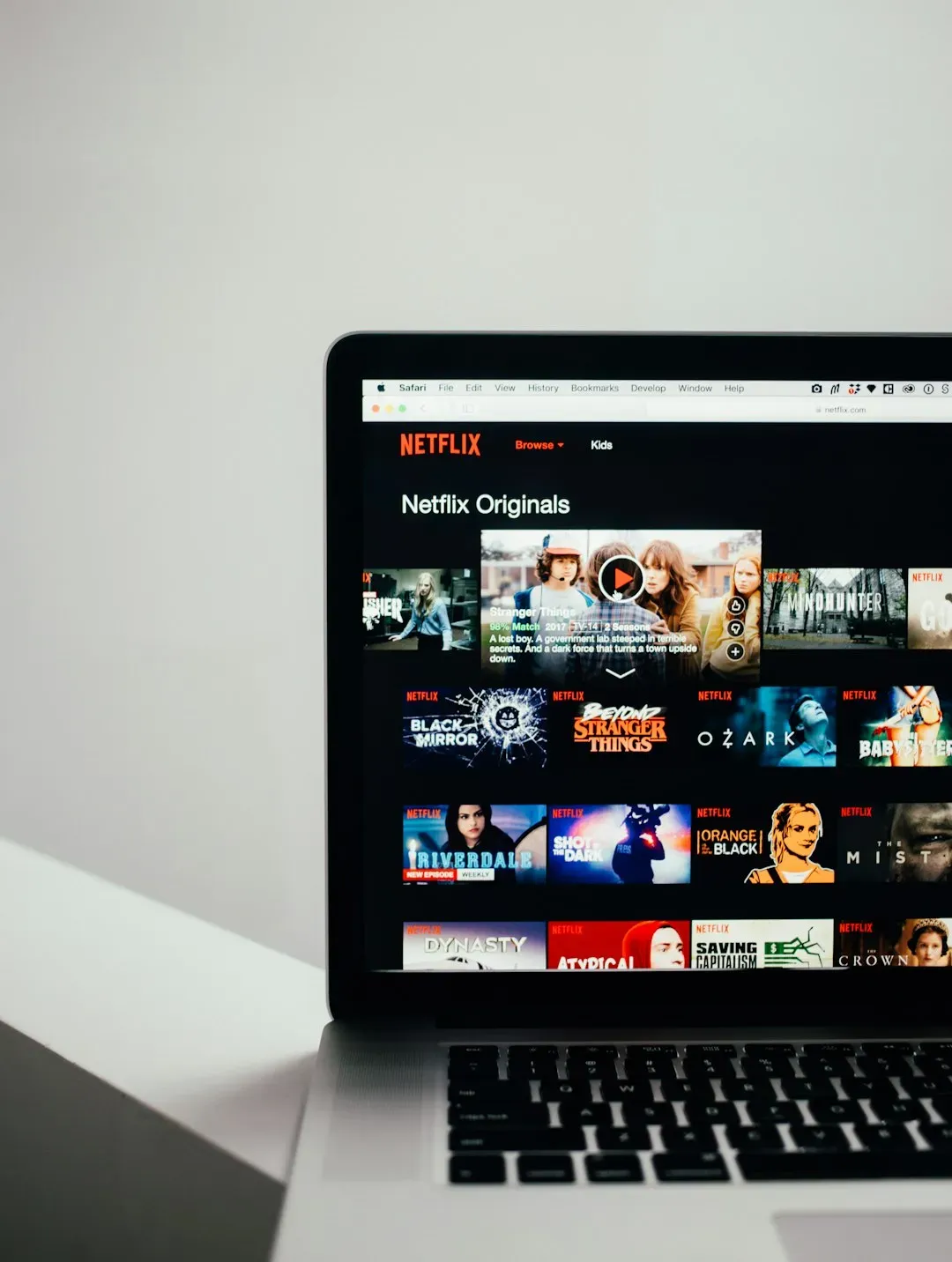
Streaming Services You Signed Up For "Just One Show" (Image Credits: Unsplash)
As of 2025, surveys show roughly 83 to 90 percent of Americans use streaming services, with the average household subscribed to more than four platforms at a time. That's a lot of monthly charges to keep track of, and the math gets uncomfortable fast. According to Deloitte's 2025 Media Trends report, the average American household spends around $69 monthly on streaming services alone.
According to a 2026 Self Financial survey, Starz is the most common unused paid streaming subscription, with Disney+ the second most forgotten, followed by Netflix. The pattern is familiar: you sign up for a specific series, finish it in a weekend, and forget to cancel before next month's charge hits. Inevitably, at least one of those subscriptions ends up sitting unused for weeks or months.
Gym Memberships That Outlived Your January Motivation

Gym Memberships That Outlived Your January Motivation (Image Credits: Unsplash)
This is arguably one of the oldest and most well-documented money drains in personal finance. An estimated 67 percent of gym members rarely or never use their memberships, and approximately $1.3 billion is wasted annually on unused gym memberships in the U.S. The business model of most gyms quietly depends on this behavior – the facilities simply couldn't handle every member showing up at once.
The average monthly gym membership fee reached $69 in 2024, up from $65 in 2023 according to the Health and Fitness Association. That's over $800 a year for a place you might visit twice in January and never again. Half of new gym members quit within their first six months. The charge keeps coming regardless, because cancellation often requires an in-person visit or a certified letter – hardly the path of least resistance.
Amazon Prime and Its Hidden Add-On Subscriptions
Amazon Prime and Its Hidden Add-On Subscriptions (stockcatalog, Flickr, <a href="https://creativecommons.org/licenses/by/2.0/" target="_blank" rel="noopener">CC BY 2.0</a>)
The FTC's lawsuit against Amazon claimed the company used deceptive user-interface designs, known as "dark patterns," to trick consumers into enrolling in and automatically renewing Prime subscriptions, with the complaint noting that sign-up and cancellation processes were confusing and led to unintentional enrollments. In September 2025, Amazon agreed to pay $2.5 billion to settle those FTC claims, including $1 billion in penalties and $1.5 billion in restitution to customers.
Beyond the Prime membership itself, the platform sells dozens of add-on channel subscriptions – Paramount+, MGM+, Starz, and others – that renew independently and separately from the main membership. Subscriptions on Prime Video, like Paramount+, remain active even if a Prime membership ends. It's entirely possible to accumulate three or four of these without realizing each one carries its own billing cycle. Amazon Prime is among the most commonly forgotten subscriptions, according to C+R Research data on forgotten subscription types.
Cloud Storage Plans You've Long Since Outgrown (or Forgotten)

Cloud Storage Plans You've Long Since Outgrown (or Forgotten) (Image Credits: Unsplash)
Cloud storage is one of those subscriptions people set up once during a moment of digital panic – phone storage full, photos at risk – and then never revisit. Microsoft OneDrive users receive 5GB free, with paid subscribers enjoying substantially more, often bundled with Microsoft 365 subscriptions. The bundling is part of what makes these charges easy to miss. You think you're paying for Office apps and don't notice the storage tier attached to it.
Google One, iCloud+, and Dropbox all operate on tiered plans that renew automatically each month or year. If a cloud storage subscription is canceled, storage limits reset to the free tier. Files above this quota remain on the service, but new uploads are blocked, synchronization stops, and files become read-only. Most people don't think about this until the moment it matters most, which is usually too late to avoid the charge for another cycle.
Music and Podcast Premium Tiers Nobody Actively Chose
Music and Podcast Premium Tiers Nobody Actively Chose (Image Credits: Pexels)
Roughly a third of U.S. adults pay for music streaming services, making it one of the more common recurring charges in a typical household budget. Still, music subscriptions are among the easiest to forget because the free tier works well enough that people often don't notice when the premium trial has flipped into a paid plan. Spotify, Apple Music, Tidal, and Amazon Music all use this conversion approach.
A 2024 CNET survey found that 48 percent of U.S. adults have forgotten to cancel a free trial before it rolled into a paid plan. Music apps are particularly guilty of offering trials through third-party bundles – a phone carrier deal, a smart speaker promotion, a student offer that expired – making it difficult to even track down where the charge originates. The monthly fee rarely rises above ten or twelve dollars, which is precisely why it slips through unnoticed for so long.
Food Delivery and Meal Kit Subscriptions You Use Sporadically

Food Delivery and Meal Kit Subscriptions You Use Sporadically (Image Credits: Unsplash)
In a 2026 Self Financial survey, nearly half of respondents said they had not made use of their DoorDash subscription in the past month, while Grubhub and Caviar subscriptions were the next most likely to go unused. Delivery subscription services typically promise free delivery and reduced fees in exchange for a flat monthly cost, which sounds reasonable when you're ordering frequently. The problem is that ordering habits shift, and the subscription doesn't.
Subscription boxes and delivery services are popular but easy to forget, and this includes meal kits, coffee deliveries, pet supplies, and more. You may have signed up for an initial discount, but now you're receiving boxes you don't need, and these services often renew automatically with skipping a month not always being straightforward. The friction around pausing is intentional. Companies know that users who manage to skip a month often forget to cancel afterward, so they stay subscribed indefinitely.
App Store and Software Subscriptions Buried in Your Settings
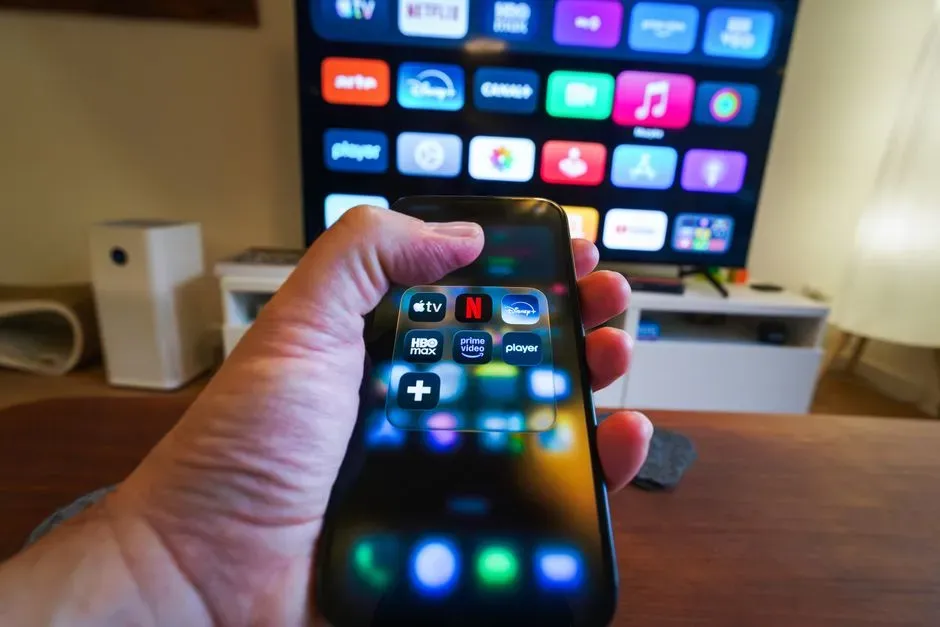
App Store and Software Subscriptions Buried in Your Settings (Image Credits: Pexels)
Subscription creep refers to the gradual accumulation of subscriptions over time that creep up on your finances without you fully noticing, and it often starts innocently with a few small monthly trials. Mobile apps are the prime driver of this. A photo editing app, a meditation tool, a PDF scanner – each one costs a few dollars a month and each one is buried in a settings menu you never open. A 2026 Self Financial survey found that 70 percent of participants have forgotten to cancel a free trial at some point, locking them into a paid subscription.
Online learning platforms follow the same pattern – people sign up for a single course on platforms like Coursera, Skillshare, or MasterClass, but find themselves paying every month long after the original interest has faded. A software tool purchased at one price in 2022 might cost significantly more by 2025, representing a substantial increase over three years with no additional value added. The compounding effect of forgotten app subscriptions, especially across both iOS and Android devices, is where many people find the biggest surprises when they finally audit their accounts.
The most useful thing anyone can do with this information is straightforward: pull up three months of bank statements and search your email inbox for the words "renewal" and "receipt." Two thirds of subscribers say they've wanted to cancel a paid subscription but didn't, with the top reasons being a fear of missing out on content or features, simple forgetfulness, and the inertia of convenience and habit. The subscriptions themselves aren't the problem – it's the ones you'd cancel in a second if you remembered you had them. Those are the ones worth finding.