
Every country has its quirks, things that feel completely natural to locals but stop outsiders cold. The United States, for all its cultural exports, is surprisingly full of them. Europeans who visit, immigrate, or simply follow American media often find themselves genuinely puzzled by certain customs, not out of judgment, but because these habits exist nowhere else in quite the same form.
Some of these traditions involve money, others involve school rituals, and a few are rooted in a kind of patriotism that feels deeply foreign to most Europeans. Here are seven that consistently raise eyebrows.
1. Tipping as a Social Obligation, Not a Reward
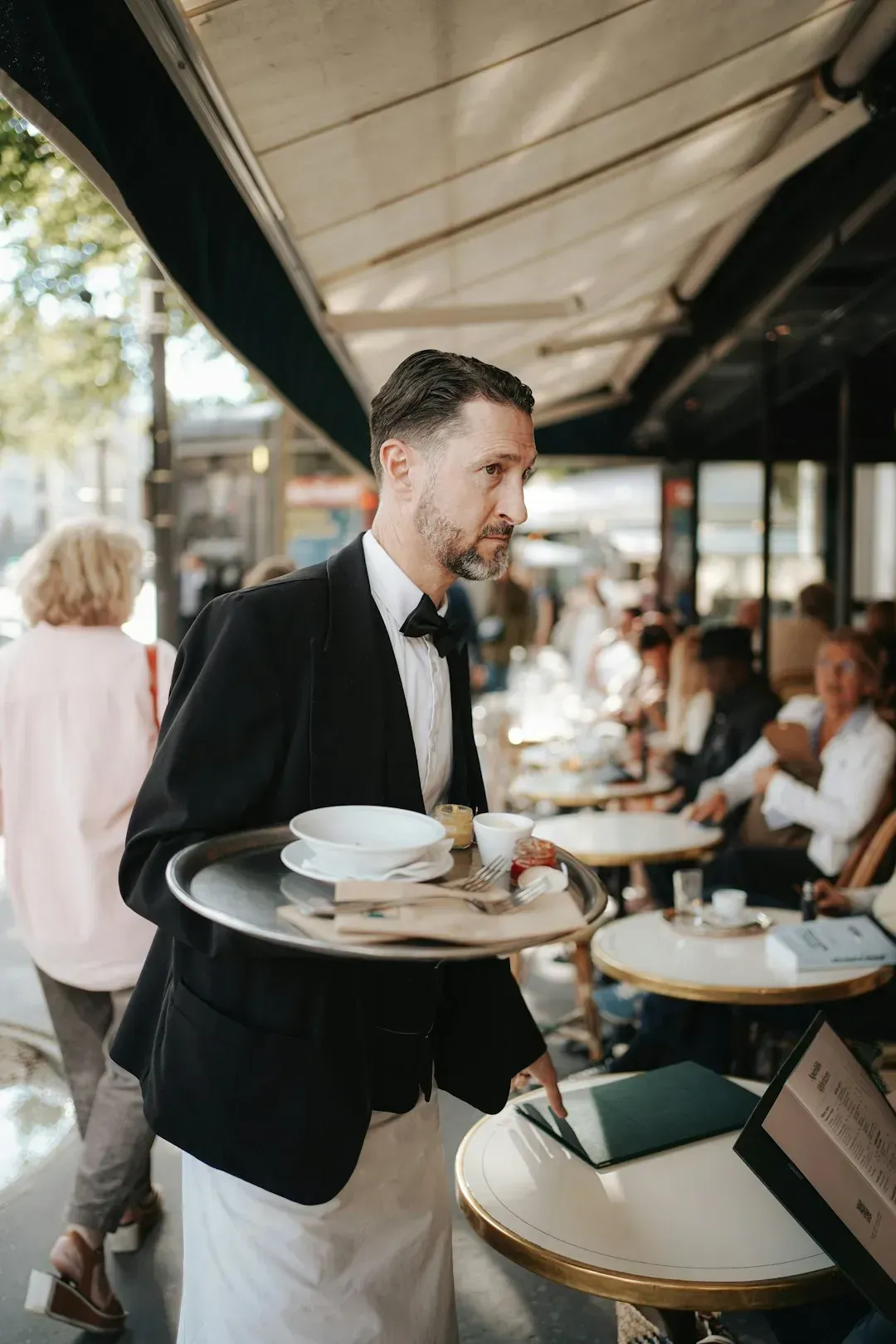
1. Tipping as a Social Obligation, Not a Reward (Image Credits: Unsplash)
Visitors to the US are often baffled by tipping culture. It’s a complex system you have to learn to navigate. Servers, bartenders, valets, hairstylists, and even baristas may all expect a tip. In Europe, a small tip for genuinely good service is a personal gesture. In America, it’s closer to a structural expectation built into the economics of the job.
In the 1960s, the US Congress established a so-called “tipping credit,” which meant that employers could pay workers below minimum wage if they earned tips. Still active in many states, this means that employees often rely on tips to make ends meet. Among those who do tip, the typical amount in Europe is either five or ten percent, with British, German, and Swedish tippers most commonly settling at ten percent. American expectations, by contrast, typically start at eighteen to twenty percent regardless of service quality.
2. The Daily Pledge of Allegiance in Schools
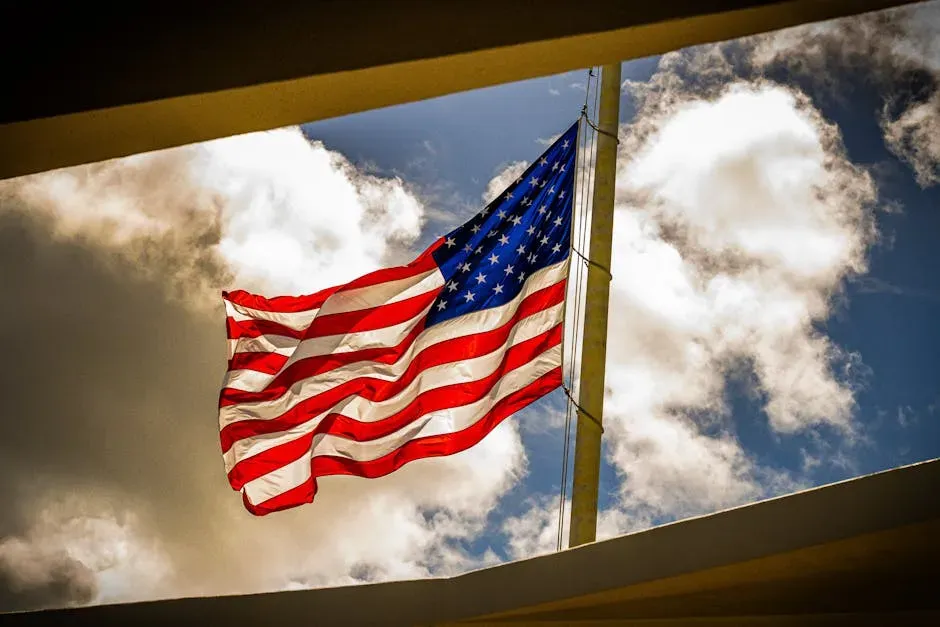
2. The Daily Pledge of Allegiance in Schools (Image Credits: Pexels)
One of the most visible patriotic rituals in the US is the recitation of the Pledge of Allegiance. For generations, schoolchildren have recited it daily. It also opens legislative sessions of the US Senate and countless other government and private gatherings. To most Americans, this is simply part of growing up. To most Europeans, it’s something else entirely.
European reactions to the pledge often range from mild discomfort to genuine unease. The concern isn’t necessarily about the content itself, such as the “under God” clause that Americans debate internally. Rather, it’s about “the very idea of having such a thing.” It doesn’t feel fascist to Americans, but it sure can feel that way if you’re not one. All states except Nebraska, Hawaii, Vermont, and Wyoming require a regularly scheduled recitation of the pledge in public schools.
3. Tipping Prompts Appearing Absolutely Everywhere

3. Tipping Prompts Appearing Absolutely Everywhere (Image Credits: Pexels)
If a tip screen appears at a self-checkout machine and no one is there to collect it, the situation becomes genuinely confusing. Tipping prompts have found their way into digital kiosks at airports, farmers’ markets, doggie daycares, convenience stores, sports stadiums, spas, and gas stations, leaving customers unsure where their tips are even going. For Europeans visiting the US, encountering a tip request at a self-serve kiosk can feel almost surreal.
While the original point of tipping is supposed to be a thank-you for good service, many Americans will leave a tip even if they receive poor or even terrible service. One in five American diners who ever tip, and who have experienced terrible service, nevertheless say they gave a tip every time or most times. That kind of near-automatic tipping is essentially unrecognizable to most Europeans, where the gesture is tied directly to the experience.
4. Homecoming: A School Ritual with Its Own Royalty
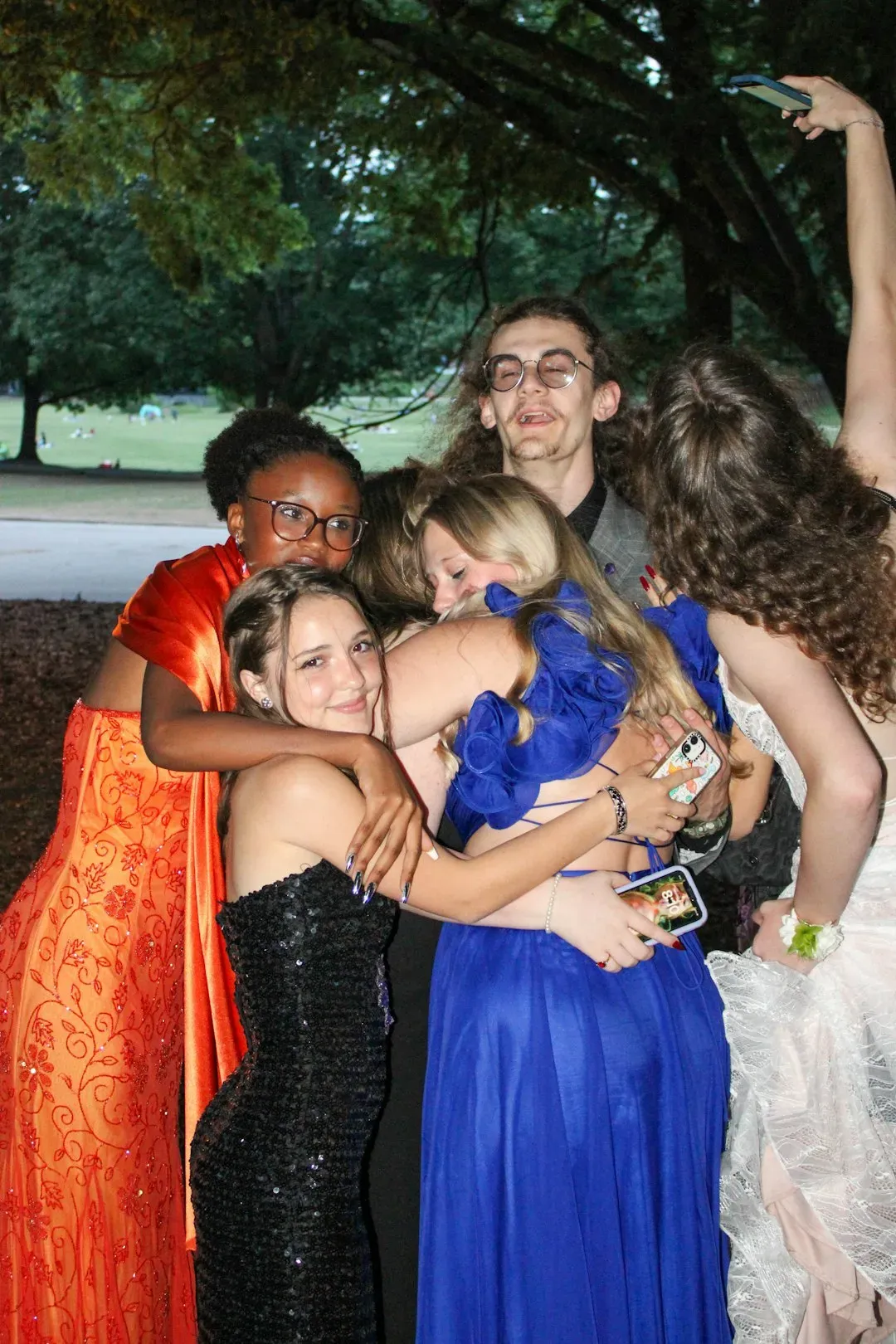
4. Homecoming: A School Ritual with Its Own Royalty (Image Credits: Unsplash)
Homecoming is the tradition of welcoming back alumni or other former members of an organization to celebrate its existence. It’s a tradition in many high schools, colleges, and churches in the United States and Canada. People, towns, and schools come together, usually in late September or early October, to welcome back former members of the community, built around a central event such as a banquet or dance and most often a game of American football.
Activities usually consist of a football game played on the school’s home field, events for students and alumni, a parade featuring the school’s choir, marching band and sports teams, and the coronation of a homecoming queen and at many schools a homecoming king. The idea of a school electing its own royalty, complete with a crown and formal ceremony, is something that genuinely doesn’t translate for most Europeans, who tend to keep school and pageantry in very separate categories.
5. Prom: A Formal Event That Rivals a Wedding in Scale
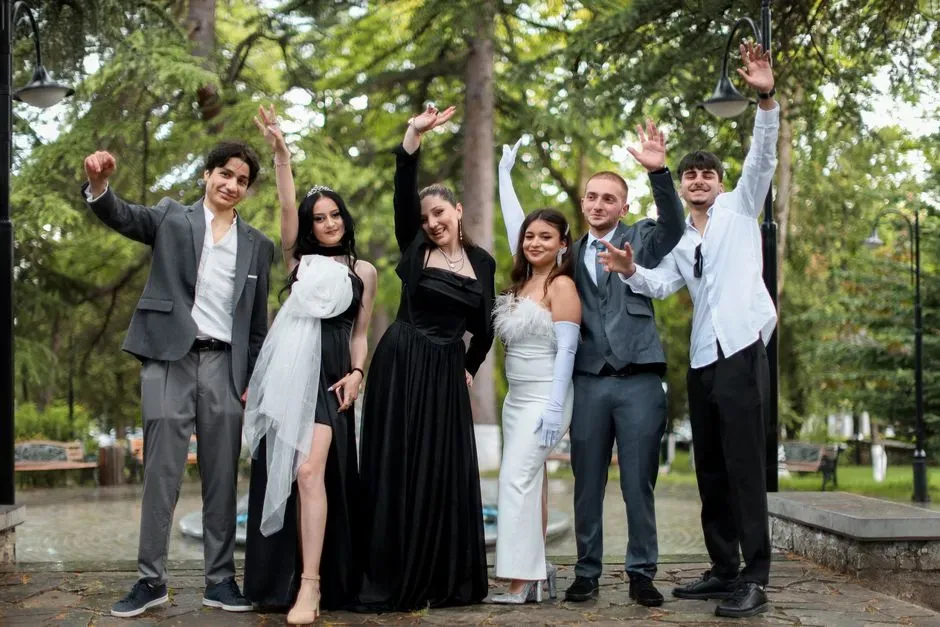
5. Prom: A Formal Event That Rivals a Wedding in Scale (Image Credits: Pexels)
A rite of passage for American teenagers, prom involves elaborate formalwear, corsages, and dancing, with some schools even electing prom kings and queens. A prom takes place in the spring, shortly before graduation. There is generally a junior prom and a senior prom, with the senior one being far more formal. The spend around prom in American households can run into hundreds or even thousands of dollars per student.
In the United States, proms are typically held for high school students at the end of the school year, while homecoming dances are typically held during the fall. In the United Kingdom, “proms” are more similar to graduation ceremonies and are not typically associated with dancing or large social events. Prom is generally considered a more formal affair, often involving fancy gowns, tuxedos, and elaborate planning. Europeans often watch American prom coverage with a mixture of admiration and genuine bafflement at the sheer production involved.
6. Prescription Drug Advertisements on Television

6. Prescription Drug Advertisements on Television (Image Credits: Pixabay)
Another oddity of American advertising is the spots for prescription medication during commercial breaks. Foreigners might not immediately realize that soft-focus commercials featuring happy couples prancing through fields are advertising medications for diabetes or back pain. However, if the commercial itself isn’t clear, the long list of side effects rattled off at the end should offer a clue. The US and New Zealand are the only two countries in the world that permit direct-to-consumer advertising of prescription drugs.
In most European countries, advertising prescription medication directly to the public is prohibited. The reasoning is straightforward: drugs are a medical decision between a patient and a doctor, not a consumer choice. In America, these advertisements are everywhere, and unsurprisingly they confuse foreign visitors. Sitting through an American television commercial break for the first time, many Europeans find themselves genuinely unsure whether they’re watching a lifestyle ad or a pharmaceutical one, often until the final ten seconds of rapidly spoken side-effect warnings.
7. The American Breakfast as a Sugar Delivery System
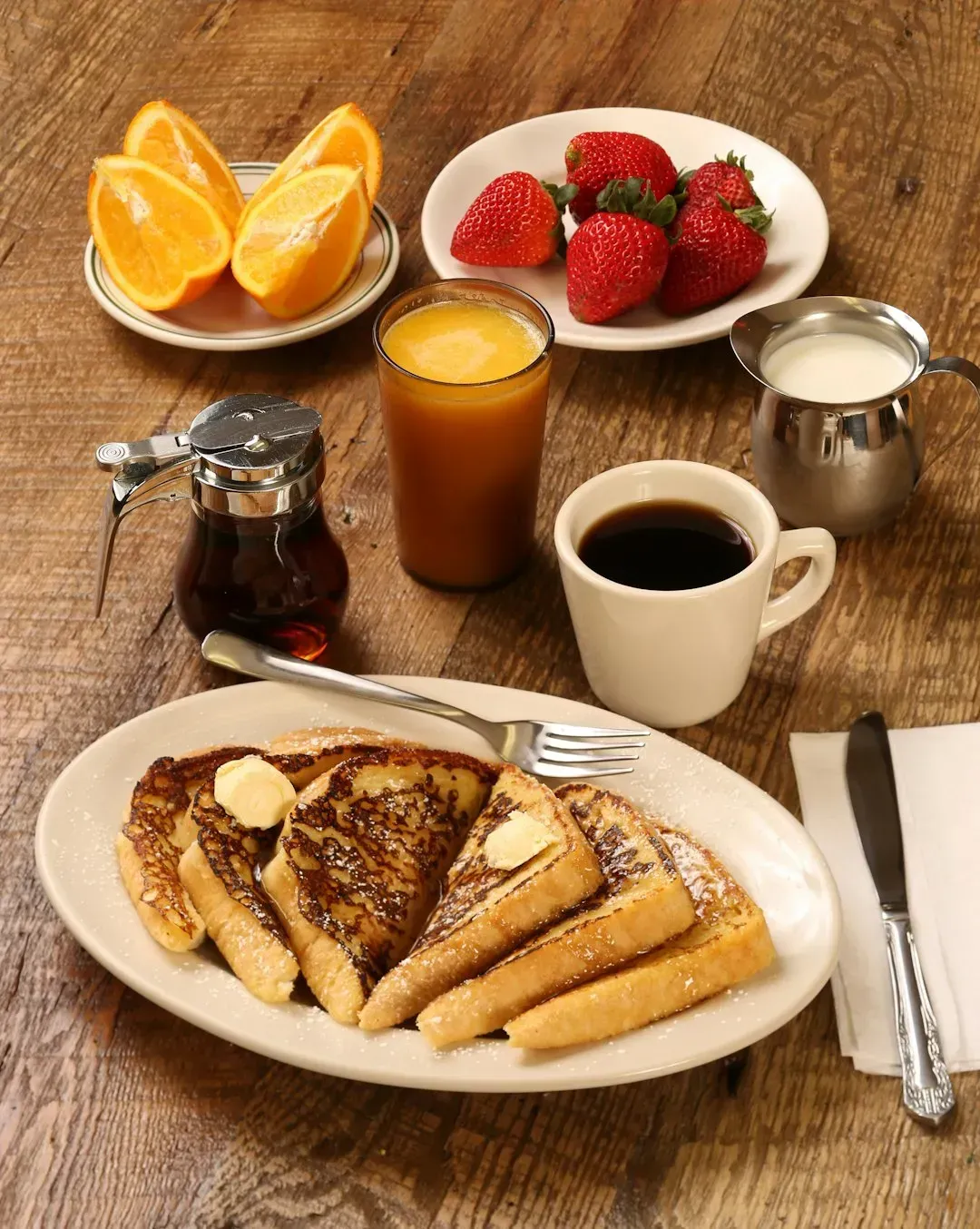
7. The American Breakfast as a Sugar Delivery System (Image Credits: Unsplash)
The American breakfast features a selection of European-sounding foods that no European would actually think to eat in the morning. Pancakes, French toast, Belgian waffles, muffins, bagels, and Danish pastry are just a few things typically found at an average hotel in the US. There is hardly any cheese or charcuterie, let alone fresh fruit, and any yogurt available is usually sweetened. It’s a meal that reads as dessert to most continental Europeans.
Foreigners find themselves downright baffled at how sweet and sugary bread itself is in the United States. Who knew that enjoying a sandwich at lunch could feel like a trip to the dentist? Europeans ordering coffee alongside that breakfast face another challenge: the smallest size on offer is about five times larger than anything available in Europe. The combination of sweet bread, sweet toppings, and a bucket of flavored coffee is, for many Europeans, a memorable culture shock that arrives before the workday has even begun.
None of these traditions are strange in isolation, they make sense within the context that produced them. Tipping exists because of wage laws. The pledge reflects a particular history of nation-building. Prom and homecoming are deeply embedded in the social fabric of American adolescence. Viewed from outside, though, they form a portrait of a country that has developed its own very specific rituals, ones that took shape far from the norms Europeans grew up considering universal.