
Most people don’t think of themselves as careless with money. They shop sales, use loyalty cards, and tell themselves they’re being smart. Yet a handful of spending habits quietly drain hundreds, sometimes thousands, of dollars every year, and most people never notice because the losses happen one familiar purchase at a time.
Genuinely frugal people have a different relationship with certain product categories. They’ve figured out that the price gap between branded and generic, new and used, name-recognition and no-name often has little to do with actual quality. Here are eleven places where that gap is the widest, and where the savings are very real.
1. Store-Brand Groceries
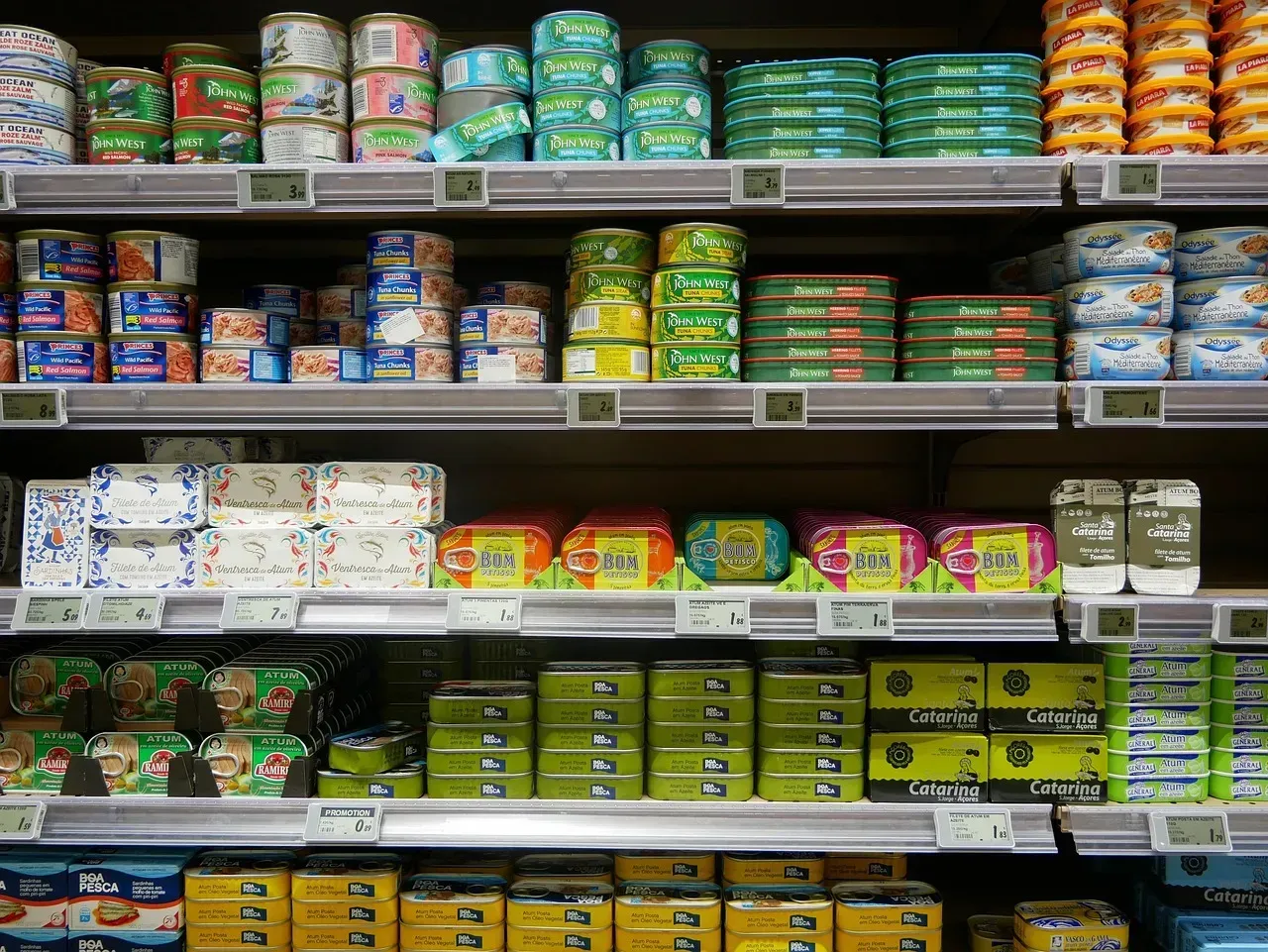
1. Store-Brand Groceries (Image Credits: Pixabay)
From Albertsons to Walmart, most retailers sell their own store brands, which tend to be cheaper than national brands while often delivering the same quality. In fact, many store-brand products are made at the same facilities as the national name brands, meaning shoppers are essentially paying extra for packaging and advertising. That’s a meaningful distinction, especially when grocery prices are still noticeably higher than they were just a few years ago.
Store brands can cost roughly fifteen to twenty-five percent less than their national name-brand counterparts, and that discount climbs even higher, to somewhere between thirty-five and fifty percent, for personal care and health products. Some shoppers who switch mostly to generic products report saving as much as forty percent on their total grocery bill. For a household spending several hundred dollars a month on food, those percentages add up to a genuinely significant sum.
2. Generic Over-the-Counter Medications

2. Generic Over-the-Counter Medications (Image Credits: Unsplash)
On average, generic medications cost approximately seventy-nine percent less than their brand-name counterparts. For commonly used medications such as allergy relief, patients can save up to eighty-three percent per prescription by choosing the generic alternative. The active ingredients are identical under FDA rules, so the only real difference is the name on the box.
At Walmart, two hundred tablets of Advil cost just under fifteen dollars. The same count of the store-brand ibuprofen costs around four dollars, representing a savings of over seventy percent. A similar pattern holds for allergy tablets: name-brand cetirizine runs about sixty cents per pill, while the store equivalent containing the exact same active ingredient costs roughly twenty-three cents per pill. Frugal people have known this for years. Most everyone else keeps buying the box with the recognizable logo.
3. Used Cars

3. Used Cars (Image Credits: Unsplash)
New vehicles take their biggest hit to market value in the very first year, with most cars losing twenty percent or more of their original value. Over five years, cars often shed around sixty percent of their original purchase price. That depreciation curve belongs to the first buyer, and it’s steep.
In 2025, the average three-year-old vehicle cost roughly thirty-one thousand dollars. Buying used means letting someone else absorb that massive initial loss while still getting a car with modern safety features and reliable performance. Used cars have already taken the biggest hit on depreciation, meaning the second owner loses far less value over time. Frugal buyers understand that patience at the point of purchase can be worth many thousands of dollars in the long run.
4. Refurbished Electronics
4. Refurbished Electronics (Image Credits: Unsplash)
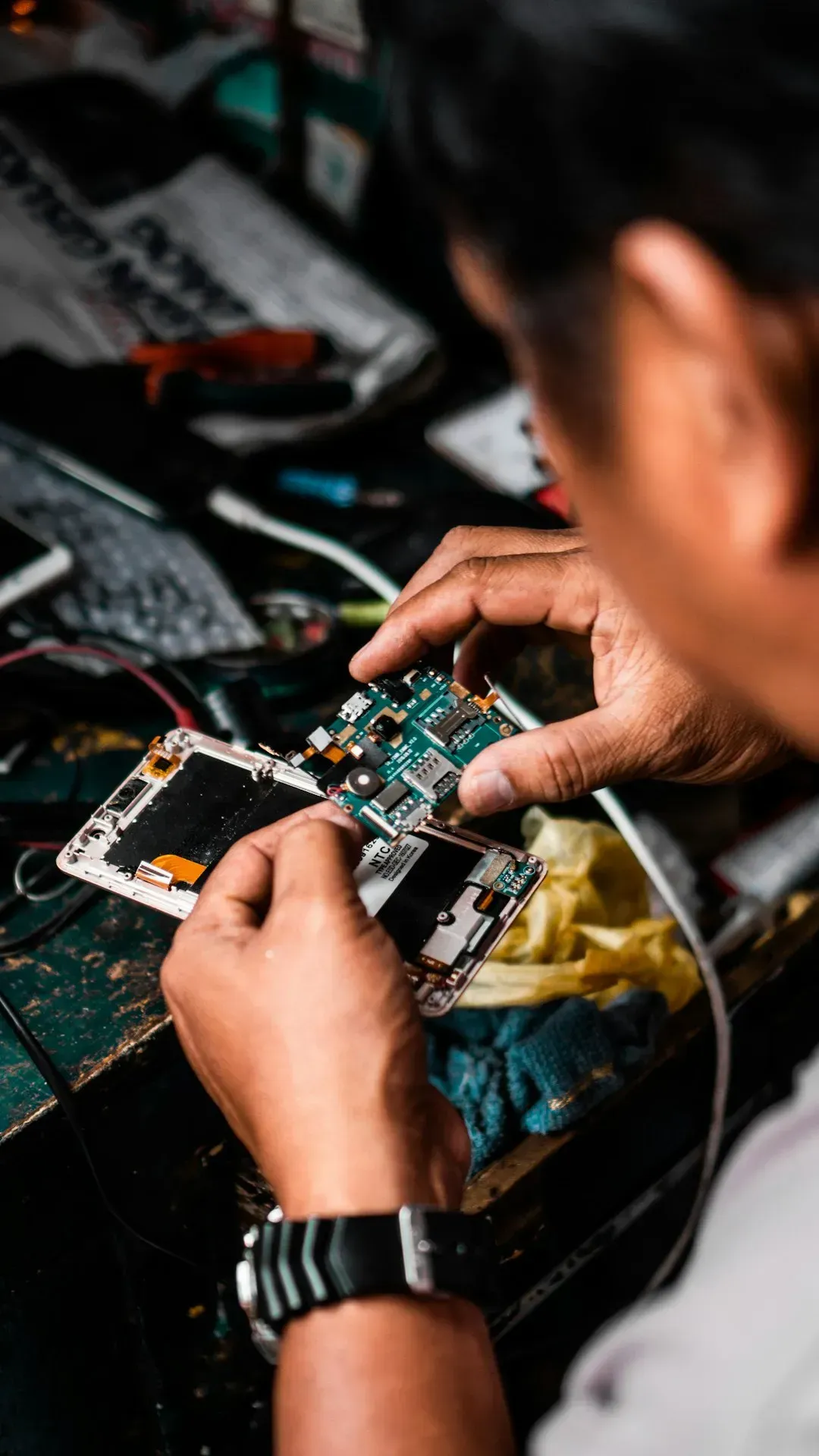
New electronics come with a hefty price tag, but frugal consumers don’t pay full price for the latest model. Instead, they opt for slightly older versions, often choosing refurbished laptops, tablets, and phones that have been professionally inspected and certified. This approach offers substantial savings without sacrificing performance.
The refurbished market has matured considerably. Major retailers and manufacturers now sell certified refurbished devices with full warranties, so the risk is much lower than it used to be. Someone who buys a certified refurbished flagship phone from the previous model year can often save a third or more of the retail price for hardware that is, in practical daily use, essentially identical to what’s sitting in the new display case.
5. Pantry Staples Bought in Bulk
5. Pantry Staples Bought in Bulk (Image Credits: Unsplash)
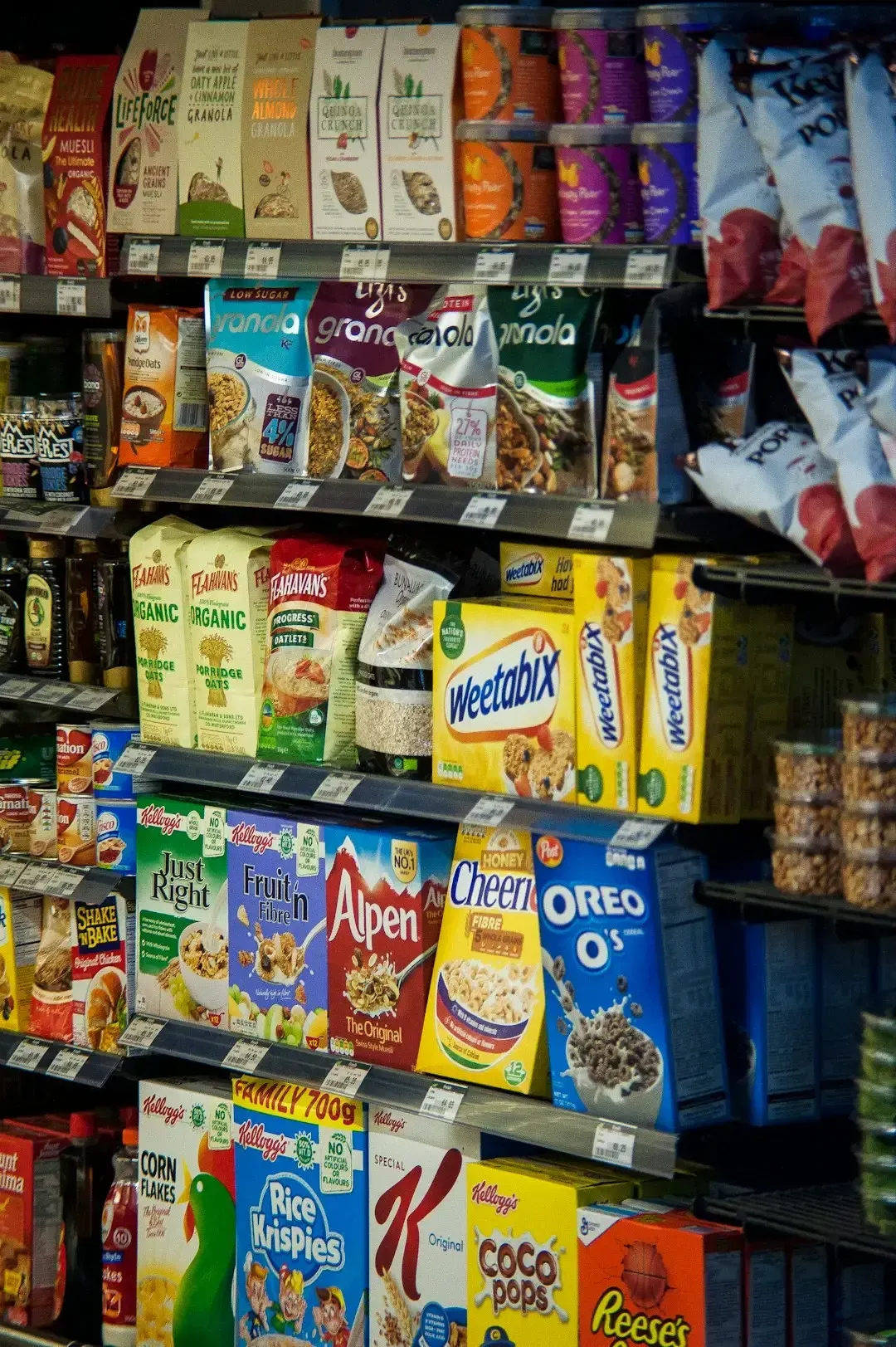
Buying in bulk can be a genuine game-changer when done strategically. Frugal shoppers focus on non-perishable staples like rice, pasta, beans, and spices, and they save by buying meat in bulk and freezing portions for later use. The price per unit on these items drops meaningfully when you buy in larger quantities.
Bulk buying works best when focused on non-perishables and staples used regularly, such as beans, canned tomatoes, olive oil, coffee, or peanut butter. Freezer space opens up even more options for meat, bread, and other freezable items. Wholesale clubs like Costco or Sam’s Club can offer real savings on this approach, though it’s worth weighing the cost savings against any membership fee. The key, as frugal shoppers know, is buying only what you’ll actually use before it spoils.
6. Frozen Fruits and Vegetables
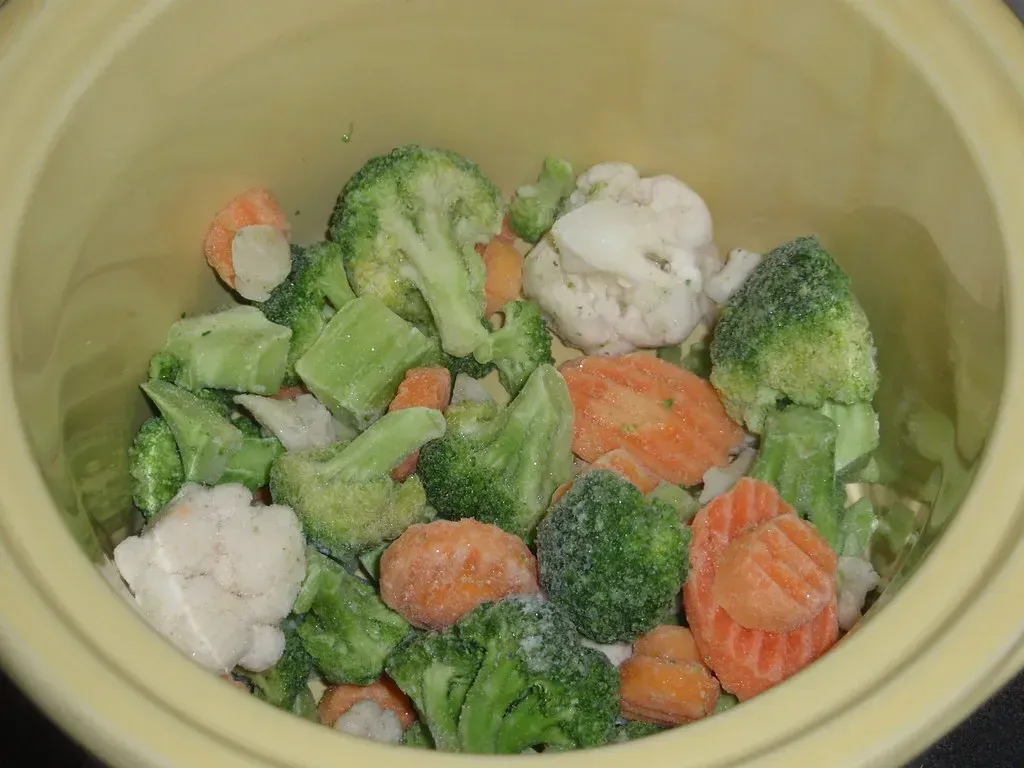
6. Frozen Fruits and Vegetables (Joelk75, Flickr, <a href="https://creativecommons.org/licenses/by/2.0/" target="_blank" rel="noopener">CC BY 2.0</a>)
Frozen foods generally cost less compared to their fresh counterparts, so adding frozen produce to your grocery list can reduce costs while also extending the shelf life of what you buy. The nutritional difference between fresh and frozen vegetables is minimal for most produce, since freezing locks in nutrients shortly after harvest. Fresh vegetables sitting in transit or on a store shelf for several days can sometimes have lower nutrient levels by the time they reach your plate.
Fresh broccoli can cost around two dollars per crown, while an entire bag of frozen florets costs about two-fifty and lasts several months in the freezer. That math is hard to argue with. Frozen vegetables are also packed with nutrients and can last at least six months in the freezer, which means far less food waste compared to fresh produce that gets forgotten in the back of the crisper drawer.
7. Generic Prescription Drugs

7. Generic Prescription Drugs (Image Credits: Pexels)
In the United States, generics make up ninety percent of all prescriptions filled but account for only twelve percent of total spending on prescription drugs. Conversely, brand drugs make up only ten percent of prescriptions filled while adding up to a staggering eighty-eight percent of total prescription drug spending. That disparity is striking, and it reflects how much money people leave on the table by defaulting to the brand-name option at the pharmacy.
In 2024, three-point-nine billion generic prescriptions were filled, and Americans spent ninety-eight billion dollars on generic medicines, compared to a staggering seven hundred billion dollars on brand-name drug prescriptions. Frugal people ask their doctors and pharmacists about generic alternatives as a matter of habit. It’s one of the highest-impact single swaps available to the average household budget.
8. Extended Warranties
8. Extended Warranties (Image Credits: Unsplash)
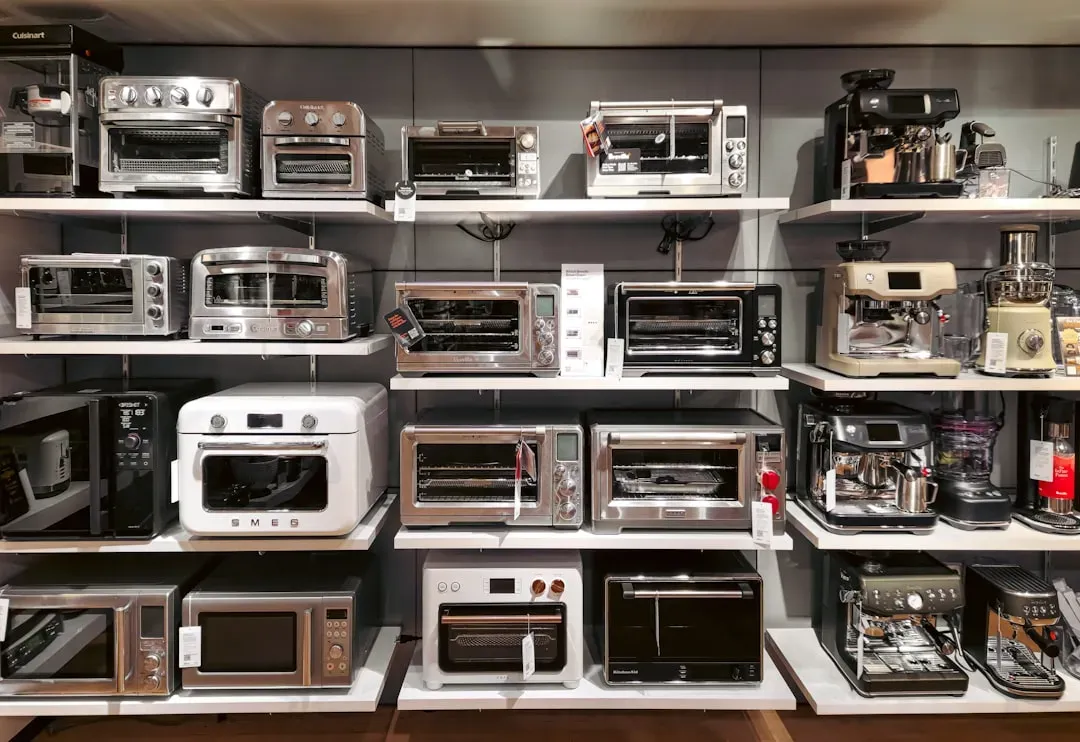
Whether at a checkout counter for a small appliance or in a finance office for a new car, the extended warranty is a high-margin product for the seller, not a benefit for the buyer. U.S. manufacturers paid out over twenty-nine billion dollars in claims in 2024, but they collected vastly more in premiums. The entire industry is built on the statistical probability that most buyers will never use the coverage.
Extended warranties are almost universally considered a poor deal for consumers. They generate enormous revenue for sellers, with the market reaching one hundred and eighty-seven billion dollars in 2024. Consumer Reports and other independent analysts broadly agree that the only thing guaranteed by an extended warranty is that you’re being overcharged. The frugal alternative is simple: take the money you would have spent on the warranty and put it in a savings account. If the item breaks, the cash is there. If it doesn’t, you keep it.
9. Bottled Water

9. Bottled Water (Image Credits: Pexels)
Bottled water costs approximately two thousand times more than tap water. For a family of four that relies on bottled water regularly, the annual drain on the household budget can exceed one thousand dollars. It’s one of those expenses that feels minor per unit but accumulates to a surprisingly large number by year’s end.
A 2024 study found an average of two hundred and forty thousand plastic fragments in a single liter bottle of water, adding a health concern to the financial one. A high-quality under-sink filter or a filtered pitcher solves the problem cleanly, and typically pays for itself within just a few weeks. Frugal households made this switch long ago. The convenience premium of single-use plastic bottles, examined honestly, is hard to justify.
10. Clothing from Thrift and Secondhand Stores

10. Clothing from Thrift and Secondhand Stores (Image Credits: Pexels)
Fast fashion fills closets with influencer-worthy apparel that looks cheaply made because it isn’t meant to last more than a season. Frugal shoppers favor simple, well-made clothing in versatile shapes and colors, selecting items that can be worn year over year across multiple settings. The better move, for both quality and price, is often the secondhand market.
Frugal shoppers buy second-hand regularly. They know that designer brands don’t have to come with luxury price tags, and that thrift stores contain plenty of well-priced, genuinely useful items. A lot of people buy new items, barely use them, and then list them on platforms like Facebook Marketplace for fifty to seventy-five percent less than they originally paid. The patient shopper benefits directly from that habit.
11. Food Delivery Apps
11. Food Delivery Apps (Image Credits: Unsplash)
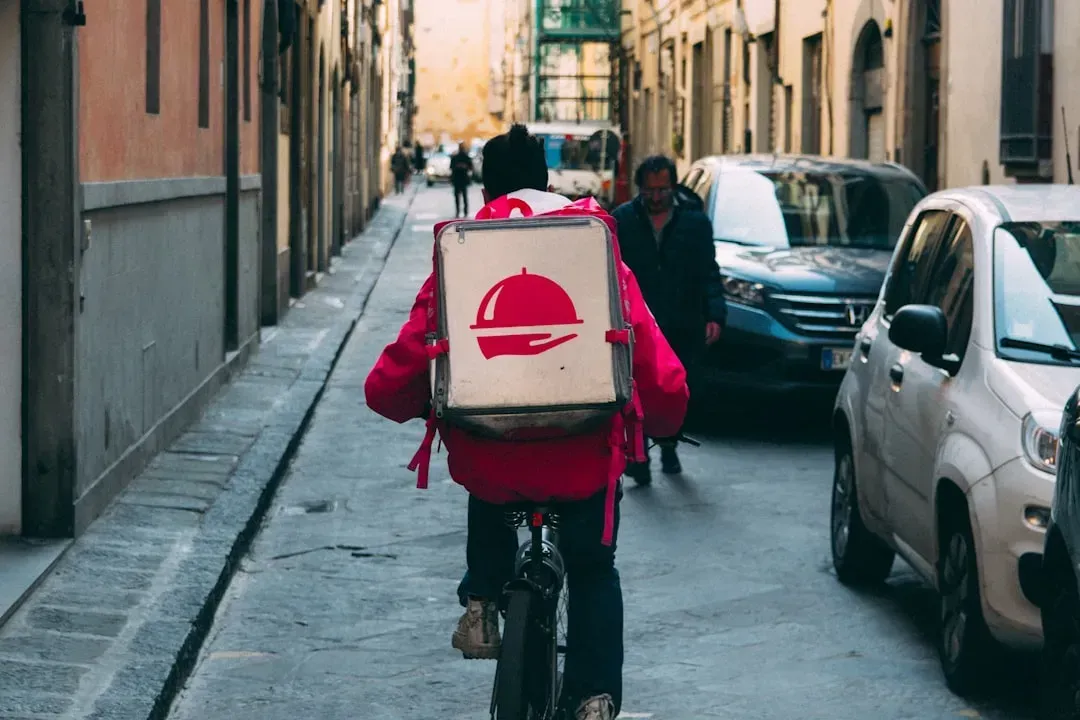
The convenience premium on food delivery is staggering. Between menu markups, service fees, delivery fees, and tips, the cost adds up fast. Ordering a meal through an app can result in an eighty percent markup over the in-store price, and compared to cooking at home, delivery is over six hundred percent more expensive. That’s not a rounding error. It’s a fundamentally different spending category masquerading as a small indulgence.
Frugal people don’t necessarily avoid restaurants entirely. They just skip the middleman. Picking up food directly, rather than having it delivered, eliminates delivery fees, service charges, and the tip on top of the tip that app platforms now routinely suggest. Instead of paying eighty dollars for a delivery order, a frugal person might put a thirteen-dollar lasagna in the oven. The food is hotter, the bill is smaller, and the difference over the course of a month is meaningful enough to notice.
The pattern across all eleven of these categories is the same: a price gap that has little connection to actual quality, sustained mostly by habit, branding, and the quiet assumption that paying more means getting more. Frugal people test that assumption. More often than not, it doesn’t hold up.