
Words spoken inside a home carry a different kind of weight than words spoken anywhere else. A teacher’s offhand comment fades. A friend’s criticism stings for a week. But something a parent says, whether in a tender moment or a frustrated one, can lodge itself deep in a child’s memory and stay there for decades. The dynamic makes sense when you consider the sheer scale of the relationship. Parents are a child’s first mirror, first audience, and first judge, all at once.
Research consistently confirms that parents have a significant amount of influence over how and what their children recall, and those who talk frequently with their children are more likely to raise kids who remember experiences with rich emotional detail. The words parents choose, then, are not just communication. They’re architecture. They shape the internal voice a child carries into adulthood. Here are twelve of the most enduring things parents say, and why they stick.
1. "I Love You"

1. "I Love You" (Image Credits: Pexels)
Of all the things a parent can say, this may be the simplest and yet the most consequential. Children often don’t possess the mental capacity to figure out that their parents love them based on actions alone. They need the words to feel loved. That need doesn’t fade quickly either. It shapes how children understand relationships, what they expect from others, and how easily they trust.
Research from Child Trends, a nonprofit organization focused on improving the lives of children, supports the idea that warmth and affection expressed by parents results in lifelong positive outcomes, including higher self-esteem, better communication, and fewer psychological and behavioral problems. Three small words. Enormous reach.
2. "I'm Proud of You"

2. "I'm Proud of You" (Image Credits: Pexels)
Children, especially young ones, constantly look to their parents, the most influential adults in their lives, for the signal that they are doing something right and that they have achieved something. Hearing a parent say they’re proud, particularly when it’s tied to character and effort rather than only to grades or medals, gives that signal with unmistakable clarity.
Children need to know their parents are proud of them for who they are, not only for what they achieve. They need to know they don’t have to produce impressive results to earn that validation. When pride is expressed this way, children grow up with an internal compass rather than an external one, which is a genuinely meaningful distinction.
3. "You're Not Good Enough"

3. "You're Not Good Enough" (Image Credits: Unsplash)
This one stays for all the wrong reasons. Understanding how parental criticism influences self-esteem is key to helping those who struggle with feelings of worthlessness later in life, and theorists such as John Bowlby have greatly contributed to our understanding of how children internalize parental feedback. A child who hears this message, even once in a moment of parental frustration, often internalizes it as a permanent truth about themselves.
Donald Winnicott proposed that a parent’s role is to provide a holding environment where a child feels secure enough to develop a resilient sense of self. Persistent or harsh criticism can undermine this environment, leading to a “false self” where a child feels the need to conform to parental expectations at the expense of their own self-worth. That internal tension frequently follows people well into adulthood.
4. "I Believe in You"
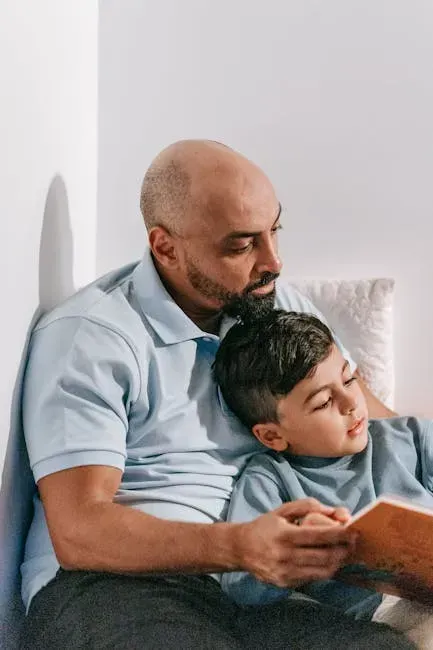
4. "I Believe in You" (Image Credits: Pexels)
Research in educational psychology shows that parental support of curiosity and intrinsic motivation predicts lifelong learning and creativity. When a parent verbally expresses belief in a child’s capacity to figure things out, to push through difficulty, to succeed on their own terms, that message becomes a resource the child can draw on long after leaving home.
Parental involvement during formative years is critical because it builds the foundation for lifelong memories. Consistent encouragement and positive reinforcement create a sense of security. These early interactions shape a child’s identity and their understanding of their own potential, becoming core memories they carry forever. A belief expressed once can echo for a lifetime.
5. "This Is Your Fault"
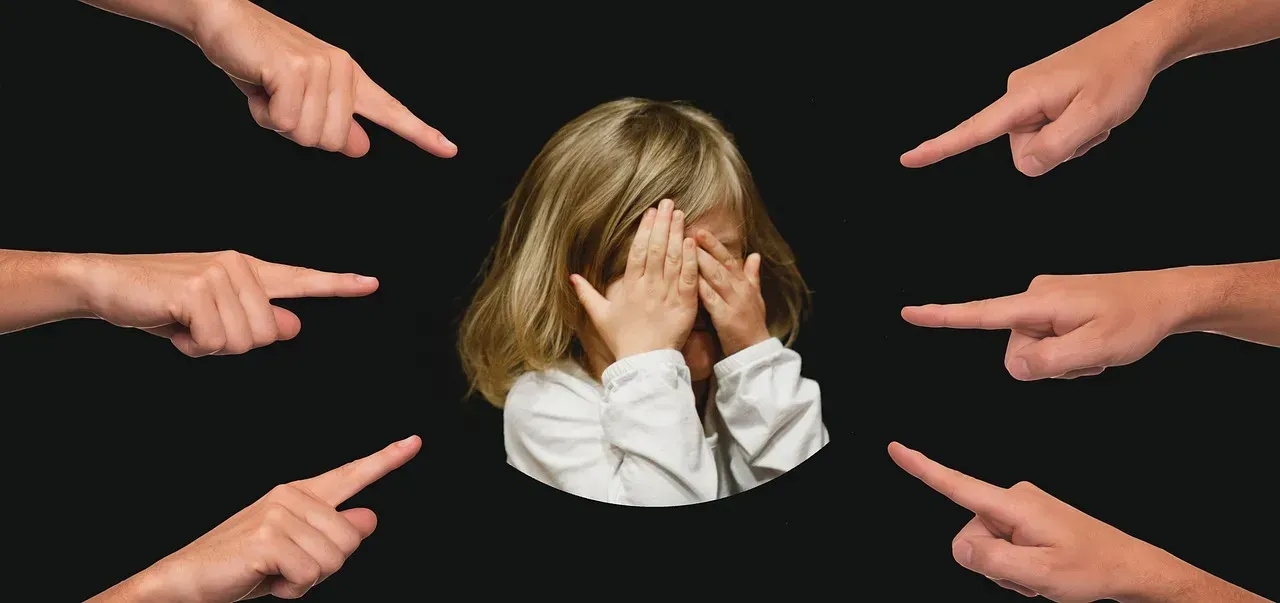
5. "This Is Your Fault" (Image Credits: Pixabay)
Blame directed at a child is one of the more corrosive things a parent can say. Exposure to criticism has an immediate effect on a person’s mood. In one study with adolescents, participants were asked to rate their emotional states before and after exposure to maternal feedback. After exposure to praise, their positive mood states increased, whereas criticism led to a direct increase in negative mood states.
Research suggests that adolescents, relative to adults, may internalize negative feedback to a greater extent, leaving them more vulnerable to social feedback. A child who is repeatedly blamed for things going wrong at home often develops a distorted sense of responsibility, carrying guilt into situations where none is warranted, sometimes for years.
6. "I'm Sorry"

6. "I'm Sorry" (Image Credits: Pexels)
Parents apologizing to their children is rarer than it should be, and children remember it precisely because of that rarity. When a parent says they’re sorry, genuinely and directly, it teaches something no lecture ever could: that adults make mistakes, that mistakes deserve acknowledgment, and that owning an error doesn’t diminish a person. It builds them.
Children may not always do what their parents say, but they rarely forget what their parents do. Psychologists studying social learning theory emphasize that children learn most powerfully by observing behavior. Watching a parent take accountability models the very skill children need to navigate conflict throughout their entire lives.
7. "You Can Do It Yourself"
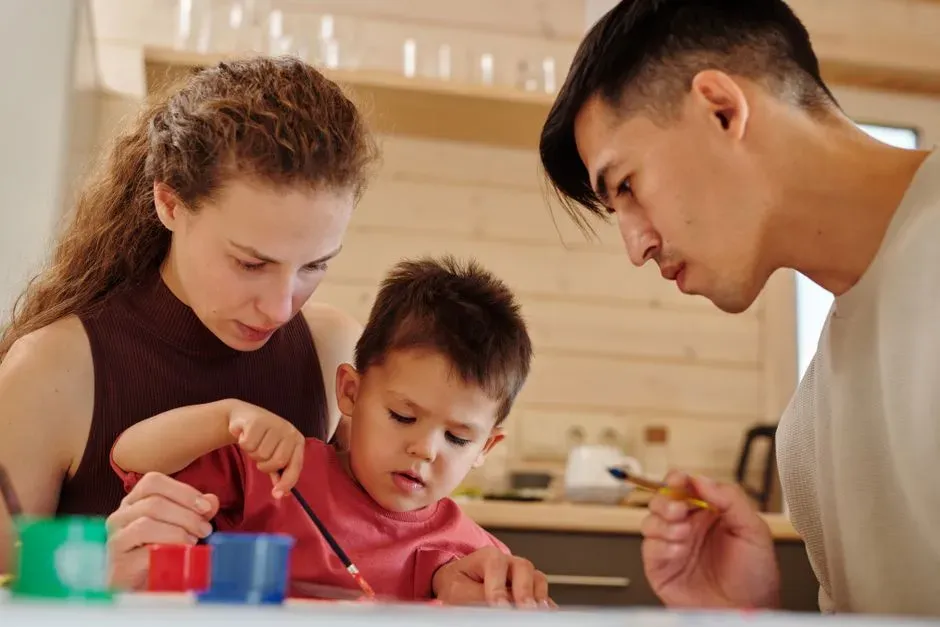
7. "You Can Do It Yourself" (Image Credits: Pexels)
Said with warmth, this phrase teaches self-reliance. Said with impatience or dismissiveness, it teaches a child that they’re on their own when things get hard. The tone matters as much as the words. Children who feel trusted to solve their own problems, with the understanding that support is nearby if needed, develop a healthier relationship with challenge than those who are either hovered over or abandoned to struggle alone.
Children who develop positive social-emotional health tend to be happier, demonstrate better academic performance, and display fewer problematic behaviors. These powerful effects are long-lasting and can extend from early years to adulthood. Giving a child space to succeed, and to fail, is itself a form of investment.
8. "Why Can't You Be More Like Your Brother/Sister?"
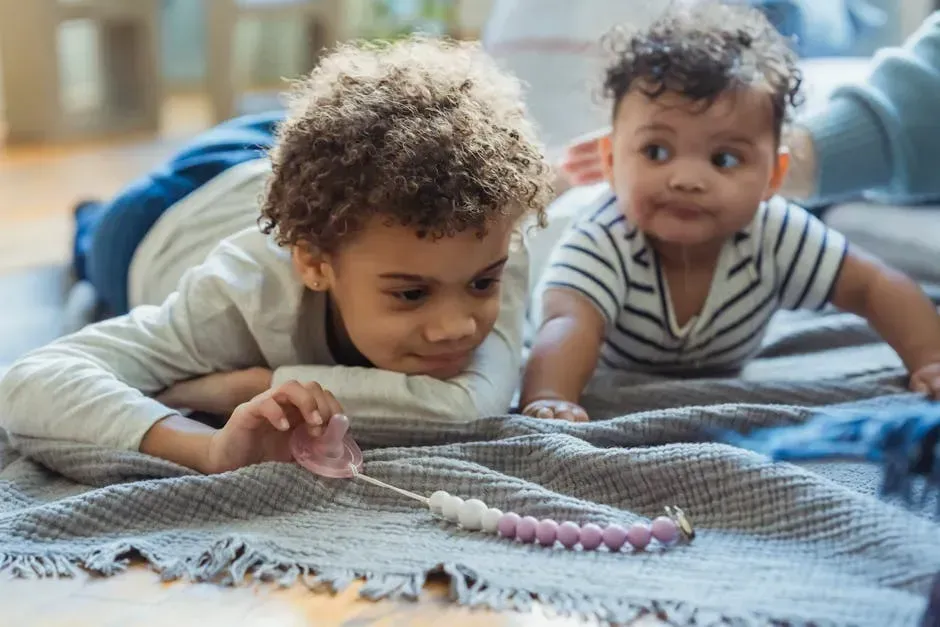
8. "Why Can't You Be More Like Your Brother/Sister?" (Image Credits: Pexels)
Comparisons between siblings land differently from most other parental criticism because they simultaneously reject one child while elevating another. The message received is often not “try harder” but “you are inherently less than.” Research shows that parental feedback perceived by children as deflated or inaccurate, relative to their actual performance, can have lasting developmental impacts and may even link to emotional maladjustment and a failure-is-debilitating mindset.
Even in healthy adolescents with generally positive parent-child bonds, parental criticism is emotionally salient and negatively impacts self-esteem. When that criticism comes wrapped in a sibling comparison, its sting tends to be sharper, and considerably more personal.
9. "I'm Listening"
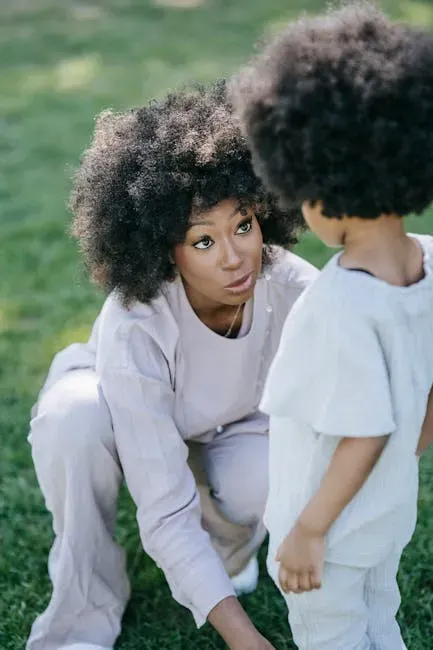
9. "I'm Listening" (Image Credits: Pexels)
Not every profound parental phrase is long or elaborate. Sometimes it’s just a signal that this moment, and this child, has a parent’s full attention. Psychologists call the ability to tune in to another person’s emotional state “attunement,” and research consistently shows that attuned parenting builds a child’s emotional intelligence, self-esteem, and resilience.
Even as adults, children carry the imprint of having once been seen fully, without judgment. Something as small as putting a phone face-down, making eye contact, and saying “I’m listening” can be the difference between a child who opens up to people and one who learns to keep everything to themselves.
10. "We Don't Have Money for That"
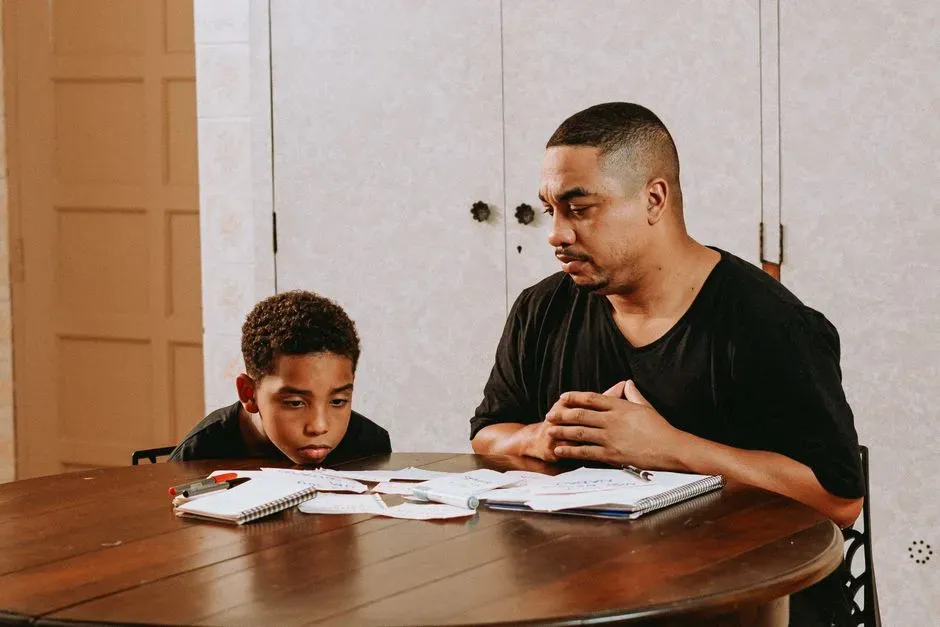
10. "We Don't Have Money for That" (Image Credits: Pexels)
Financial conversations that happen in the home, whether carefully framed or blurted out in stress, leave lasting impressions. A child who grows up hearing anxious or shame-laden language around money often carries complicated feelings about financial security well into their adult years. The phrasing matters. There’s a difference between “we’re choosing to spend our money differently” and “we can’t afford anything.”
Research on childhood memories shows that experiences are remembered more frequently than material things, and the most ordinary interactions are often recalled more vividly than one-off purchases or big events. Daily occurrences that highlighted a special relationship were more likely to be remembered than expensive gifts. How a parent discusses scarcity or abundance shapes a child’s emotional relationship with money long before they ever earn a paycheck of their own.
11. "That Was Incredible!"

11. "That Was Incredible!" (Image Credits: Pexels)
Praise is a powerful tool, but not all of it lands the same way. In current Western society, children are often lavished with inflated praise. This kind of praise is frequently given in an attempt to raise children’s self-esteem, but research shows adults are especially inclined to give inflated praise to children who already have low self-esteem.
Inflated praise might convey to children that they should continue to meet very high standards, a message that can discourage children with lower self-esteem from taking on challenges. Research found that inflated praise actually decreases challenge-seeking in children with low self-esteem, while having the opposite effect on those with high self-esteem. Genuine, specific praise, tied to observable effort rather than exaggerated outcomes, is what children remember with warmth rather than pressure.
12. "I'll Always Be Here for You"
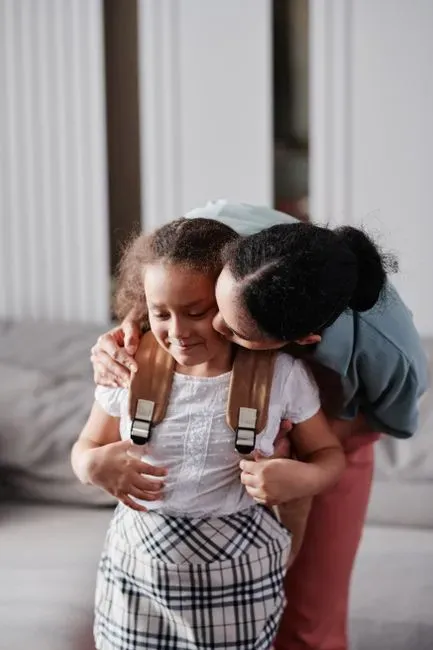
12. "I'll Always Be Here for You" (Image Credits: Pexels)
Few things anchor a child more firmly than the knowledge that a parent’s presence is unconditional. Children who talk more frequently with their parents about past experiences tend to have higher emotion regulation skills and self-esteem in their future lives. The act of consistently showing up, and then explicitly naming that you will always show up, reinforces security in a way that shapes how children handle uncertainty for the rest of their lives.
Positive emotional expression and high-quality parent-child interactions promote language richness and emotional depth, while negative or absent emotional expression may inhibit a child’s ability to organize and articulate their inner world. Promising to be there, and then following through, is perhaps the most complete sentence a parent can offer. It doesn’t require perfect parenting. It requires honest, consistent presence, and the willingness to say it out loud.
Children don’t remember every conversation they’ve had with their parents. But they carry the feeling those conversations produced, sometimes without even being able to name where it came from. The words listed here, whether they lifted or diminished, were spoken in patience or in exhaustion, tend to outlast everything else. That’s not a burden. It’s simply the nature of the relationship, and also the opportunity inside it.