
Twelve years is a long time to stand behind a bar. You see a lot: birthday parties that spiral sideways, first dates that clearly aren’t going well, regulars who show up like clockwork every Thursday. After a while, you stop noticing half of it. What you never stop noticing, though, is the drink order. It tells you more about a person in five seconds than most conversations do in twenty minutes.
That’s not a judgment – it’s just pattern recognition. Some orders create extra work in ways customers genuinely don’t realize. Others signal something about expectations that rarely ends well for either side. Here are nine drink orders that, after more than a decade on this side of the bar, still make me pause.
The Mojito at Peak Hours
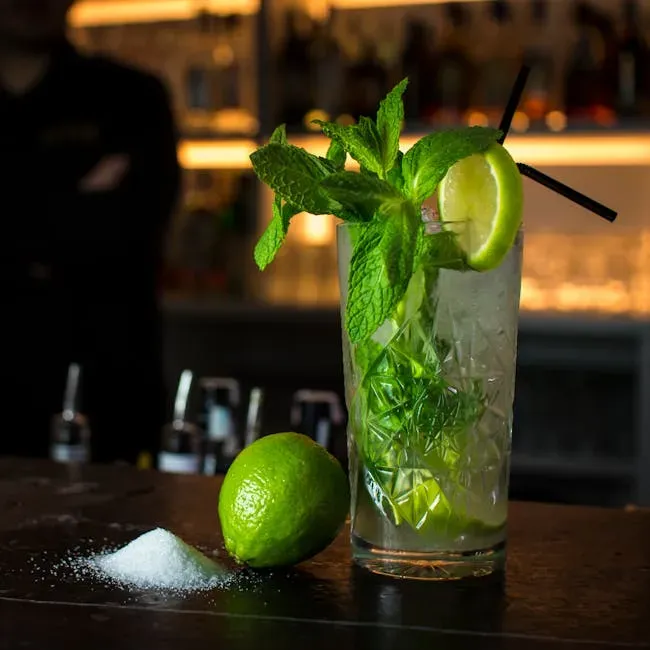
The Mojito at Peak Hours (Image Credits: Pexels)
Unless you've personally muddled fresh mint leaves, you may not realize how time-consuming the process actually is. It's the main culprit behind bartenders' frustration with mojitos, and understanding how long it takes helps explain why the order lands differently on a slammed Saturday night versus a quiet Tuesday.
At an upscale cocktail bar, you'd expect to make drinks like this more often. At the average bar job, though, a mojito always seems to arrive when things are busiest. It's not that bartenders mind the drink itself – it's that it slows down the flow, and that's genuinely frustrating during a heavy shift.
"Surprise Me" With No Direction Whatsoever
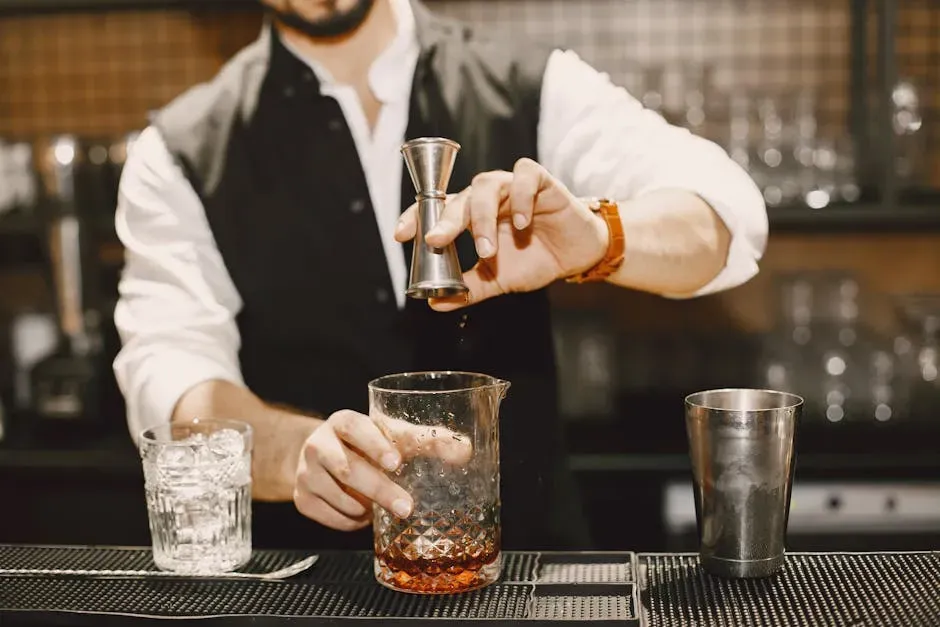
"Surprise Me" With No Direction Whatsoever (Image Credits: Pexels)
It happens to a lot of people: you're out at a bar, it's your turn to order, and your mind goes blank. You forget every single drink you've ever had, every drink you've ever enjoyed. As you stare at the bartender, the phrase "bartender's choice" almost escapes your lips. The impulse is understandable. The execution is where it falls apart.
Asking for a busy bartender to just "surprise you" isn't cute, funny, or flirty. To someone who has roughly a hundred other customers to get through in the next ten minutes, it's genuinely overwhelming. Even minimal direction helps – a base spirit, a flavor profile, a style of drink. Asking for something sweet with vodka is better than nothing, and it gives the bartender something to work with.
The Long Island Iced Tea
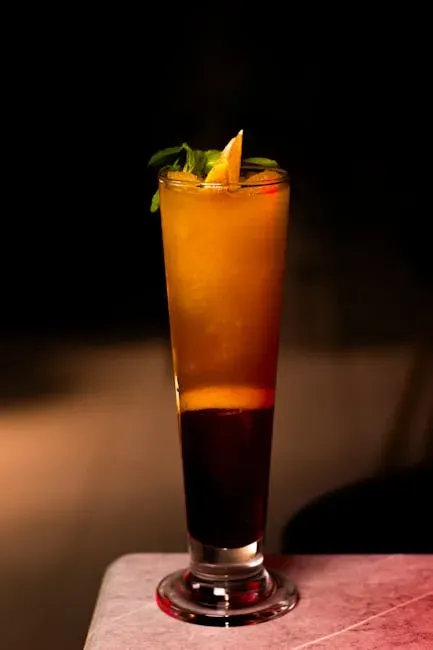
The Long Island Iced Tea (Image Credits: Pexels)
Easily one of the most disliked cocktails among bartenders, a Long Island doesn't actually contain any iced tea. The official recipe from the International Bartenders Association calls for gin, vodka, white rum, tequila, and triple sec, with lemon juice, simple syrup, and a splash of cola rounding it out. That's a long lineup of bottles to pull for a single glass.
It's an efficient but not particularly tasteful cocktail, and it can give the impression that the person ordering doesn't really care what they drink and just wants to get drunk fast. Which, if that's the case, why not just order shots and save everyone some time? Experienced bartenders will tell you plainly: almost no bartender would ever order a Long Island iced tea for themselves.
The Ramos Gin Fizz on a Busy Night
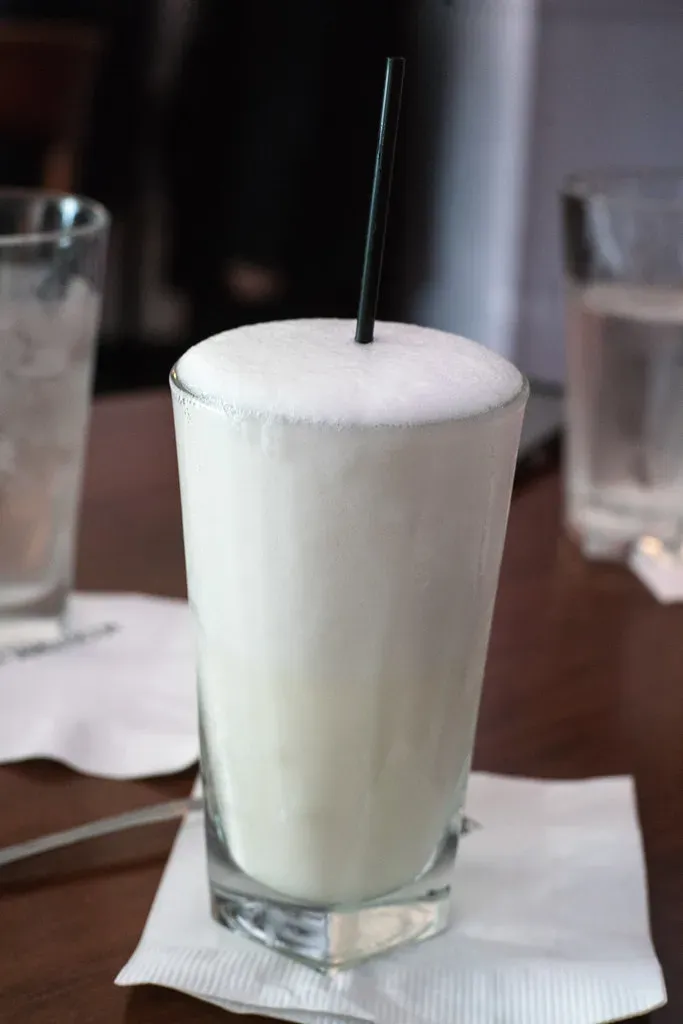
The Ramos Gin Fizz on a Busy Night (Edsel L, Flickr, <a href="https://creativecommons.org/licenses/by-sa/2.0/" target="_blank" rel="noopener">CC BY-SA 2.0</a>)
A Ramos Gin Fizz is a cocktail that really shouldn't be ordered at every bar, especially when things are busy. Its ingredient list alone is a workout: gin, simple syrup, heavy cream, lemon and lime juice, orange flower water, egg white, and club soda. Getting all of that to come together properly takes real effort and real time.
A well-made Ramos is genuinely delightful – frothy, light, and silky smooth. The problem is that it basically requires a whole chemistry experiment to pull off. It needs extensive shaking so the cream and egg white can emulsify and essentially turn into a meringue. Ordering one during a Friday rush is, to put it mildly, not going to win you any friends behind the bar.
The Deconstructed Cocktail Request
The Deconstructed Cocktail Request (Image Credits: Unsplash)
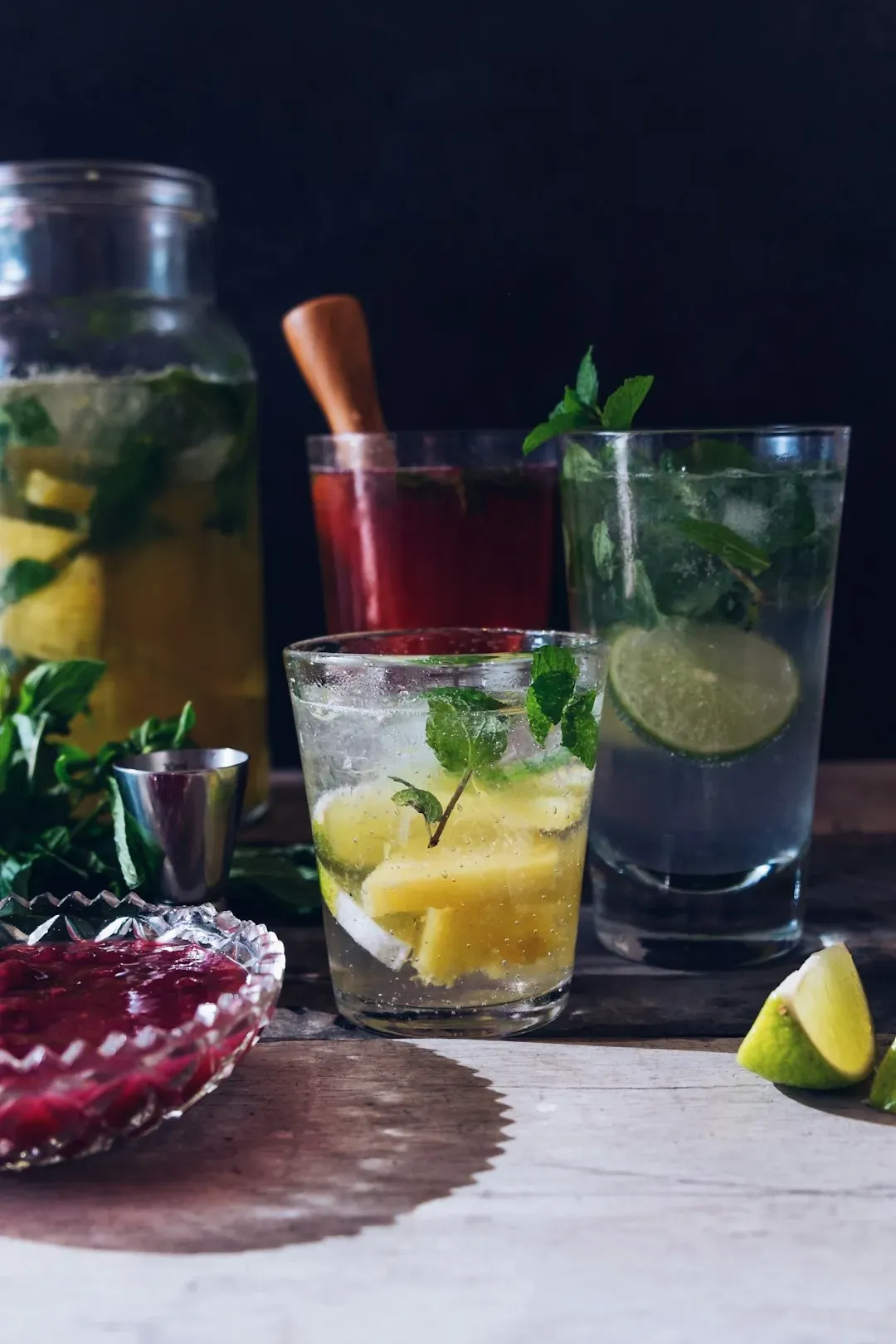
Some experienced bartenders report that roughly once a week, a customer will ask for a deconstructed cocktail brought to the table so they can mix it themselves. For many bartenders, that's a top pet peeve. It removes the craft from the equation entirely, which is a bit like asking a chef to bring raw ingredients to the table so you can cook your own meal.
Tweaking a recipe is one thing – skipping an ingredient or adjusting sweetness is a reasonable request. But asking for all the separate components of a cocktail so you can pour it yourself signals a lack of trust in the bartender to do their job. It's a small thing, but it stings a little every time.
The Blended Drink When There's No Blender Visible
The Blended Drink When There's No Blender Visible (Image Credits: Pexels)
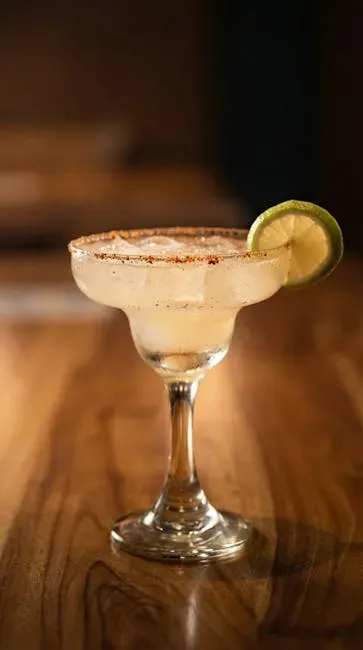
Asking a bartender to pull out the blender is a real concern, especially at private events where staff are often understaffed and not equipped for blended beverages. When there's a large crowd and only one or two bartenders working, blended orders can create genuine bottlenecks.
If you ask for a blended margarita and you don't see a blender anywhere, that should be a sign. Being asked to abandon the bar entirely to go find a blender in a back kitchen is genuinely disruptive. A margarita on the rocks accomplishes the same thing with far less hassle for everyone.
Ordering Against the Bar's Obvious Strengths
Ordering Against the Bar's Obvious Strengths (Image Credits: Unsplash)
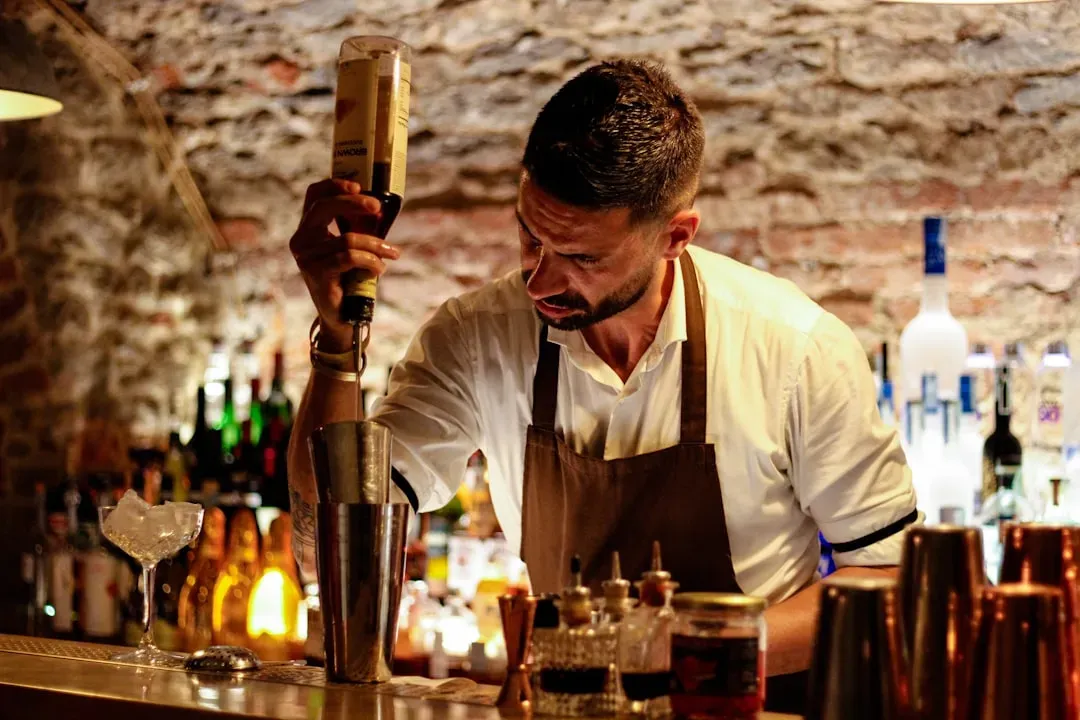
A common frustration for experienced bartenders is when customers arrive at a venue offering a carefully curated selection of craft beers and unique wines and choose to order a generic brew they could get absolutely anywhere. It's not that the order is difficult. It's that it misses the point of why the bar exists.
The key, as many industry veterans put it, is to "read the room." A great order at a fancy cocktail lounge can be a genuinely poor choice at a dive bar, and the reverse is equally true. Occasionally, a bartender's frustration has more to do with where they're working and what they have on hand than the actual drink itself. Paying a little attention to your surroundings changes the whole dynamic.
The Espresso Martini Just Before Closing
The Espresso Martini Just Before Closing (Image Credits: Unsplash)
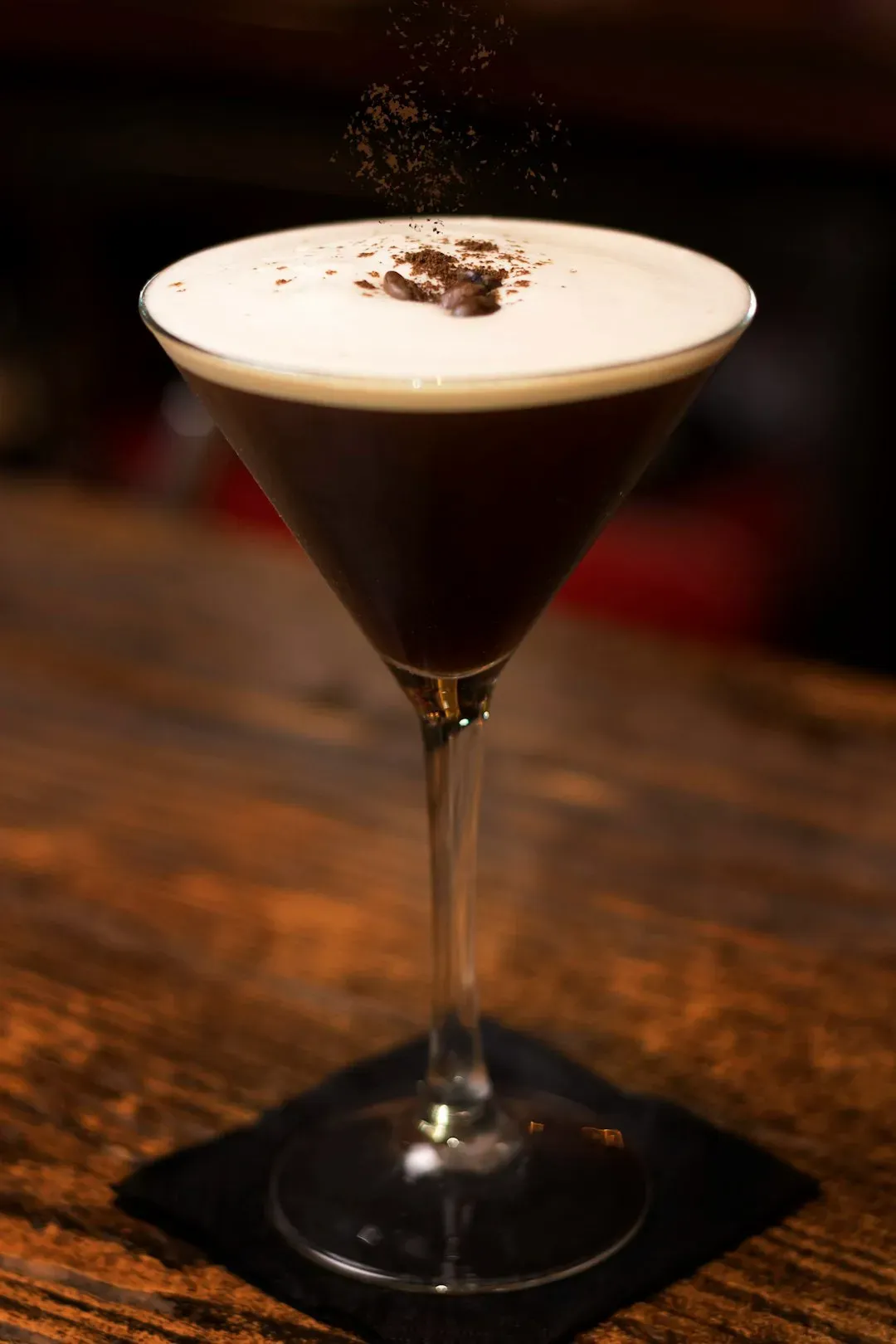
The espresso martini has seen enormous growth in popularity in recent years, with ordering rates climbing dramatically across the U.S. in 2024. At this point, any bartender across the country is likely tired of making them. The drink itself isn't the problem, exactly. The timing usually is.
The espresso martini deserves a special mention for one specific situation: a group arriving thirty minutes before closing, right after the coffee machine has already been cleaned down, and ordering a round of them. There is a particular kind of quiet dread that comes over a bartender at that moment. It's a feeling difficult to describe to someone who hasn't lived it.
Drinks With Artificial Sour Mix
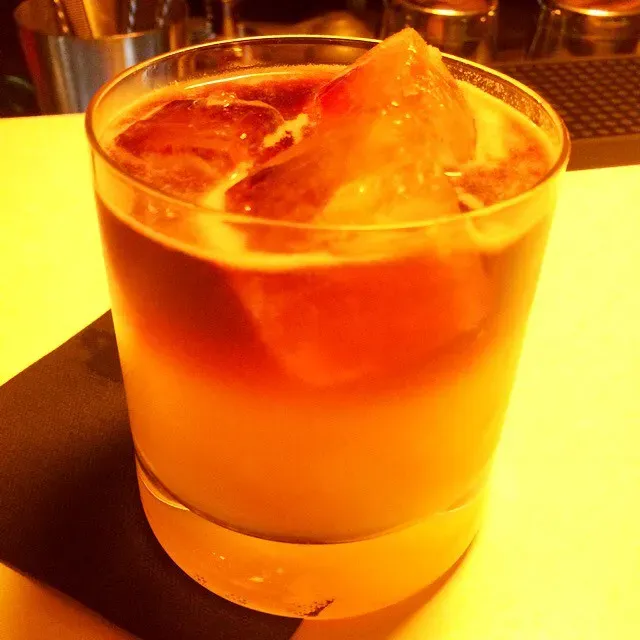
Drinks With Artificial Sour Mix (farhad pocha, Flickr, <a href="https://creativecommons.org/licenses/by/2.0/" target="_blank" rel="noopener">CC BY 2.0</a>)
Most commercial sweet and sour mixes contain high fructose corn syrup and artificial flavors. Many seasoned bartenders will actively try to steer customers away from drinks that rely on these types of artificial mixers when given the chance. It's not really about difficulty – it's about quality, and about knowing what actually goes into the glass.
Sometimes a dive bar is just a dive bar – you're there to shoot pool or catch up with a friend after work, not for the mixology. In those cases, it genuinely makes more sense to skip the margarita and opt for something classic and simple that the bar can make well with what it has on hand. A bartender who cares about their craft will appreciate the instinct, even if they'd never say so out loud.
A Final Thought
A Final Thought (Image Credits: Unsplash)
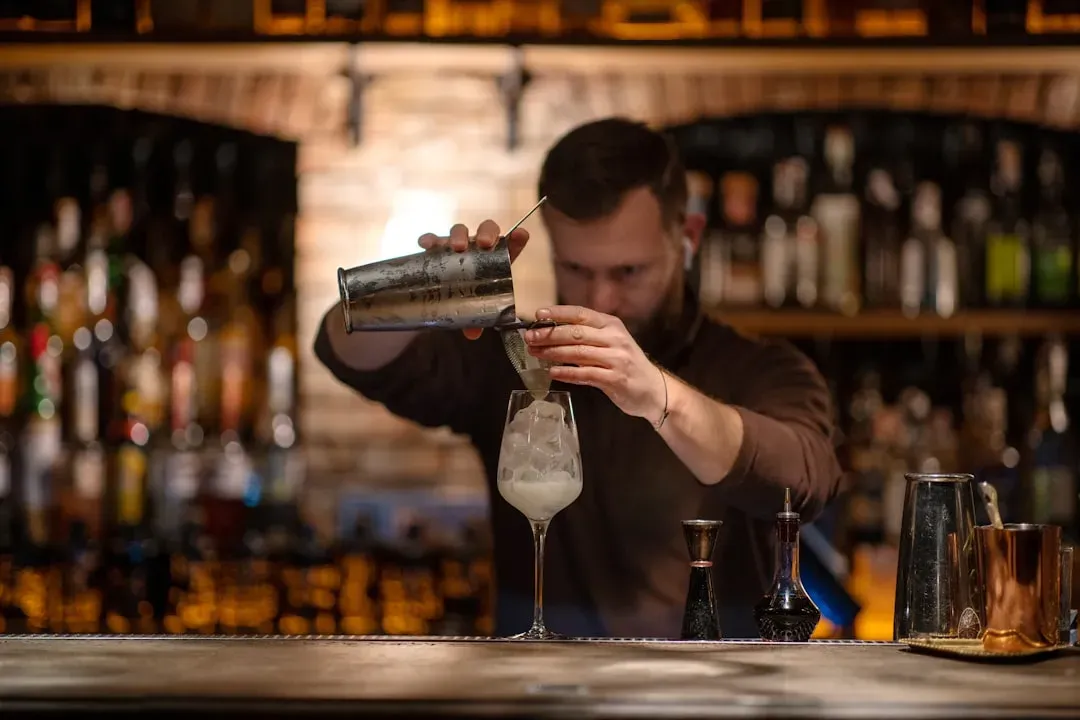
None of this is meant to make ordering a drink feel like a test. Most bartenders, on most nights, are just trying to do their job well and get everyone served. The orders that create friction tend to do so for practical reasons, not personal ones.
Context matters more than almost anything else. The right drink at the right bar, ordered with a bit of awareness, makes the whole exchange easier for everyone. Twelve years in, that's still the simplest thing I'd want any regular customer to know.