
Something subtle has been happening inside homes for the past few decades, and it rarely makes headlines. The rituals that once stitched family life together – the small, repeated moments that built identity and belonging – are fading out, generation by generation. They don’t go all at once. They thin, like a photograph left in sunlight.
Some of this is simply the result of busy modern schedules, shifting values, and technology reshaping daily routines. Other changes run deeper, touching how families relate to faith, to each other, and to the wider world. Here are twelve of those habits – the ones slipping away most quietly.
1. Sitting Down to a Daily Family Dinner
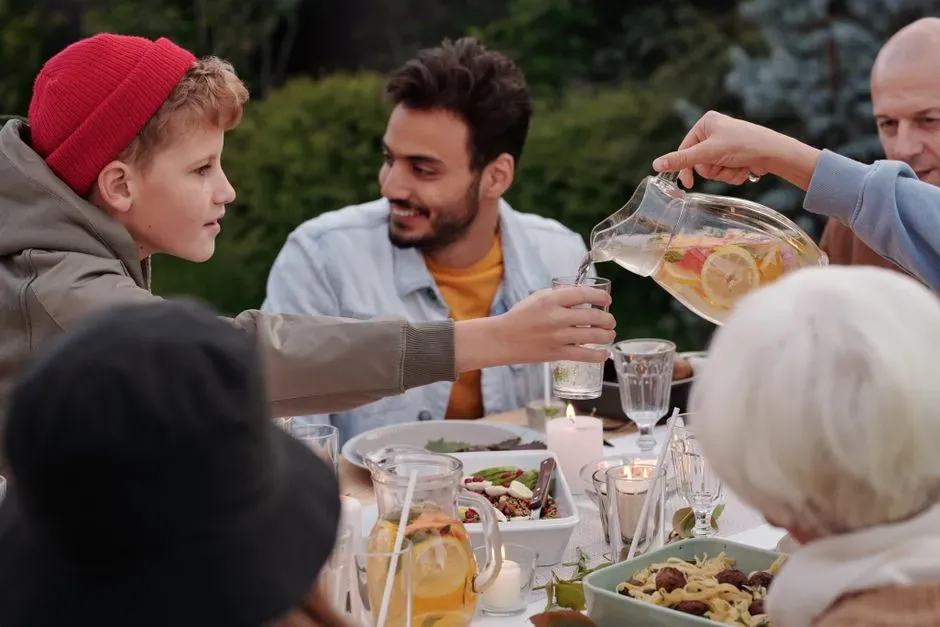
1. Sitting Down to a Daily Family Dinner (Image Credits: Pexels)
Roughly three quarters of Baby Boomers and the vast majority of the Silent Generation report that they had meals together as a family every day. That number dropped noticeably for Generation X, and it fell further still among Millennials. Less than half of Millennials and only about two in five members of Generation Z say they had daily family meals growing up.
The decline in family meal frequency has been attributed to a range of factors, including after-school activities, demanding work schedules, and in-home distractions such as television and mobile devices. Family dinners offer an especially valuable chance for members to come together, share the day's highs and lows, discuss personal issues, and generally enjoy each other's company – which makes the slow erosion of this habit all the more significant.
2. Writing Letters and Cards by Hand

2. Writing Letters and Cards by Hand (Image Credits: Unsplash)
The handwritten letter is one of those habits that feels nostalgic almost the moment you mention it. Generations before the internet maintained relationships through correspondence – birthday cards, thank-you notes, letters to relatives living far away. These were not just communication; they were tangible expressions of effort and care.
Today's children and teenagers grow up with instant messaging and voice notes, and the idea of sitting down to handwrite a letter to a grandparent or cousin feels, to many of them, like a school exercise rather than a natural impulse. The art of thoughtful, handwritten correspondence is declining not out of malice but simply because faster and easier options have taken its place.
3. Children Playing Outside Unsupervised
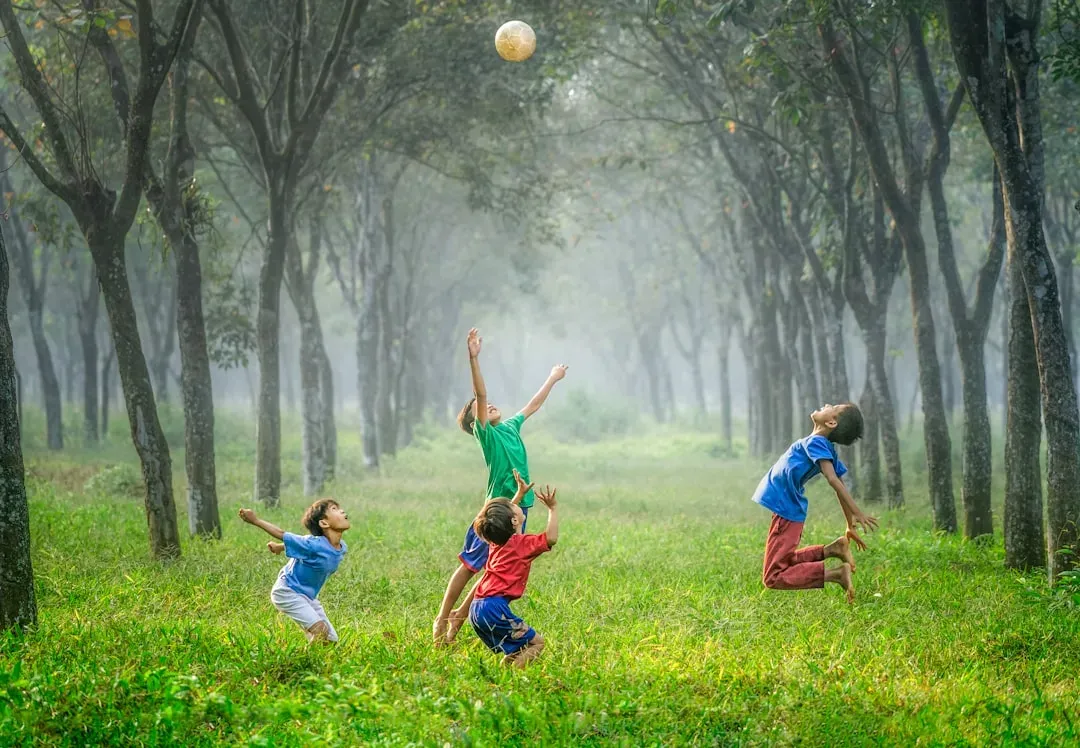
3. Children Playing Outside Unsupervised (Image Credits: Unsplash)
A study comparing mothers to their own children found that roughly seven in ten mothers said they played outside every day when they were girls, while fewer than a third said their children did the same. More than half of those mothers said they played outside for three or more hours as children, compared to fewer than a quarter who said that about their kids today.
The decline in this type of free, independent play – away from adult oversight – may be a significant contributor to rising mental health concerns, decreased psychological resilience, and an overall decrease in well-being in younger generations. Modern children spend far more time in organized activities, with significant portions of their free time devoted to after-school programs, academic tutoring, or structured sports – helpful in their own right, but leaving far less unstructured outdoor time than previous generations enjoyed.
4. Attending Religious Services as a Family
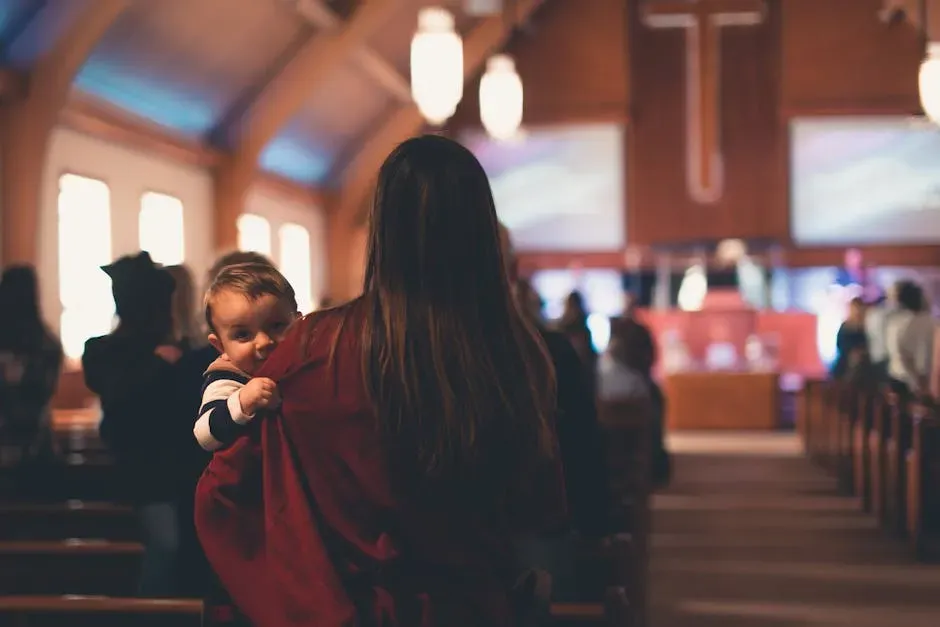
4. Attending Religious Services as a Family (Image Credits: Pexels)
The Pew Research Center's Religious Landscape Study for 2023 to 2024 found that just 45 percent of adults under 30 identify as Christian, while 44 percent identify as religiously unaffiliated. Attending Sunday services as a family unit was once a default rhythm in many households, regardless of denomination – a shared ritual that anchored the week.
For many families today, Sunday mornings are often occupied with sports events, social commitments, or simply taking a break from a busy week rather than attending church services. Over the past decade, Gen Z women in particular have disaffiliated from organized religion at notable rates, while Gen Z men's levels of religious affiliation have remained relatively more stable. The family pew, once a near-universal weekly fixture, is increasingly empty.
5. Cooking Meals From Scratch Together

5. Cooking Meals From Scratch Together (Image Credits: Unsplash)
There was a time when cooking from scratch was not a lifestyle choice – it was simply how families ate. Recipes passed from grandparent to parent to child in real kitchens, with real hands doing the work. That transfer of culinary knowledge happened organically, embedded in the daily rhythm of meal preparation.
Women now devote a little more than half the average time per day to cooking that they did in 1965, and men cook slightly more on average. Convenience food, meal delivery apps, and time-pressed schedules have collectively moved families away from the kitchen. The skills and the shared memories that come with making food together from scratch are fading with each generation that grows up reaching for a takeout menu instead.
6. Spending Sundays as a Family Rest Day
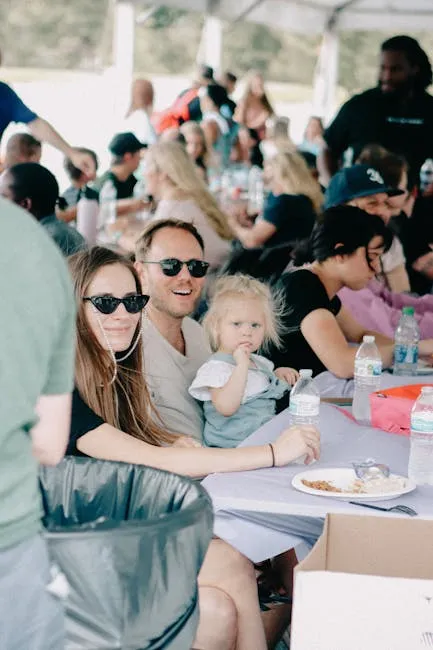
6. Spending Sundays as a Family Rest Day (Image Credits: Pexels)
The concept of a dedicated family day – a Sunday or Sabbath free from obligations, structured around rest and togetherness – was a reliable fixture in households across many cultures well into the late 20th century. It was not purely religious in nature; it was also simply a social norm. Shops were closed. Work could wait. The day belonged to family.
That rhythm has largely dissolved. Parenting is evolving alongside society, and as family structures diversify and values shift, traditional routines are adapting – or disappearing – to meet the realities of modern life. Extended retail hours, digital work culture, and the always-on nature of modern connectivity mean that the concept of a designated "off" day has grown foreign to many younger families.
7. Telling Stories Across Generations
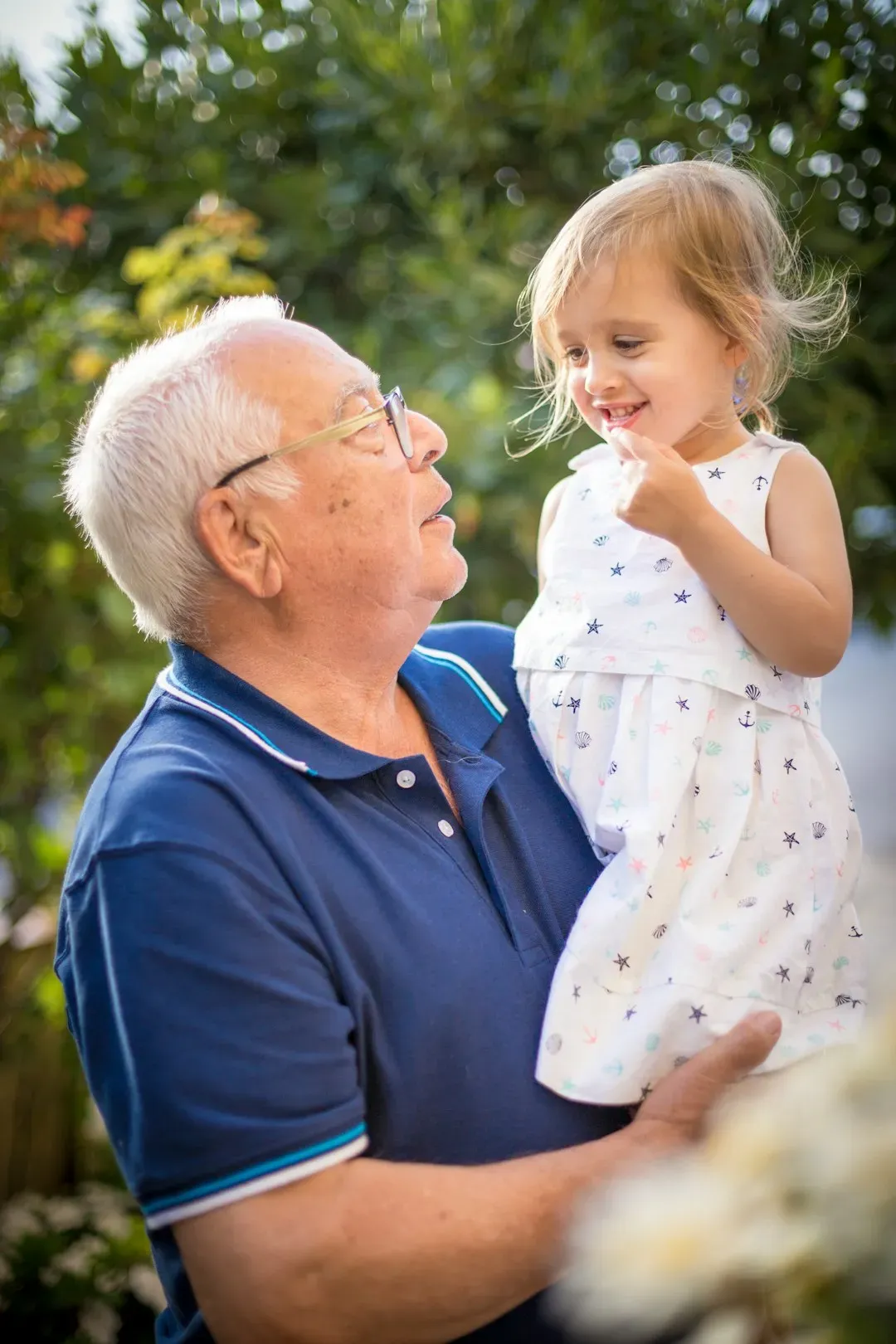
7. Telling Stories Across Generations (Image Credits: Unsplash)
Oral storytelling – grandparents recounting family history, parents describing what the neighborhood looked like thirty years ago, relatives sharing memories of those no longer around – was once a primary way that identity and belonging got transmitted through families. It happened naturally, around dinner tables and on front porches, during long drives and quiet evenings.
The number of relatives that an individual has is expected to decrease by more than 35 percent in the near future, and the structure of families will change significantly at the same time. The number of cousins, nieces, nephews, and grandchildren will decline sharply, while the number of great-grandparents and grandparents will increase. Smaller, more dispersed families mean fewer occasions where those intergenerational conversations can naturally occur.
8. Reading Aloud Together
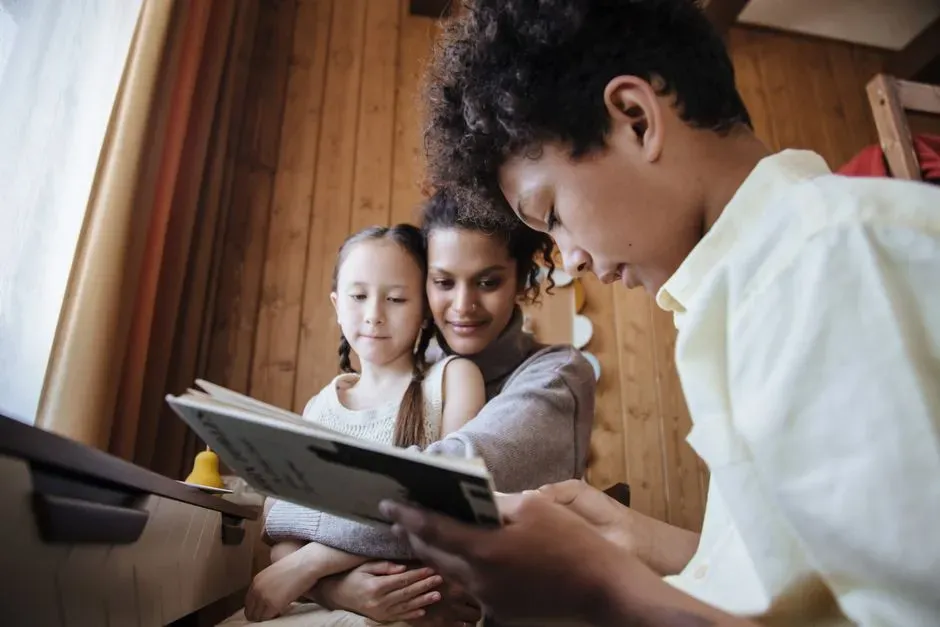
8. Reading Aloud Together (Image Credits: Pexels)
Reading aloud as a family – a parent reading to children at bedtime, older siblings reading to younger ones, or the family gathered around a single book – was a deeply embedded habit for generations before television and smartphones became the default evening entertainment. It built language skills, shared imagination, and closeness in a way that was both simple and powerful.
Children aged between five and sixteen now spend at least six hours a day looking at screens, split between gaming, television, and mobile phones. That is a significant claim on the hours that once might have held a bedtime story or a chapter of a shared novel. The habit of reading together has not vanished, but it has thinned considerably as passive screen consumption fills the spaces it used to occupy.
9. Maintaining Extended Family Ties

9. Maintaining Extended Family Ties (Image Credits: Unsplash)
Since the 1960s, the family in many developed countries has undergone significant transformation. In many places, the extended family has all but disappeared, as the traditional two-parent family became less widespread and divorce rates, cohabitation, single parenthood, and reconstituted families all increased.
Families have seen more mothers take up work in the labor market, adolescents spending longer in education and training, and elderly members increasingly living alone. The result is that the dense web of aunts, uncles, and cousins who once gathered regularly – for holidays, for Sunday visits, for simply being neighbors – has loosened into something much more occasional and dispersed. In 1950, a 65-year-old woman had an average of 41 living relatives. Projections suggest that by 2095, a woman of the same age will have an average of only 25.
10. Observing Family Traditions Around Seasons and Holidays
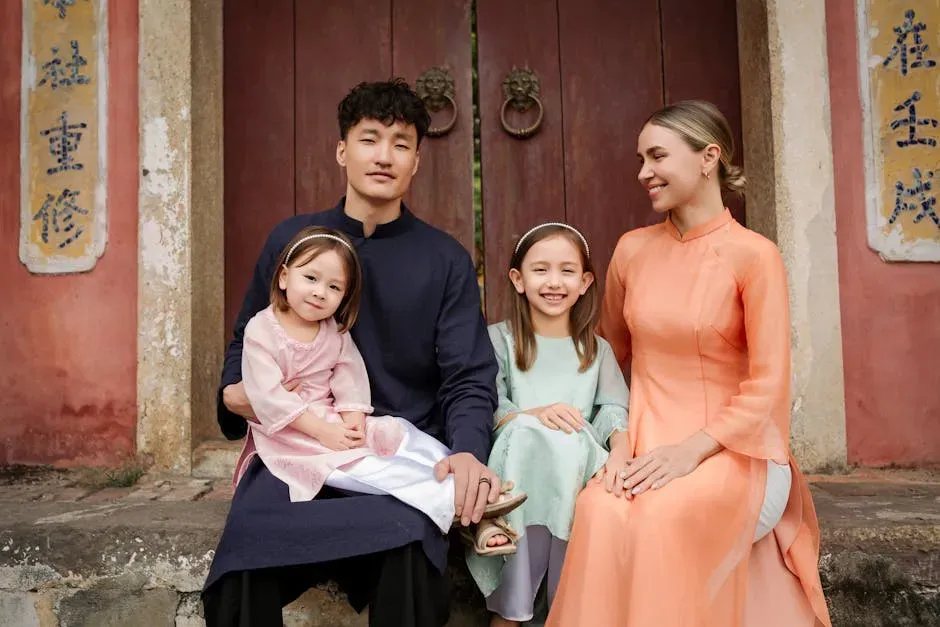
10. Observing Family Traditions Around Seasons and Holidays (Image Credits: Pexels)
Traditions tied to seasons – baking a specific cake at Christmas, planting a garden in spring, a particular way of marking birthdays – once gave families a sense of continuity and rhythm. These were habits that required almost no planning precisely because they were always done. Children grew up knowing what to expect and, later, carrying those expectations into their own homes.
Newly married couples are increasingly eschewing religious or traditional ceremonies that connect them to existing traditions and communities, preferring celebrations that reflect their own personal tastes. This primacy of individual preferences also manifests itself more broadly in family life. When each generation curates its own entirely new set of traditions, the chain of inherited ritual breaks. The result is families that are rich in personal expression but lighter on shared history.
11. Limiting Technology at Home as a Family Value
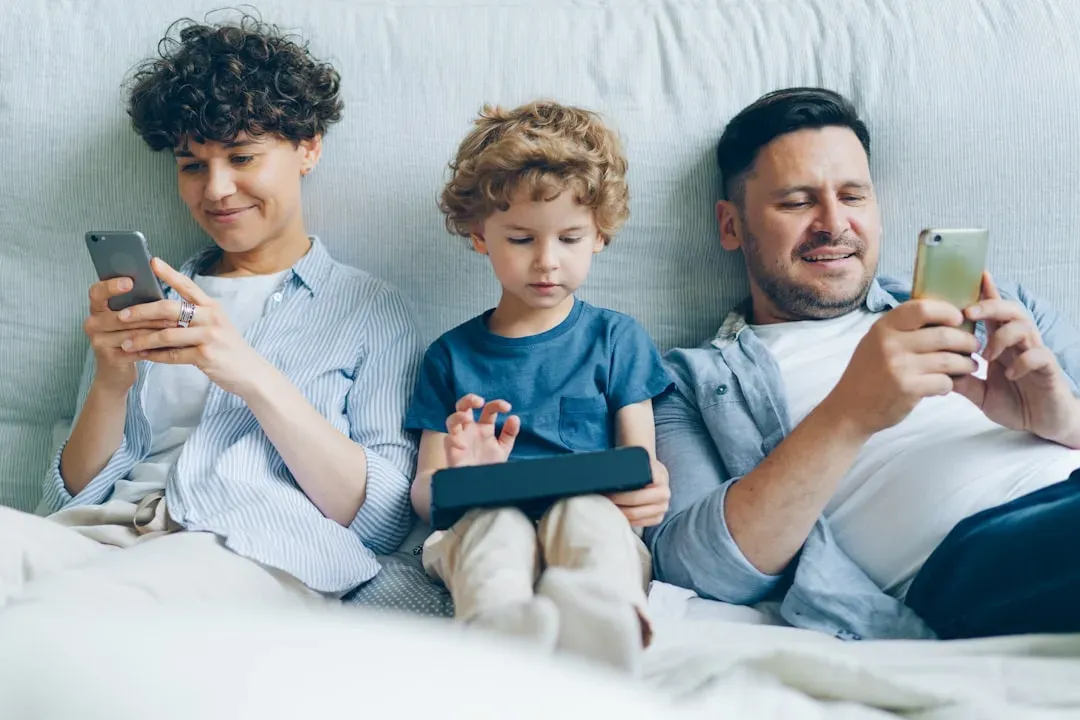
11. Limiting Technology at Home as a Family Value (Image Credits: Unsplash)
Earlier generations had clear, if informal, rules around shared family time that technology didn't interrupt – dinner without the television on, evenings without outside interference, time that simply belonged to the people in the room. It was not a policy; it was a default.
Many Millennial parents, nostalgic for their own phone-free childhoods, are now actively enforcing screen time limits and trying to create tech-free family moments to ensure a healthy balance between digital and real-world connection. That they have to enforce it consciously, as a deliberate parenting decision, says something about how thoroughly the default has shifted. Parents now estimate that their children spend on average more than 20 hours a week playing video games alone – a statistically significant increase from around 17 hours reported just a year earlier.
12. Caring for Elderly Relatives at Home
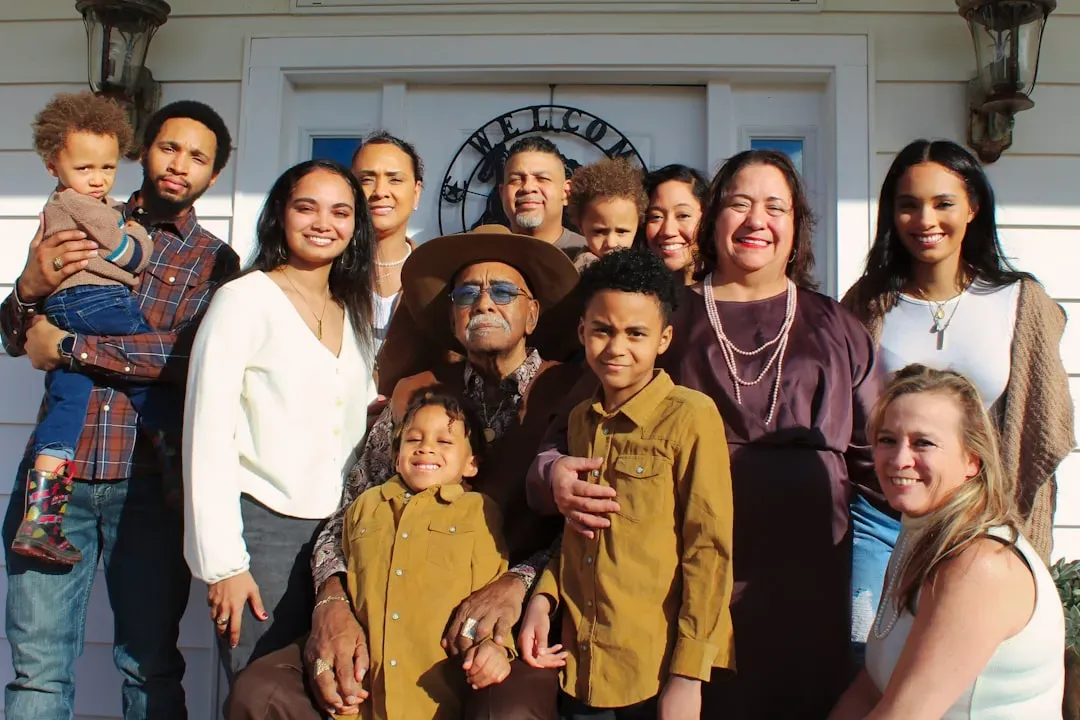
12. Caring for Elderly Relatives at Home (Image Credits: Unsplash)
For much of human history, aging parents and grandparents lived with or near their adult children. Care was a family matter, distributed across households rather than outsourced to institutions. The presence of elderly relatives in the home gave children direct exposure to aging, loss, and wisdom that no school curriculum could replicate.
Individuals are delaying having children until later in life, meaning age gaps between generations are growing. Grandparents are now far older than they once were when grandchildren arrive, and thus less able to fulfill the caregiving role they once did. In fact, they may themselves require care from their adult children at precisely the same time those adult children are raising young kids of their own. The multigenerational household, once a practical and emotional cornerstone of family life, is giving way to a model where each generation navigates its chapter increasingly alone.
None of these habits disappeared because families stopped caring. Most of them faded because the structures that once made them easy – time, proximity, slower-paced weeks, shared cultural norms – have quietly shifted. What gets lost in that process is harder to name than any single habit: a particular texture of connection, a sense of continuity, the feeling that family life has a shape you can count on. That loss is worth noticing, even if the full shape of what replaces it is still taking form.