
Most people assume intimidation is obvious. They picture raised voices, confrontational postures, or someone clearly trying to assert dominance. In reality, the dynamic is far quieter and far more common than that. The people around you might feel quietly overwhelmed by your presence while smiling, nodding, and saying everything is fine.
The tricky part is that people often hide their true feelings, but certain behaviors can indicate that others are intimidated by you, even if you have no intention of causing that reaction. These signs show up in small, easy-to-miss moments. Here’s what to look for.
1. They Avoid Eye Contact with You

1. They Avoid Eye Contact with You (Image Credits: Pexels)
Nonverbal communication research from the National Institutes of Health and social anxiety studies shows that reduced eye contact often reflects anxiety or discomfort in an interaction, which means consistent eye contact avoidance around you can signal they feel intimidated or nervous. It’s one of the first things the body does when it senses a perceived power gap.
While some might do this out of shyness or introversion, a lack of eye contact is often a subconscious attempt to avoid confrontation or the perceived intensity of your presence. They could be looking around at anything except you while you are conversing, or they might pretend to be busy shuffling through papers or looking through their phone – anything to keep from looking into your eyes.
2. They Keep Their Answers Short and Exit Conversations Quickly

2. They Keep Their Answers Short and Exit Conversations Quickly (Image Credits: Unsplash)
When you ask someone about their weekend, do they give you the shortest possible answer before finding an excuse to leave? This pattern gets misread as disinterest or coldness, but the explanation is usually something else entirely. Intimidating people often struggle with small talk because others are afraid of saying something stupid or unimpressive. They’re so focused on not messing up that they can’t engage naturally.
When people avoid conversation with you or seem unusually quiet in your presence, it can be a sign that they perceive you as intimidating. A 2020 study revealed that this is because a lack of communication often indicates discomfort or a sense of power imbalance, where someone feels hesitant to engage with you due to your perceived dominance.
3. They Over-Apologize for the Smallest Things

3. They Over-Apologize for the Smallest Things (Image Credits: Pexels)
Someone bumps into you slightly in the hallway and apologizes three times before you even register what happened. When apologies are overused, they begin to function as a nervous system reflex – a learned pattern that says: if I stay small, if I stay pleasing, maybe I’ll stay safe. Around someone who feels powerful or authoritative, that reflex activates easily.
One concept that often enters the conversation is the “fawn” response. We’re familiar with fight, flight, and freeze as nervous system reactions to threat. Fawning is the fourth – less talked about, but common. It’s the urge to appease, to charm, to over-agree in order to feel safe. Chronic over-apologizing around you specifically is a clear signal of that response in action.
4. Nobody Challenges Your Opinions

4. Nobody Challenges Your Opinions (Image Credits: Pexels)
In psychology, there’s a concept known as “argumentative theory.” It suggests that humans are naturally inclined to engage in debates and disagreements as a way to evolve our understanding of the world. However, if you find that people rarely challenge your views or opinions, it could be a sign that your strong personality is intimidating them. They may not feel comfortable expressing a differing viewpoint, fearing your possible reactions.
If you are the type of person that people are intimidated by, you may not be challenged when making suggestions; people may just go along with what you say to keep the peace. This can lead to an echo chamber where only your voice is heard, which not only stifles productive discussions but can also hinder personal growth and the development of well-rounded perspectives.
5. Their Body Language Closes Off Around You
5. Their Body Language Closes Off Around You (Image Credits: Pexels)
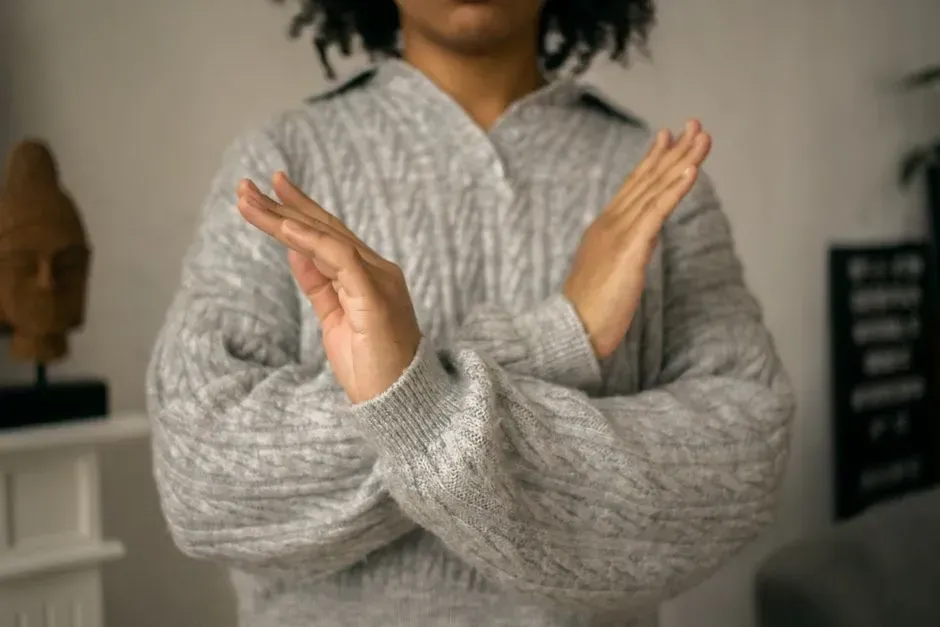
According to a study from the Journal of Experimental Social Psychology, an envious or intimidated person’s insecurity is often reflected in their body language in a conversation with someone they view as superior to them. Whether it’s crossing their arms, turning away from a person they find intimidating, or maintaining a stiff posture, many people experiencing emotional discomfort allow it to manifest in their physical appearance.
Nervous body language, such as fidgeting, tapping, or excessive shifting, can indicate that someone feels intimidated. When people are uncomfortable, their bodies often give away their true emotions, even if they’re trying to mask them verbally. This physical response is often an attempt to calm their nerves, and it’s a clear sign that they may feel out of their depth or overwhelmed in your presence.
6. They Speak in a Quieter or Higher-Pitched Voice
6. They Speak in a Quieter or Higher-Pitched Voice (Image Credits: Pexels)
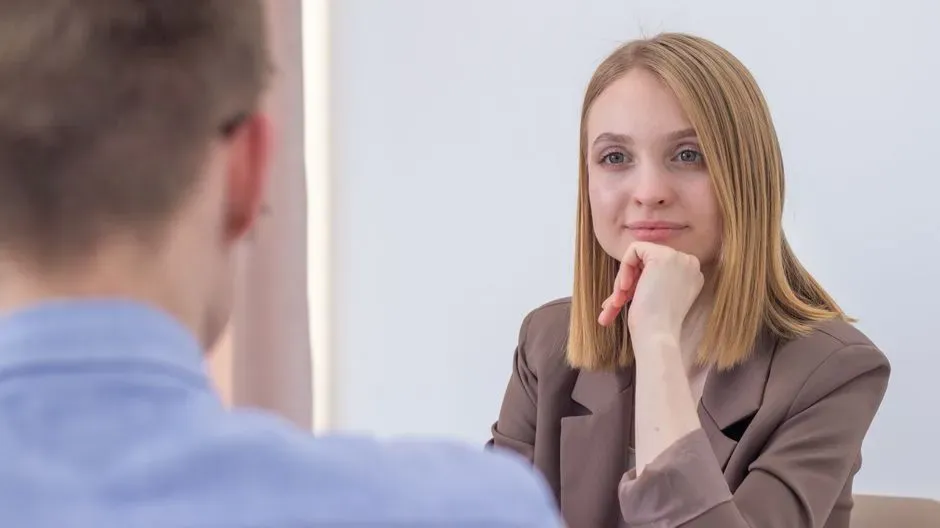
People with confidence tend to project their voices when speaking. They are confident in their ideas and have no qualms about sharing them. When people are intimidated, they talk in hushed voices, afraid of being rejected or thinking they are not smart enough to contribute. The volume shift is almost involuntary.
When people are intimidated by you, they may struggle to express themselves freely. This often happens in professional or social settings where power dynamics are present, and the person feels their words may not be valued or could lead to conflict. If you notice people speaking more cautiously around you, it could be a sign they’re intimidated.
7. They Over-Explain Themselves to You

7. They Over-Explain Themselves to You (Image Credits: Pexels)
When someone feels like they’re being assessed, they tend to justify every decision they make. According to psychotherapist Kaytee Gillis, people who over-explain themselves to others are often facing a fear of not being believed or anxiety about getting in trouble. They try to justify their decisions and why they made them, usually in a way that makes them feel more approachable and justified to the person they’re speaking with.
Psychology suggests this happens because intimidating people are often perceived as having high standards and low tolerance for mistakes. Others assume you’ll react harshly or judgmentally, so they keep you in the dark until absolutely necessary. Over-explaining is their way of pre-emptively managing your reaction before you even have one.
8. They Seem Flustered or Nervous During Simple Interactions

8. They Seem Flustered or Nervous During Simple Interactions (Image Credits: Pexels)
When someone feels intimidated, their brain’s threat response system activates, creating behavioral changes they may not even recognize in themselves. This shows up in everyday moments. They fumble with their words, lose their train of thought mid-sentence, or forget what they were about to say the moment you make eye contact.
If people are standoffish when you talk to them or seem nervous or flustered during your interactions, you might be scaring them to death. The irony is that you might be trying to be friendly and approachable, but your presence alone puts them on edge. The discomfort is theirs, not yours to have caused intentionally.
9. They Try to Prove Themselves to You

9. They Try to Prove Themselves to You (Image Credits: Unsplash)
Despite research, like a study from Management Science, that suggests people who ask for help and advice from others are perceived to be more intelligent than those who don’t, an intimidated person often hyper-focuses on independently completing tasks to seem more competent. They’d rather struggle alone than appear weak in front of you.
Psychology shows that highly capable individuals can trigger feelings of inadequacy in others, leading to avoidance behaviors. When someone around you constantly name-drops their achievements, volunteers for tasks unprompted, or makes a point of being visible and competent, they may be compensating for the insecurity your presence stirs up in them.
10. They Straighten Up or Change Their Behavior the Moment You Enter a Room
10. They Straighten Up or Change Their Behavior the Moment You Enter a Room (Image Credits: Pexels)
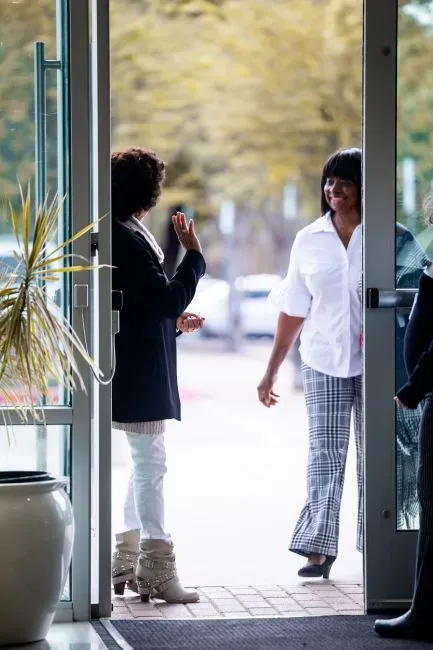
You walk into a room and you can feel it. People look up, then look away. Someone straightens their posture. The talk gets a little more careful. These micro-adjustments happen fast. Most people won’t even notice they’re doing it.
Being intimidating can come from intentional behaviors like raising our voice or punishing people, but it can also be entirely subconscious. Our body language, tone of voice, authority position, or even the way we express ourselves with clothing can encourage other people to feel intimidated and afraid of us. Your entrance alone can shift the energy in a space without a single word being spoken.
11. They Seem Unusually Agreeable with Everything You Say

11. They Seem Unusually Agreeable with Everything You Say (Image Credits: Unsplash)
You believe in your ability to achieve what you set out to do, and this confidence shows in how you move through the world. For people who struggle with indecision or lack clear direction, your certainty can feel intimidating. They might label you as “intense” or “too focused,” but really, they’re responding to the contrast between your clarity and their own uncertainty.
According to psychologist David Susman, PhD, people who are overly agreeable in conversations tend to fear confrontation and conflict, avoiding social situations that fuel their own emotional discomfort. While it can tie back to a person’s insecurities, when someone feels intimidated, your relationship with them suffers – causing disengagement, withdrawal, and poor communication. Ironically, all that agreeing creates more distance, not less.
None of these signs mean you’ve done something wrong. Psychological research reveals that people often hide feelings of intimidation behind subtle behaviors that most of us miss. Recognizing these hidden cues can help us create more balanced, authentic relationships with colleagues, friends, and even family members. Awareness is the first step – and usually, a small shift in warmth or openness is all it takes to change the dynamic entirely.