
Most relationship advice focuses on the early stages: how to attract someone, how to keep the spark alive, how to survive the first big fight. What gets far less attention is what actually happens inside relationships that endure for years, even decades. The habits and patterns that sustain long-term couples tend to be quieter, less photogenic, and frankly a little harder to explain on a first date.
The good news is that researchers have been paying close attention. A growing body of work from 2024 and 2025 points to specific behaviors that separate thriving long-term partnerships from ones that slowly erode. Some of these findings are counterintuitive. Others feel almost embarrassingly obvious once you read them. Here are eight things long-term couples genuinely do differently.
1. They Prioritize Repair Over Being Right
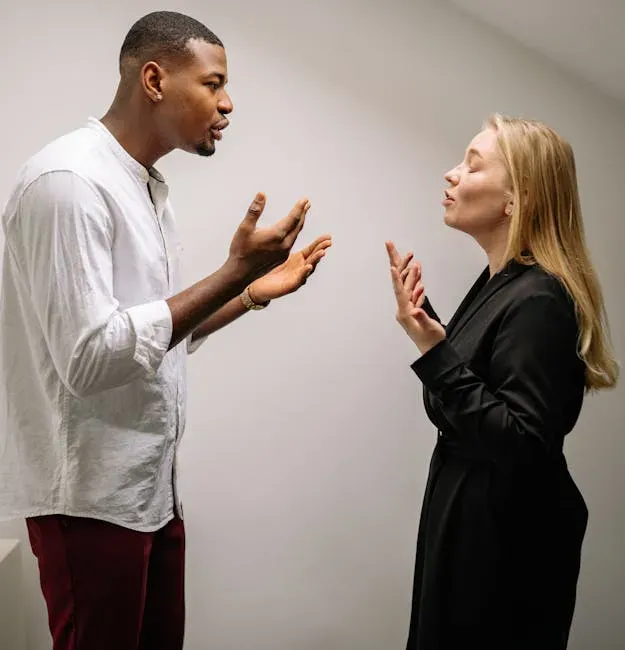
1. They Prioritize Repair Over Being Right (Image Credits: Pexels)
What separates couples who endure from those who deteriorate is not the absence of conflict. It is the speed and quality of repair. Long-term couples tend to understand this instinctively, even if they’ve never put a name to it. The goal in a disagreement shifts from winning the argument to restoring the connection.
Gottman’s research revealed that successful couples aren’t conflict-free. They’re skilled at repair attempts, any effort to de-escalate tension during a disagreement. A repair attempt might be humor, a touch, an apology, or simply saying “Can we start over?” That willingness to reach across the tension, even mid-argument, is one of the most underrated skills in a long relationship.
2. They Turn Toward Each Other in Small Moments

2. They Turn Toward Each Other in Small Moments (Image Credits: Stocksnap)
Every day, partners share small gestures or remarks, known as connection bids, that express a need for attention or interaction. Dr. John Gottman highlights these moments as key to relationship health and satisfaction. A comment about the weather, a glance across the room, a question about nothing in particular. These tiny signals carry more weight than they appear to.
Couples who consistently respond with interest and enthusiasm, what the Gottmans call “turning toward,” do so the vast majority of the time. Over time, missing too many of these opportunities can weaken feelings of safety, trust, and closeness. It’s not the grand gestures that build a relationship over years. It’s the small, consistent responsiveness to each other’s everyday moments.
3. They Maintain a Shared Story Without Losing Individual Identity

3. They Maintain a Shared Story Without Losing Individual Identity (Image Credits: Pexels)
Without even realizing it, emotionally safe couples speak in a kind of shared language. They say things like “That’s so us,” or “Remember when we…” They hold inside jokes, repeat favorite stories, and draw on metaphors only they understand intimately. These aren’t just sentimental habits; they’re the building blocks of “We-ness,” a shared identity that anchors the relationship. This sense of mutual narrative is something that quietly deepens over time rather than fading.
A 2016 study shows that these “We-Stories,” the narrative co-constructed by happy couples, are rich in themes like security, pleasure, and shared meaning that add to the mutuality of relationships and long-term satisfaction. Still, the strongest couples also protect a sense of individual self. In successful relationships, neither partner needs or wants dominance over the other. They gladly let whoever is in the best position to lead take the helm in any specific domain. They can also take over each other’s responsibilities if the other can’t deliver. There are no power struggles because they are a team.
4. They Express Gratitude in Ways That Go Beyond Words

4. They Express Gratitude in Ways That Go Beyond Words (Image Credits: Unsplash)
In romantic relationships, gratitude promotes positivity, satisfaction, and maintenance behavior. Long-term couples don’t just say thank you, though. They show it through small acts that accumulate meaning over time. A strong sense of gratitude was mentioned for the partner’s personality, the relationship quality, the partner’s support, their joint achievements and the life they have created together. Gratitude was expressed verbally, but also in idiosyncratic ways through love expressions, signs of affection, or gifts.
Gratitude seems to be an integral part of long-term relationships and may be beneficial for healthy aging. Couples at later stages of their relationship have overcome stressful times and might have more time and resources again to engage in positive relationship maintenance behaviors such as joint leisure activities, sharing gratitude, or engaging in humorous conversations that are known to be beneficial for the relationship. In other words, gratitude isn’t just a nice gesture. It’s a structural part of how healthy couples sustain connection across decades.
5. They Are Comfortable With Productive Silence

5. They Are Comfortable With Productive Silence (Image Credits: Unsplash)
It’s not the silence itself, but the intention behind it that matters. When couples feel emotionally secure, silence becomes a shared language, a form of intimacy. Many people assume that comfortable silence is just complacency, a sign that a couple has run out of things to say. Research tells a more nuanced story.
The distinction matters because not all silence operates the same way. Several studies highlight that chronic reliance on silence contributes to long-term emotional fatigue and relationship erosion. Cognitive reappraisal initially increased silence, perhaps as a deliberate delay to calm emotions, but reduced it over time as individuals reframed the conflict. Long-term couples learn to read the difference between the silence that restores and the silence that withdraws. That distinction alone takes years to develop.
6. They Help Each Other Navigate Stress Instead of Adding to It

6. They Help Each Other Navigate Stress Instead of Adding to It (Image Credits: Unsplash)
Trouble at work, financial crises, or family drama can all push a couple apart. Couples who can respond to each other’s stress in a way that is soothing rather than in a way that exacerbates it tend to be able to weather the tenser times. This sounds simple. In practice, it requires real emotional awareness, especially when both partners are stressed at once.
The real foundation of long-term relationships is far simpler than romantic dinners, surprise gifts, or carefully planned getaways. The real impact is in the small, everyday demonstrations of care. Couples who stay together through hard years tend to be those who showed up quietly during stressful periods, offering steadiness rather than escalation. Epidemiological studies indicate that better marital quality is associated with less morbidity and premature mortality. A number of interpersonal processes related to marital quality are also associated with health-relevant surrogate biomarkers across different physiological systems.
7. They Invest in Emotional and Intellectual Intimacy, Not Just Physical

7. They Invest in Emotional and Intellectual Intimacy, Not Just Physical (Image Credits: Unsplash)
Research found that emotional, intellectual, and recreational intimacy were the significant predictors of marital satisfaction for male and female participants. Physical intimacy gets the most cultural attention, but couples who remain satisfied over long relationship durations tend to have built something broader than that. Emotional closeness and the ability to genuinely engage with each other’s inner lives matter far more over time.
Many couples report that their sexual relationship improves over time as they learn about each other’s preferences and develop better communication skills. Initial sexual chemistry is less important than willingness to communicate openly about sexual needs and preferences. The pattern across all forms of intimacy is similar: openness and mutual curiosity outlast chemistry. Couples who keep asking real questions of each other, intellectually and emotionally, tend to stay genuinely interested in one another.
8. They Allow Attachment Patterns to Evolve

8. They Allow Attachment Patterns to Evolve (Image Credits: Pexels)
Attachment styles can change over time within relationships, particularly for individuals with anxious attachment. Partners who consistently experience responsive, supportive behavior from their romantic partners often become more securely attached over months and years. Long-term couples, whether consciously or not, tend to provide that kind of consistent responsiveness.
Partners who consistently experience responsive, supportive behavior from their romantic partners often develop more secure attachment patterns over months or years. This finding suggests that relationship experiences can gradually modify attachment patterns established in childhood. In secure relationships, conflict does not destabilize identity or attachment security. In insecure relationships, conflict can reactivate early fears of abandonment or engulfment. The couples who last the longest tend to be ones who have slowly, quietly built that kind of safety for each other, not through dramatic declarations, but through countless ordinary moments of showing up.
None of these eight behaviors are flashy. They don’t make for compelling social media content. They’re the kind of things that happen in kitchens and during commutes and in quiet moments before sleep. That’s precisely what makes them so durable.