
Most people assume their personality only shows when they open their mouth. The truth is, trained observers often have a clear read on you before you say a single word. The way you drop into a chair, cross your legs, or angle your knees might seem like unconscious habit, but psychologists say posture is a powerful window into personality.
According to psychological science, a person’s sitting position can tell us about their personality and intentions. Although most of the time we choose sitting positions unconsciously, they show our hidden wishes and inner states whether we want it or not. The eight patterns below are what psychologists and body language researchers consistently watch for.
1. Whether You Sit Upright or Slouch Signals Your Confidence Level
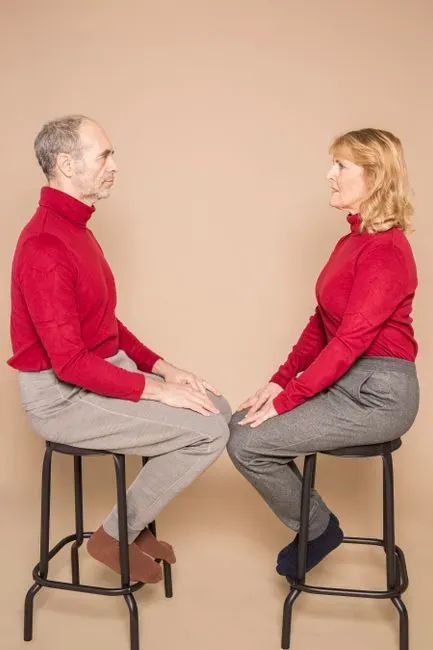
1. Whether You Sit Upright or Slouch Signals Your Confidence Level (Image Credits: Pexels)
A groundbreaking 2009 study from Ohio State University found that sitting up straight improves confidence, which can help with work performance and social settings. People who habitually maintain upright, open postures tend to score higher on measures of extraversion, assertiveness, and emotional stability. It’s one of the clearest and most immediate personality signals a psychologist notices.
Adopting an upright seated posture in the face of stress can maintain self-esteem, reduce negative mood, and increase positive mood compared to a slumped posture. Research finds that individuals who slouch reported higher levels of fear and stress while completing tasks than those who maintained an upright posture. In short, your spine tells a story about how you feel about yourself.
2. Leaning Forward Points to Genuine Interest and High Engagement
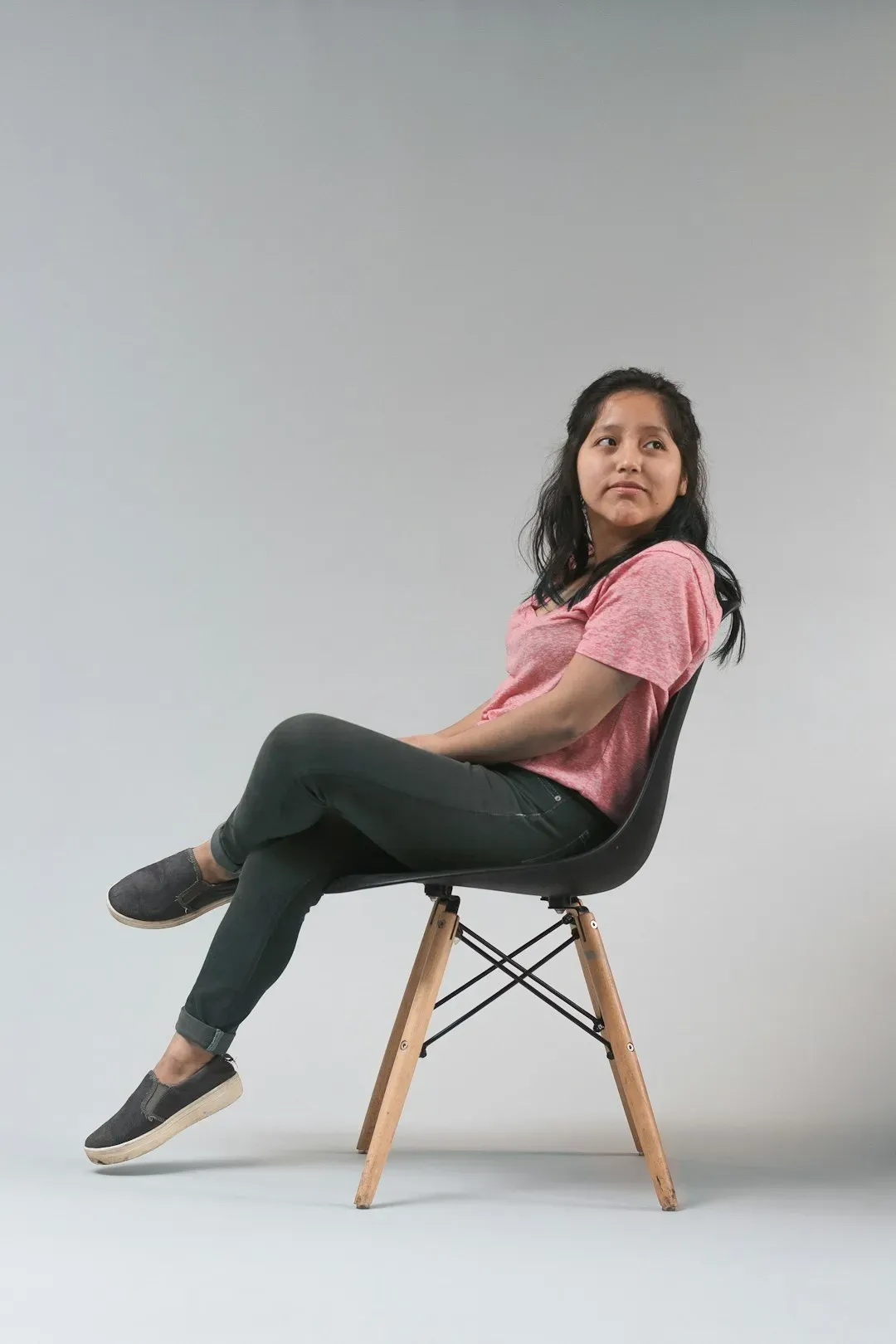
2. Leaning Forward Points to Genuine Interest and High Engagement (Image Credits: Unsplash)
At its core, the forward lean is the body’s physical expression of approach motivation, the drive to move closer to something perceived as positive, interesting, or rewarding. Research from Frontiers in Psychology examining nonverbal behaviors across multiple cultures confirmed that forward lean is consistently identified as a marker of nonverbal immediacy and trust. Psychologists treat this as one of the more reliable cues because it’s hard to fake for long.
The opposite, the backward lean, appears with equal consistency when a person is disengaged, unconvinced, or uncomfortable, and is one of the first signals the body produces when a conversation starts going in a direction the person does not welcome. If leaning forward is paired with fidgeting or tapping feet, it might also hint at anxiety or impatience. Context still matters, but the direction of a person’s torso rarely lies.
3. Crossed Legs Often Reveal Creativity Mixed With Guardedness
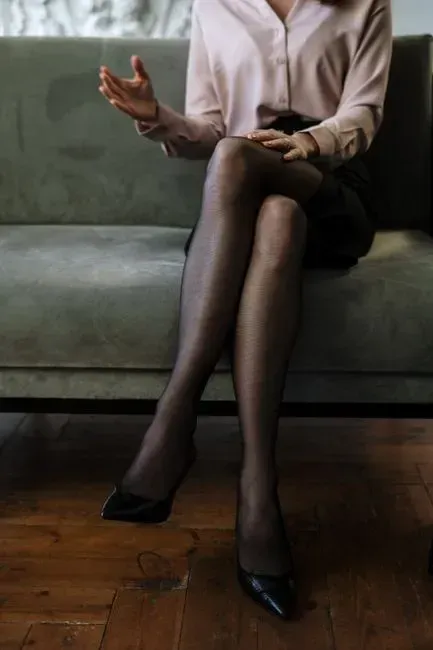
3. Crossed Legs Often Reveal Creativity Mixed With Guardedness (Image Credits: Pexels)
Sitting cross-legged is often associated with openness and creativity. Studies have revealed that people who sit with crossed legs are often exploding with out-of-box creative ideas. They have highly imaginative thinking. They are quite a dreamer. It’s a posture commonly seen in people who spend a lot of time in their own heads.
This classic pose can signal confidence and ease, but it might also be a subtle defensive mechanism. When you’re feeling vulnerable, you sometimes find yourself instinctively crossing your arms or legs. It’s like creating a little fortress around yourself. Sitting with crossed legs can also come off as a defensive or closed-off attitude. Psychologists weigh both possibilities before drawing conclusions.
4. Taking Up a Lot of Space Suggests Dominance or a Need for Control

4. Taking Up a Lot of Space Suggests Dominance or a Need for Control (Image Credits: Unsplash)
Someone who sprawls out when they sit, really taking up space, can be interpreted as projecting confidence, maybe even dominance in social situations. In a five-study project involving over 600 participants, researchers measured natural posture and correlated it with personality questionnaires. They found reliable associations between more erect, open postures and traits like dominance, competitiveness, and manipulative tendencies.
Research has shown that expansive, upright postures increase testosterone and decrease cortisol, creating a hormonal profile associated with confidence, decisiveness, and resilience. That said, someone who consistently spreads out isn’t always genuinely confident. This open stance signals confidence and a strong sense of space, though cultural conditioning plays a significant role in who adopts it.
5. Sitting With Both Feet Flat on the Floor Indicates Reliability and Groundedness
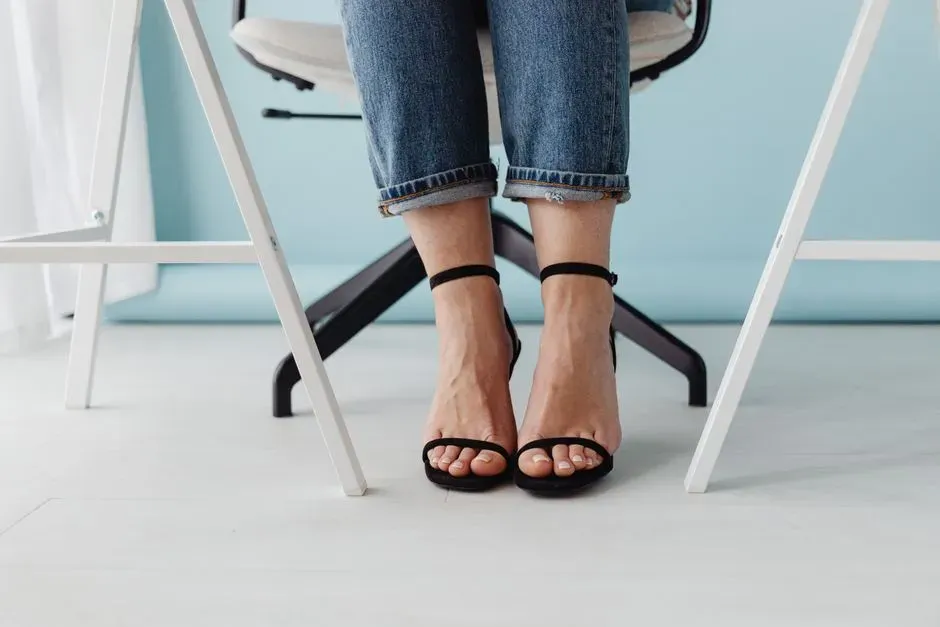
5. Sitting With Both Feet Flat on the Floor Indicates Reliability and Groundedness (Image Credits: Pexels)
Those who sit with both feet flat on the floor and knees pointing forward tend to have a direct and reliable personality. People who sit with knees straight are perceived as qualified for a job role during their interviews. They are also found to be individuals who believe in themselves and their skills. They tend to have a healthy and positive outlook and as a result, fewer insecurities.
These people are intelligent, rational thinkers, and punctual in their everyday lives. They are least likely to arrive late to any place, meeting, or interview. They are more likely to do smart work and keep their spaces neat and in order. It’s a posture that quietly communicates dependability, the kind of signal that builds trust before a word is exchanged.
6. Slouching Deeply Back Into a Chair Can Signal Withdrawal or Low Mood
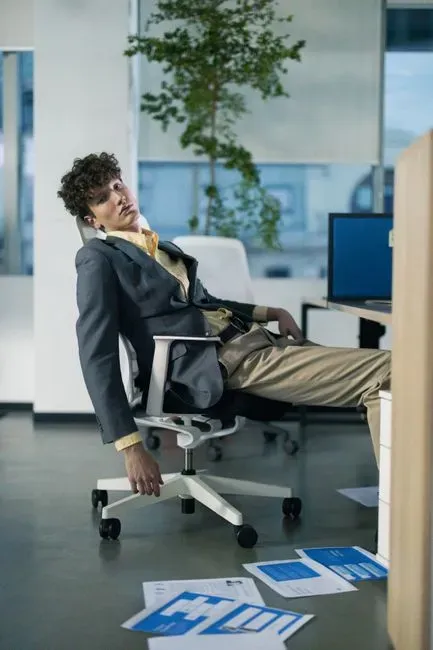
6. Slouching Deeply Back Into a Chair Can Signal Withdrawal or Low Mood (Image Credits: Pexels)
When you collapse your chest and round your shoulders, your brain reads these cues as signs of defeat or threat. Participants in research studies who held contracted postures reported lower self-esteem and increased feelings of helplessness. Those who consistently adopt closed, collapsed postures tend toward introversion, passivity, and higher anxiety.
In a study published in Biofeedback, San Francisco State University professors revealed that posture impacts memory recall. Participants sitting upright were likelier to access positive memories, whereas those in a slumped position tended to focus on negative experiences. Depression is often expressed through the body in reduced movement, slumped shoulders, and a lowered gaze. Participants assigned to slouched posture in studies reported more negative thoughts and used language tied to sadness and helplessness.
7. Crossed Arms While Sitting Point to Defensiveness or Deep Thinking
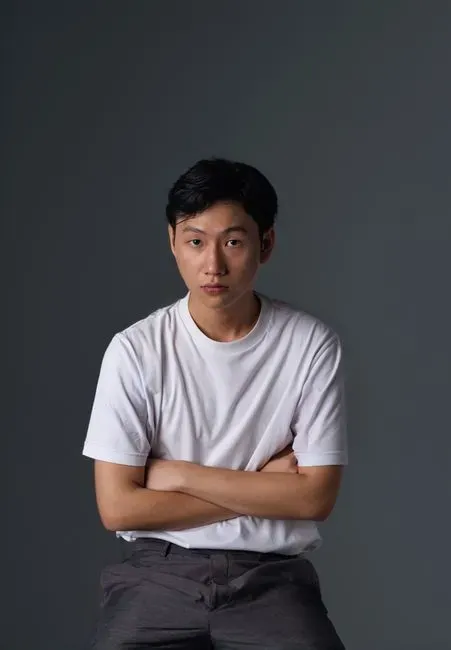
7. Crossed Arms While Sitting Point to Defensiveness or Deep Thinking (Image Credits: Pexels)
Social anxiety creeps into body language through hunched shoulders, crossed arms, and avoiding eye contact. These unconscious habits create a physical barrier and signal discomfort or unapproachability. Crossed arms with clenched fists or tight shoulders often signal more emotional intensity, such as frustration or anxiety, than a casual cross.
Crossed arms can also signal that someone is a deep thinker who can analyze problems and situations well. Context matters: if the person has a closed facial expression or is also turning away, it leans more toward defensiveness. If they’re laughing or nodding along, it may just be a comfortable resting posture. Psychologists rarely read crossed arms in isolation for this exact reason.
8. Perching on the Edge of a Seat Signals Alertness, Anxiety, or Eagerness

8. Perching on the Edge of a Seat Signals Alertness, Anxiety, or Eagerness (Image Credits: Gallery Image)
Behavioral studies by experts have found that leg positions can reveal aspects of our personality. Our legs and feet can provide insights into our subconscious, which is programmed to either move toward what we desire or away from negative emotions such as nervousness, anxiety, boredom, and insecurities. Sitting on the very edge of a chair fits neatly into this pattern. It almost always signals that the nervous system is switched on.
Whether you’re in class, a job interview, or on a date, your seated position can instantly communicate confidence or nervousness. Perching on the edge can mean someone is eager and ready to act, or it can mean they’re uncomfortable and mentally preparing to leave. Posture is both an expression of personality and a driver of it, and nowhere is that bidirectional relationship clearer than in the restless energy of someone balanced right on the edge of their seat.
Taken together, these eight signals paint a surprisingly detailed picture of who a person is and what they’re feeling in a given moment. None of them are definitive on their own. Interpretations of posture must be cautious. Posture is only one channel among many in human communication. Still, the next time you settle into a chair, it’s worth knowing that a trained eye may already be reading you, quietly and accurately, before the conversation even begins.