
Most of us like to think we’re in control of the story we tell other people. We choose our words, manage our tone, rehearse the right response. What we rarely manage, though, is everything else. The way we sit, where our feet point, how long we hold a gaze – all of it is broadcasting something that our carefully selected words might be trying to contradict.
Researchers contend that up to roughly seven in ten units of meaning conveyed in communication are nonverbal. That’s a remarkable figure when you pause to consider how much effort most people put into what they actually say. The body, it turns out, is a far less cooperative narrator. Here are eleven signals that consistently reveal more than words ever could.
1. Microexpressions That Flash Across the Face
1. Microexpressions That Flash Across the Face (Image Credits: Unsplash)
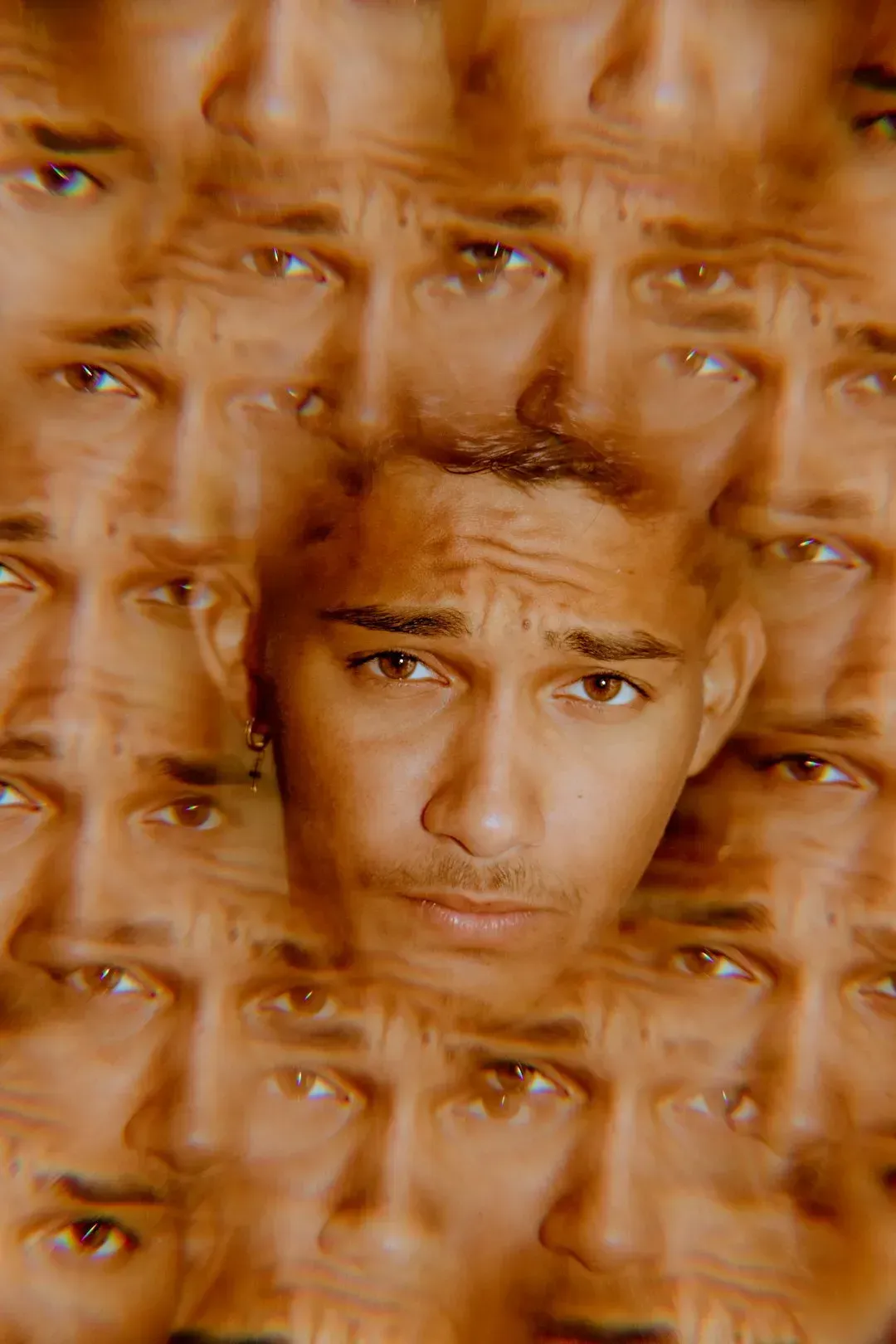
Facial expressions are a powerful medium for conveying emotions, sometimes even through subtle microexpressions – fleeting, involuntary facial movements that briefly reveal genuine feeling. They often occur in a fraction of a second, offering a brief insight into a person’s genuine emotions, some of which may not be intentionally expressed and may diverge from their consciously stated feelings.
Microexpressions are tiny, involuntary facial expressions that reveal true emotions. They happen in the blink of an eye. A person may briefly reveal anger, contempt, or sadness before quickly masking it with a neutral expression. Paul Ekman’s work shows that across cultures, certain emotional expressions – happiness, sadness, anger, fear, disgust, surprise, and contempt – are universally recognized. That cross-cultural consistency makes microexpressions one of the most reliable windows into what someone actually feels.
2. Where the Eyes Go During Conversation

2. Where the Eyes Go During Conversation (Image Credits: Pexels)
Eye contact is one of the strongest nonverbal signals of trust, interest, and confidence. Avoiding eye contact often leads others to interpret evasiveness or lack of interest. It’s a signal most people read intuitively, even without knowing why they feel uneasy when someone won’t quite meet their gaze.
When a person looks directly into the eyes during a conversation, it indicates that they are paying attention and expressing interest in what the other person is saying. A person who frequently looks away and breaks eye contact during a conversation indicates that they are distracted or uncomfortable. Such behavior also signifies that the person is trying to conceal their true feelings or intentions. Context matters, of course, but persistent gaze-avoidance is rarely neutral.
3. The Direction the Feet Are Pointing
3. The Direction the Feet Are Pointing (Image Credits: Pexels)
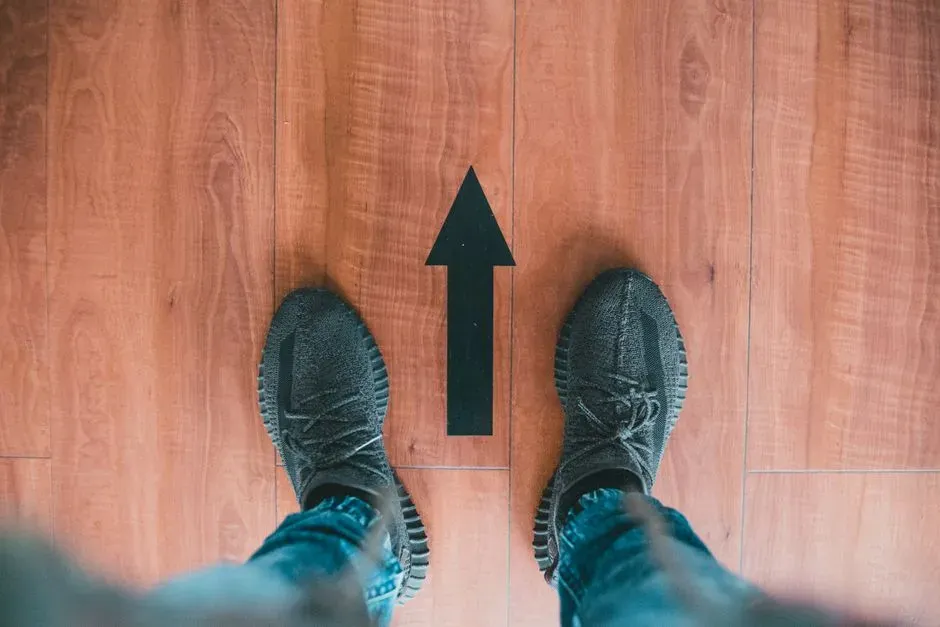
The truth can be revealed in people’s feet. The positioning of someone’s feet can show whether they are eager to leave or suppressing agitation. If someone appears friendly, but their foot is pointing in the direction of the nearest exit, this is a body language cue that they need to leave even if their face indicates otherwise.
Feet can also reveal information beyond just direction. Note where a person’s feet face during a conversation. If their feet point away, they may feel more like leaving the conversation than continuing it. The feet are among the hardest parts of the body to consciously control in conversation, which makes them particularly honest. People manage their faces; they rarely manage their ankles.
4. Crossed Arms and What They Actually Mean

4. Crossed Arms and What They Actually Mean (Image Credits: Unsplash)
Most people think that crossed arms are a sign of aggression or refusal to cooperate. In fact, crossed arms can signal many other things, including anxiety, self-restraint, and even interest, if the person crossing their arms is mirroring someone else who is doing the same. The single gesture means very little on its own.
Crossed arms, while sometimes simply a comfortable position, can also indicate a defensive stance when accompanied by other anxiety signals. Look for clusters of behaviors that together paint a picture of emotional state. For instance, crossed arms alone may not indicate anxiety, but when combined with a furrowed brow, tight lips, and minimal eye contact, the picture becomes much clearer. It’s the combination, not the single gesture, that carries the real signal.
5. Posture and How Much Space Someone Takes Up
5. Posture and How Much Space Someone Takes Up (Image Credits: Pexels)
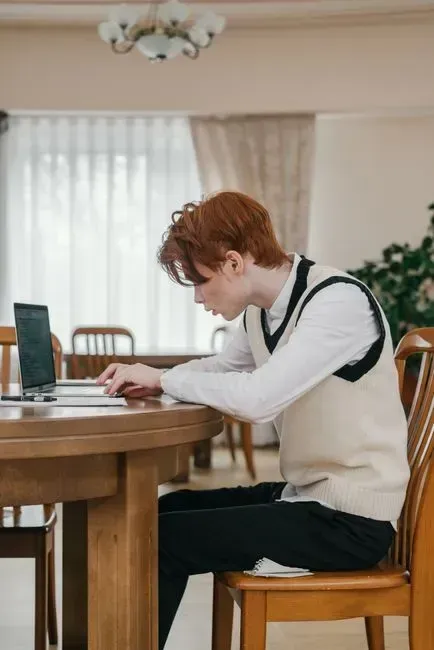
Anxiety often manifests in posture changes, with hunched shoulders being a common sign. This protective posture, where the shoulders round forward and the chest caves in, can be an unconscious attempt to shield oneself from perceived threats. Confidence, by contrast, tends to open the body outward and upward.
Shrinking postures, such as crossed arms or taking up minimal space, suggest a desire to remain unnoticed. Open, expansive body positions indicate feelings of dominance, leadership, power, or achievement. The way someone occupies – or refuses to occupy – physical space often maps quite directly onto how safe and confident they feel in a given moment.
6. Mirroring the Person Across From You

6. Mirroring the Person Across From You (Image Credits: Unsplash)
It’s natural to mirror; beginning as soon as infancy, a newborn moves its body to the rhythm of the voice it hears. Body language is a vital form of communication, but most of it happens below the level of conscious awareness. When two people unconsciously begin to match each other’s posture, timing, and gestures, it’s a reliable sign of genuine connection.
Leaning towards an interlocutor has been shown to be associated with rapport. When mirroring happens naturally, without effort, it signals that both parties are genuinely engaged and at ease with one another. When it’s absent in a conversation that seems warm on the surface, that absence is worth noticing. The body simply doesn’t mirror people it doesn’t feel close to.
7. Touching the Face, Neck, or Hair
7. Touching the Face, Neck, or Hair (Image Credits: Pexels)
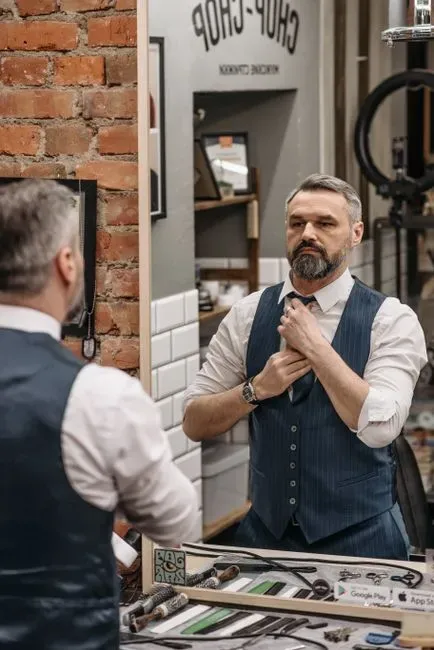
Displacement behaviors such as grooming, face touching, or fumbling are related to anxiety and stress regulation. These self-touching gestures appear across cultures and are largely automatic responses to inner discomfort. They’re the body’s quiet way of self-soothing under pressure.
All primates demonstrate behaviors including the freeze response and various self-soothing behaviors, such as touching the neck or twirling the hair in humans. Subtle protective gestures, like touching the neck or covering vulnerable body parts, are also common in people who feel stressed or exposed. When someone reaches for their own neck mid-conversation, the topic almost certainly just landed somewhere uncomfortable.
8. Fidgeting and Restless Movement

8. Fidgeting and Restless Movement (Image Credits: Unsplash)
Fidgeting and restless movements are hallmark signs of anxiety. These can include leg bouncing, finger tapping, hair twirling, or repetitive touching of objects. None of these behaviors are typically conscious choices, which is precisely what makes them so revealing.
Fidgeting is defined as repetitive and unnecessary movements such as hands or feet tapping. These movements are triggered by anxiety and help a person gain some sense of control. These gestures communicate nervousness and impatience, signaling that the person wants to get out of the situation. Watch for a sudden uptick in fidgeting the moment a particular subject comes up – the timing tells you more than the behavior itself.
9. A Genuine Smile Versus a Performed One

9. A Genuine Smile Versus a Performed One (Image Credits: Unsplash)
Happiness is conveyed by specific facial features: cheeks are raised, lower eyelids may show wrinkles, crow’s feet form near the outside of the eyes, and the corners of the lips are drawn back and up. This is what researchers call the Duchenne smile, and it’s almost impossible to fake convincingly for any sustained period of time.
A performed smile, by contrast, typically stays below the eyes. The mouth moves, but the upper face remains still. A genuine smile, one that reaches the eyes, signals happiness or friendliness in a way that a polite, surface-level smile simply cannot replicate. Most people sense the difference even if they can’t articulate why a smile felt hollow. The eyes give it away every time.
10. The Tension Held in the Jaw and Lips
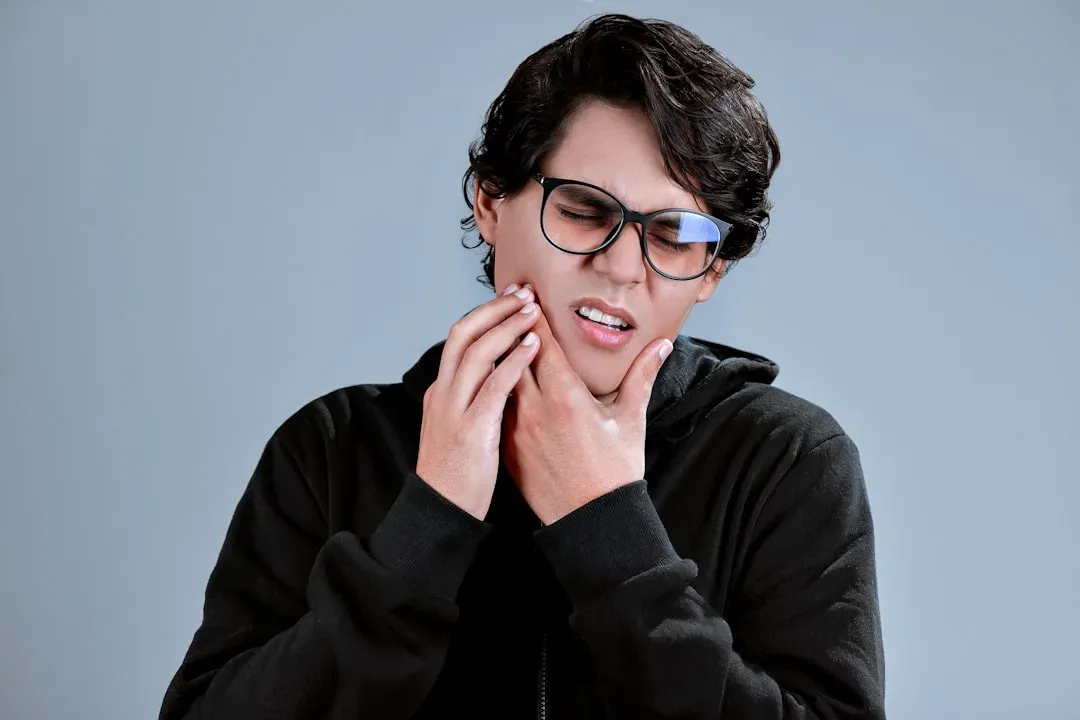
10. The Tension Held in the Jaw and Lips (Image Credits: Unsplash)
When people are stressed or do not like what they are seeing or hearing, their lips draw in and get smaller. Tension and anger can also be seen by tightening of the lips. These are small movements, often lasting less than a second, but they’re consistent enough across individuals to be meaningful.
Chronic stress often reveals itself through specific body language. Tense or stiff posture, jaw clenching, and frequent rubbing of the forehead or temples are common indicators. The jaw is a particularly honest messenger because most people simply don’t monitor it. Someone might carefully compose their verbal response while their clenched jaw quietly signals exactly how they feel about the conversation.
11. Nonverbal Leakage When Words and Body Conflict
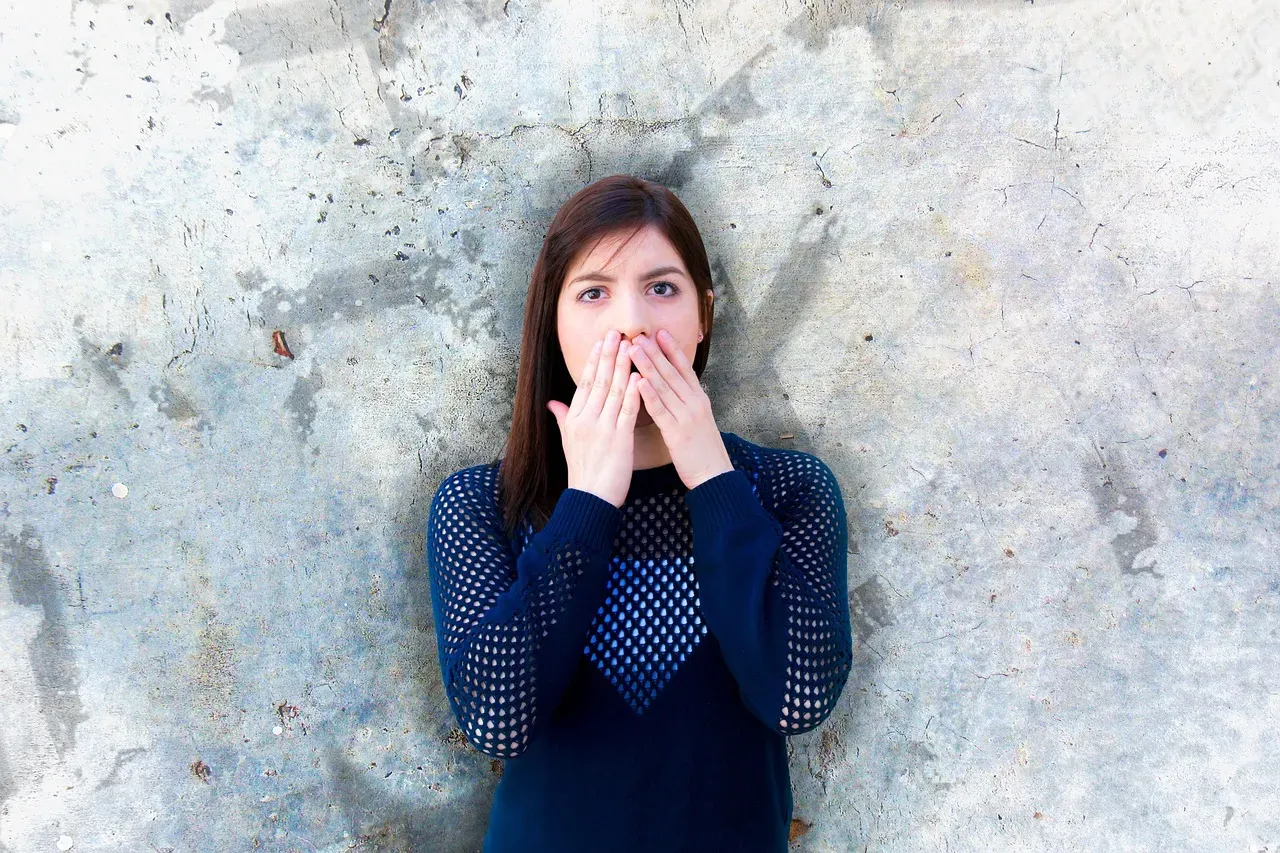
11. Nonverbal Leakage When Words and Body Conflict (Image Credits: Pixabay)
Nonverbal leakage refers to involuntary nonverbal signs that reveal one’s true feelings, even when verbal messages attempt to conceal them. It’s the gap between what the mouth says and what everything else communicates – and it’s far more common than most people realize.
In studies of deception, as many as roughly all participants show some level of nonverbal leakage when concealing high-intensity emotions. That doesn’t mean they’re always caught, but leakage is common. People seem to be able to differentiate between honest and untrustworthy channels. When verbal and nonverbal signals contradict each other, people generally trust the latter more, since it unconsciously broadcasts one’s true feelings. The body, in other words, tends to win that argument.
Learning to read body language isn’t about becoming suspicious of everyone around you. It’s about paying attention to a layer of communication that has always been there, running quietly beneath the words. Microexpressions, hand gestures, and posture all register in the human brain almost immediately, even when a person is not consciously aware they have perceived anything. For this reason, body language can strongly color how an individual is perceived, and how they, in turn, interpret others’ motivation, mood, and openness.
The honest truth is that the body rarely lies for long. Words can be rehearsed, but the small signals – a tight jaw, a foot edging toward the door, a smile that stops at the mouth – tend to tell a quieter, more accurate story. The more you notice them, the more complete the conversation becomes.