
Most people think communication starts when they open their mouth. It doesn’t. Long before a word leaves your lips, the people already seated in that room have registered your posture, your pace, where your eyes land first, and how much space you allow yourself to occupy. The whole thing happens in the background of their awareness, fast and automatic.
There’s a quiet social arithmetic that happens every time a door opens. The people inside don’t consciously analyze you, but their brains are doing exactly that. What your silent entrance communicates can either open a room or quietly close it. Here’s what the research tells us about what’s actually being read.
Your Brain Is Already Being Judged Before You Speak

Your Brain Is Already Being Judged Before You Speak (Image Credits: Pexels)
Research by Princeton psychologists Janine Willis and Alexander Todorov found that it takes as little as a tenth of a second to form an impression of a stranger, and that longer exposures don’t significantly change those initial judgments. That’s not hyperbole. The brain is running a rapid social scan the moment you step into view.
Psychologists call this “thin slicing” – the brain’s ability to make rapid judgments based on very limited information. Once someone forms an initial opinion, they begin looking for evidence to support it. Your silent entrance doesn’t just create an impression; it creates the filter through which everything else you do gets interpreted.
The Speed of Your Walk Signals More Than You Expect

The Speed of Your Walk Signals More Than You Expect (Image Credits: Pixabay)
Walking with a steady pace and composure when entering a room is one of the most revealing nonverbal signals a person can send. A hurried shuffle suggests you’re behind schedule or anxious. A slow, deliberate stride reads as ease and ownership. The pace itself carries a message before your face is even fully visible to anyone.
Whether you are talking, gesturing, or just walking across the room, pace matters. Taking your time moving at a slower pace shows that you are in no rush and maintains a confident stance. People who walk with measured intention tend to be perceived as grounded. People who rush in tend to be perceived as reactive, even when that’s not the full picture.
Posture Is Read as a Social Status Signal
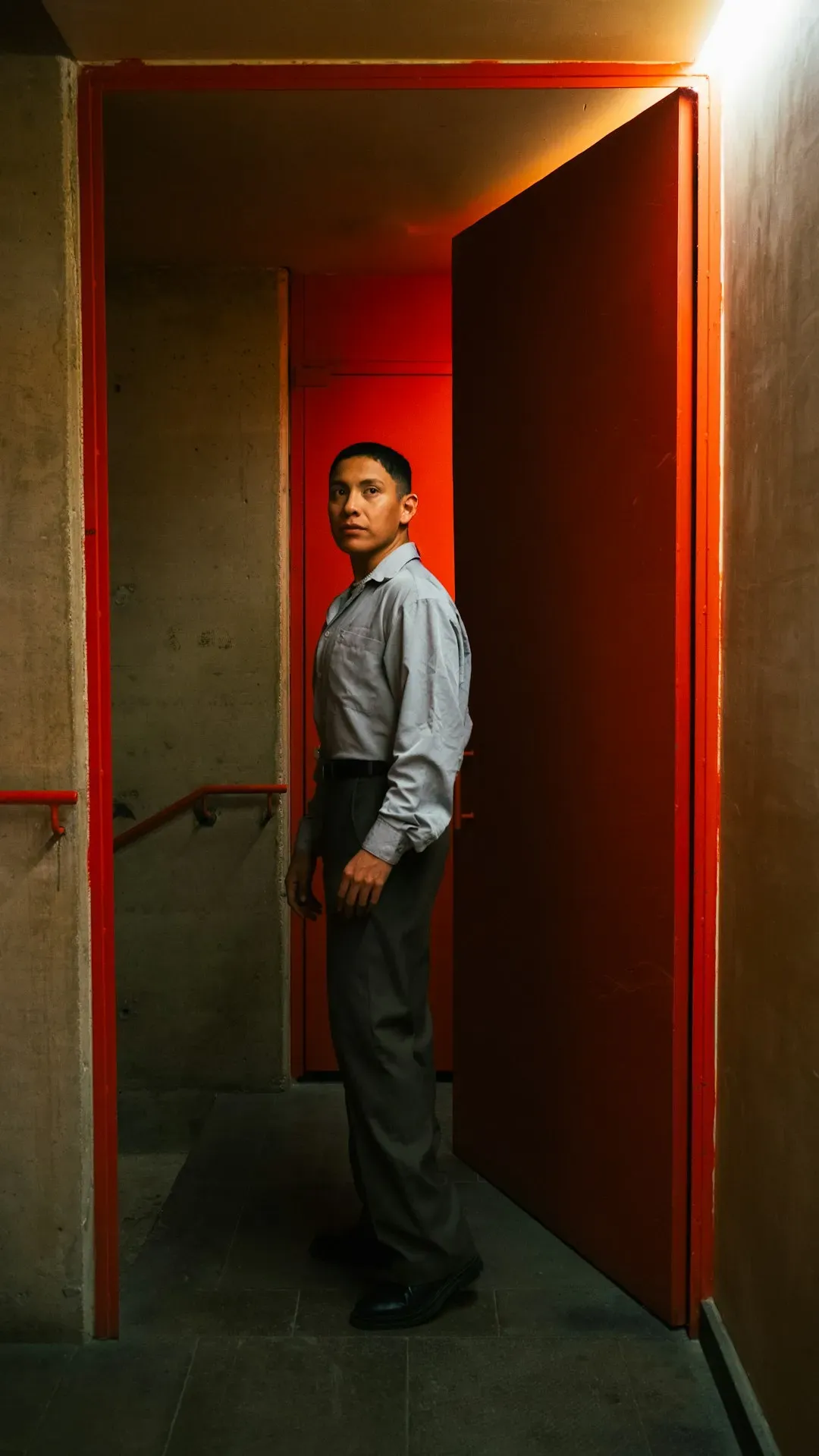
Posture Is Read as a Social Status Signal (Image Credits: Unsplash)
Body posture silently conveys attitude, competence, and readiness, often shaping how others respond before a single word is spoken. When someone enters a room with rounded shoulders and a downward gaze, the room reads it as withdrawal. When they enter with an open chest and a level head, the room reads it as presence.
Research found that an upright walking posture produced significantly improved psychological states, including greater feelings of power. Notably, large replication studies suggest expansive poses don’t reliably change hormones, yet across multiple labs, posture does seem to influence self-reported confidence and willingness to take action. In other words, posture shapes both how you’re perceived and, in turn, how you feel about being in that room.
Where Your Eyes Go First Tells the Room How You Feel About Being There

Where Your Eyes Go First Tells the Room How You Feel About Being There (Image Credits: Unsplash)
The moment you cross a threshold, your gaze direction is already communicating. Eyes that scan the room calmly and openly signal comfort and social readiness. Eyes that drop immediately to a phone or lock onto the floor signal either avoidance or anxiety. The people already in the room notice this within moments, even if they never consciously register it.
Body language is a fundamental aspect of human communication, serving as a primary means of expressing emotions, intentions, and social signals. While verbal communication conveys explicit messages, body language often reveals implicit information about a person’s thoughts, feelings, and attitudes. Eye direction on entry is one of the clearest implicit signals of all. Looking for familiar faces reads as belonging. Scanning for exits reads as something else entirely.
How Much Space You Claim When You Walk In
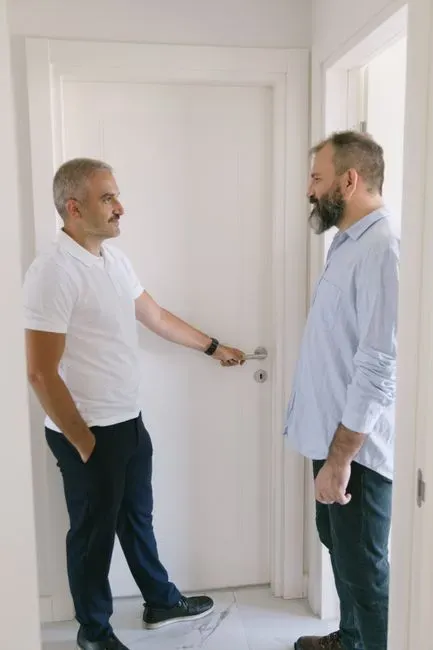
How Much Space You Claim When You Walk In (Image Credits: Pexels)
When someone sits or enters with an open posture – shoulders back, arms uncrossed – they appear receptive. Conversely, closed postures signal defensiveness or disagreement. The same logic applies to physical space. A person who shrinks into a doorway, keeping close to the walls and minimizing their footprint, signals discomfort with being seen. A person who moves through the center of a room with unhurried confidence signals that they belong there.
A confident posture and relaxed demeanor can signal readiness to contribute. Avoid slouching or shrinking – it may suggest insecurity or disinterest. Instead, claim your space with a calm but assertive presence. This isn’t about dominance. It’s about the quiet nonverbal message that you’re comfortable taking up the space you’re entitled to.
The Expression on Your Face at the Moment of Entry

The Expression on Your Face at the Moment of Entry (Image Credits: Pexels)
Your facial expressions set the tone for interactions. A genuine smile builds rapport, while a furrowed brow may make others feel uneasy. The face you wear when you first cross the threshold is the one that anchors the room’s initial read of you. A neutral, composed expression is received very differently from a tense or distracted one, even if neither is intentional.
Micro-expressions, which last roughly one twenty-fifth of a second, reveal genuine emotions before they can be masked. When a colleague’s face briefly flashes disappointment before shifting to a polite smile, observers witness their authentic reaction. The room picks up on your genuine state even when you think you’ve neutralized it. The entry moment is when these flickers are most exposed, because your guard hasn’t fully settled yet.
Entering Quietly Doesn't Mean Entering Invisibly

Entering Quietly Doesn't Mean Entering Invisibly (Image Credits: Unsplash)
There’s a common belief that slipping into a room without making noise means going unnoticed. That’s not how social perception works. In a professional setting, first impressions are crucial. Within seconds of meeting someone, judgments are formed based on nonverbal cues, shaping initial perceptions that can be hard to change. A quiet entrance simply means the nonverbal signals carry more weight, not less.
Most people move through social interactions without thinking consciously about body language, yet small adjustments can transform how someone is perceived. Entering quietly can be an act of consideration. It can also read as hesitance. The difference lies almost entirely in what the body is doing while doing it quietly.
The Halo Effect and Why First Moments Stick

The Halo Effect and Why First Moments Stick (Image Credits: Pexels)
The halo effect describes how one positive impression can spill over into broader judgments about competence, trustworthiness, and quality. This means that a confident, composed entrance doesn’t just create a good first impression of your arrival. It actually colors how people receive your ideas, your words, and your contributions throughout the entire interaction that follows.
Research has found that we not only decide if we like someone in the first few seconds, but also that first impressions stay with us. The door hasn’t even closed behind you, and the social dynamics of the room have already begun to shift. That’s not a reason for self-consciousness; it’s simply the reality of how human social perception operates.
Cultural Context Shapes What a Silent Entry Communicates

Cultural Context Shapes What a Silent Entry Communicates (Image Credits: Pexels)
Cultural differences mean that gestures, facial expressions, and physical distances vary. For example, maintaining eye contact may indicate confidence in some cultures but be perceived as disrespectful in others. What reads as self-assurance in one context can read as aggression in another. A measured, deliberate entry that signals confidence in a Western boardroom may feel presumptuous in settings where deference on arrival is the established norm.
Body language’s meaning changes depending on the situation. A crossed-arm posture might signal defensiveness in a debate but merely reflect comfort in a chilly room. Reading a room on entry also requires reading the cultural grammar of that specific room. The signals are real, but they’re always contextual – and the most socially intelligent people account for both at once.
Presence as a Practice, Not a Performance

Presence as a Practice, Not a Performance (Image Credits: Unsplash)
Research and professional presence programs show that physical behavior influences not only how others perceive a person but also how they feel internally. Adjusting posture, breathing, and movement can reinforce a sense of calm authority. Presence, in this light, becomes a practice rather than a performance.
The brain listens to the body. Hold yourself in a way that signals safety and capability, and people often respond in kind. That social feedback then reinforces felt confidence, creating a virtuous cycle. The way you walk into a room, then, isn’t just communication directed outward. It’s a signal sent inward too – and the room responds to which version of you arrived first.