
There’s a particular kind of quiet that hits you when you’re sitting alone at a café in Lisbon or waiting for a train in rural Japan, and you realize no one on earth knows exactly where you are. For most women, that moment lands somewhere between terrifying and deeply clarifying. It doesn’t feel like loneliness. It feels, many describe, like finally meeting yourself without anyone else in the room.
Solo female travel has moved well beyond a niche lifestyle trend. It has become one of the defining social shifts of the 2020s, reshaping how millions of women understand their own capabilities, their boundaries, and their sense of identity. The numbers are real, the psychological research is compelling, and the stories women tell when they come home are remarkably consistent. Something changes. Something essential.
A Movement That Keeps Growing Bigger

A Movement That Keeps Growing Bigger (Image Credits: Unsplash)
Women are leading the way in independent travel, with the vast majority of solo travelers identifying as female, and more than half of women having expressed plans to travel alone in recent years. That figure isn’t slowing down. A survey of four thousand American travelers found that roughly four in ten female respondents expressed interest in traveling alone, which is eight percent higher than the previous year.
Google searches for “solo female travel” have soared, increasing by over eleven times between 2011 and 2024. As burnout becomes a growing concern, more women are opting for sabbaticals to reset, realign with their purpose, and explore the world on their own terms. The infrastructure supporting these decisions has never been better, and the cultural permission to take that first solo trip has never been more available.
The Psychological Shift Nobody Warns You About
The Psychological Shift Nobody Warns You About (Image Credits: Unsplash)
Research demonstrates that solo travel enhances women’s well-being through improved self-identity, empowerment, and confidence. Solo female travelers experience significant psychological benefits, including increased happiness and decreased stress levels. These aren’t soft anecdotal claims. They show up consistently across academic studies and large-scale survey data alike.
A study on travel motivations found that transformative experience, freedom, and flexibility were key motivators for solo travelers, while anticipated self-discovery and freedom were the most compelling draws for those considering their first solo trip. Self-discovery and building a relationship with yourself can help develop self-compassion, self-esteem, and self-soothing, which are all essential in life. What begins as a vacation quietly becomes something more permanent.
Freedom and Self-Care Drive the Decision
Freedom and Self-Care Drive the Decision (Image Credits: Pexels)
Among women, the vast majority choose solo travel for freedom and flexibility, while more than three quarters do so for self-care and relaxation, according to the Solo Female Travel Trends Survey. These two motivators seem simple on the surface, but they represent something deeper. The freedom to set a schedule around your own energy, your own curiosity, and your own pace is a form of radical self-respect that many women say they rarely practice in their ordinary lives.
Economic independence, delayed marriage, and cultural shifts have empowered women to prioritize self-discovery travel in ways that previous generations simply couldn’t. Women over forty, often with newfound freedom and disposable income, are increasingly embracing solo travel. Cruise lines, tour operators, and travel agents report heightened demand from this demographic, reflecting a desire for adventure and self-fulfillment later in life.
Confidence That Travels Back Home With You
Confidence That Travels Back Home With You (Image Credits: Pexels)
Competence is closely linked to confidence and the self-perception of bravery. Recognizing one’s courage can enhance confidence, empowering women to embrace new challenges and explore unfamiliar destinations. This cycle is self-reinforcing. Each solved problem, missed bus rerouted, or language barrier navigated adds a layer of quiet certainty about what a woman is actually capable of handling.
Solo travel allows women to step out of their comfort zones, face their fears, and push the boundaries of action, which first encourages personal and emotional growth. Completing the journey alone and overcoming obstacles can lead to tangible results in terms of self-esteem. Women consistently report that the confidence they build abroad doesn’t stay in the destination. It restructures how they show up in boardrooms, relationships, and daily decisions.
What Research Tells Us About Self-Identity
What Research Tells Us About Self-Identity (Image Credits: Pexels)
In multiple cases studied, self-transformation and positive changes in well-being came out as resultant factors of solo traveling. Studies indicate that self-actualization is a primary motivator, as women engage in solo travel to seek personal fulfillment, cultivate independence, and experience personal growth. Psychologists frame this through Maslow’s hierarchy of needs, placing solo travel uniquely at the level where people move beyond safety and belonging into becoming more fully themselves.
Women travel solo to enjoy leisure, discover new cultures, focus on themselves, meet new people, have novel experiences, and build self-esteem. These motivations overlap in important ways. Research has identified four interrelated themes driving women to travel solo: the need for solitude, the need for autonomy, the need for competence, and the need for relatedness. Rarely does any other single experience address all four simultaneously.
Safety Is Real, but It Doesn't Stop Them
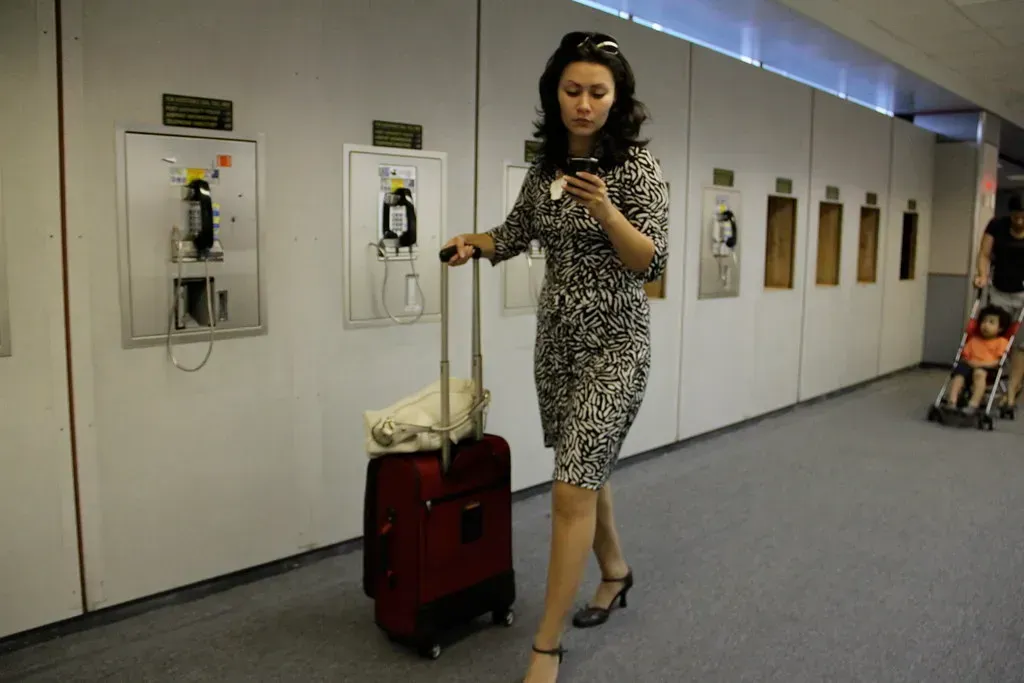
Safety Is Real, but It Doesn't Stop Them (MattHurst, Flickr, <a href="https://creativecommons.org/licenses/by-sa/2.0/" target="_blank" rel="noopener">CC BY-SA 2.0</a>)
Female solo travelers were nearly three times more likely than male solo travelers to list safety as a concern. This is a genuine reality, not an exaggerated fear. Roughly a quarter of solo female travelers have feared for their safety in the last twelve months during a solo trip. Acknowledging this honestly matters, because dismissing it would misrepresent the experience entirely.
Still, experience changes the equation. With experience comes less worry: those with fewer than six solo trips worry about safety at a far higher rate than those who have traveled solo more than ten times. Regardless of global events, the overwhelming majority of women state they are not afraid to travel. Another large proportion of those who take adventure, cultural, or nature trips are women, proving they’re not afraid to put themselves in unfamiliar situations.
The Destinations That Keep Calling Them Back

The Destinations That Keep Calling Them Back (Image Credits: Pixabay)
Japan was named the top solo travel destination for 2024. Women traveling solo in Japan appreciate well-lit streets, women-only train cars, and a culture that values respect. It’s not just safety statistics that make a destination feel right. It’s the texture of daily life, and Japan delivers on that in ways few places match.
Iceland, as the world’s most gender-equal country for fourteen consecutive years, offers safety that extends beyond physical security to encompass social attitudes. Portugal, with its warm hospitality and coastal charm, is one of Europe’s rising stars for solo female travelers. Lisbon’s streets and Porto’s wine culture provide endless opportunities for exploration, and Portugal ranks high for women’s rights while offering an affordable cost of living.
Community Found in the Most Unexpected Places

Community Found in the Most Unexpected Places (Image Credits: Pixabay)
Online interactions influence the perceptions and experiences of solo female travelers by fostering a sense of autonomy and control, building competence and confidence, and creating a sense of connectedness with others. The paradox of solo travel is that it rarely stays solitary for long. Women who leave alone frequently describe coming home with a richer social world than the one they left behind.
The combination of technology, community platforms, and destination safety infrastructure removes traditional barriers that once made solo travel feel impractical for women. A growing trend sees women seeking travel companions online via Facebook groups exclusively set up for this purpose or via various travel apps. Groups such as Host a Sister have grown to over half a million members since the start of the pandemic. Solo doesn’t mean isolated. For many women, it means choosing your connections rather than defaulting to them.
Why This Keeps Happening Across Age Groups
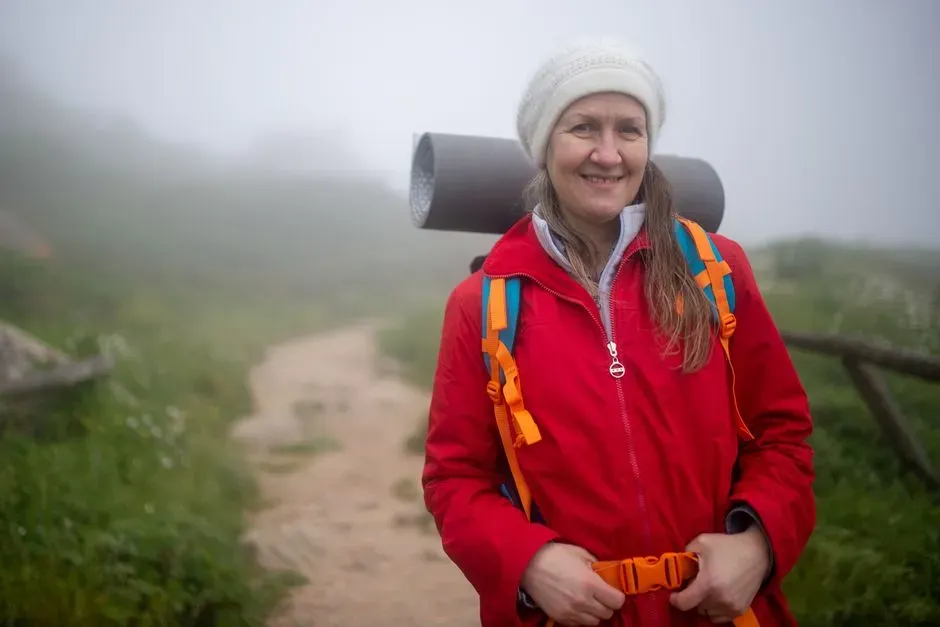
Why This Keeps Happening Across Age Groups (Image Credits: Pexels)
Female solo travelers aged 65 and older increased from four percent of all solo travelers in 2019 to eighteen percent in 2022, a remarkable demographic shift that reflects a generation of women discovering this freedom later in life. UK travel companies have reported an increase in bookings for solo travelers, primarily older women, often leaving partners behind to explore on their own terms.
Most solo female travelers go solo because it is the easiest, most straightforward way to pursue a bucket-list trip without waiting for a travel partner. They want to challenge and get to know themselves better, grow, and gain in confidence and strength. Whether a woman is twenty-three or sixty-seven, the underlying desire is the same: to see what she’s made of when the support structures fall away and it’s just her, a bag, and an open itinerary.
The Market Has Finally Caught Up to the Reality
The Market Has Finally Caught Up to the Reality (Image Credits: Pexels)
The U.S. solo travel market was valued at nearly ninety-five billion dollars in 2024 and is expected to expand at a notable compound annual growth rate from 2025 to 2030. Hilton’s Annual Trends Report confirmed that nearly half of travelers are already traveling on their own, so much so that Hilton incorporated solo travelers into the design of its hotels and restaurants. The industry has finally stopped treating solo female travelers as an edge case.
Savvy travel companies, large and small, have identified this opportunity and launched a multitude of women-focused products, including women-only and female-focused tours, to capture the growth in this segment. Of those who traveled solo in 2024, more than a third are planning another four to five solo trips in 2025. Once a woman takes that first trip, the experience tends to repeat. Not out of habit, but out of genuine hunger for what it gives back to her.