
There’s a quiet pressure in modern parenting to show love through things. A new toy after a hard week, the latest gadget for a birthday, a surprise treat to smooth over a difficult moment. It’s understandable. Material gestures are visible, immediate, and easy to measure. What children actually carry into adulthood, though, is rarely found in a box.
The research on child development is surprisingly consistent on this point. The things that shape a child’s confidence, emotional health, and ability to form relationships later in life come almost entirely from the quality of the connection they have with their parent or caregiver. None of it requires spending a cent.
Secure Attachment Built Through Consistent Responsiveness
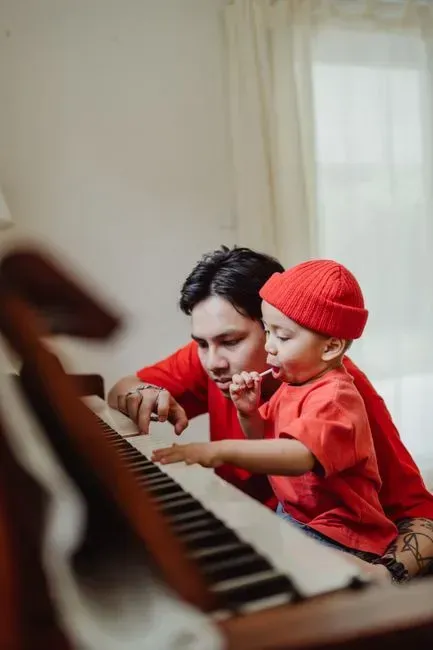
Secure Attachment Built Through Consistent Responsiveness (Image Credits: Pexels)
Secure attachment is a healthy connection between children and their primary caregivers, and it’s characterized by feelings of safety, trust, and the ability to seek comfort when needed. It doesn’t develop through grand gestures. It builds slowly, moment by moment, through how reliably a parent shows up when a child reaches out.
Research published in the Journal of Child Psychology and Psychiatry found that infants with caregivers who consistently respond are ten times more likely to develop secure attachments. That word “consistently” carries a lot of weight. This consistency creates what researchers call behavioral contingency. The child learns cause-and-effect patterns in relationships, and as research published in Attachment and Human Development notes, these early contingency experiences are foundational not just to attachment, but to cognitive and social development as well.
Predictable Routines That Create a Sense of Safety

Predictable Routines That Create a Sense of Safety (Image Credits: Unsplash)
Children don’t need an exciting or event-filled life. They need a predictable one. Research has shown the importance of routines for optimal child development, and studies indicate that children with consistent bedtimes at ages three, five, and seven experienced a gradual decrease in behavioral difficulties. Structure, it turns out, isn’t just convenient for parents. It’s deeply calming for kids.
Adolescents involved in family routines show fewer delinquent behaviors and better mental well-being over time, and research shows that routines can benefit the mental health of children and adolescents particularly in high-risk environments. Consistent routines give toddlers a sense of safety, with research showing that toddlers with routines exhibit notably lower levels of anxiety. It’s the ordinary rhythm of daily life, the dinnertime, the bedtime story, the morning goodbye, that tells a child the world is orderly and they are safe inside it.
Genuine Presence and Attentive Listening
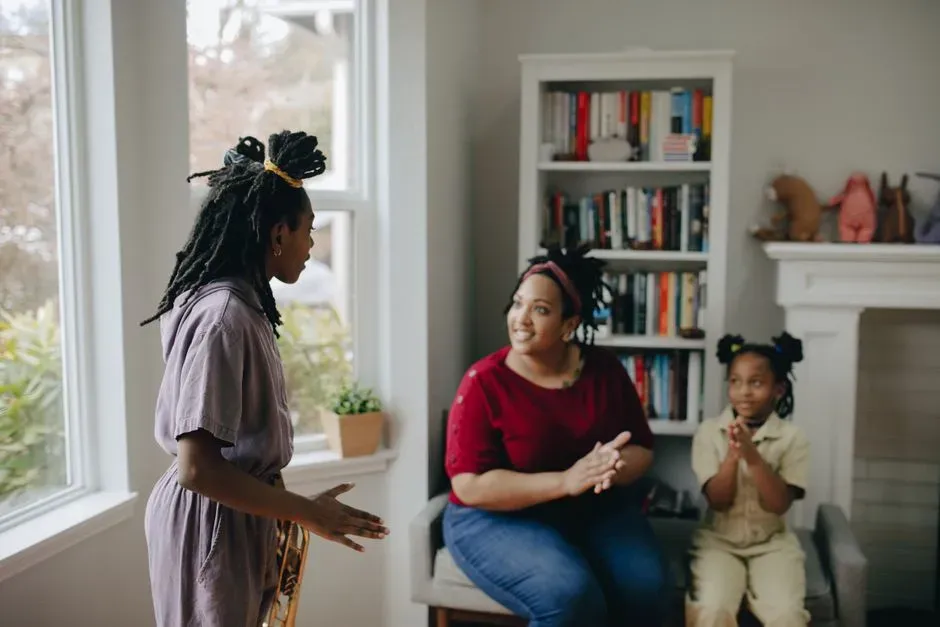
Genuine Presence and Attentive Listening (Image Credits: Pexels)
Being physically in the same room as a child is not the same as being present. Through spending quality leisure time together with children, characterized by emotional support, communicative interactions, and active parental involvement, parents can create a nurturing family environment where children have opportunities to experience challenges while also receiving guidance and encouragement. That distinction, between occupying space and truly engaging, is one children notice even when they can’t name it.
A meta-analysis identified broad empirical evidence in favor of high-quality listening in parent-child conversations, and many parent-child activities entail a supportive shared experience that is an end in itself. Research shows that parents demonstrate the most resilience through strategies such as emotional awareness, active listening, and leveraging structured routines like mealtimes for communication. A child who feels genuinely heard is a child who learns to trust their own inner voice.
Emotional Validation That Builds Persistence

Emotional Validation That Builds Persistence (Image Credits: Pexels)
Telling a child their feelings are real, and that those feelings make sense, turns out to do far more than comfort them in the short term. Research suggests that emotional validation, defined as the acceptance of emotions without judgment, is a beneficial technique for promoting persistence in children, with a study examining parents of children aged four to six finding that parents’ tendency to validate their children’s emotions was positively associated with children’s trait persistence.
Parental emotional validation predicts the trait-level persistence of children aged four to six years, and children who received emotion-validation feedback persisted longer on tasks than those who received emotion-invalidation feedback. Persistence is an important intrapersonal attribute that predicts academic, social, and health outcomes. In other words, simply acknowledging that a child’s frustration is understandable may quietly shape how resilient they become.
Clear and Consistent Boundaries With Warm Follow-Through

Clear and Consistent Boundaries With Warm Follow-Through (Image Credits: Unsplash)
Boundaries often get misread as a form of withholding, a parent saying no when a child wants yes. The research tells a different story. When caregivers are consistently attuned and engaged, follow through on promises, set clear boundaries, and build routines, they create a reliable framework for secure attachment, and consistent and expected caregiver behavior is also the key to nurturing emotional regulation and healthy independence.
A key approach to nurturing emotional security combines consistent routines with open communication, encouraging children to express their thoughts and feelings freely, and genuine emotional support through responsive caregiving that addresses children’s emotional needs, which promotes attachment and resilience. Warmth and limits aren’t opposites. The combination of the two is actually what gives children something solid to push against, and to grow from.
Parental Involvement in Learning and Everyday Life
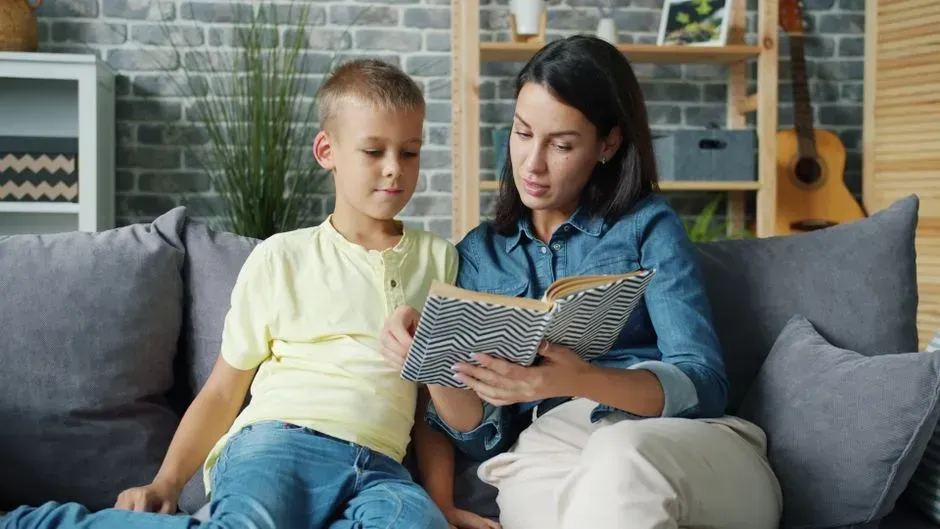
Parental Involvement in Learning and Everyday Life (Image Credits: Pexels)
Research supports the fact that early parental involvement, such as reading stories together and creating supportive environments, influences young children’s behavior and attitudes toward learning and is a strong predictor of academic success. This kind of involvement doesn’t require tutoring sessions or enrichment programs. It happens in casual conversations, shared reading, or simply showing curiosity about what a child is working on.
The importance of parent involvement in child development has been studied extensively, illustrating that high levels of parent involvement are associated with high and positive levels of academic achievement and social-emotional competence throughout childhood and adolescence. All this work with young children and adolescents reinforces the continuous parental influence on child and adolescent social, emotional, and behavioral development, which may be shaped by multiple pathways and factors including school context and personal identity. The investment doesn’t need to be financial to be significant. It needs to be sustained.
Children are remarkably good at sensing what’s real. They know the difference between a parent who shows up physically and one who shows up fully. The things they’ll remember decades from now, the feeling of being truly known, of having a safe place to land, of being listened to without judgment, cost nothing. They only ask for time, steadiness, and a willingness to be present in the ordinary moments that quietly build everything.