
Most women spend real money on serums, treatments, and routines aimed at preserving a youthful appearance. Yet some of the most damaging things happen quietly, in the background of daily life, long before any product gets opened. Premature aging is often associated with genetics or major environmental damage, but smaller routine behaviors frequently influence skin texture, hydration, elasticity, and overall appearance much more than people realize.
Inconsistent care, excessive irritation, and chronic stress on the skin barrier can gradually create visible changes long before people recognize the underlying cause. This is one reason skincare conversations have become increasingly focused on prevention and consistency rather than quick fixes alone. The habits below are worth a second look.
Skipping Sunscreen on Ordinary Days

Skipping Sunscreen on Ordinary Days (Image Credits: Pexels)
UV exposure is responsible for up to 90% of visible skin aging. Sun damage breaks down collagen and elastin, leading to wrinkles, fine lines, and dark spots. The tricky part is that the damage accumulates gradually, making it easy to dismiss on any given Tuesday when there’s no beach in sight.
A study published in the Annals of Internal Medicine found that women who used a broad-spectrum sunscreen daily had no detectable increase in skin aging after four and a half years, compared with those who used it only occasionally. Sunscreen isn’t just for the beach. Damaging ultraviolet rays from the sun can lead to premature skin wrinkles, loss of collagen, sagging, and age spots, and excessive sun exposure without protection can also increase the risk of skin cancer.
Sleeping on the Wrong Pillow Position

Sleeping on the Wrong Pillow Position (Image Credits: Unsplash)
Roughly one in three American adults report that they regularly don’t get enough sleep. While sleeping, the skin enters a renewal state, making repairs that keep it refreshed and youthful longer. What many women don’t realize is that the position in which they sleep matters just as much as the hours they log.
In a study by University Hospitals Case Medical Center, scientists found that sleep quality impacts skin function and aging. Poor sleep quality was associated with accelerated signs of aging and delayed recovery from environmental stressors, such as skin barrier disruption or UV rays. Chronic lack of sleep causes the body to produce more cortisol, which can lead to accelerated aging. Cortisol destroys collagen, resulting in sagging skin, wrinkles, and inflammation.
A High-Sugar Diet and the Glycation Effect

A High-Sugar Diet and the Glycation Effect (Image Credits: Pexels)
Dietary sugar, primarily in the form of glucose and fructose, can accelerate skin aging through a process called glycation. Glycation occurs when sugar molecules non-enzymatically bind to proteins, forming harmful compounds known as advanced glycation end-products. When blood sugar is elevated over time by a diet high in sugar, there is more sugar available for creation of these compounds. They can damage collagen and elastin, the proteins responsible for skin’s firmness and elasticity, leading to wrinkles, sagging, and other signs of aging.
Numerous studies have shown that volunteers with increased AGE levels in the skin have a higher incidence of skin problems such as yellowing and browning of the complexion, poorer elasticity, and deeper wrinkles. Increased sugar consumption also slows down the skin’s regeneration. Swapping ultra-processed snacks for whole foods isn’t just a wellness cliché. The skin genuinely reflects the change over time.
Chronic Stress and What It Does Below the Surface

Chronic Stress and What It Does Below the Surface (Image Credits: Unsplash)
Research suggests stress is linked with shortened telomeres, a chromosome component associated with cellular aging. When a telomere has been depleted, the cell often dies, speeding up the aging process, and some research has found that people with high work-related stress have the shortest telomeres. Stress also shows up on the face in ways that are immediate and obvious to anyone looking.
Chronic stress triggers inflammation and can accelerate cellular aging. It can lead to skin conditions like acne and rosacea and accentuate signs of aging. Chronic stress can also increase inflammation and accelerate collagen breakdown. The compounding nature of these effects means that unmanaged daily stress quietly ages the skin from the inside out, layer by layer.
Not Washing Off Makeup Before Bed

Not Washing Off Makeup Before Bed (Image Credits: Pexels)
The skin needs to breathe and repair itself overnight, so it’s important to wash away the dirt and grime that accumulates throughout the day. Skimping on a nighttime routine, especially if you wear makeup, can lead to breakouts, irritation, a dull complexion, and even eye infections and premature wrinkling. It sounds like basic advice, but it’s estimated that a significant number of women still skip this step regularly.
Washing your face before you retire for the night is one habit worth getting into. When you leave on your makeup while you sleep, all the chemicals and other irritants that your skin was exposed to during the day get sealed in. Those sealed-in irritants don’t just sit there passively. They interact with the skin barrier across several hours, and over months and years, that nightly neglect becomes visible.
Alcohol Consumption and Its Effect on the Skin

Alcohol Consumption and Its Effect on the Skin (Image Credits: Unsplash)
Alcohol has several effects on the body, most of which are not pleasant. It dehydrates and inflames the skin, and this leads to swelling, flushing, and broken capillaries that make you look older. Regular drinking also interferes with nutrient absorption, which means the skin quietly loses access to the building blocks it needs to stay firm and even-toned.
Excessive alcohol consumption can dehydrate the skin and interfere with nutrient absorption. While an occasional alcoholic beverage won’t have too big an effect on looks, drinking too much alcohol can cause redness, wrinkles, and a dry complexion. It deprives the skin of vital nutrients it needs to thrive, so overdoing drinks can make you look older than you are.
Smoking: One of the Fastest Routes to Premature Aging

Smoking: One of the Fastest Routes to Premature Aging (Image Credits: Unsplash)
Smoking significantly accelerates skin aging by restricting blood flow and reducing oxygen delivery to tissues. It also weakens collagen, contributing to sagging and wrinkles. The visible signs aren’t subtle, and they tend to accumulate in very specific ways that are distinct from natural aging.
A raft of research shows smoking accelerates premature aging of the skin. Over time, smokers are more likely to experience dry skin, uneven skin pigmentation, baggy eyes, a saggy jawline, and deep facial wrinkles and furrows. Researchers have observed that the skin of smoking addicts at the age of 40 years can resemble the skin of nonsmoking 70-year-old adults. That gap of three decades is hard to ignore.
Screen Time, Blue Light, and "Tech Neck"

Screen Time, Blue Light, and "Tech Neck" (Image Credits: Pexels)
Blue light penetrates deeper into the skin than UVB rays, reaching the dermis, the layer housing collagen and elastin. These proteins keep skin firm and elastic. Chronic exposure to blue light can accelerate oxidative stress, breaking down collagen and elastin fibres, which leads to fine lines, wrinkles, and sagging skin. This is a relatively newer concern, but the research around it has been building steadily.
Staring at screens often results in poor posture. Long periods of leaning over may cause horizontal wrinkles and fine lines to form in the neck, known as “tech neck.” The delicate, thin skin of the neck is especially prone to showing premature aging. Constant squinting and frowning while using electronic devices can also lead to the development of deep expression lines between the eyebrows and crow’s feet at the edges of the eyes.
Skipping Moisturizer and Neglecting the Skin Barrier
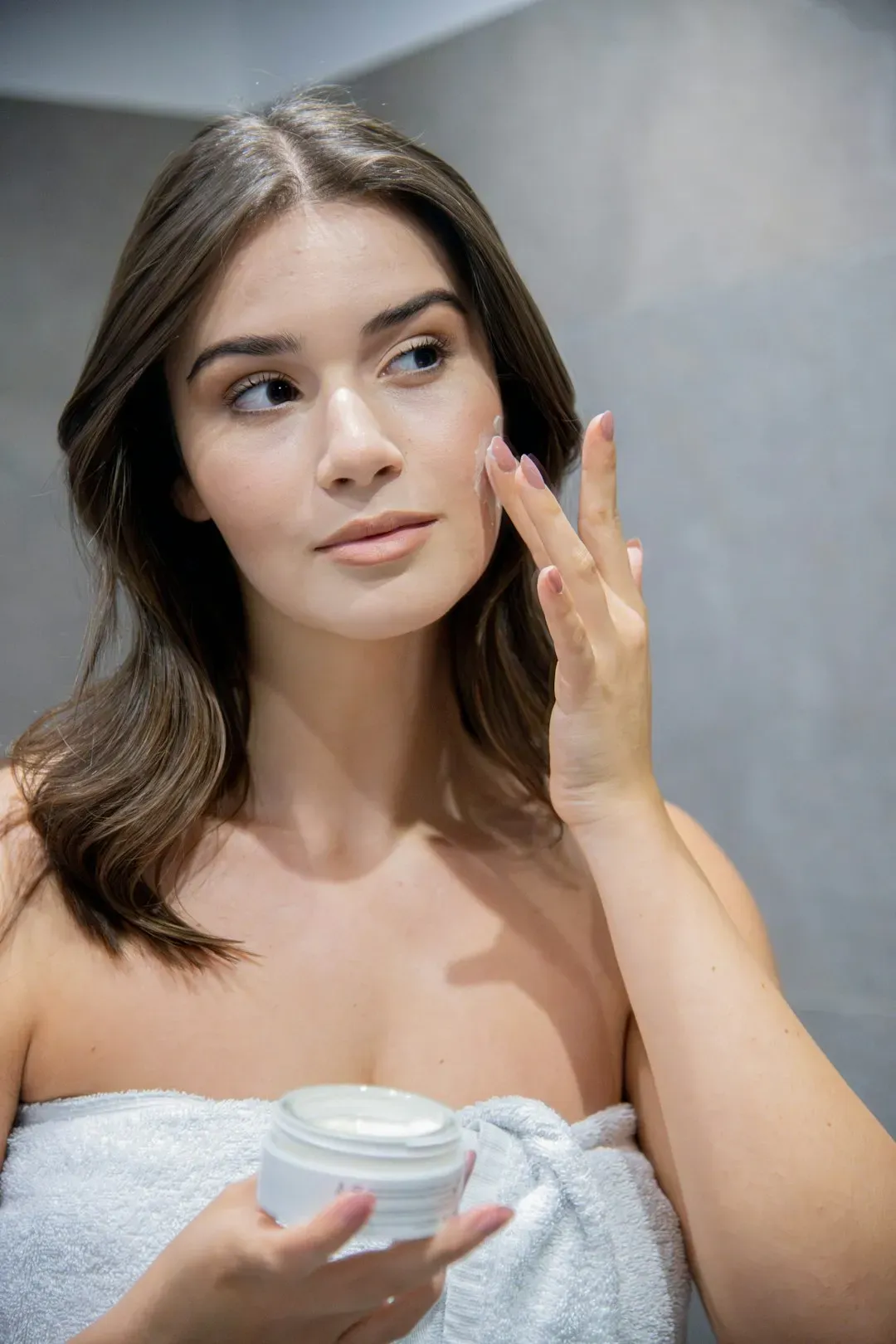
Skipping Moisturizer and Neglecting the Skin Barrier (Image Credits: Unsplash)
Harsh cleansers strip away the skin’s natural oils and damage the moisture barrier. As skin already produces less oil naturally over time, stripping what little remains leaves the skin looking dull, dry, and older. This applies at any age, not just later in life. A compromised barrier shows up quickly as tightness, flakiness, and accelerated fine line formation.
Daily skincare routines influence long-term appearance. Gentle cleansing, moisturizing, and sun protection form the foundation of healthy maintenance. Using products appropriate for individual skin type helps reduce irritation and support natural renewal. Alcohol-based toners dry out the skin. Harsh exfoliants can damage the skin barrier. Fragrances and sulfates can cause irritation and inflammation. Simpler, gentler routines often outperform more aggressive ones in the long run.
Not Drinking Enough Water Throughout the Day

Not Drinking Enough Water Throughout the Day (Image Credits: Unsplash)
Water keeps the body hydrated. When you don’t drink enough of it, it can end up showing on your skin. Skin dryness, crow’s feet, dark circles, and fine lines will make you look older than you are. Dehydration is one of the most underrated contributors to a dull, aged appearance, partly because it’s reversible and people assume it couldn’t be that simple.
The blue light emitted from screens can also disrupt the skin’s natural moisture barrier, leading to increased dehydration. When skin is dehydrated, it can appear dull, flaky, and more prone to wrinkles. Prolonged screen exposure may further compromise the skin’s natural barrier function, reducing its ability to retain moisture, resulting in dehydration, tightness, and increased sensitivity that makes skin more reactive and prone to irritation. Consistent hydration from the inside, combined with a functioning skin barrier, remains one of the most reliable ways to maintain a visibly youthful complexion.