
There’s a particular kind of nostalgia that softens the edges of the past. The 1970s, with their disco lights, shag carpets, and FM radio romance, get treated with a certain fondness when it comes to love and dating. People met in person, communicated slowly, and followed a set of unwritten social scripts that felt, at the time, completely natural.
Look more closely at those scripts, though, and a different picture emerges. Many of the gestures considered deeply romantic back then were rooted in rigid gender expectations, social pressure, and assumptions about who gets to lead, who gets to wait, and who gets to decide. Since the 1970s, no completely dominant national system of courtship has emerged – which means we’ve been sorting through that inherited playbook ever since, quietly retiring the parts that no longer make sense. Here are twelve of the most notable ones.
1. Picking Her Up at the Door and Meeting the Parents on Date One

1. Picking Her Up at the Door and Meeting the Parents on Date One (Image Credits: Pexels)
In the 1970s, a gentlemanly gesture involved the man picking up his date at her doorstep. This wasn’t just a formality but a demonstration of respect and interest, often involving meeting the parents. Even for casual outings, this ritual was expected, adding layers of pressure to what was supposed to be a relaxed encounter. It transformed a simple first date into something closer to a formal audition.
Boys had to come to the door to pick up their date – honking from the driveway was considered incredibly rude. This meant facing the parents each time, often enduring a mini-interview while their date finished getting ready. Today, most couples meet somewhere neutral, coordinate via text, and introduce family members only when the relationship has established its own footing.
2. The Man Always Paying, Without Exception
2. The Man Always Paying, Without Exception (Image Credits: Unsplash)
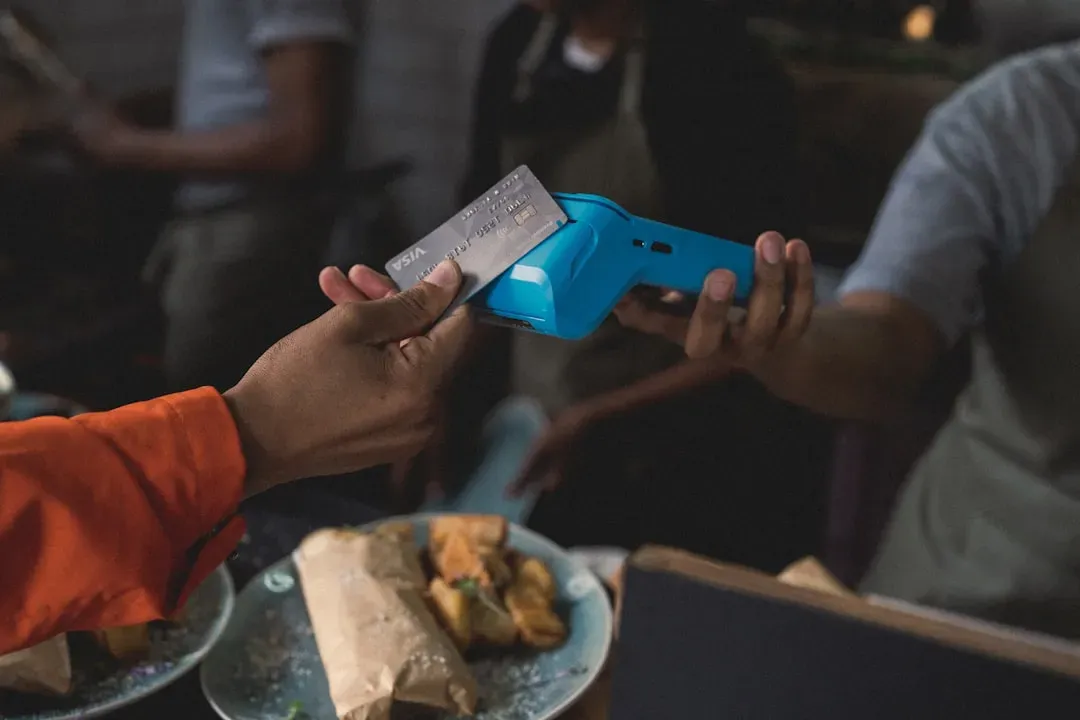
During the 1970s, chivalry was closely associated with financial gestures, meaning men were expected to foot the bill. Even if a woman had a successful career, societal norms dictated that the man should always pay. This rule not only reinforced gender roles but also placed financial pressure on men to prove their worthiness as potential partners.
Splitting the bill on a date was completely unheard of. Men were expected to pick up the tab for everything, including dinner, drinks, and even gas money. Nowadays, the concept of splitting checks is widely accepted, symbolizing equality and shared responsibility in relationships. Couples often prefer to share expenses, recognizing that financial partnership is an integral part of modern romance.
3. Waiting Three Days to Call After a Date

3. Waiting Three Days to Call After a Date (Image Credits: Pexels)
The infamous “wait three days” rule was in full swing during the ’70s, dictating that neither party should seem too eager by returning a call too soon. The reasoning was that immediate responses made one appear desperate. Instead, waiting a few days was supposed to convey a cool, collected demeanor. The logic was that enthusiasm needed to be rationed carefully.
You absolutely couldn’t call someone the day after a date – it was considered desperate. The unwritten rule was to wait three days before making that call, and it had to be between 7 and 9 PM when you knew they’d be home. If you got a busy signal or no answer, you had to wait another day to try again. And forget about leaving a message – answering machines weren’t common until the late 1970s. In an era of instant messaging and read receipts, this kind of deliberate silence would register as indifference at best.
4. Always Making the Man Initiate Everything

4. Always Making the Man Initiate Everything (Image Credits: Pexels)
In the 1970s, the dating world was distinctly divided by gender roles. Men were not just encouraged but expected to make the first move. Women, on the other hand, were supposed to be passive, waiting for the man to take the lead. Initiating a conversation, let alone asking someone out, was seen as unfeminine and overly assertive.
Such societal expectations often meant that women had to hide their interest and play a waiting game. While it might sound quaint now, this rule left many relationships unrealized. The dynamic placed the full emotional burden of pursuit on one person based entirely on gender, a framework that feels foreign to most couples navigating relationships in 2026.
5. Going Steady With a Symbolic Exchange of Objects

5. Going Steady With a Symbolic Exchange of Objects (Image Credits: Pixabay)
Going steady meant that a couple had agreed to date each other exclusively, taking a major step toward a more serious relationship – often with the intent to marry. Couples abided by specific rituals to symbolize their commitment, often exchanging class rings or letterman jackets if of school or college age. These objects functioned almost like small contracts, public declarations worn on the body.
Despite the era’s formalities, the concept of going steady wasn’t exactly beloved by all. Parents often worried their teenagers weren’t dating around enough and were settling down too quickly by committing to one person exclusively. They also feared that going steady would cause teenagers to become physically intimate more quickly than if they were going on one-off casual dates. As average marriage ages gradually rose and attitudes toward sex and dating shifted throughout the 1960s and 1970s, “going steady,” like many of the decade’s dating rules, began to fall out of favor.
6. Phoning the House and Getting Through Her Parents First
6. Phoning the House and Getting Through Her Parents First (Image Credits: Pexels)
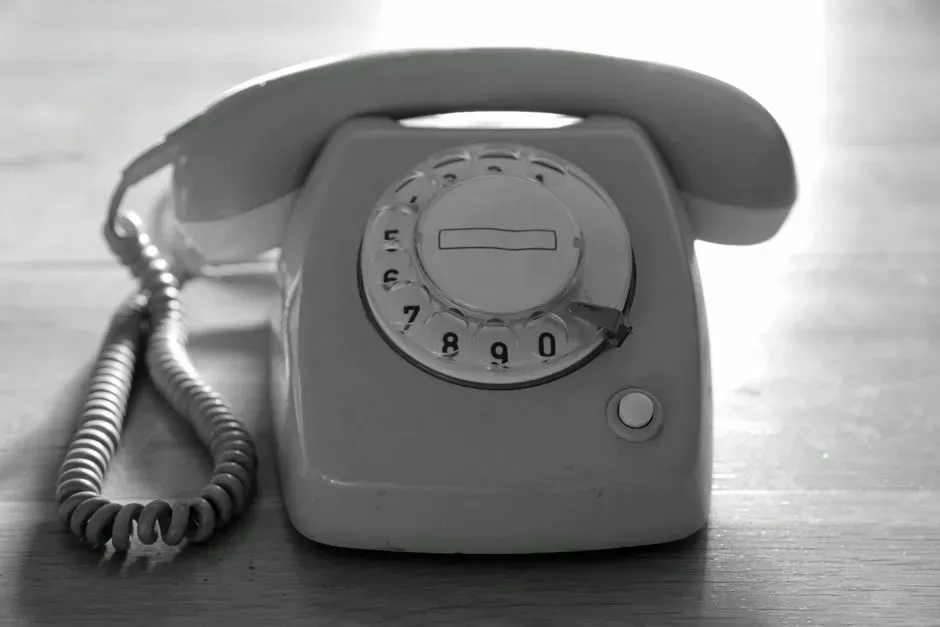
When calling your date’s house, you had to get through their parents first. Technology wasn’t a thing yet, so the girl would sit by the phone waiting for her man to call her when he said he would. Calling him first or too much was a no-no. The landline telephone, with its single household number, meant every romantic call came with a parental gatekeeper attached.
There was no private inbox, no direct line, no discretion. A call at the wrong hour meant fielding questions from a parent before you even got to say hello to the person you actually wanted to talk to. Today, the very idea of a relationship that routes through someone else’s parents just to make contact sounds like a different planet entirely.
7. Mandatory Group Dates as a Built-In Chaperone System

7. Mandatory Group Dates as a Built-In Chaperone System (Image Credits: Pexels)
Many parents wouldn’t allow their teenagers to go on single dates until they were 17 or 18. Double dating was the norm, providing a sort of built-in chaperone system. This often meant coordinating with another couple and their parents, making spontaneous dates practically impossible. Even movie theaters would sometimes enforce “couples only” policies on weekend nights.
Especially for younger people, it was often considered more “appropriate” to go on a group date. Being alone together too soon raised some serious eyebrows. The implication was that two people couldn’t be trusted to spend time together without supervision, a baseline of distrust that feels particularly out of step with any modern understanding of adult autonomy and mutual respect.
8. Strict Dress Codes Enforced by Parents Before the Date Even Started
8. Strict Dress Codes Enforced by Parents Before the Date Even Started (Image Credits: Pexels)
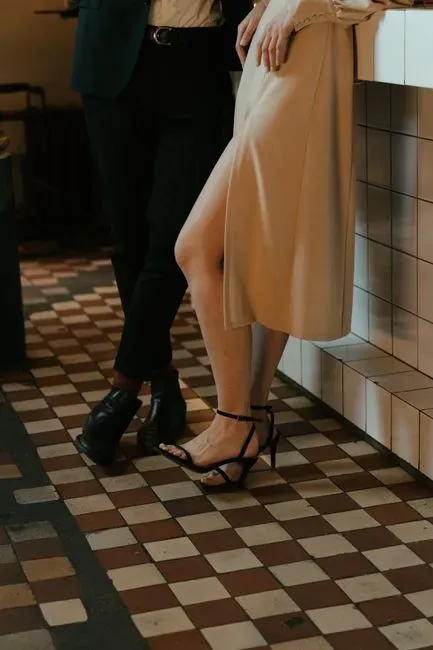
There were unwritten but strictly followed dress codes for dates. Boys wore slacks and button-down shirts even to casual events, while girls were expected to wear dresses or skirts. Jeans were often considered too casual for dates, and showing too much skin was a major taboo. Parents would often inspect outfits before allowing couples to leave.
Bold fashion choices that flaunted body confidence could lead to judgment and scrutiny. This dress code was unwritten but widely adhered to, a reflection of the cultural norms of the time. Navigating these expectations often meant sacrificing personal style for societal approval, a trade-off that many found limiting and frustrating. The idea that a parent would veto what someone wore on a date, as a romantic gesture of propriety, belongs firmly in a different century.
9. Pretending Not to Be Hungry on a First Date
9. Pretending Not to Be Hungry on a First Date (Image Credits: Pexels)
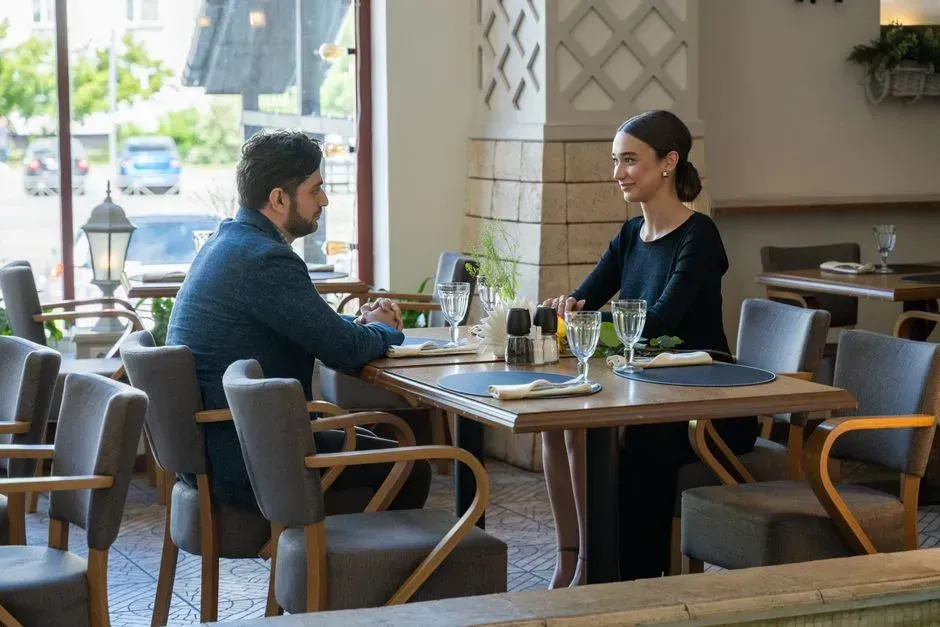
In the 1970s, women were often advised to pretend they weren’t hungry on first dates, a notion rooted in outdated ideas about femininity and attractiveness. This advice suggested that appearing dainty and delicate would be more appealing. Such norms placed unnecessary pressure on women to conform to unrealistic standards, detracting from genuine enjoyment and comfort.
Skipping a meal to perform femininity was treated as a romantic gesture toward the man’s ego rather than an honest expression of who you were. Today, authenticity and enjoyment are prioritized, encouraging individuals to be themselves without pretense. Ordering exactly what you want without performance is, in 2026, simply considered basic self-respect.
10. Playing Hard to Get on Instruction From Advice Columns

10. Playing Hard to Get on Instruction From Advice Columns (Image Credits: Pexels)
Advice columns urged women to delay returning calls, refuse second dates quickly, or pretend to have “other options” just to spark jealousy. The idea was that too much enthusiasm was a turn-off. Ironically, this often led to mixed signals and missed opportunities. Authenticity clearly didn’t rank very high in 1970s romance playbooks.
The entire strategy was built on manufactured scarcity – the idea that genuine interest was a liability and that emotional management was more romantic than honesty. It treated a potential partner as someone to be strategically handled rather than openly communicated with. That framing sits poorly in any conversation about healthy relationships today.
11. Avoiding Women Who Were Too Independent or Career-Focused

11. Avoiding Women Who Were Too Independent or Career-Focused (Image Credits: Unsplash)
The women’s liberation movement may have been gaining traction, but old-school attitudes still ruled much of the dating world. Independent women – those with careers, opinions, or their own apartments – were sometimes seen as intimidating. Some men were advised to avoid these women altogether, fearing they wouldn’t be “nurturing enough” for marriage. This toxic idea kept many strong women boxed in or dismissed.
More women were attending college in the 1970s. The feminist movement inspired women to think of themselves as more than a wife or mother. They were no longer dependent on a husband or father for financial support. Women could have a career and support themselves. Marriage and children were no longer the hallmarks of success for a woman. The fact that this shift was treated as a dating obstacle rather than a positive development says everything about the assumptions embedded in 1970s courtship.
12. The Hard Curfew as a Romantic Dealbreaker

12. The Hard Curfew as a Romantic Dealbreaker (Image Credits: Unsplash)
Curfews were absolute and non-negotiable, usually set at 10 PM on weeknights and 11 PM on weekends. Parents would often wait up, watching the clock and ready to call the police if you were more than 15 minutes late. Some families even had a “porch light” system – when it started blinking, you had five minutes to say goodnight and get inside.
The curfew itself was framed as a romantic gesture of protection: the earlier you came home, the more you respected the family and, by extension, the person you were dating. In the ’70s, relationships moved quickly from casual to serious, with meeting the parents happening much earlier than is common today. This introduction was less about personal readiness and more about adhering to societal norms. The pressure to formalize a relationship this way could be daunting, imposing expectations that might not yet align with the couple’s feelings. The clock, in that world, governed intimacy more than the two people involved did.
Looking back at these customs with some distance, what stands out isn’t that people in the 1970s didn’t care about romance. They clearly did. What’s changed is our understanding of who romance is actually for. Most of these gestures prioritized performance, social approval, and gender compliance over the actual feelings of the two people involved. The shift away from them isn’t a loss of charm – it’s the slow, ongoing work of making relationships something both people actually choose.