
Words in relationships carry more weight than most people realize. A phrase said at the right moment can defuse tension, deepen intimacy, or make someone feel genuinely seen. Said at the wrong moment – or without conviction – the same phrase can land flat, or worse, ring hollow in a way your partner won’t forget.
This isn’t about scripted romance. It’s about knowing which words actually matter, why they matter, and the conditions that make them land with real effect. Some of these phrases are simple. Others require more courage. All of them work better when you actually mean what you’re saying.
1. "I Love You" – Said Like You Mean It Every Time

1. "I Love You" – Said Like You Mean It Every Time (Image Credits: Pexels)
It’s the most familiar phrase in the romantic vocabulary, and that familiarity is precisely what makes it dangerous to take for granted. Saying it upon waking, before your partner leaves for the day, via text while you’re apart, and before sleep keeps the phrase alive – but only if you say it like you mean it, not just going through the motions.
Studies show that marriages where “I love you” is part of an ongoing daily dialogue tend to do better. The phrase needs weight behind it, not just frequency. Tone, eye contact, and timing all contribute to whether it registers as genuine or reflexive habit.
2. "Thank You for That" – Specific Gratitude, Not Generic Appreciation

2. "Thank You for That" – Specific Gratitude, Not Generic Appreciation (Image Credits: Pexels)
Research suggests that gratitude from a partner may be a powerful tool for couples, increasing relationship satisfaction and commitment while protecting couples from the corrosive effects of ineffective arguing and financial stress. The key word is “specific.” Thanking your partner for something exact, not just a vague thank-you, tells them you were paying attention.
Saying “thank you” can go a long way toward keeping your partner motivated to support you in reaching your goals. Gratitude not only makes your partner feel valued and capable of being helpful, but it also encourages them to provide support in the future. When the phrase is tied to a real, named moment, it hits differently than a routine pleasantry.
3. "I Hear You" – The Phrase That Proves You're Actually Listening

3. "I Hear You" – The Phrase That Proves You're Actually Listening (Image Credits: Unsplash)
Most people listen in order to reply. Saying “I hear you” interrupts that pattern and signals something rarer: that you’re absorbing what your partner is saying before forming your own response. Research defines a healthy romantic relationship as one characterized by strong communication and negotiation skills, caring behavior, self-expression, respect, trust, and honesty. Active listening is how those values get expressed in real-time conversation.
Couples in healthy relationships make a habit of talking about things that matter, every single day. Their conversations stay fresh, connected, and meaningful because they never stop learning about each other. Those conversations only stay meaningful if both people feel like they’re actually being heard, not just waited out.
4. "I'm Proud of You" – Celebrating the Person, Not Just the Achievement

4. "I'm Proud of You" – Celebrating the Person, Not Just the Achievement (Image Credits: Pexels)
This phrase works best when it’s unprompted. Recognizing and celebrating each other’s achievements, no matter how small, builds something durable. The magic is in acknowledging the effort and character behind the result, not just congratulating the outcome itself. That distinction separates real admiration from empty cheerleading.
Research has shown that compliments that are unique and specific are more effective than general ones. Getting to the heart of why and how you admire someone is what truly lands. Telling your partner you’re proud of them for how they handled a difficult situation, not just for what they accomplished, reaches a deeper level of recognition.
5. "I'm Sorry – I Was Wrong" – The Full Apology, Not the Half One
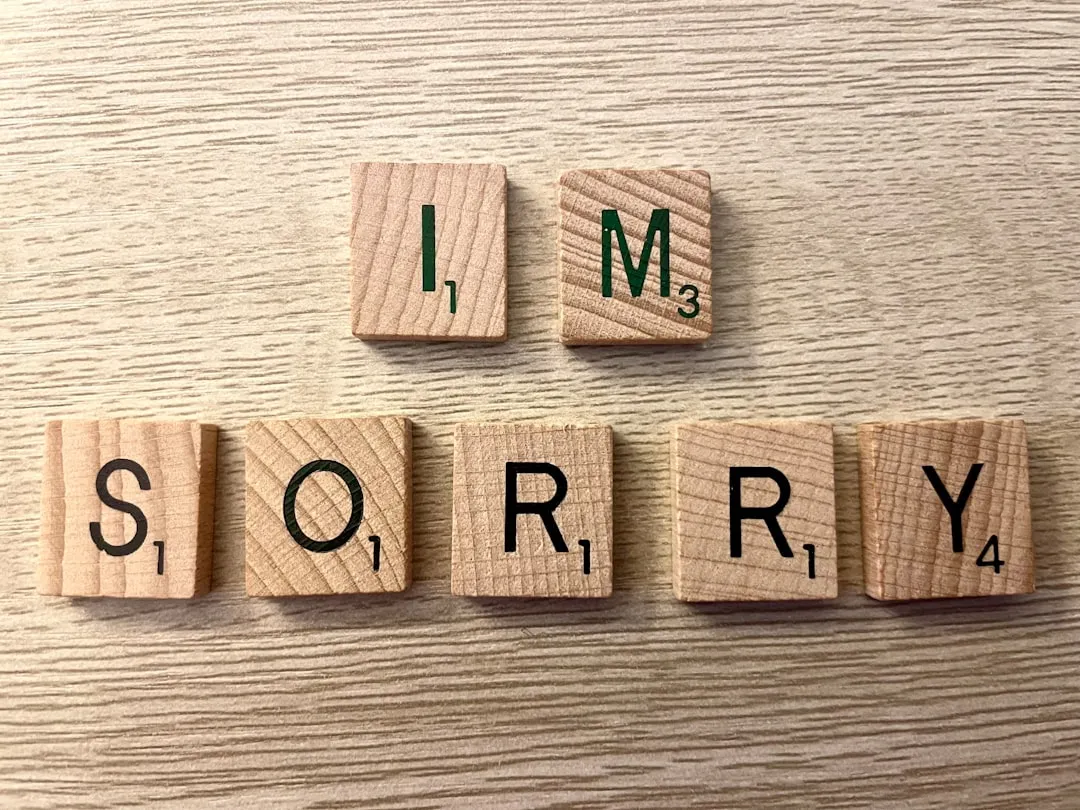
5. "I'm Sorry – I Was Wrong" – The Full Apology, Not the Half One (Image Credits: Unsplash)
Partial apologies – “I’m sorry you felt that way,” “I’m sorry, but…” – are well-documented relationship killers. The full version owns the mistake without condition. Most couples need regular relationship maintenance. The effort comes with major payoffs: strong romantic partnerships are good for mental and even physical health. A genuine apology is one of the most powerful maintenance tools available.
The timing matters as much as the words. An apology offered while emotions are still running high can feel performative. Waiting until you’ve actually reflected on what went wrong, and can name it clearly, gives the phrase its full weight. Owning it fully, without hedging, is what separates a repair attempt from a deflection dressed up as one.
6. "Do You Feel Loved Right Now?" – The Check-In That Changes Everything

6. "Do You Feel Loved Right Now?" – The Check-In That Changes Everything (Image Credits: Unsplash)
Couples in thriving relationships always make a point to check in and make sure the other partner is happy. On some days, that means asking whether your partner feels loved, supported, or connected. Other days, it’s about expressing appreciation, sharing a laugh over a favorite memory, or talking about something they’re looking forward to doing together. That kind of check-in sounds simple. In practice, most couples never do it.
There are five love languages, or ways to express and experience love: words of affirmation, quality time, gifts, acts of service, and physical touch. The check-in matters because people receive love differently, and what feels obvious to you may not register at all for your partner. Asking directly removes all the guesswork.
7. "I've Been Thinking About You" – Presence Even When You're Apart

7. "I've Been Thinking About You" – Presence Even When You're Apart (Image Credits: Unsplash)
This phrase carries a quiet but significant message: that your partner occupies your mind even when life is pulling your attention elsewhere. It’s not a grand declaration. It’s a small signal that says, “you’re not just part of my routine, you’re part of my thinking.” Partners who feel emotionally supported, maintain self-esteem, and manage interpersonal stress well report higher relationship satisfaction and fewer conflicts over time.
The phrase works especially well in the middle of an ordinary day, in a text or a brief call with no agenda behind it. The absence of a practical reason for reaching out is exactly what gives it its warmth. It tells your partner that thought of them wasn’t prompted by a need – it was just natural.
8. "Tell Me More About That" – The Invitation That Deepens Intimacy

8. "Tell Me More About That" – The Invitation That Deepens Intimacy (Image Credits: Pexels)
Curiosity is one of the most underrated romantic qualities. When your partner shares something and your instinct is to follow up rather than redirect, it communicates something that compliments alone cannot. Emotional intimacy has consistently remained the most-searched phrase in relationship contexts, and that’s proof enough that the human heart craves closeness. Inviting your partner to go deeper into their thoughts is one of the most direct ways to build it.
Having meaningful conversations, about things that matter to both of you, reinforces your bond and reminds you of how interesting and intelligent your partner is. The phrase “tell me more” isn’t passive. It signals active interest and keeps the conversation moving toward genuine understanding rather than surface-level exchange.
9. "I've Got You" – Reassurance That Asks Nothing in Return

9. "I've Got You" – Reassurance That Asks Nothing in Return (Image Credits: Unsplash)
There’s a version of reassurance that subtly places conditions on its comfort – it offers support while implying what the other person should do next. “I’ve got you” carries none of that. It’s unconditional. Gratitude and care, when practiced intentionally, have the power to turn even mundane moments into opportunities for connection and joy. They help shift focus from what’s wrong to what’s right, creating a foundation for deeper appreciation and understanding.
A strong relationship isn’t built on love alone – it thrives on many small yet powerful elements. Reassurance in a moment of doubt or fear is one of those elements. Saying “I’ve got you” during a hard moment, rather than leaping straight to problem-solving, tells your partner that your first priority is their steadiness, not the solution.
10. "I Choose You – Every Day" – The Phrase That Makes Commitment Feel Alive

10. "I Choose You – Every Day" – The Phrase That Makes Commitment Feel Alive (Image Credits: Pexels)
Long-term relationships can quietly shift from conscious choice to comfortable habit. That drift doesn’t mean the love is gone, but it can make a partner feel more like furniture than a person who was actively selected. This phrase interrupts that drift. When we feel gratitude and care for a partner, it focuses our attention on what we love and appreciate about them and motivates us to show it. Hearing an expression of that care makes the recipient feel good about themselves and the relationship, which leads to all sorts of other benefits.
Individuals who feel appreciated by their partners have better-functioning relationships that are more resilient to internal and external stressors, both in the moment when the appreciation is expressed and over the long term. Saying “I choose you” is not about grand romance theater. It’s a quiet, clear act of affirmation that renews the relationship’s foundation without requiring a special occasion to do it.
None of these phrases are difficult to say. The harder part is learning when to say them, and building the self-awareness to know whether you mean them when you do. Words spoken at the right moment, with real intention behind them, carry a weight that even the most thoughtful gesture can’t always replicate. That’s not a romantic idea – it’s simply how human connection tends to work.