
Most people assume aging shows up mainly in the mirror – a few grey hairs here, a deeper line there. What tends to get overlooked is how much of that visible aging is driven by everyday habits rather than the slow march of time itself. Some of these patterns have been quietly compounding for years before anyone notices the result.
The research is surprisingly consistent on this point. External factors including UV radiation, pollution, and lifestyle choices such as diet, smoking, alcohol consumption, and sleep patterns significantly influence extrinsic skin aging. The encouraging flip side is that many of these habits can actually be changed. Here are nine of the most common culprits – and the science behind why they matter.
1. Sleeping Too Little (or Too Poorly)

1. Sleeping Too Little (or Too Poorly) (Image Credits: Unsplash)
A restless night shows on your face almost immediately. Studies examining people after sleep deprivation have documented darker under-eye circles, puffier eyelids, paler skin tone, and more visible fine lines. These aren’t just cosmetic annoyances – they reflect genuine biological disruption happening beneath the surface.
Poor quality sleepers show increased signs of intrinsic skin aging including fine lines, uneven pigmentation, slackening of skin, and reduced elasticity – and in standardised scoring systems, a higher score means a more aged appearance, with poor sleepers scoring roughly double that of good sleepers. Beyond the skin, people with consistently poor sleep were found in 2025 research published in The Lancet to have brains that looked significantly older than their actual age.
2. Chronic, Unmanaged Stress

2. Chronic, Unmanaged Stress (Image Credits: Unsplash)
Stress is one of those things people tend to wear as a badge of busy productivity, not realising it’s also quietly adding years to their appearance. A 2024 study published in Nature Aging found that ongoing stress triggers changes at the cellular level, including DNA damage, that speed up natural aging. The effect reaches well beyond internal biology.
A 2024 study published in the Journal of Cosmetic Dermatology found that even moderate, everyday stress contributes to premature skin aging, such as dullness, dryness, and fine lines. Unmanaged stress is linked with a shorter lifespan and increased risk of age-related diseases. It’s worth noting that stress rarely announces itself as clearly as a sleepless night does – which is exactly what makes it so easy to ignore.
3. Eating a High-Sugar, High-Glycemic Diet

3. Eating a High-Sugar, High-Glycemic Diet (Image Credits: Pexels)
The connection between what you eat and how you age goes much deeper than most people realise. The effect of sugars on aging skin is governed by the simple act of covalently cross-linking two collagen fibers, which renders both of them incapable of easy repair. Glucose and fructose link the amino acids present in the collagen and elastin that support the dermis, producing advanced glycation end products, or AGEs.
High intake of sugar and refined carbs is tied to more visible signs of skin aging. The higher your blood sugar, the more AGEs your body forms – and sugary drinks, processed carbohydrates, bread, pasta, crackers, baked goods, and alcohol all elevate blood sugar rapidly. Even natural sweeteners such as honey, maple syrup, and dates contribute to glycation when consumed regularly. Dietary changes take time to show in the skin, but they tend to produce the most lasting results of any anti-aging strategy.
4. Skipping Sun Protection
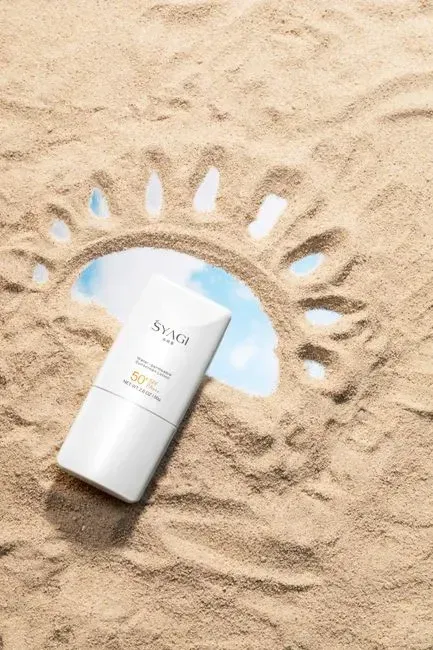
4. Skipping Sun Protection (Image Credits: Pexels)
UV exposure is consistently the single most studied external driver of facial aging. Exposure to UV radiation is the primary factor of extrinsic skin aging, accounting for about 80 percent of facial aging. That’s a striking proportion for something that’s largely preventable with a daily habit most people skip when it’s cloudy or cool.
UVA exposure combined with dermal glycation are two catalysts for skin aging, and the accumulation of glycation products increases with age and is amplified by ultraviolet exposure. Sun damage compounds quietly over decades. By the time photoaging becomes clearly visible – deeper creasing, uneven tone, loss of firmness – the exposure has often been accumulating for twenty years or more.
5. Living a Sedentary Lifestyle

5. Living a Sedentary Lifestyle (Image Credits: Pexels)
Sitting for most of the day has become so normalised that it barely registers as a habit worth examining. Yet the consequences reach all the way down to the cellular level. Compared to a predominantly sedentary lifestyle, observational studies show significantly longer telomeres with exercise of moderate to vigorous intensity. Telomere length is one of the most reliable markers scientists use to estimate biological age.
Research published in Preventive Medicine found that individuals who engaged in vigorous physical activity exhibited telomeres that appeared nine years younger compared to sedentary individuals, suggesting that regular exercise may slow cellular aging. Smoking habits, drug abuse, obesity, and a sedentary life have all been associated with shorter telomere length. The compounding effect of inactivity on both appearance and internal aging is more significant than most people assume.
6. Drinking Alcohol Regularly

6. Drinking Alcohol Regularly (Image Credits: Pexels)
A glass of wine with dinner feels harmless enough. Over time, though, regular alcohol consumption leaves a clear mark on the skin and on deeper biological aging processes. Alcohol weakens the skin barrier and dehydrates your skin. Dehydration alone drains skin of the plumpness and resilience that contribute to a youthful look.
Alcohol elevates blood sugar, drives inflammation, causes dehydration, and increases free radical damage, all of which accelerate glycation and compound collagen breakdown. For women, significant contributors to telomere shortening include alcohol consumption alongside exercise, sleep, and stress. The skin tends to reflect alcohol intake honestly, even when people are otherwise taking reasonable care of themselves.
7. Smoking

7. Smoking (Image Credits: Unsplash)
Smoking’s effects on appearance are well established, and the mechanism goes well beyond simple skin dryness. Cigarette smoke isn’t just bad for your lungs – it accelerates glycation too. The chemicals in cigarettes directly damage collagen and elastin, making your skin age faster than it should. The result is a characteristic pattern of fine lines, greyish tone, and loss of elasticity that dermatologists can often identify at a glance.
Cellular senescence, telomere shortening, and oxidative stress are pivotal contributors to intrinsic aging, and smoking directly worsens all three pathways simultaneously. For men, significant contributors to biological aging markers include exercise levels, smoking, and stress. Few single habits compress the visible gap between chronological age and biological age as efficiently as smoking does.
8. Not Drinking Enough Water
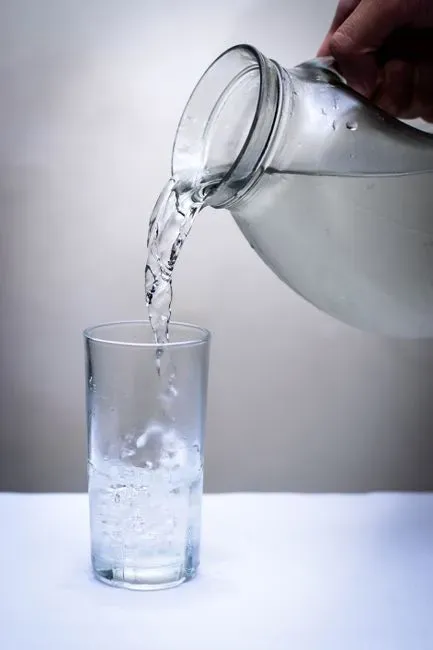
8. Not Drinking Enough Water (Image Credits: Pexels)
Chronic mild dehydration is one of the most overlooked aging habits precisely because it doesn’t feel dramatic. Most people who are mildly dehydrated don’t feel parched – they just feel a little tired and look a little flat. While drinking water won’t erase wrinkles, chronic dehydration can make skin appear more dull and less resilient. Staying consistently hydrated supports both metabolic function and skin integrity.
Research shows that just one night of insufficient rest can harm our skin’s hydration, elasticity, and barrier function – and dehydration compounds that problem further. Sleep deprivation can change our skin’s tone, clarity, and colour, making it look dull and uneven, and even more transparent, showing more of the underlying blood vessels. Poor hydration and poor sleep tend to stack their effects on each other in ways that show up faster than either one would alone.
9. Carrying Chronic Inflammation Through Diet and Lifestyle
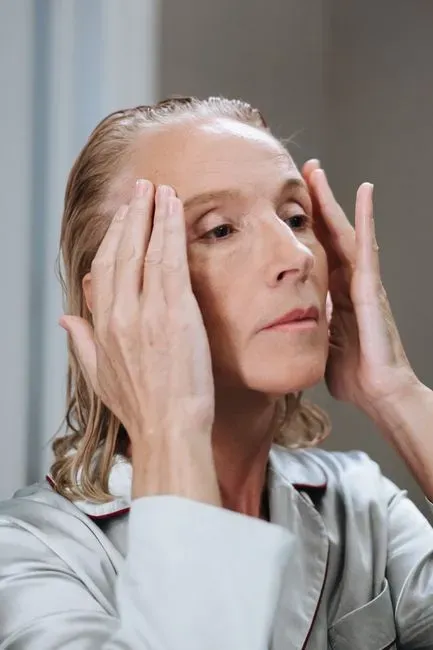
9. Carrying Chronic Inflammation Through Diet and Lifestyle (Image Credits: Pexels)
Inflammation is the thread running through nearly every accelerated aging pathway, and it often builds silently before it ever becomes a diagnosed condition. A 2025 study using data from the National Health and Nutrition Examination Survey found that inflammation, rather than diet, exercise, or smoking in isolation, had the strongest and most consistent association with telomere shortening. This suggests that tackling inflammation directly may matter more than optimising any single lifestyle habit on its own.
The interplay between internal and external aging factors accelerates aging processes, leading to various clinical manifestations like wrinkles, loss of skin elasticity, pigmentation changes, and texture alterations. Chronic inflammation can further accelerate visible aging because unstable blood sugar contributes to glycation while inflammation amplifies the damage at the surface. Processed foods, sedentary patterns, poor sleep, and high stress all feed this cycle – which is why lifestyle habits rarely act in isolation.
What’s striking about all nine of these habits is how ordinary they are. None of them require dramatic circumstances to take hold. They’re the quiet defaults of modern life – too much screen time, too little movement, meals grabbed from a bag, nights cut short. The gap between how old someone looks and how old they actually are is, in many cases, a gap that accumulated one unremarkable day at a time.