
Shared meals have always been a social stage. Long before business cards or LinkedIn profiles existed, people figured each other out over food. Food carries deep cultural significance worldwide. When you share a meal, you’re participating in a ritual that predates modern credentialing. How you handle that ritual signals something about your character.
Most of us carefully manage the words we choose in social settings. We think before we speak, edit ourselves, and put our best foot forward. What we rarely control, though, are the dozens of small, reflexive habits that happen at the table before we’ve even thought about them. The way people behave at a table is a microcosm of the way they behave in life. Watch a person during dining, and you will get an insight into who that person truly is.
1. Whether You Wait for Everyone to Be Served Before Eating
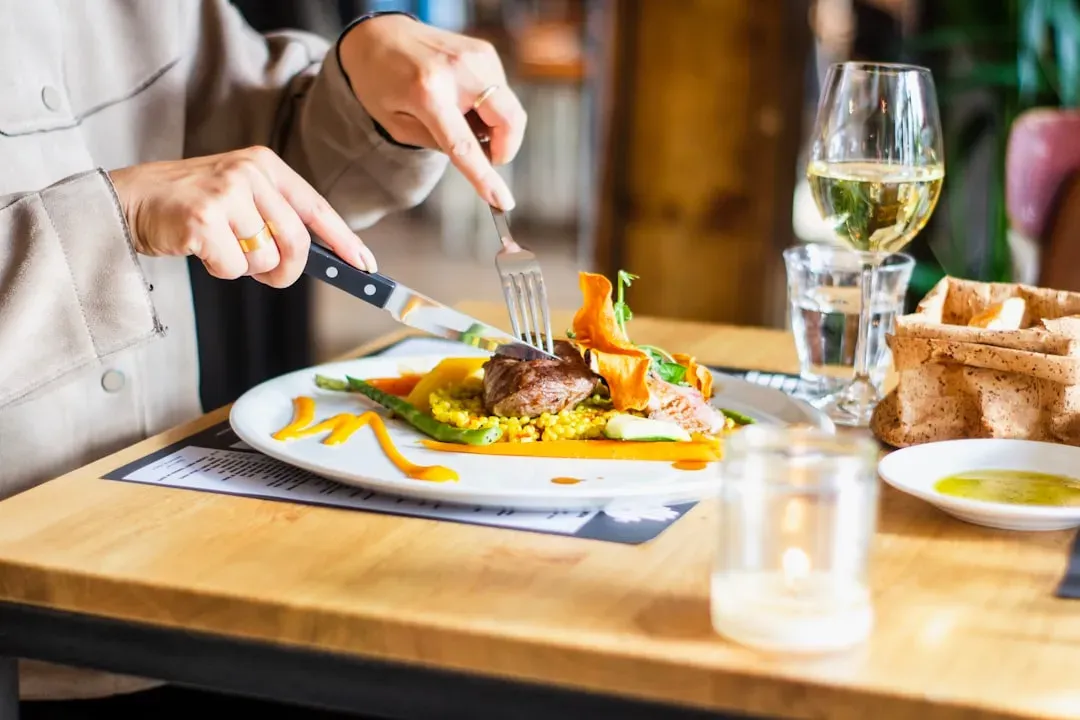
1. Whether You Wait for Everyone to Be Served Before Eating (Image Credits: Unsplash)
There's an old etiquette principle that you don't start until everyone has their plate, unless the host invites you to begin. This isn't just politeness for politeness' sake. It's a nonverbal way of saying, "I value the shared experience more than my own hunger." That one small pause telegraphs a person's capacity to delay personal gratification for the sake of others, which is a trait that extends well beyond the dinner table.
One detail many people miss: not starting until everyone has been served, or until the host gives explicit permission, matters especially in formal settings. The proper etiquette is simple: wait for the host to lift their fork, or for them to invite everyone to begin. People who do this instinctively tend to read social environments well. Those who dive straight in, oblivious to plates still coming from the kitchen, tend to do the same thing in conversations and meetings.
2. How You Hold and Use Your Utensils
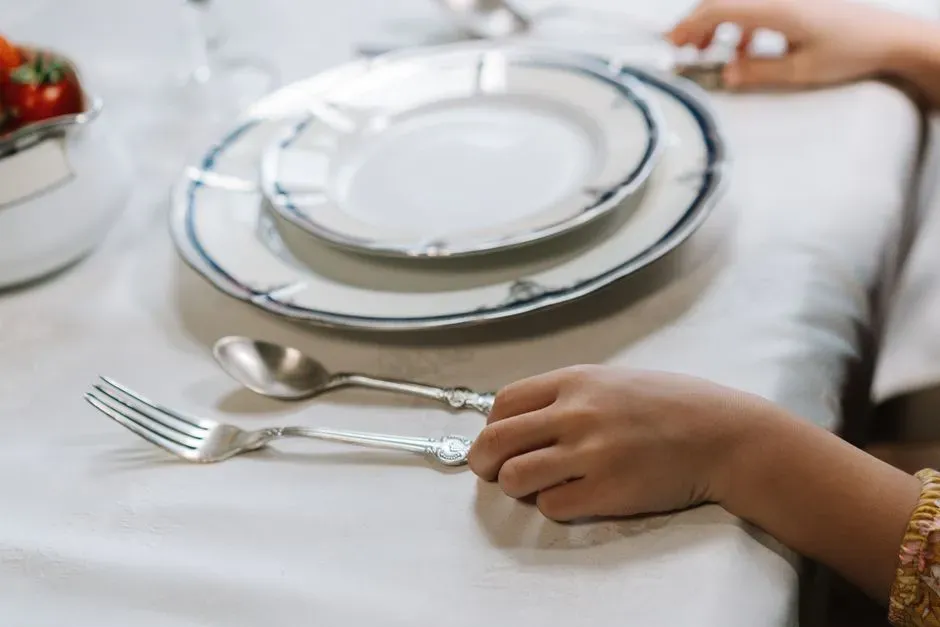
2. How You Hold and Use Your Utensils (Image Credits: Pexels)
The way someone uses a knife and fork says a lot about their comfort in formal settings. This isn't about rigid class gatekeeping. It's more that confident, practiced handling of silverware signals a degree of social preparation and self-awareness. First impression management works like this: confident handling of utensils and social cues signals competence before you've said a word about your qualifications.
Holding and handling utensils correctly places you miles ahead of your dinner party companions. Forks and spoons should be held in your dominant hand. People notice this even when they aren't consciously trying to. Someone who holds a fork like they've never thought about it before comes across as unprepared, while someone who handles their cutlery with ease gives off an air of quiet confidence that has nothing to do with wealth or education.
3. Where You Put Your Phone
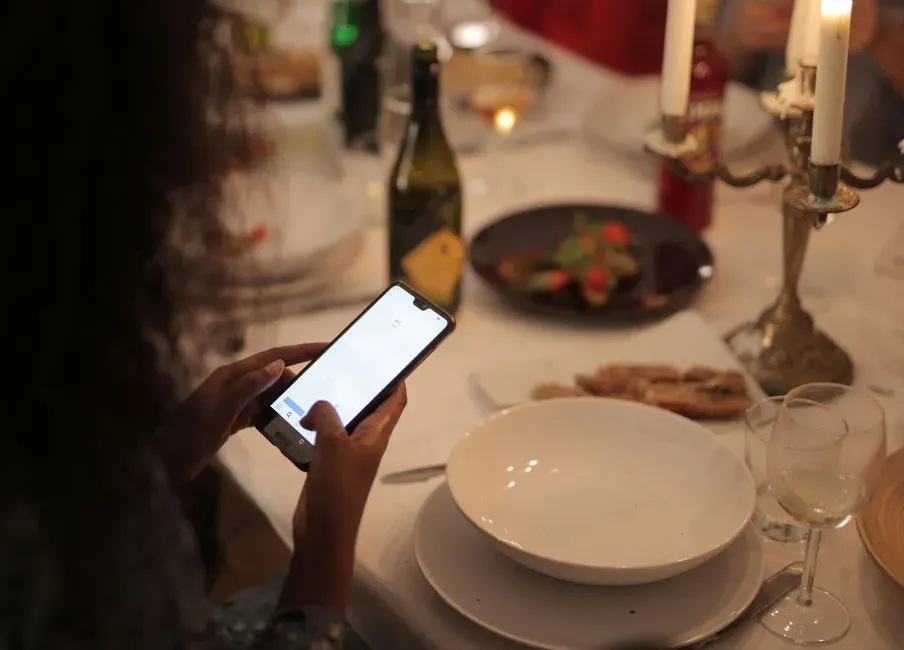
3. Where You Put Your Phone (Image Credits: Pexels)
According to research presented at the Society for Personality and Social Psychology Annual Convention, people with smartphones present during dinner report less enjoyment than those who kept their phones away. The phone on the table, even face down and silent, sends a signal to everyone around it: something else might be more important than this moment. "Just having phones out and available makes people feel more distracted," according to researcher Elizabeth Dunn from the University of British Columbia.
When phones were present, participants felt more distracted, which reduced how much they enjoyed spending time with their friends and family. From a stranger's perspective, a phone left conspicuously on the table reads as mild social dismissal. Phones, keys, and other personal items shouldn't be placed on the table. Keeping the space clean and uncluttered matters. The people who naturally tuck their phone away without being asked tend to be the ones others walk away from dinner wanting to see again.
4. How You Treat the Waitstaff
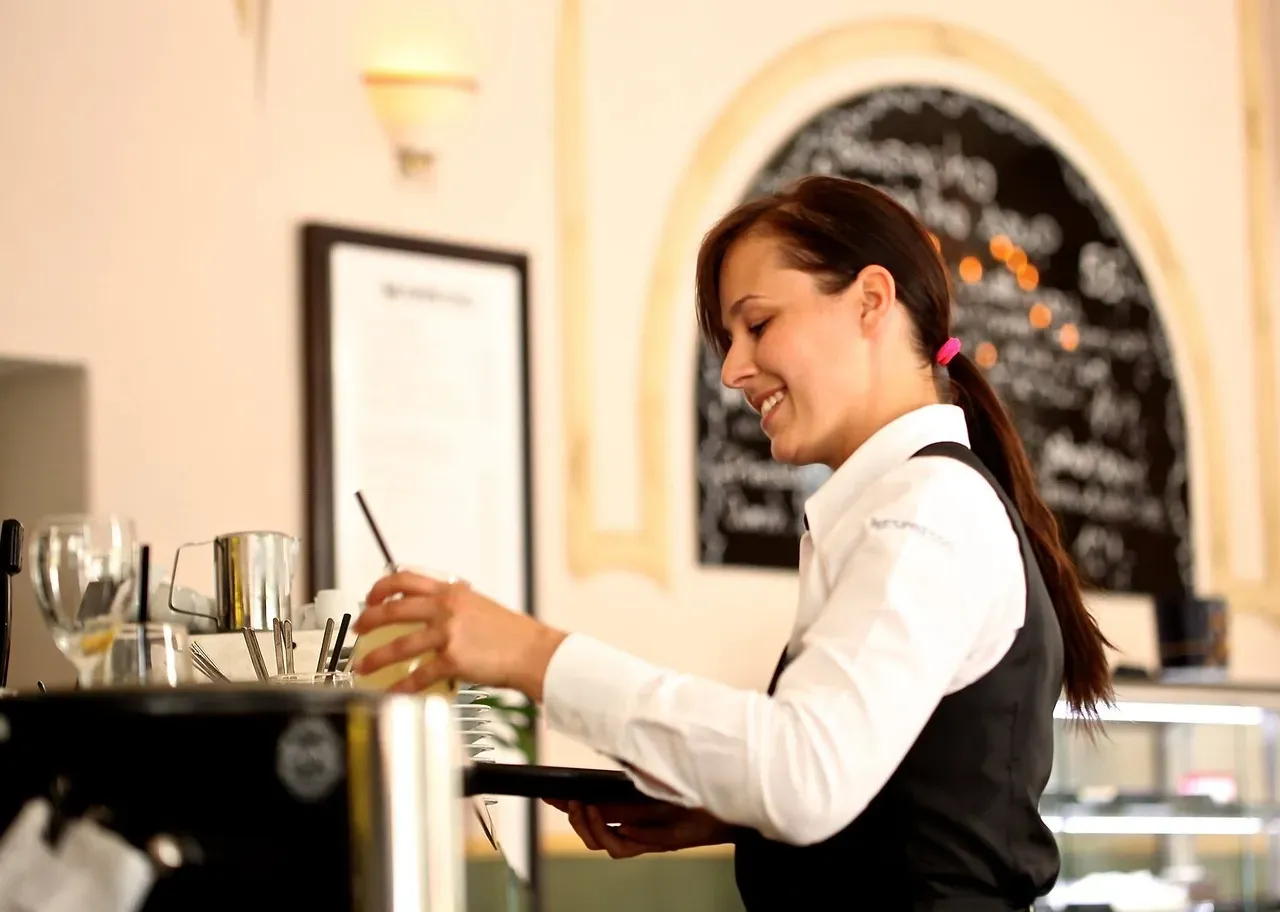
4. How You Treat the Waitstaff (Image Credits: Pixabay)
Watching how someone treats service workers like waiters can shed light on their empathy and social awareness in surprising ways. This is one of the most universally observed social tests, and it carries genuine weight. If you really want to understand someone's character, don't look at how they treat their boss or their friends. Look at how they treat the waiter who hands them a coffee, or the cleaner, the driver, the receptionist.
While words can be carefully chosen, spontaneous actions usually come straight from the heart. Psychologists find particular value in observing how someone treats others in service roles, because it reflects genuine character traits. Research in personality psychology indicates this behavior is strongly linked to one of the Big Five personality traits: Agreeableness. Rudeness toward staff, even framed as "high standards," rarely fools anyone at the table. It reads as entitlement, plainly.
5. Whether You Dominate the Conversation or Share It

5. Whether You Dominate the Conversation or Share It (Image Credits: Pexels)
The person who talks about themselves at length, and who finds a way to bring the conversation back to themselves when others speak, tends to have little empathy for others and barely acknowledges their feelings or opinions. People clock this dynamic faster than almost any other dinner table behavior. A conversation hog at the table is usually a conversation hog everywhere else too.
Research suggests a link between personality and how someone engages during shared meals. When getting to know someone, personally or professionally, shared meals may be revealing through both manners and conversation patterns. The people who ask follow-up questions, who leave pauses for others to fill, and who remember what you said ten minutes ago signal genuine curiosity. That kind of attentiveness is harder to fake than most people realize, especially after a glass of wine.
6. How You Handle a Mistake or a Wrong Order

6. How You Handle a Mistake or a Wrong Order (Image Credits: Pexels)
An inability to handle mistakes with grace and understanding is a telling trait. It shows a lack of perspective and an inability to empathize with others' mistakes. What happens when the kitchen sends out the wrong dish, or the server forgets a side, is one of the most unguarded moments of any dinner. A calm, reasonable response reveals someone who understands that errors are human. A disproportionate reaction, sighing loudly, making a scene, or demanding a manager over something minor, reveals something considerably less flattering.
In a formal or professional dinner setting, the use of proper manners can signal professionalism and respect for the occasion and the other guests. Conversely, a breach of these norms can lead to negative judgments about one's character or social standing. The way someone absorbs a small inconvenience tells strangers how they likely respond to bigger ones at home, at work, and in relationships. Composure at the table suggests composure elsewhere. The reverse is equally true.
7. What You Do with Your Napkin

7. What You Do with Your Napkin (Image Credits: Pexels)
It sounds almost trivial, but napkin habits carry more observational weight than most people expect. Placing the napkin on your lap as soon as you sit, rather than tucking it into your clothing, reflects good dining table etiquette. People who do this automatically tend to be detail-oriented and attuned to social context. Those who leave the napkin on the table, or use it once and toss it aside carelessly, give the impression that social rituals hold little meaning for them.
Once you've finished dining and are leaving the table, the right move is to loosely fold the napkin and place it to the left of your dinner plate. This closing gesture, small and almost unnoticed, signals that you understand the rhythm of a shared meal from beginning to end. Good table manners aren't just about impressing others. They signal respect, self-awareness, and emotional intelligence. In psychology, these behaviors often reflect how someone learned to navigate social situations early in life.
None of these habits are about performing some idealized version of etiquette. They're more honest than that. They're the things people do when they're not thinking about it, which is precisely why strangers read them so readily. The table doesn't lie.