
There’s a subtle science happening at the front of every hotel lobby, and most guests have no idea it’s taking place. The moment you push through those doors, a concierge is already forming a picture of who you are, what you need, and how your stay is likely to unfold. It happens fast. Sometimes within seconds.
This isn’t judgment for its own sake. These observations are tools hotel staff use to provide better service. Knowing what they’re picking up on, and why, can genuinely change the quality of your experience from the very first moment.
Your Body Language Before You Say a Word
Your Body Language Before You Say a Word (Image Credits: Pexels)
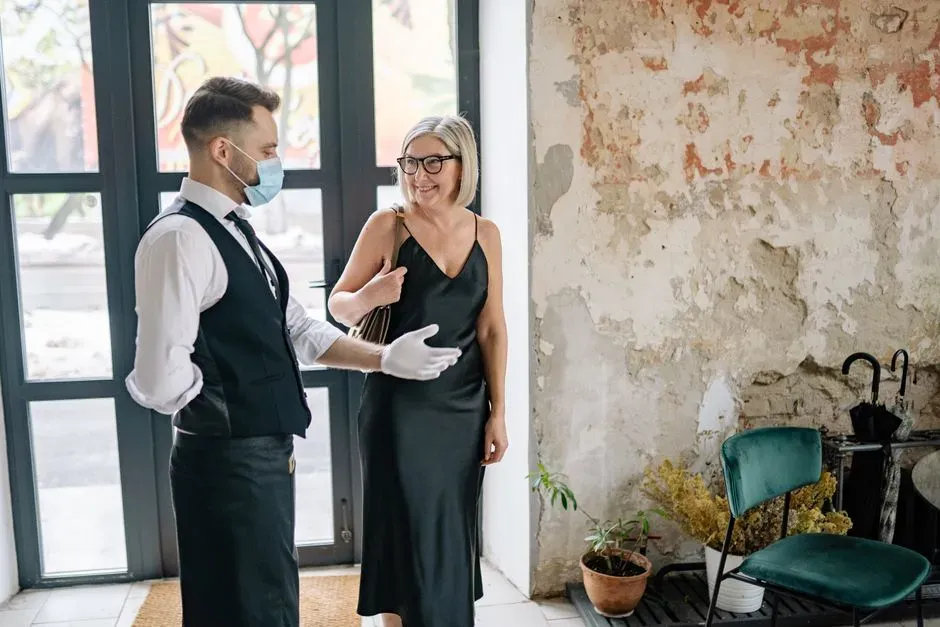
The second you step through those doors, your body language tells a story. Are you moving with purpose, or are you hesitant and scanning the room in a mild panic? Concierges read these cues the same way a doctor reads a patient’s posture. It takes almost no time at all.
Are you frantic, impatient, and scanning the lobby like you’re about to miss a flight? Or are you calm, present, and making eye contact like a normal human? Calm energy signals you’re in control of yourself. People trust that; if you walk up heated and stressed, the concierge might still help you, but they’ll also brace for chaos.
How You Treat the First Staff Member You Encounter
How You Treat the First Staff Member You Encounter (Image Credits: Unsplash)
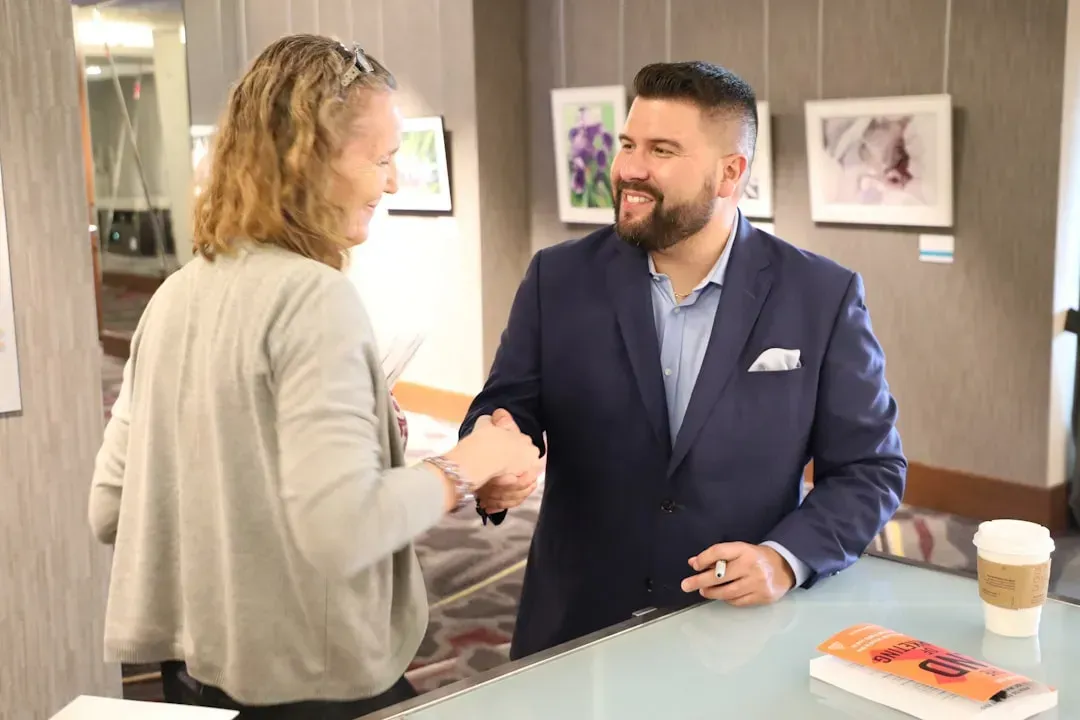
Hotel departments share real-time guest notes across the property. Valet, bell staff, and front desk are all connected. That means how you behave at the car door or entrance is already being noted before you reach the concierge desk. The interaction clock starts earlier than most guests realize.
Staff members communicate about guests constantly. Treat the valet poorly, and the front desk knows before you reach the lobby. The guest who barely acknowledges the doorman often becomes the one making unreasonable demands at 2 AM. Hospitality professionals have seen this pattern repeat itself enough times that it’s practically a rule of thumb.
The Type and Amount of Luggage You Bring
The Type and Amount of Luggage You Bring (Image Credits: Unsplash)
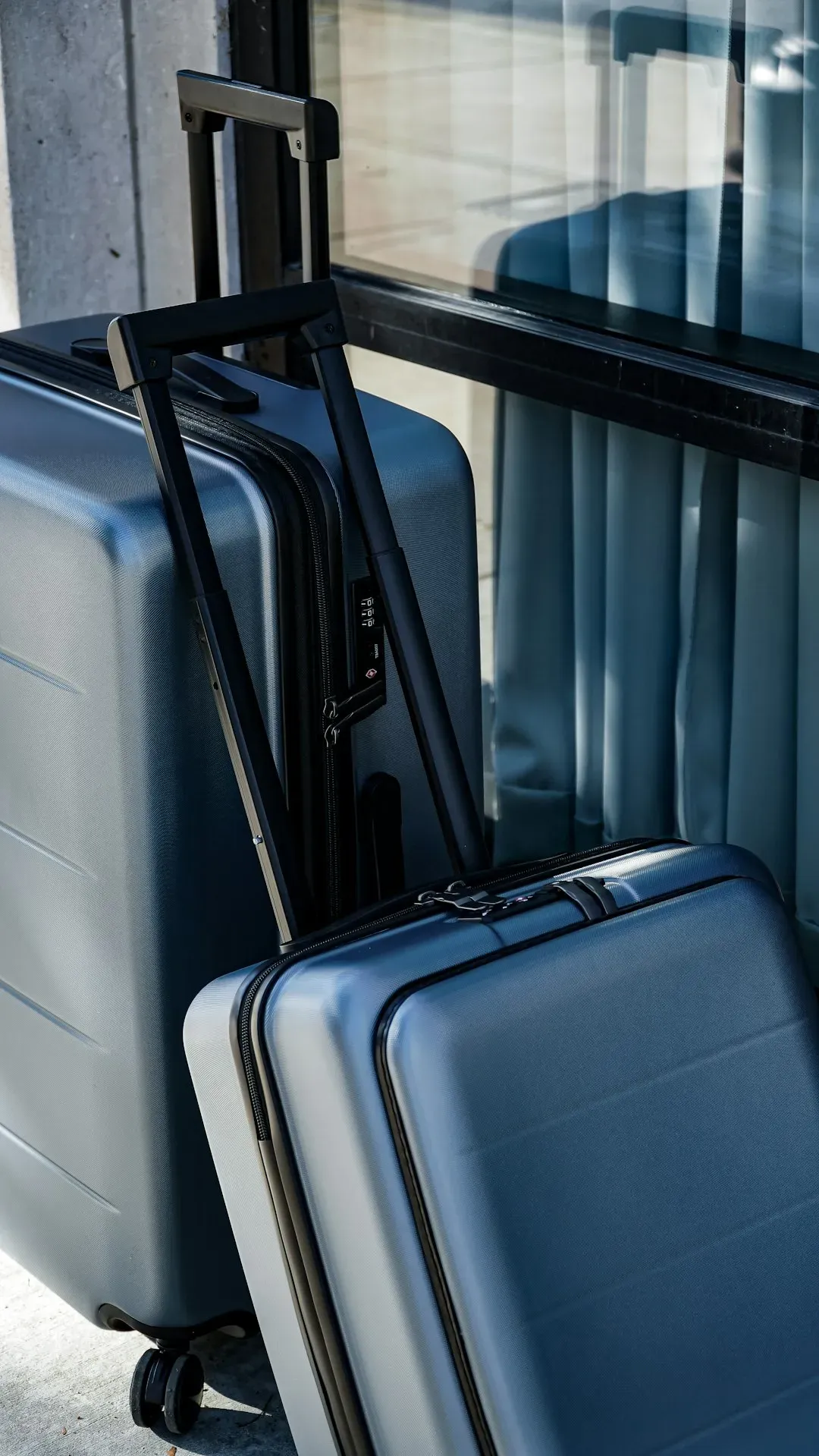
Staff notice if you’re struggling with overpacked bags, rolling in with just a backpack, or arriving with specialty cases for equipment. Each of these signals something different about who you are and what kind of stay you’re there for. A single carry-on at a five-star hotel reads differently than three matching suitcases at a budget property.
Luggage also hints at trip purpose. A garment bag alongside a laptop case suggests a business traveler on a tight schedule. A collection of bulging tote bags and a stroller tells a completely different story. The business traveler gets offered a room near the elevator for quick morning exits. The exhausted family gets directions to the nearest kid-friendly restaurant. The luggage is simply a fast way to tailor the service.
Where Your Eyes Go First

Where Your Eyes Go First (Image Credits: Unsplash)
Where do your eyes go first? The bar? The elevator? The exit? Staff notice if you make direct, friendly eye contact or if you avoid it entirely. They can tell if you’re scanning for security cameras or admiringly taking in the decor. These aren’t random observations. Each direction signals a different mindset and priority.
One manager noted they especially watch for guests who immediately look for the concierge desk. These folks usually tip well and appreciate good service. Eye movement is instinctive and nearly impossible to fake, which makes it one of the more reliable signals available to attentive staff from a distance.
Whether You're Prepared or Winging It
Whether You're Prepared or Winging It (Image Credits: Pexels)
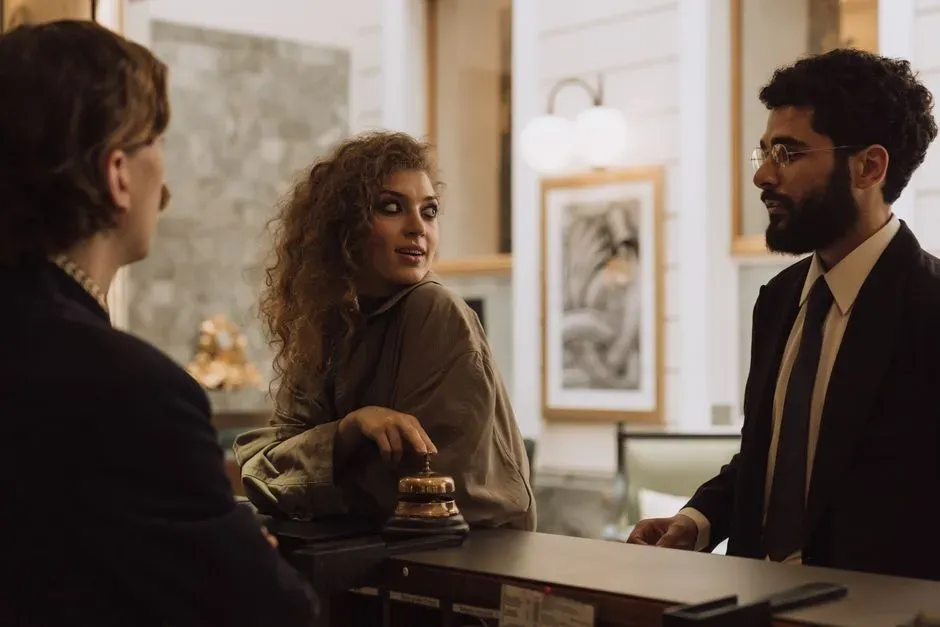
The concierge is making a quick call: is this person prepared, or are they going to be a time sink? Prepared guests get better outcomes because they give useful constraints. Someone who walks in knowing their reservation number, their room preference, and a rough sense of what they want for dinner is much easier to delight than someone who arrives having done none of that groundwork.
Preparedness shows up in small ways. It’s the guest who already knows the hotel has a rooftop bar versus the one who asks if there’s “something to eat somewhere.” Concierges are part therapist, part travel agent, and part magician. Like any pro, they can’t waste time. So they make quick judgments based on tiny signals. Being prepared is one of the simplest signals a guest can send.
How You Frame What You're Willing to Spend
How You Frame What You're Willing to Spend (Image Credits: Pexels)
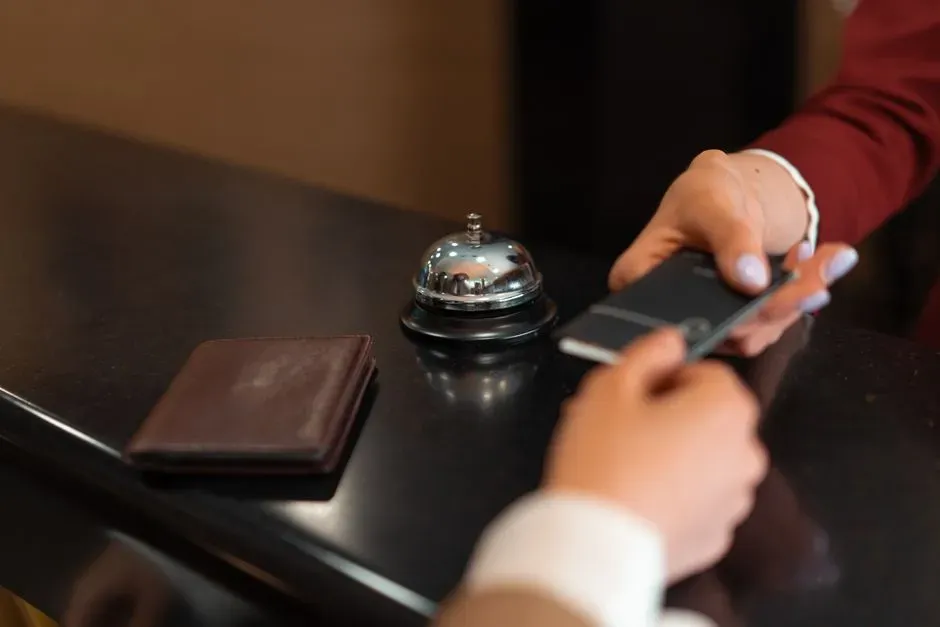
Hotel staff notice whether you wince at the mention of valet parking. They see if you immediately ask about free breakfast or happy hour times. One front desk manager explained that guests who are comfortable financially tend to ask different questions entirely. They focus on experiences rather than expenses. This isn’t about judging wealth. It’s about calibrating recommendations.
A concierge will quickly decide whether you’re going to be thrilled, disappointed, or angry based on how you frame value. A guest who casually asks for the best restaurant in town without flinching at price gets a different answer than one who opens with “what’s cheap but decent?” Neither approach is wrong, but both tell the concierge exactly where to begin.
Whether You Seem to Respect That the Job Is Real Work
Whether You Seem to Respect That the Job Is Real Work (Image Credits: Pexels)
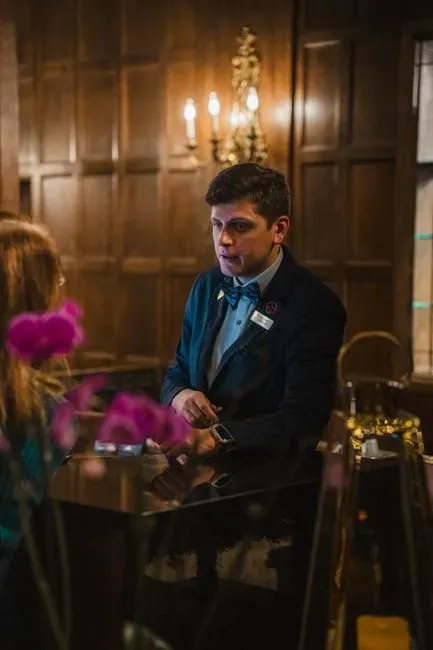
One of the biggest observations concierges make is about whether you understand that what they do is real work. If you snap your fingers, interrupt, or talk over them while they’re clearly juggling five things, you’re telling them you don’t see them as a person. Experienced concierges are often managing multiple requests simultaneously. Patience reads clearly, and so does impatience.
The guests who get above-and-beyond help usually do small things: they wait their turn, don’t start with “I need this now” unless it’s truly urgent, say “thank you” like they mean it, and don’t treat the desk like a complaint department. Concierges are humans, and like all humans, when they’re treated right, they’ll reciprocate in kind. That exchange rarely requires much effort. A moment of genuine acknowledgment goes further than most guests ever expect.
The lobby encounter is brief, but it carries real weight. The quiet reads that happen in those first seconds shape the kind of care and attention that follows you to your room, to your dinner table, and throughout your stay. Walking in with a little self-awareness is perhaps the simplest upgrade available to any traveler, and it costs nothing.