
Most parents reach for praise instinctively. A child draws a picture, solves a puzzle, or ties their shoes for the first time, and out comes a cheerful “Good job!” or “You’re so smart!” It feels right. It feels kind. The problem is that decades of research in developmental psychology suggest that certain types of praise can actually work against the confidence we’re trying to build.
Research has revealed that the effect of praise depends on the type of praise, and that some types can negatively affect the motivation of the person receiving it. Children who receive effort-focused praise tend to endorse a growth mindset, with high enjoyment and task performance even after failure, while those who receive ability-focused praise tend to develop a fixed mindset and lower performance following setbacks. The words that stick with children longest aren’t always the loudest ones. Sometimes the quieter, more deliberate phrases do the deepest work.
1. "I Noticed How Hard You Worked on That"

1. "I Noticed How Hard You Worked on That" (Image Credits: Pexels)
Hearing more process praise in early childhood is associated with having a stronger growth mindset by second grade, which in turn is associated with better school performance in fourth grade. That's a remarkable chain of influence from a single type of phrase. When you name the effort rather than the outcome, you're telling a child that their input matters more than the result, which is exactly where long-term confidence takes root.
Effort-focused praise emphasizes the fundamental role of effort for growth and improvement, whereas ability-focused praise implies that intelligence is an internal and perhaps fixed trait. A child who believes they can improve through effort is far more likely to keep trying when things get hard. That willingness to persist, not any innate talent, is often what separates children who thrive from those who quietly give up.
2. "What Do You Think We Should Do?"

2. "What Do You Think We Should Do?" (Image Credits: Unsplash)
Rather than dictating everything, thoughtful parents invite collaboration. Saying "What do you think is fair here?" or "How would you like to handle this?" hands over agency and teaches problem-solving, respect, and ownership. That sense of ownership is not a small thing. When children feel like genuine participants in decisions, they start to trust their own thinking.
Fostering autonomy is key to helping children grow into confident, independent, and resilient individuals. Parents can encourage autonomy by offering choices that are age-appropriate, setting routines children can follow, and involving them in simple decision-making processes. The phrase "what do you think?" does all three at once, in about five words. It's deceptively simple and genuinely powerful.
3. "It's Okay to Find This Hard"

3. "It's Okay to Find This Hard" (Image Credits: Unsplash)
Confidence helps children enjoy challenges, take reasonable risks, try new things, make new friends, and adjust well to school life. It's not about feeling better than others, but an inner belief that says "I can do this" even when it seems hard. That belief doesn't emerge from a life without difficulty. It comes from learning that difficulty itself is survivable and normal.
Parents must realize that the ability to make mistakes and learn from them is part of the basic fabric of life. When children are not allowed to make mistakes, they begin to think that they are not capable. Acknowledging out loud that something is genuinely hard removes the shame from struggling. It reframes the challenge as a natural part of learning rather than evidence of a personal flaw.
4. "I Believe You Can Figure This Out"

4. "I Believe You Can Figure This Out" (Image Credits: Unsplash)
Words like "I believe you," "I'm proud of you," and "I trust you" are powerful. They convey faith in the child's character and capacity. When a parent says "I believe you've got this," a child starts to believe it too. This phrase works on a different level than ordinary praise because it doesn't evaluate the result. It communicates trust in the child's process, which is far more sustaining.
As the parent, you have faith in your child's ability. When you openly communicate that faith in them, it will inspire it within themselves. There's also a practical dimension here. Resisting the urge to jump in and solve things for children builds real-world competence. Allowing children to safely work through a challenge boosts independence and self-esteem, especially when they succeed.
5. "Tell Me More About That"
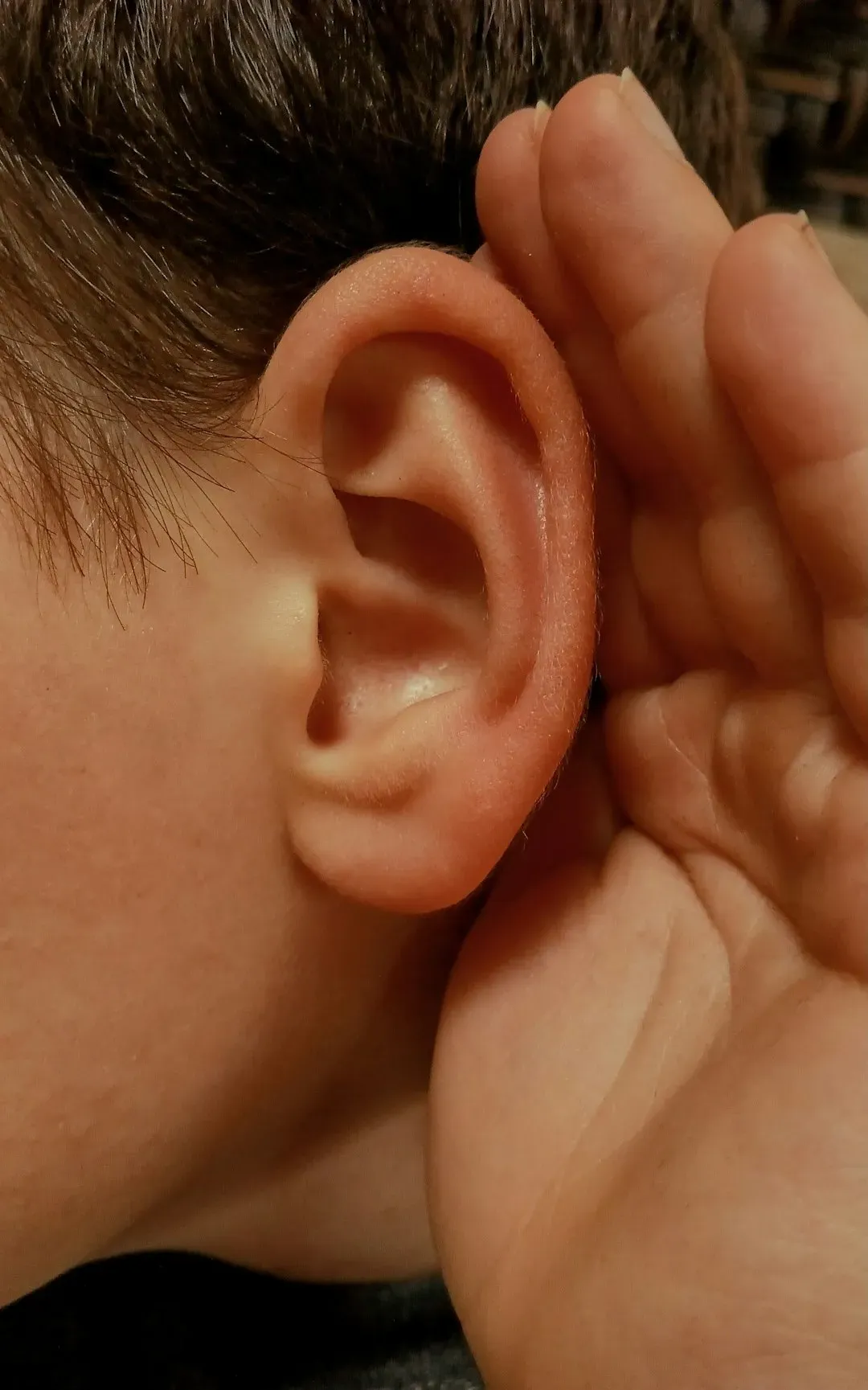
5. "Tell Me More About That" (Image Credits: Unsplash)
Phrases like "Why did you do that?" put kids on defense, while "I'm listening, tell me more" lowers their shoulders. Try it when your child hesitates or seems braced for judgment. The difference between those two approaches is not minor. One closes conversation down, the other opens it. A child who feels consistently heard develops a quiet but durable confidence in their own voice and perspective.
Going one step further than just noticing effort by asking children to elaborate lets you hear the pride in their voice when they explain. That moment of articulating their own thinking out loud is genuinely formative. It teaches children that their ideas are worth expressing and that the adults in their lives are genuinely interested. Research emphasizes that when children feel emotionally safe, they are more likely to share worries, seek help, and develop healthy emotional regulation.
6. "Making Mistakes Is How We Learn"
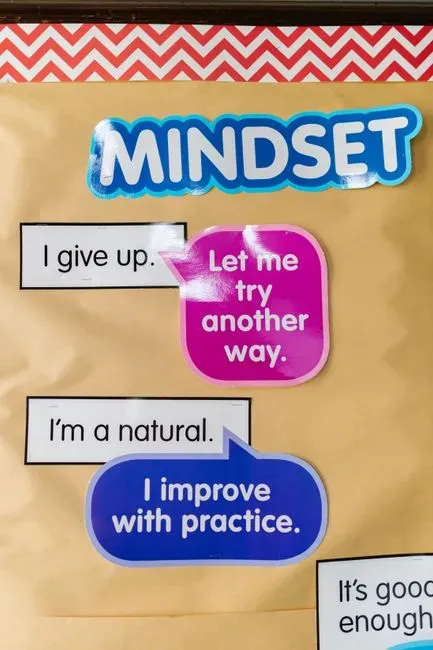
6. "Making Mistakes Is How We Learn" (Image Credits: Pexels)
Positive phrases like "You're improving" or "Mistakes help us learn" teach children to see challenges as opportunities rather than obstacles, fostering a love for learning. That reframe is genuinely difficult for many adults to internalize, let alone model. Yet children absorb the emotional logic of it fairly quickly when they hear it consistently and calmly from the people they trust most.
People with a fixed mindset are more prone to interpret their setbacks as a lack of inborn ability, while those with a growth mindset attribute setbacks to a lack of effort. Growth mindset has been linked to higher resilience, psychological well-being, and school engagement. Normalizing mistakes at home creates a kind of emotional buffer against the harder failures children will inevitably face outside it. The path to growing up is filled with stumbling blocks and learning experiences. When we parent without shame, we help our children use these mistakes as learning experiences.
7. "I Love You No Matter What Happens"

7. "I Love You No Matter What Happens" (Image Credits: Pexels)
That message builds confidence, emotional resilience, and comfort in vulnerability. Parents who emphasize unconditional love allow their children to flourish, knowing they are accepted even when they mess up. This is perhaps the most foundational phrase on the list, because everything else sits on top of it. A child who knows their worth isn't tied to performance is free to try, fail, adjust, and try again without the weight of conditional approval.
One of the most important aspects of any child-parent relationship is trust. Once a child believes you will be there for them no matter what, they can develop the confidence to believe in themselves and others. Nurturing confidence in your kids helps them develop the independence and resilience they'll need to overcome life's challenges, while harsh criticism from parents often forms the basis of a person's negative inner critic for years to come. The phrase itself takes three seconds to say. What it builds can last a lifetime.
Confidence isn't really a gift parents hand to children. It's something children build themselves, slowly, through experience and through the internal voice that gets shaped by the words they hear most often. As a parent, your words become the internal language in the minds of your children. Choosing those words with a little more care, swapping reflexive praise for something more deliberate, costs nothing and changes quite a lot.