
Every week, millions of households toss out items that seem spent, empty, or simply past their use-by date. It’s an automatic reflex: finished with it, done with it, gone. The bin fills up, the bin goes out, and most of us never look back.
What’s quietly surprising is how many of those discarded items still hold real, practical value. Professional organizers, sustainability experts, and home improvement specialists consistently flag the same categories of common household goods as things worth keeping. Here are ten of them.
Glass Jars from Food Products
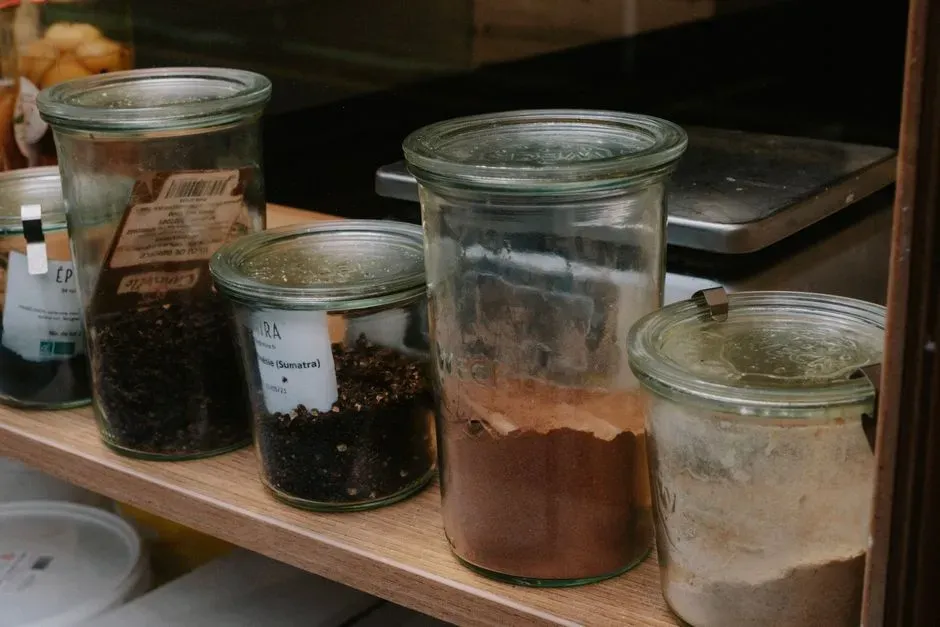
Glass Jars from Food Products (Image Credits: Pexels)
Americans throw away over 11 million tons of glass bottles and jars each year, even though they're 100% recyclable. That statistic alone should give most households pause. But recycling is only the floor, not the ceiling, of what these containers can offer.
Glass jars offer a practical solution for storing dry goods like grains, pasta, beans, and spices, and their transparent design allows you to easily see what's inside, making meal prep simpler while keeping your pantry organized. Smaller jars are also perfect for storing leftover paint, preventing it from drying out, and their airtight seals help keep paint fresh for longer.
Silica Gel Packets
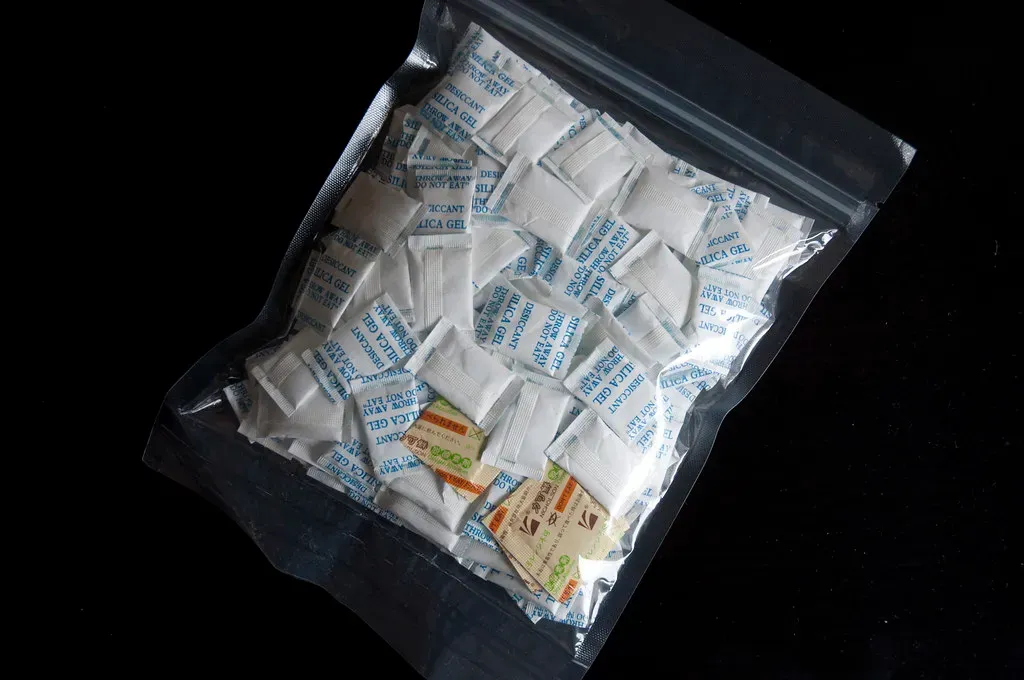
Silica Gel Packets (kodamapixel, Flickr, <a href="https://creativecommons.org/licenses/by-sa/2.0/" target="_blank" rel="noopener">CC BY-SA 2.0</a>)
Those tiny packets found inside new products often feature bold lettering saying "THROW AWAY" in all caps, and most people dutifully do exactly that. It turns out that instruction refers to not eating them, not necessarily discarding them immediately.
The reality is those little silica gel packets have a continuous use because silica gel is a desiccant that absorbs moisture and helps keep goods dry. Silica gel is robust enough for three to five dry-and-reuse cycles, provided the wrapper remains intact and you avoid overheating. Tucking them into toolboxes, document boxes, and storage bins can quietly prevent mold and rust for months.
Leftover Paint
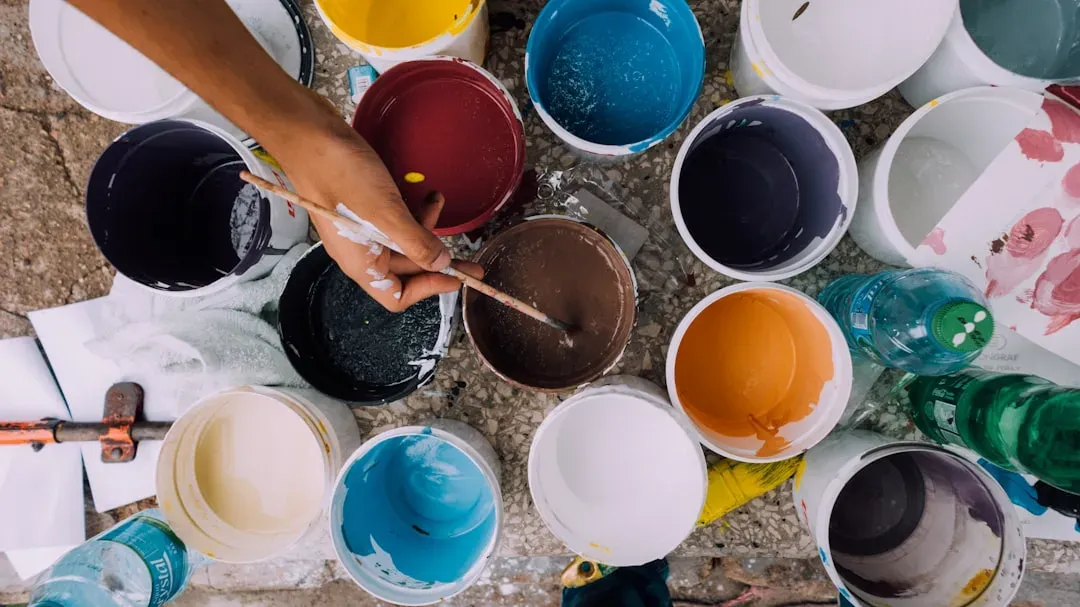
Leftover Paint (Image Credits: Unsplash)
Just like batteries, paint shouldn't be thrown in the trash because it contains hazardous materials and pollutants that can harm the environment if improperly disposed of. Most households keep far less of it than they eventually need, which creates an avoidable expense down the line.
Keeping a small, sealed jar of wall paint is one of the most practical things a homeowner can do. Touch-ups after hanging pictures, scuffs from furniture, or minor wall damage can all be handled in minutes. If the paint is still useful in larger quantities, consider donating it to Habitat for Humanity or similar organizations rather than letting it reach a landfill.
Old Batteries (Before Proper Disposal)
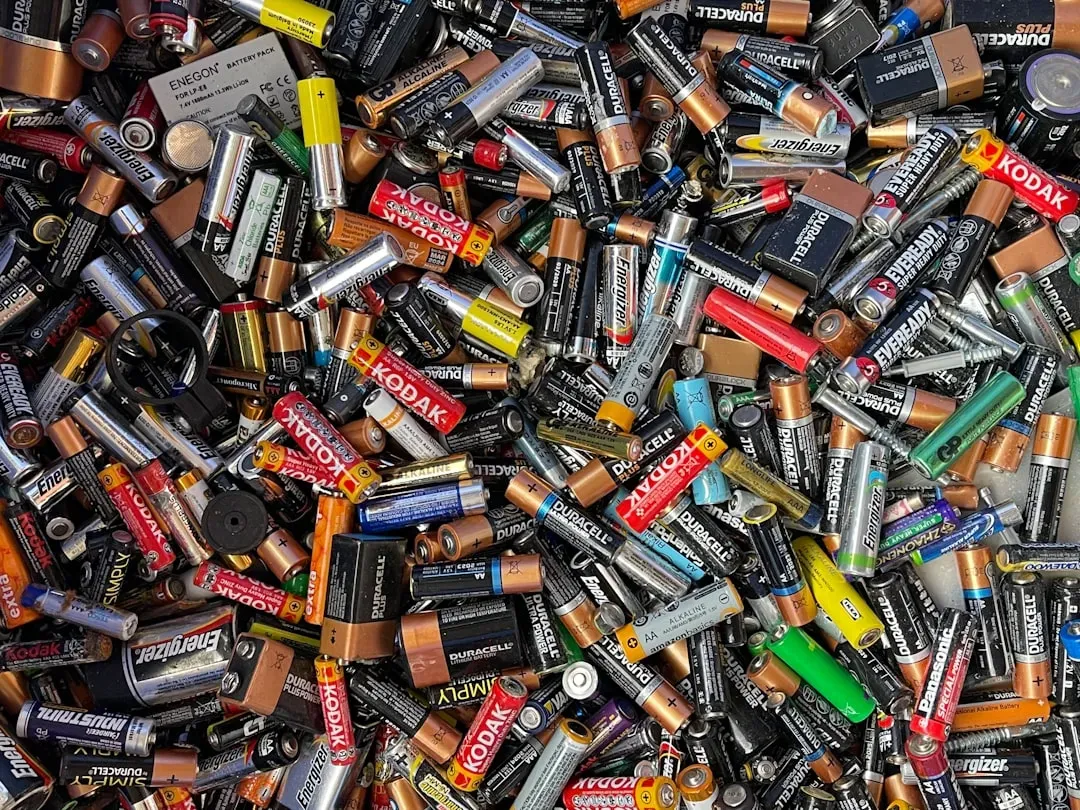
Old Batteries (Before Proper Disposal) (Image Credits: Unsplash)
One of the most common but dangerous items people regularly throw away is batteries. No matter the type, over three billion batteries are thrown away every year in the United States alone. Most end up in regular trash, which is both environmentally damaging and, in some jurisdictions, actually illegal.
Batteries easily cause fires in the garbage, especially when they're crushed in trash compactors in garbage trucks or waste and recycling facilities. The right move is to keep a small designated container somewhere in the home and collect them separately from regular trash and dispose of them at a local household hazardous waste facility.
CFL and Fluorescent Light Bulbs
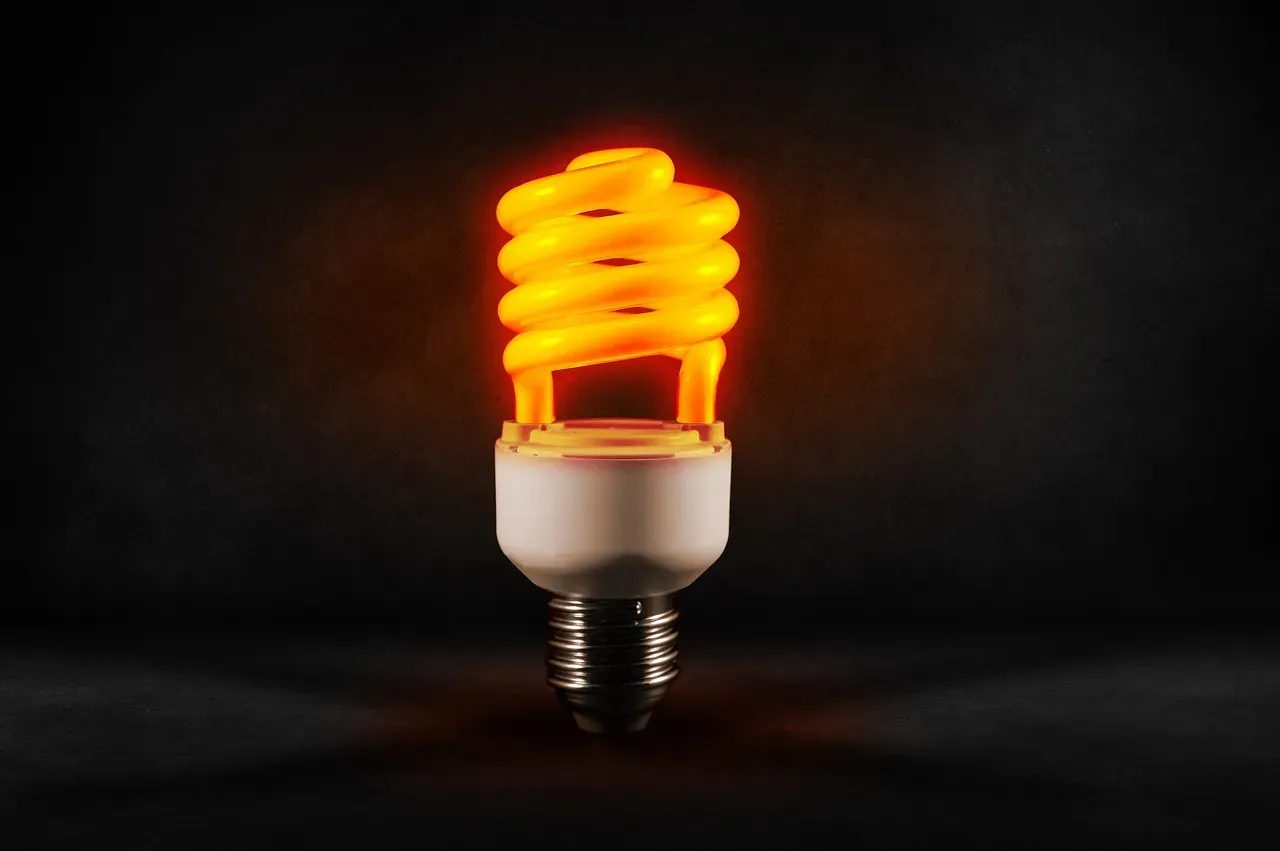
CFL and Fluorescent Light Bulbs (Image Credits: Pixabay)
You should never throw away CFL bulbs or fluorescent tube lights, as they contain mercury, which is highly toxic. If either type of bulb is broken in your home, it could pose a serious health risk to you, your family, and your pets. This is a widely overlooked hazard sitting in ordinary kitchen drawers and utility closets across the country.
Rather than tossing them in the trash when they burn out, keep them safely aside for proper disposal. Finding a proper recycling facility for used light bulbs is the recommended course of action, and many hardware retailers now offer in-store drop-off programs that make this easier than most people realize.
Important Documents and Paperwork
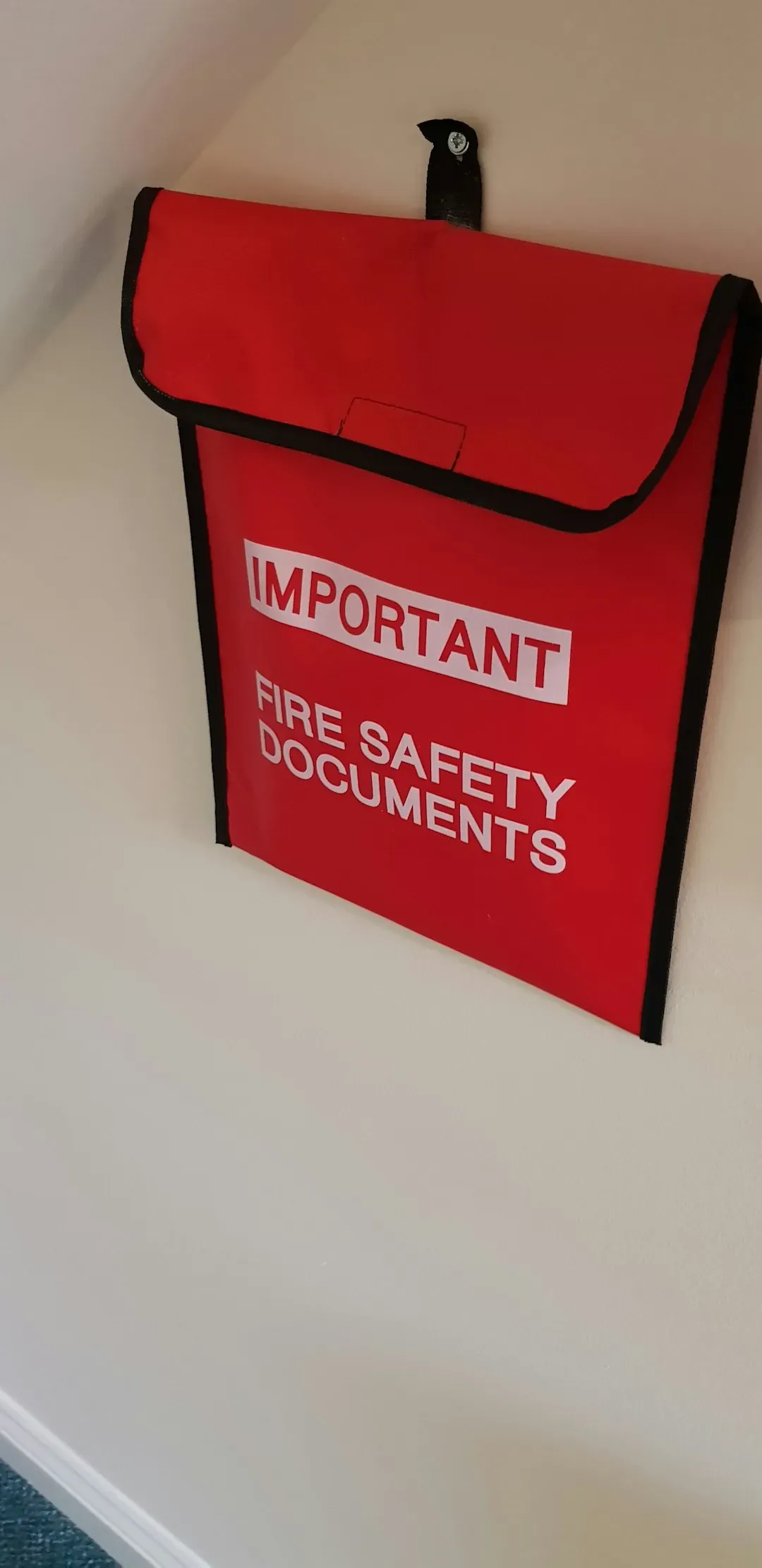
Important Documents and Paperwork (Image Credits: Unsplash)
You should never rush to toss important paperwork. Birth certificates, marriage licenses, and tax documents are essential for many legal and financial matters. Yet during aggressive decluttering sessions, paperwork often becomes collateral damage.
Keeping adoption papers, custody agreements, or home deeds safe is equally important, as these documents can be hard to replace and are often needed unexpectedly. A fireproof document box costs very little and can spare significant stress when a bank, insurer, or government office comes asking for proof that most people assumed they'd never need again.
Glass Jars' Lids and Metal Jar Caps
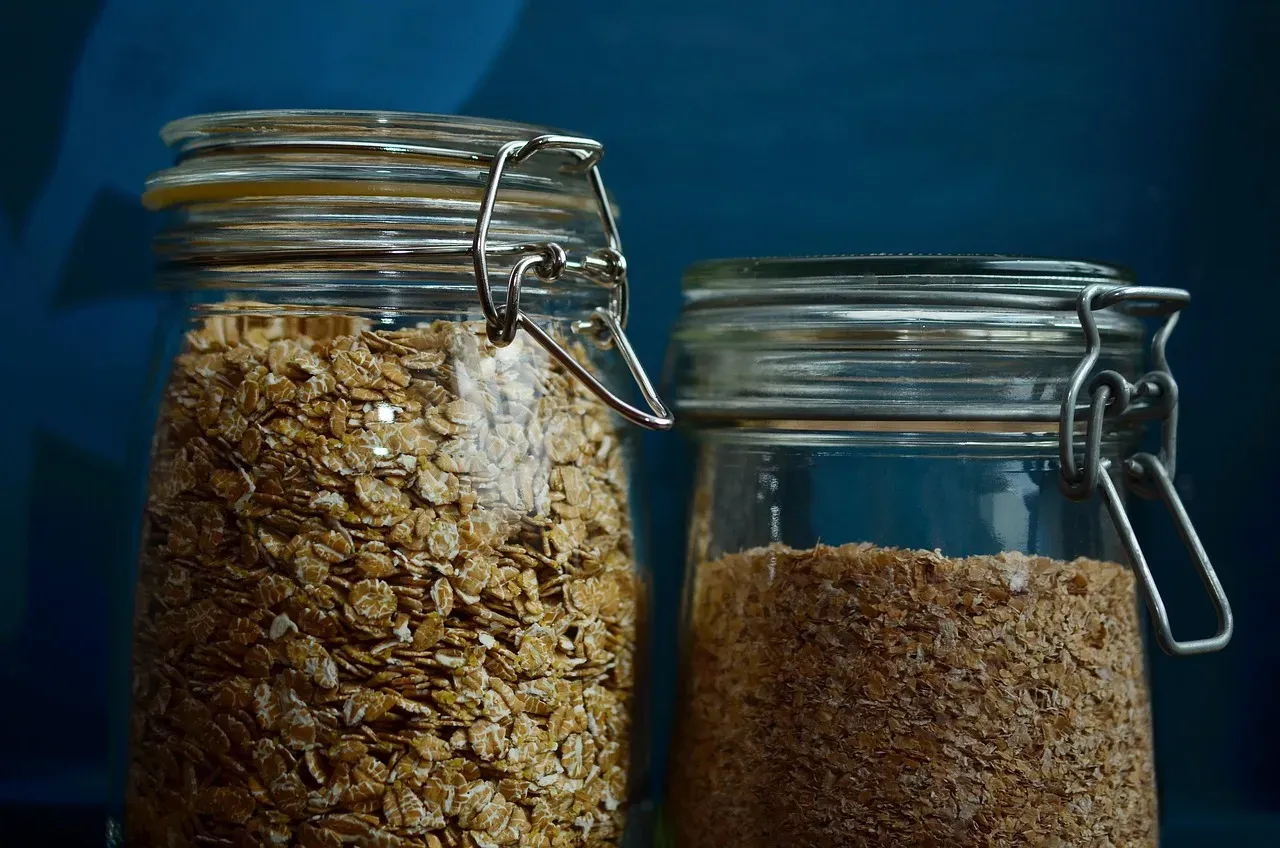
Glass Jars' Lids and Metal Jar Caps (Image Credits: Pixabay)
The lids themselves are frequently forgotten even by those who are careful enough to keep the jars. Metal lids from mason jars, pasta sauce, and jam containers all have a quiet second life as workshop organizers, small parts sorters, and craft supply holders. They're particularly useful nailed under shelving to create screw-top storage that stays out of the way.
Whether they're glass jars, stainless steel, or tin cans, empty containers can last a long time and be used for various purposes beyond their original use. They can be repurposed as storage solutions for small household items, such as spices or craft supplies, and reused for meal prep or storing leftovers. The lids that seal them are just as worth keeping.
Old Electronics (Before Data Wiping)
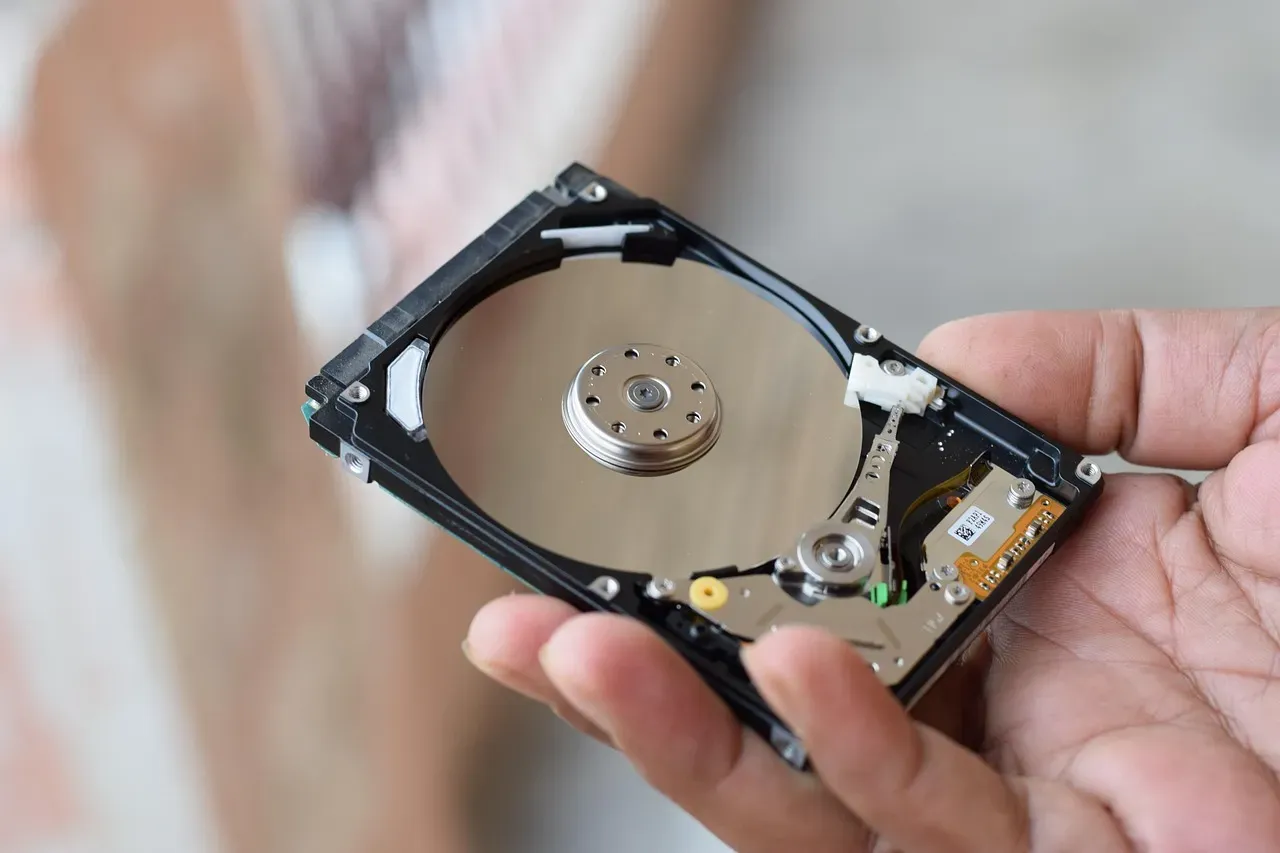
Old Electronics (Before Data Wiping) (Image Credits: Pixabay)
Thrown-out electronics, also known as e-waste, often contain lead, mercury, barium, lithium, and cadmium, which are hazardous on their own but become even more toxic and dangerous when left to break down in harsh conditions. Many households discard these items without a second thought about what's still stored on them.
Throwing out old personal electronics such as phones, laptops, or tablets leaves your personal information vulnerable to people who may remove these devices from the garbage. Even if the device itself doesn't work, information can easily be extracted from the hard drive. Keeping them until you can properly wipe and recycle them through a certified e-waste center is the only genuinely safe option.
Cardboard Tubes and Egg Cartons
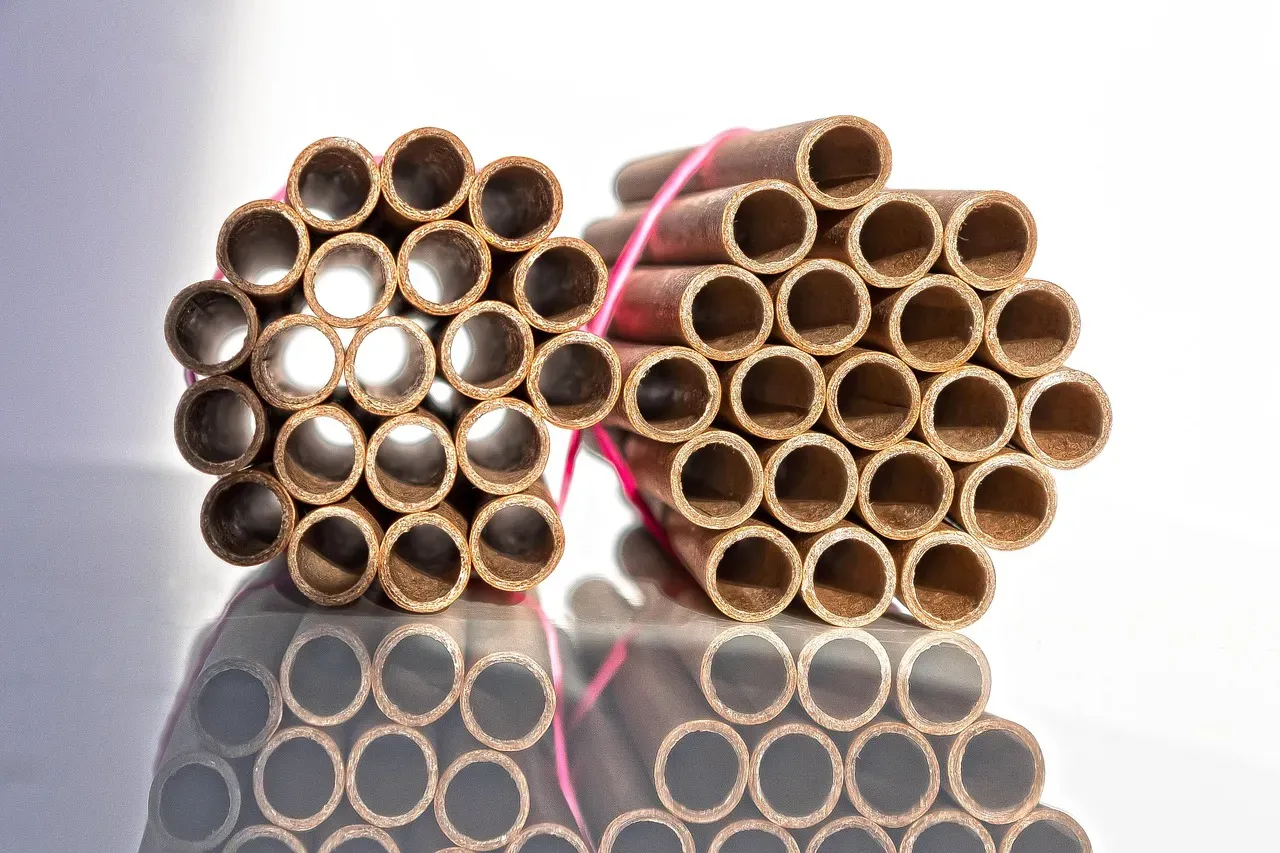
Cardboard Tubes and Egg Cartons (Image Credits: Pixabay)
Cardboard tubes from paper towels or toilet paper rolls become building blocks for children's toys, organizational solutions, or artistic masks. They're also widely used by gardeners as biodegradable seed starters, which can be planted directly into the soil once seedlings are ready without disturbing the roots at all.
Egg cartons serve a similar range of functions. They work well as compartmentalized storage for small screws, jewelry, golf tees, and craft supplies. Gardeners prize them as seedling trays, and the cardboard variety breaks down in compost without issue. Both items are typically discarded by reflex, even when a perfectly useful second life is just a quick rinse or repurpose away.
Plastic Grocery Bags
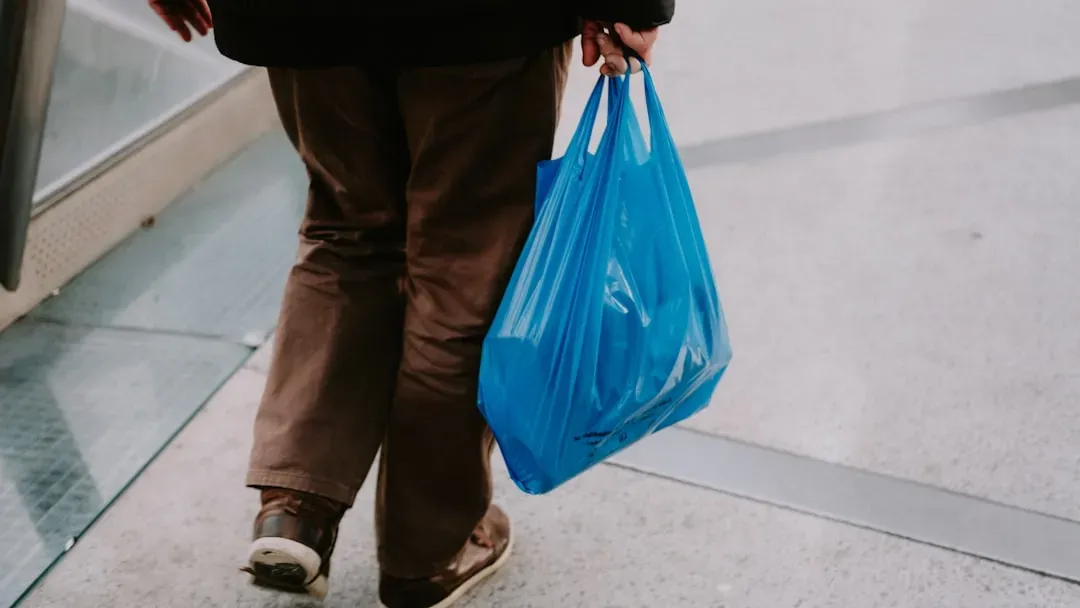
Plastic Grocery Bags (Image Credits: Unsplash)
Plastic bags are lightweight and flexible, so they get tangled in sorting machines and disrupt the entire recycling process. This means they genuinely should not go into curbside recycling bins, but that doesn't mean the bin or the trash is the next best option.
Before throwing plastic grocery bags away, consider repurposing them as shoe covers when you pack for travel or as wrapping for delicate items in storage. They can also carry groceries and household goods multiple times before wearing out, so tucking them in your car for the next shopping trip is a smart move. Dedicated plastic film drop-off bins at major grocery stores offer a proper disposal path once they're genuinely worn out.
The through-line across all ten of these items is the same: the habit of discarding something the moment it's "done" often moves faster than the thought of what else it could do. A modest pause before the bin – just long enough to ask whether the item still has value elsewhere in the house – turns out to be one of the most practical sustainability habits available, and it costs nothing at all.