
Most parents choose their words carefully. They soften, they hedge, they try to spare feelings. The intention is almost always kind. Yet some of the most commonly used phrases in everyday parenting carry a quiet undertow that children pick up on long before they can articulate it: a growing suspicion that what the adults around them say doesn’t quite match what actually happens.
The words we use with our children have the power to shape their emotional development and self-perception, and choosing language thoughtfully is what builds resilience and a strong foundation for communication. The problem is that polite language and honest language don’t always overlap. Some phrases feel gentle on the surface while quietly teaching children that adult words are unreliable, negotiable, or simply not meant to be taken at face value. Here are eight of those phrases.
1. "We'll See"
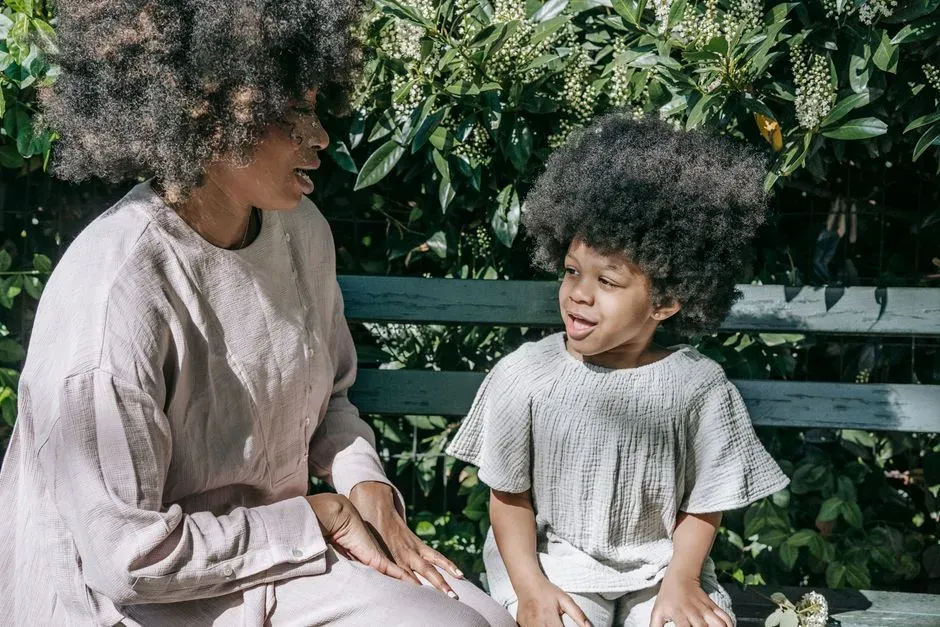
1. "We'll See" (Image Credits: Pexels)
This phrase is the classic parental hedge. It feels noncommittal in a diplomatic way, like the parent is keeping the door open rather than shutting it. In practice, children learn quickly that "we'll see" is rarely a yes in disguise. More often, it's a no that lacks the courage to announce itself. Research shows that vague or unfulfilled statements erode the trust between parent and child.
When "we'll see" is used repeatedly without resolution, children stop factoring it into their expectations at all. Research shows that young children keep their own promises and expect others to do the same, which means vague deflections register as a real credibility gap. Over time, children don't hear the softness of the phrase. They hear noise.
2. "Because I Said So"

2. "Because I Said So" (Image Credits: Unsplash)
"Because I said so" shuts down any communication, telling your child that blind obedience is expected and closes them off from feeling understood or heard. It may feel like a firm, decisive parenting move, but what it actually transmits is that the parent's reasoning either doesn't exist or isn't worth sharing. Both interpretations are unsettling for a child who is trying to understand how the world works.
While this phrase conveys authority, it often shuts down meaningful dialogue. Children naturally seek understanding and explanations, and using it may foster resentment and discourage open communication. A child who can't decode why a rule exists doesn't trust the rule. They may comply, but they're not convinced.
3. "You're Fine"

3. "You're Fine" (Image Credits: Unsplash)
Few phrases are more reflexive for a parent watching a child fall, cry, or get upset. The intent is reassurance. The message received is something closer to: your reading of your own experience is wrong. The reassurance "you're fine" can inadvertently minimize a child's feelings or discomfort, and while the intent is to soothe, it may suggest that their emotions or pain are insignificant.
Dismissing a child's emotions teaches them that their feelings are wrong or too much to handle. Children who are repeatedly told they're fine when they clearly aren't learn to distrust their own inner signals. That distrust has a second layer: if a parent says something that contradicts what the child physically feels, the parent's words become the unreliable narrator in the child's story. Acknowledging their experience fosters empathy and trust, because children need to feel heard and validated, especially when distressed.
4. "I'll Think About It"

4. "I'll Think About It" (Image Credits: Unsplash)
"I'll think about it" sounds responsible, like a parent taking a request seriously before passing judgment. In many households, though, it functions identically to "we'll see." Nothing happens. No decision gets communicated. The child waits and eventually stops asking, not because they got an answer but because they learned not to expect one.
As a parent, you should only make promises you know you can keep, and breaking a promise compromises trustworthiness. The same principle applies to commitments to consider something. Repeatedly breaking promises results in kids not being able to count on you and not feeling that you're looking out for their best interest. Even low-stakes deferrals chip away at that sense of reliability when they're never followed through.
5. "Don't Worry, It Won't Hurt"

5. "Don't Worry, It Won't Hurt" (Image Credits: Unsplash)
This one comes from a genuinely caring place. A parent saying this before a vaccination or a doctor's visit wants to reduce their child's anxiety. The problem is it's often factually untrue, and children know it within seconds of the experience. It undermines the message when we tell kids that honesty is important, but then they see us be dishonest, even in small ways. The message children derive from mismatched behavior is that we give lip service to honesty, but when it suits us we can "fudge" it.
Even well-intentioned false reassurances teach the same lesson as deliberate deception: that adult words are sometimes just sounds designed to manage behavior rather than convey truth. A child who hears "it won't hurt" and then feels pain doesn't just feel pain. They file away the experience as evidence that adults say what's convenient. The benefit of being thoughtfully honest is that your child will see you as dependable, a trustworthy source of information, and emotionally reliable.
6. "If You Do That Again…"

6. "If You Do That Again…" (Image Credits: Pexels)
This phrase arrives with great authority and typically delivers nothing. The scenario goes like this: a child does something a parent doesn't approve of, and the parent's first response is to throw out the "threat phrase." Nearly every parent is doing it, threatening their child with some consequence "if they do it again," as if challenging their child to test them, and that's usually exactly what happens.
When parents use empty threats all the time, they undermine a kid's understanding of rules and consequences by suggesting that rules can be obeyed or not obeyed depending on the context of the situation. It causes kids to realize that they can intentionally do wrong, knowing that they won't be disciplined without first being given a warning, which is potentially very dangerous in any family, laying the early groundwork of parental inconsistency in a child's heart and mind. The phrase doesn't set a boundary. It announces that boundaries are conditional.
7. "You'll Understand When You're Older"
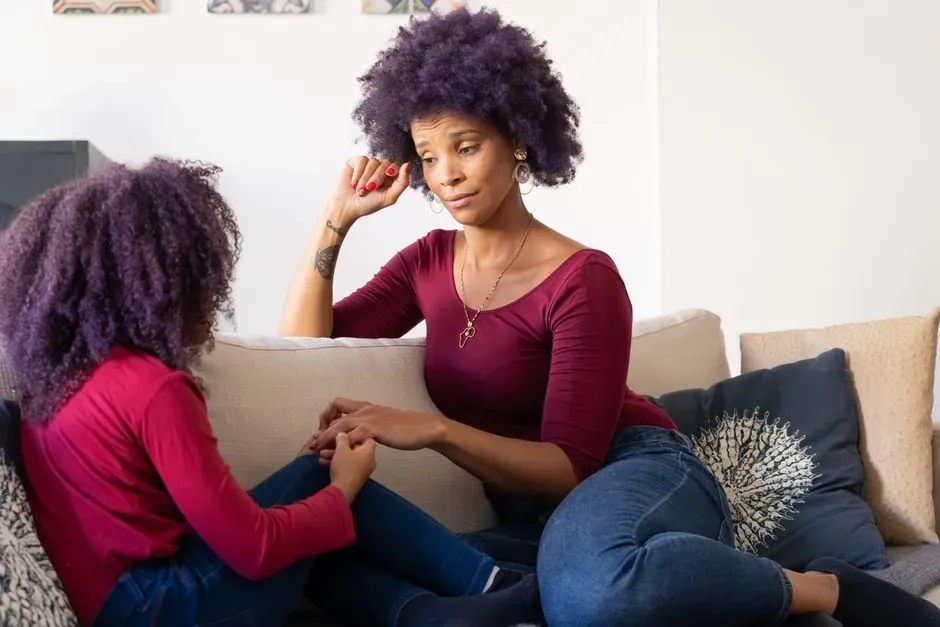
7. "You'll Understand When You're Older" (Image Credits: Pexels)
The phrase "you'll understand when you're older" might postpone vital conversations. Children are naturally curious, eager to grasp the world around them, and this response can make them feel dismissed. More subtly, it teaches children that the current conversation isn't one the parent wants to have, which they often interpret as: the real answer is being hidden from me.
Instead, parents can find age-appropriate ways to explain complex concepts, nurturing intellectual curiosity. This approach respects a child's inquisitiveness, fostering an understanding that grows with age, and engaging with their questions strengthens bonds and builds trust. When dismissal replaces explanation, children don't grow more patient. They grow more skeptical of adult transparency in general.
8. "I Promise" – Said Casually and Often

8. "I Promise" – Said Casually and Often (Image Credits: Pixabay)
The word "promise" carries enormous weight for children. Research on child development consistently shows they take promises seriously and feel the full impact when those promises are broken. Kids who interacted with adults who followed through on what they said they would do waited far longer before giving in to temptation than children who interacted with adults who didn't follow through. The children seemed to be making a decision about how likely that promised future reward actually was.
Going back on your word regularly can sometimes lead to a cascade of behavioral and emotional problems. A young child who has experienced broken promises throughout his life may come to feel that if he can't have what he wants now, he'll never get it. If promises are heedlessly made and easily broken, children learn they don't need to keep to their commitments or be honest about what they will or won't do. When parents treat "I promise" as a conversational filler rather than a binding commitment, children eventually treat it the same way.
None of these phrases make someone a bad parent. Most come from the same place: a genuine wish to smooth things over, calm anxiety, or buy a moment of peace. The issue isn't intent. It's the pattern. Children thrive when they feel respected, emotionally safe, and involved in the process, and these phrase shifts are not just linguistic tweaks but represent a deeper shift in how we view parenting itself. Children are remarkably good at tracking consistency between what adults say and what adults do. When that consistency falters often enough, they don't blame the phrases. They quietly adjust their trust accordingly.