
Some things your parents gave you are easy to see: a love of a certain food, a familiar turn of phrase, maybe a stubbornness that still shows up at the worst possible moments. Other things are quieter and more lasting. The values they planted, whether through direct teaching or simply through how they lived each day, tend to stick in ways that shape everything from how you treat a stranger to how you handle a broken promise.
Values are abstract motivational goals that serve as guides for right and wrong, the desirable and undesirable, and they relate to many important attitudes and behaviors. Childhood is a period of particular importance because it carries higher plasticity and malleability, and by early adulthood, values tend to become relatively stable over time. If the following eleven values feel like a natural part of who you are today, chances are someone did something right when you were growing up.
1. Honesty, Even When It's Uncomfortable

1. Honesty, Even When It's Uncomfortable (Image Credits: Pexels)
Telling the truth when it costs you something is one of the clearest signs of a well-formed character. Being honest requires bravery, and it should be done with empathy and tact. Adults who hold this value don’t just avoid lying out of fear. They choose transparency because they understand that trust, once broken, is genuinely hard to rebuild.
Being open, honest, and forthcoming in personal and professional relationships fosters trust and accountability through clear communication. If you find yourself telling hard truths with care rather than softening everything into meaninglessness, that’s a discipline your upbringing helped shape. It’s rarer than it sounds.
2. Genuine Empathy for Others

2. Genuine Empathy for Others (Image Credits: Pexels)
Empathy, the ability to understand and share the feelings of others, plays a crucial role in building meaningful connections and fostering compassion. This isn’t the same as simply being nice, or nodding along politely. True empathy means pausing long enough to actually consider what another person is experiencing before reacting.
To cultivate empathy, one practices active listening, gives full attention to the person speaking, and tries to understand their perspective without judgment. Parents who modeled this behavior, who actually stopped and listened to their children rather than dismissing their feelings, quietly taught a skill that plays out in every relationship an adult will ever have.
3. Personal Accountability

3. Personal Accountability (Image Credits: Pexels)
Taking ownership of your mistakes, without deflecting, minimizing, or blaming the nearest available person, is something a lot of adults never quite manage. Accountability means taking ownership of your current situation, which may involve admitting to and learning from your mistakes. It sounds simple. In practice, it takes real character.
Being responsible means others can trust you to do things with excellence. You accept accountability for your actions. When you make a mistake, you offer amends instead of excuses. Adults who learned this lesson early tend to earn deeper trust and maintain healthier relationships throughout their lives.
4. Respect for Other People

4. Respect for Other People (Image Credits: Pexels)
Valuing the inherent worth of every individual, treating others as you would want to be treated, and acknowledging differences without prejudice is one of those values that looks obvious on paper but gets tested constantly in real life. It shows up in how you speak to a waitperson, how you disagree with a colleague, and how you treat people who can do nothing for you.
Respect involves valuing others and oneself, and it is central to setting and maintaining healthy boundaries. Children who grew up in homes where everyone was treated with basic dignity, regardless of age or status, tend to carry that standard forward automatically. It becomes a baseline, not an effort.
5. A Strong Sense of Integrity

5. A Strong Sense of Integrity (Image Credits: Pexels)
Integrity, the adherence to moral and ethical principles, lies at the foundation of human behavior. It’s the quality that keeps you consistent when no one is watching. An adult with intact integrity doesn’t need external enforcement to behave well. Their inner compass does that work quietly and reliably.
To act out of alignment with your values, to gossip when you prize honesty or chase approval when you value authenticity, carries a psychic cost. Each breach leaves a quiet trace of dissonance that accumulates over time. Parents who lived with integrity, who followed through on what they said, who behaved the same in public and in private, gave their children an invaluable template.
6. Kindness as a Default

6. Kindness as a Default (Image Credits: Unsplash)
Kindness that’s deeply held is different from politeness. Politeness can be performed. Kindness is showing you care and doing some good to make life better for others. It means being thoughtful about people’s needs and showing love and compassion to someone who is sad or needs help. Adults who operate from this place tend to create environments where other people feel genuinely safe.
Parenting styles characterized by warmth were found to benefit greater self-esteem and benevolence values in children who then carried those qualities forward into adult life. There’s a direct line between a warm home and a kind adult. Not a guaranteed one, but a clear and well-documented one.
7. The Willingness to Forgive
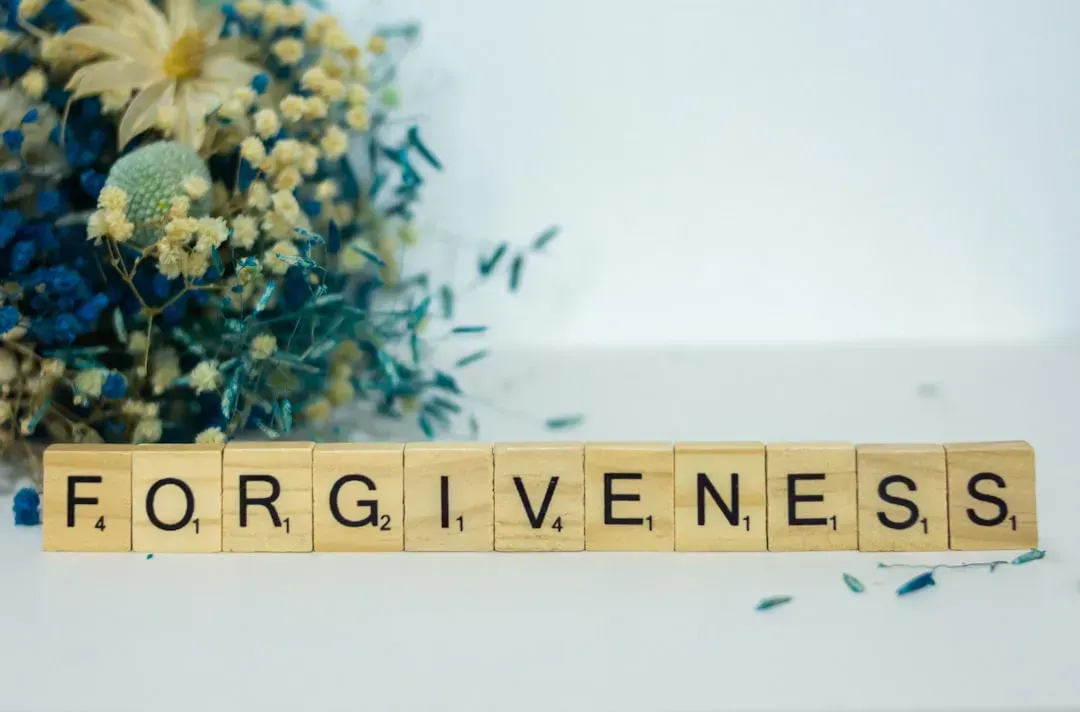
7. The Willingness to Forgive (Image Credits: Unsplash)
Holding onto resentment is easy. Forgiveness, on the other hand, requires something more deliberate. Adults who can forgive, not necessarily forget, but genuinely release the grip of old grievances, tend to move through life with less unnecessary weight. Resilience involves adapting to adversity while growing, and it is described as a core strength in recovery and post-traumatic growth.
Forgiveness was often modeled in functional homes, sometimes without being named directly. Parents who worked through conflict visibly and moved on without weaponizing the past showed their children that relationships can survive difficulty. That lesson, absorbed over years, quietly rewires how adults respond to being hurt.
8. Gratitude as a Genuine Practice
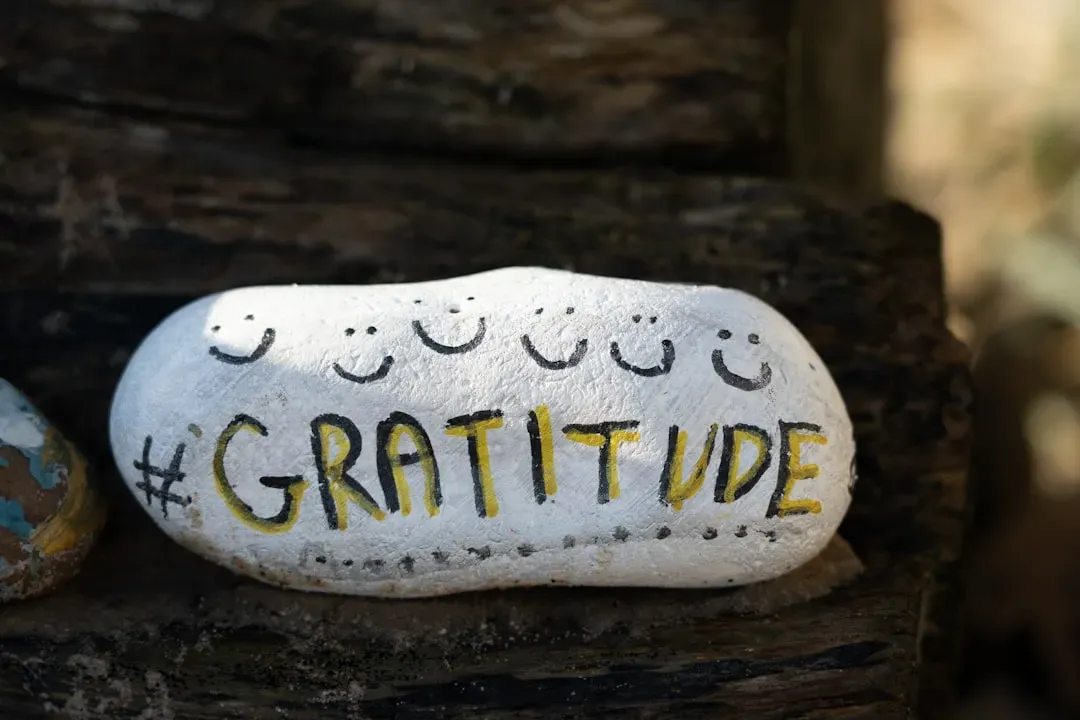
8. Gratitude as a Genuine Practice (Image Credits: Unsplash)
Gratitude is the act of appreciating what you have. It’s also one of the most well-researched contributors to personal well-being. Adults who actively notice what’s good in their lives, rather than fixating exclusively on what’s missing, tend to report higher life satisfaction and stronger relationships.
There is evidence indicating that the best predictor for adult life satisfaction is subjective well-being and emotional health during childhood. A home where appreciation was expressed out loud, where small good things were acknowledged rather than taken for granted, plants seeds that keep growing long after a child leaves that home.
9. A Commitment to Hard Work

9. A Commitment to Hard Work (Image Credits: Unsplash)
This one isn’t about being a workaholic or tying your identity entirely to productivity. It’s about respecting effort, following through on commitments, and understanding that most worthwhile things require sustained attention. Hard work is important because it leads to achievement and personal growth. Adults who value the process, not just the outcome, bring a different quality to everything they take on.
Children who have learned to think independently, make decisions confidently, and take initiative are more likely to become effective leaders in their future professions. The foundation of that confidence is often a work ethic developed early, in a household where effort was praised and quitting without good reason was not quietly celebrated.
10. Loyalty to the People Who Matter

10. Loyalty to the People Who Matter (Image Credits: Pexels)
Loyalty means staying true to someone. It is standing up for something you believe in without wavering. It is being faithful to your family, friends, or ideals, when the going gets tough as well as when things are good. In a world that moves fast and offers constant opportunities to drift toward whoever seems most useful in the moment, loyalty is genuinely countercultural.
Everyone appreciates loyalty, whether from an employee, a friend, or a partner. If you’re loyal, you support others through thick and thin. People raised in homes where commitment meant something, where parents stood by each other and by their children through hard seasons, tend to understand loyalty not as a burden but as a form of love.
11. A Desire to Keep Growing

11. A Desire to Keep Growing (Image Credits: Unsplash)
Lifelong learning refers to the commitment to continuous personal growth, intellectual curiosity, and acquiring knowledge and skills throughout life. Adults who were encouraged to ask questions as children, who grew up in homes where curiosity was welcomed rather than shut down, tend to carry that open orientation forward naturally. They stay interested. They stay teachable.
Understanding and striving to embody our values encourages continuous personal development. It pushes us to improve and evolve in ways that are meaningful and fulfilling. The desire to grow isn’t just about career advancement or collecting new skills. It’s a fundamental orientation toward life: the belief that there’s always something worth learning, something worth becoming. That belief, at its root, is often a gift.
None of these values exist in isolation, and few people hold all eleven perfectly. What matters is that they feel like yours, like something internal rather than performed. If they do, take a moment to consider where they came from. Someone, somewhere in your past, helped put them there.