
Most parents would never ask for it outright. They’ll hold the door, remember the birthdays, answer the phone on the second ring – and quietly hope that someone notices. The emotional needs of parents are genuinely well-documented in research, yet they remain one of the most under-discussed topics in family life.
Most days, being a parent can feel like the most thankless job in the world. Parents work tirelessly and pour their heart and soul into giving their children everything, yet it is rare to even get a simple acknowledgment of what they’ve done. These eleven phrases cost nothing to say, but the research suggests they mean more than most children realize.
1. "Thank You – and I Mean It"

1. "Thank You – and I Mean It" (Image Credits: Unsplash)
A study published in The Journal of Positive Psychology examined whether hearing “thank you” was linked to positive outcomes, including improved relationships and less parenting stress. The results were clear: gratitude from children, both older and younger, is linked to lower parenting stress – and this effect appears to be especially strong when the gratitude comes from older children.
Gratitude from children helps parents feel less stressed, more appreciated, and happier overall, simply because it shows that the child cares. Gratitude can reduce stress for parents by providing a sense of affirmation. A heartfelt thank-you, offered without a specific occasion, tends to land the hardest and stay the longest.
2. "I'm Proud of You, Too"
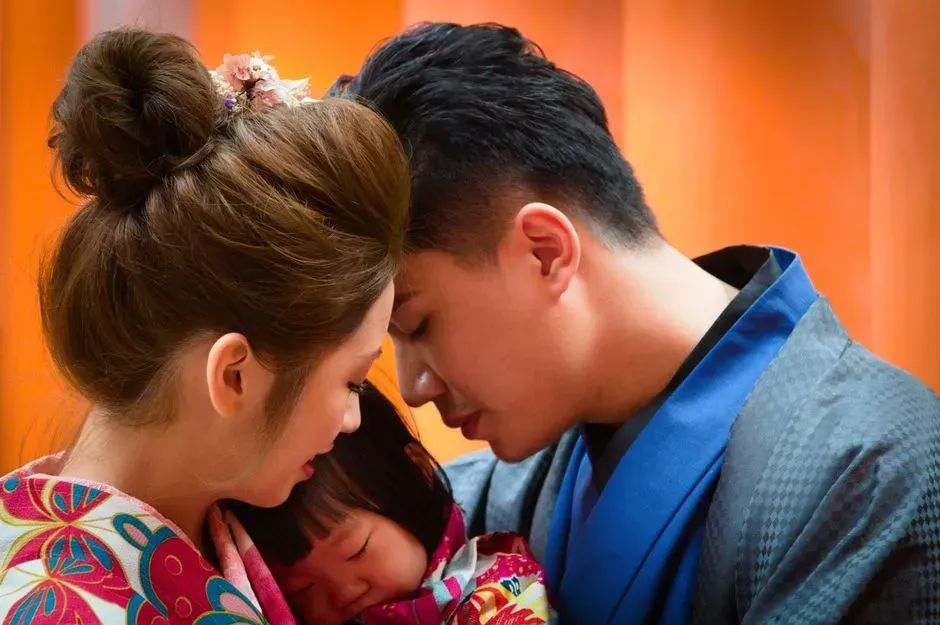
2. "I'm Proud of You, Too" (Image Credits: Pexels)
Parents spend years telling their children they’re proud of them. The phrase flows easily in one direction. What rarely gets said is the reverse – that a child looks at their parent’s life, their sacrifices, their quiet persistence, and feels genuine admiration. When parents feel acknowledged, they’re often more motivated and engaged in their role, which can lead to happier interactions and a more fulfilling family environment.
This phrase matters because it reframes the relationship. It moves the child from passive recipient to someone who genuinely sees their parent as a person with a story worth recognizing. That shift, small as it sounds, can completely change the emotional texture of a family dynamic.
3. "I Know You Did Your Best"
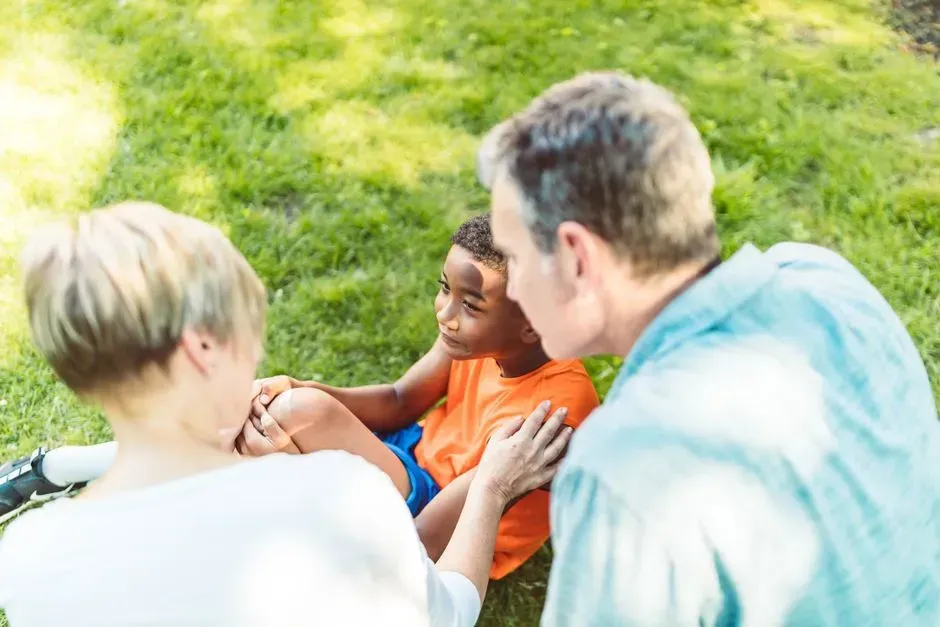
3. "I Know You Did Your Best" (Image Credits: Pexels)
No parent gets everything right. Most carry a quiet weight of guilt over decisions they made, opportunities they missed, or moments they didn’t handle well. Children often don’t realize how much their parents second-guess themselves, even years after the fact. When someone responds with empathy instead of criticism, they create a safe environment for the other person to express vulnerability – and acknowledging that mistakes are opportunities to learn can be deeply reassuring.
Forgiving imperfection in a parent isn’t about excusing genuine harm. It’s about recognizing that most parents operate under real constraints – time, money, their own unresolved histories – and that “doing your best” is often exactly what they were doing, even when the outcome looked messy. Saying so out loud can release tension that both sides have been carrying for years.
4. "Tell Me About When You Were Young"

4. "Tell Me About When You Were Young" (Image Credits: Unsplash)
Parents are full of stories that never get asked for. Decades of experience, failure, reinvention, and joy sit largely untold because children rarely think to inquire. In a beneficial communication environment, both parents and children share opinions and perspectives, and parents feel encouraged to explain their experiences and reasoning. That dynamic works in both directions – when children show curiosity about their parent’s past, it signals genuine interest in who that person actually is.
There’s also something quietly healing about being asked. It tells a parent that their life story has value, that it’s interesting, that they’re more than a function. Interpersonal communication within a family that expresses feelings, thoughts, and values means the family as a whole is better able to deal with problems and developmental demands. That kind of depth doesn’t happen without someone asking the first question.
5. "I Notice How Hard You Work"
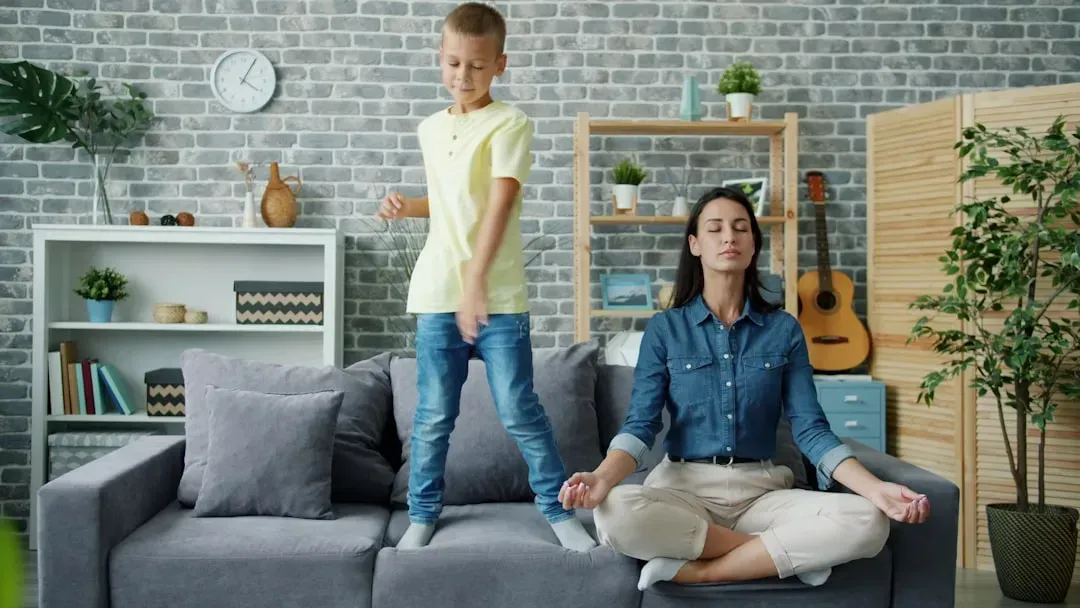
5. "I Notice How Hard You Work" (Image Credits: Unsplash)
A national survey found that a broad majority of parents experience isolation, loneliness, and burnout from the demands of parenthood, with many feeling a lack of support in fulfilling that role. Much of that burnout is invisible – the mental load, the logistics, the financial planning that happens quietly in the background. Children rarely see the full picture of what keeps a household running.
When a child acknowledges that effort, something real shifts. Knowing that their efforts are appreciated can alleviate feelings of overwhelm and exhaustion, fostering a more positive outlook on parenting. It doesn’t require a grand gesture. Just noticing, and saying so, is enough to make a significant difference in how a parent feels about their day.
6. "I'm Sorry"

6. "I'm Sorry" (Image Credits: Pexels)
Children apologize reluctantly, often only when pressed. Yet parents – like everyone else – absorb the sharp edges of conflict, the dismissive remarks, the eye rolls, and the arguments that end without resolution. Respectful dialogue, even during disagreements, shows children how to remain calm, listen actively, and respond thoughtfully in stressful situations. But that dialogue requires both sides to participate honestly.
An unprompted apology from a child carries unusual weight. It signals self-awareness and emotional maturity, and it gives parents permission to let go of tension they’ve been quietly holding. Trust is a major outcome of open communication, and when family members are honest and consistent with each other, it builds a bridge that ensures people can turn to one another for support, even in difficult moments.
7. "I'd Love to Spend Some Time with You"

7. "I'd Love to Spend Some Time with You" (Image Credits: Unsplash)
According to an Ohio State University Wexner Medical Center survey of 265 parents, as many as two thirds of parents say they “sometimes” or “frequently” feel isolated and lonely. That loneliness doesn’t always disappear when children are in the same house. It persists when contact is functional rather than relational – when conversation stays on logistics and never gets personal.
Staying in touch helps parents and adult children feel connected, which supports their overall emotional well-being. Often, grown children don’t realize how valuable that connection time can be to them as well. Inviting a parent into your time – not because of an obligation or a holiday, but just because you want to – is something most parents would treasure far more than they’d ever admit.
8. "Your Opinion Matters to Me"
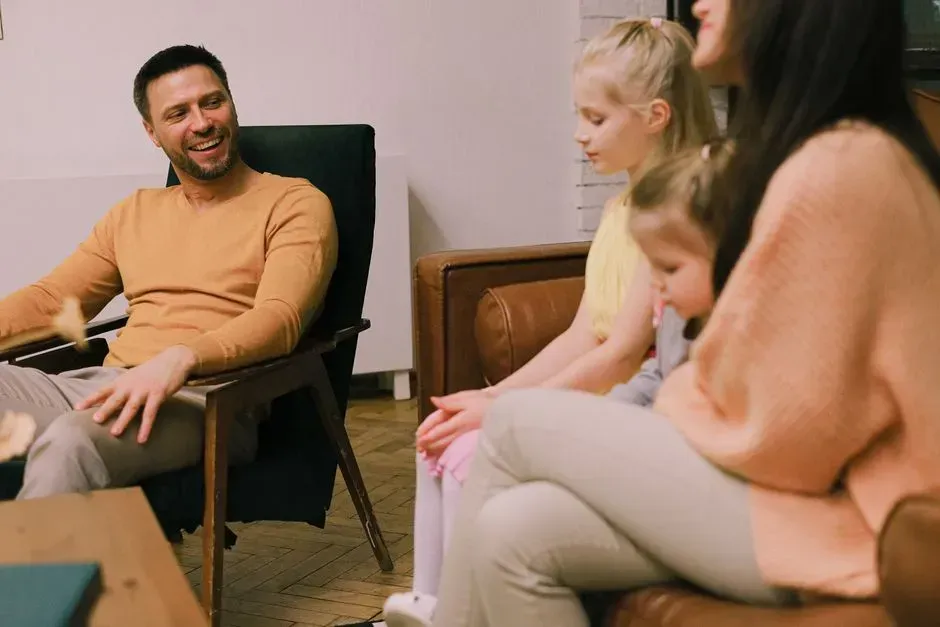
8. "Your Opinion Matters to Me" (Image Credits: Pexels)
As children grow into teenagers and adults, parental advice often starts to feel like interference. The relationship shifts, autonomy increases, and asking a parent’s opinion can feel like admitting you don’t have everything figured out. As children grow, communication needs to adapt – and during adolescence and beyond, the challenge is to foster dialogue that respects growing autonomy while still providing mutual support.
Still, parents rarely stop wanting to be consulted. It’s not about control. It’s about feeling relevant. Telling a parent that their perspective genuinely counts – and then actually listening – gives them something that’s harder to define than advice but more valuable: the feeling of still mattering in your child’s life.
9. "I See You as a Person, Not Just My Parent"
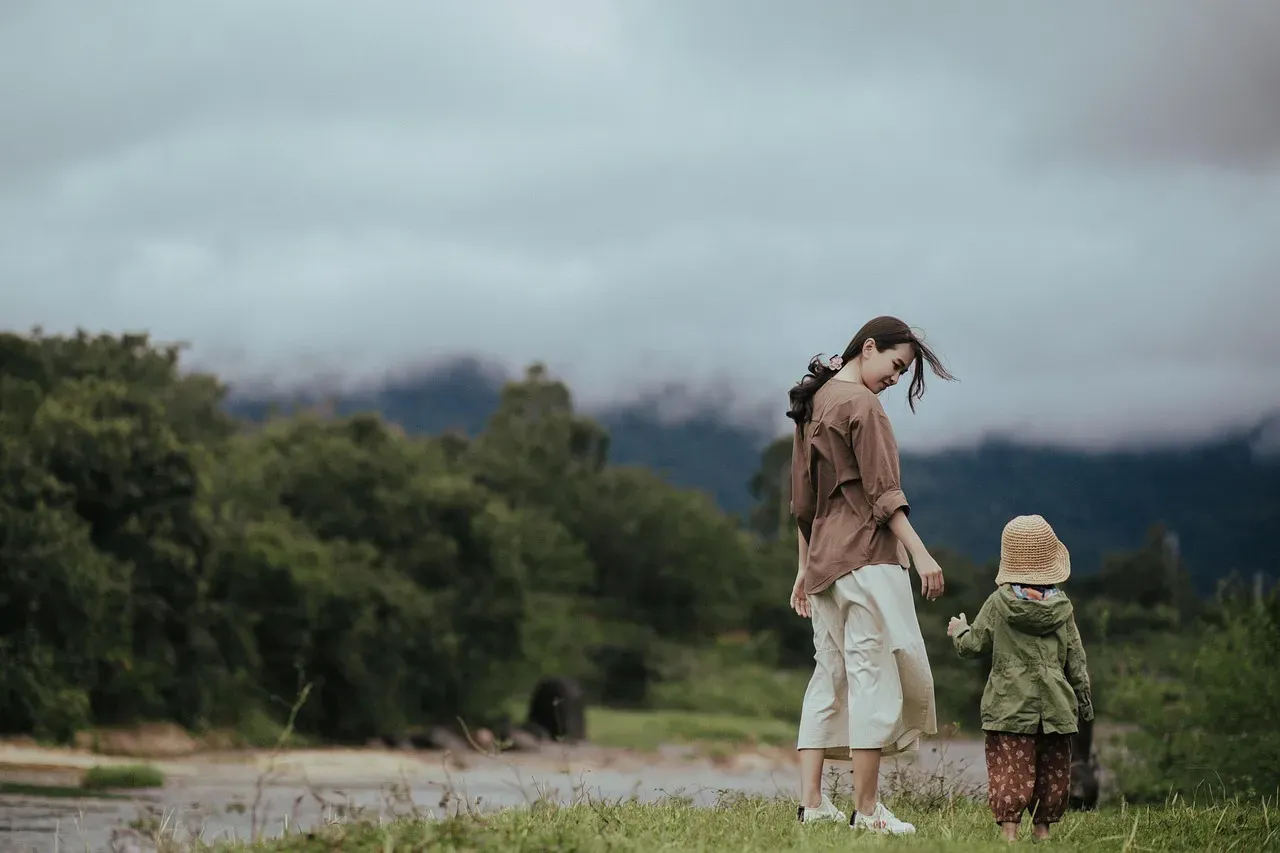
9. "I See You as a Person, Not Just My Parent" (Image Credits: Pixabay)
Parents spend so many years defined by their role that their identity outside of it can quietly fade – especially in their children’s eyes. They have fears, ambitions, regrets, and passions that exist entirely apart from their parenting. The empty nest period – when children have left home and parents are no longer engaged in daily childrearing – is becoming an increasingly common experience, and research examines its significant psychological consequences on well-being.
While some parents experience reduced well-being during this phase due to role loss, others benefit from increased social engagement and relief from constant demands. A child acknowledging their parent’s full humanity – their interests, their friendships, their inner world – can meaningfully ease that transition and make the later years of the relationship feel genuinely reciprocal.
10. "Thank You for Staying"
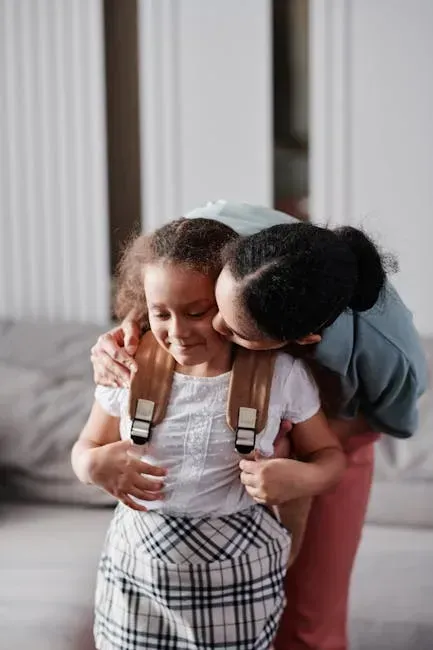
10. "Thank You for Staying" (Image Credits: Pexels)
Parenting through difficulty is rarely celebrated. Staying present during a child’s hardest years, through conflict and distance and the grinding uncertainty of adolescence, is demanding in ways that only become visible in hindsight. Research shows that parents play an important role in their child’s health, and parent-based involvement has been shown to be effective at reducing adolescent risk-taking and improving healthy decision-making. That consistent presence has real, measurable consequences – but it rarely comes with recognition.
Research across multiple studies confirms that parent-child communication quality is linked to adolescent mental health, and that the quality of that relationship is of therapeutic relevance especially in the most difficult periods. Telling a parent that their decision to stay engaged, to keep trying, made a difference – that’s the kind of acknowledgment that can reframe an entire relationship.
11. "I Love You – Without a Reason"
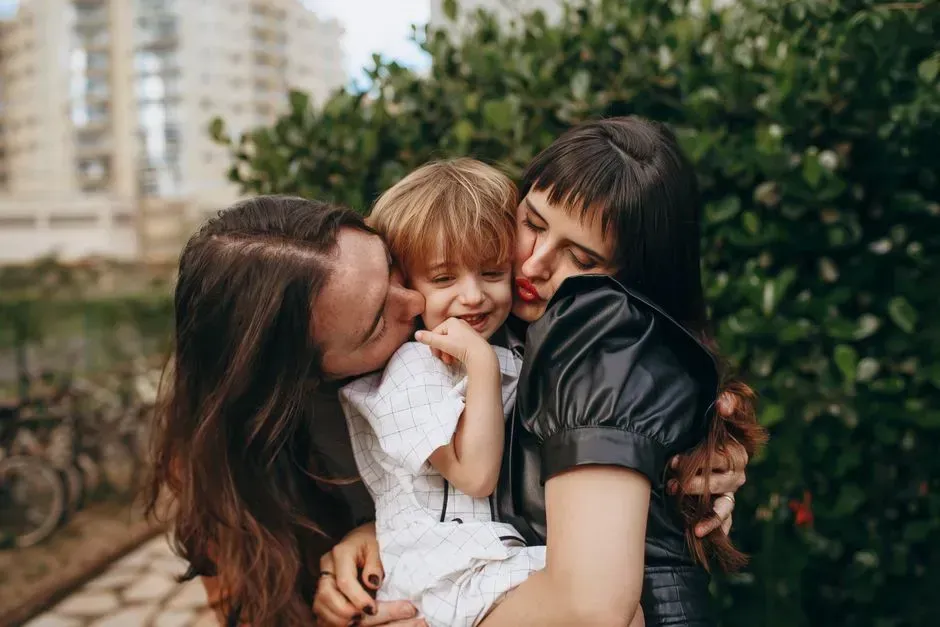
11. "I Love You – Without a Reason" (Image Credits: Pexels)
Children’s gratitude and warmth are higher when parents model affection, and when a more secure parent-child attachment is in place. The relationship runs deeply in both directions, but affection expressed by children toward parents is often reserved for departures, phone calls, or moments of crisis. Saying it spontaneously, in a quiet ordinary moment, lands differently.
Gratitude and warmth create a positive feedback loop, benefiting both children and parents by fostering a culture of appreciation and emotional connection. Parents rarely ask for love unprompted – the role doesn’t lend itself to that kind of request. Which is exactly why, when it happens without a prompt, without a greeting card occasion, it means the most. Some things are better said too often than not enough.
Most parents will never sit their child down and ask for any of the phrases above. That’s not how it works, and they know it. The asking would change the meaning entirely. What they’re quietly hoping for is that their child arrives at these words on their own – because they looked, and noticed, and decided that saying something was better than leaving it unsaid.