
There’s a certain comfort in familiarity, especially when it comes to the home you’ve built over decades. A sofa you’ve had since your kids were teenagers, a cabinet full of serving dishes used maybe twice, a wall lined with photo frames that haven’t been rearranged since 2003. It all feels like home. The problem is that holding onto the wrong things doesn’t just create clutter – it quietly drains the energy from your space.
Interior designers who work with clients in their fifties and beyond consistently flag a specific set of items that overstay their welcome. These aren’t things to feel guilty about keeping for so long. They’re simply things that no longer serve the life you’re actually living right now. Here’s what the pros say it’s finally time to let go of.
1. The Oversized, Overstuffed Sofa
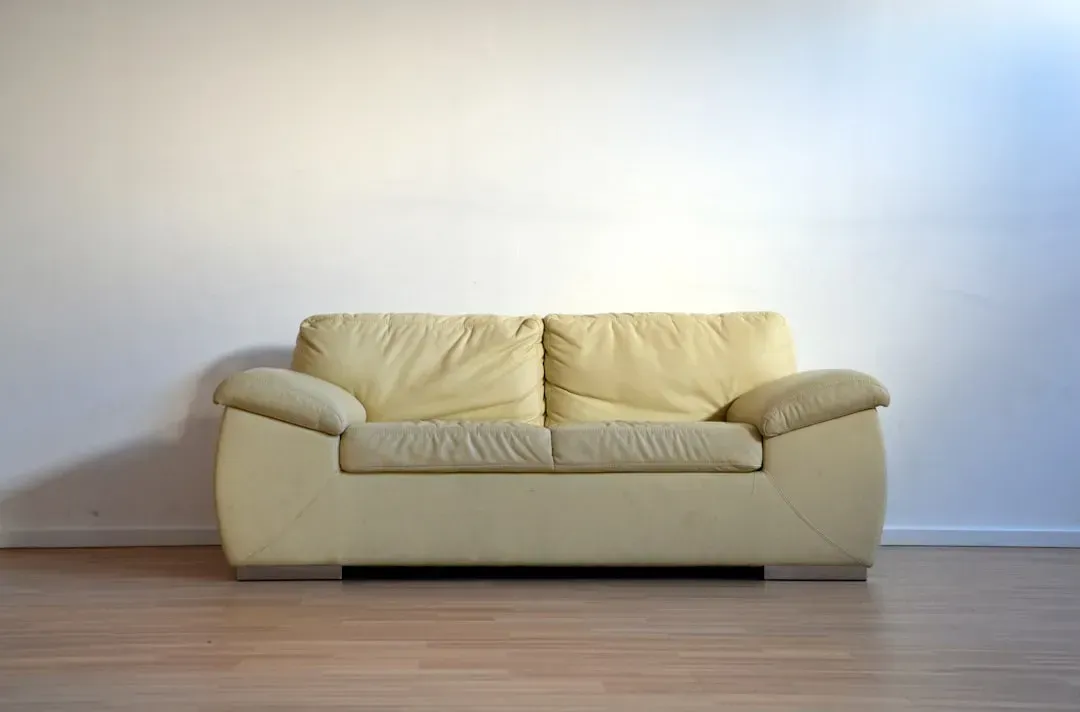
1. The Oversized, Overstuffed Sofa (Image Credits: Unsplash)
That cloud-like sectional might have felt like a smart investment when the whole family needed seating, but interior designers are increasingly steering clients away from furniture that dominates a room without improving how it feels to live in. Oversized sofas cut off traffic flow, make smaller rooms feel cramped, and often become the catch-all for everything from laundry to forgotten mail. The sheer scale that once felt generous now just feels heavy.
A more proportionate sofa with clean lines does more for a space than one that fills every inch of the room. Designers suggest doing a genuine comfort test before committing to any large upholstered piece, noting that oversized statement sofas that look photogenic but are genuinely uncomfortable have run their course. What you actually need after 50 is seating that’s supportive, well-scaled, and easy to get out of.
2. Matching Bedroom Furniture Sets
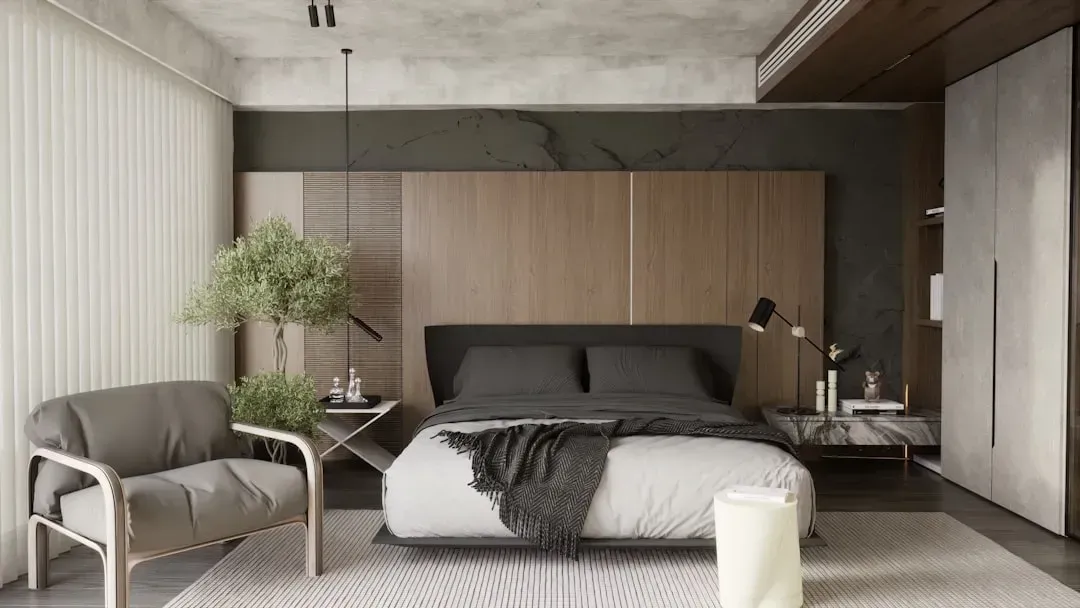
2. Matching Bedroom Furniture Sets (Image Credits: Unsplash)
Buying a complete bedroom suite from the same collection felt like the responsible, grown-up thing to do for decades. The headboard, the dressers, the nightstands – all perfectly matched, all purchased on the same Saturday afternoon. Interior designers now consider this approach one of the surest ways to make a bedroom feel more like a hotel showroom than a personal retreat.
Designers encourage letting the matchy-matchy approach go entirely, noting that mixing tones and finishes creates depth and feels far more natural and layered. A vintage nightstand next to a contemporary bed tells a story. A room where every piece was purchased as a unit tells almost nothing at all.
3. The Formal Dining Room Nobody Uses
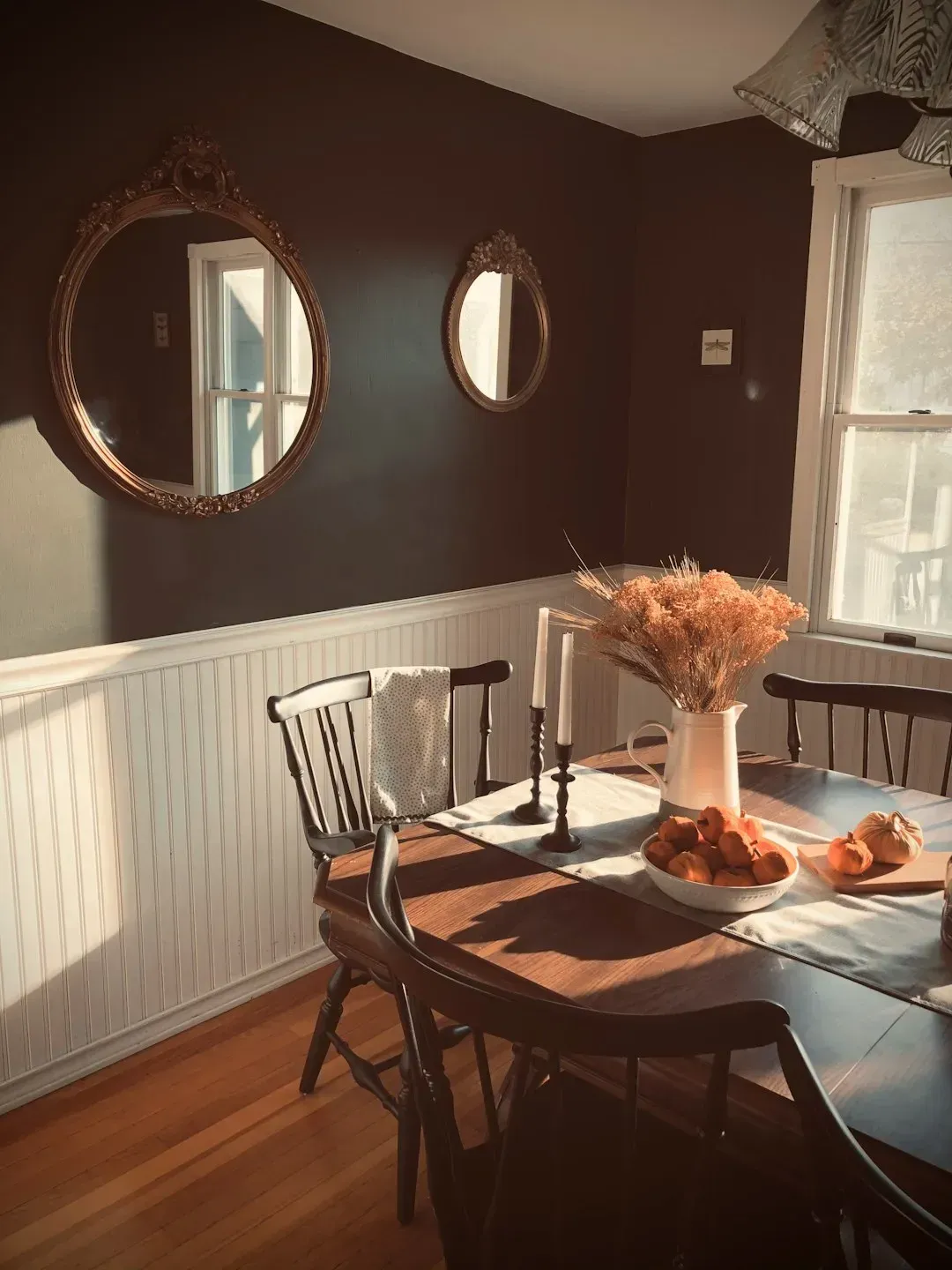
3. The Formal Dining Room Nobody Uses (Image Credits: Unsplash)
If your formal dining room only sees real use at Thanksgiving and perhaps one or two other occasions per year, it’s worth asking whether that space is genuinely working for you. Many homeowners over 50 dedicate an entire room to a version of entertaining they no longer practice regularly, while simultaneously wishing they had a quiet reading room, a home office, or just a calm extra space to breathe.
The idea of the formal dining room as a status symbol has faded considerably in contemporary design thinking. Designers increasingly recommend repurposing these underused rooms into multi-functional spaces that reflect current daily life. A round table in the kitchen and comfortable seating in a repurposed dining space often serves real life far better than a table set for twelve that nobody sits at.
4. Word and Letter Signs
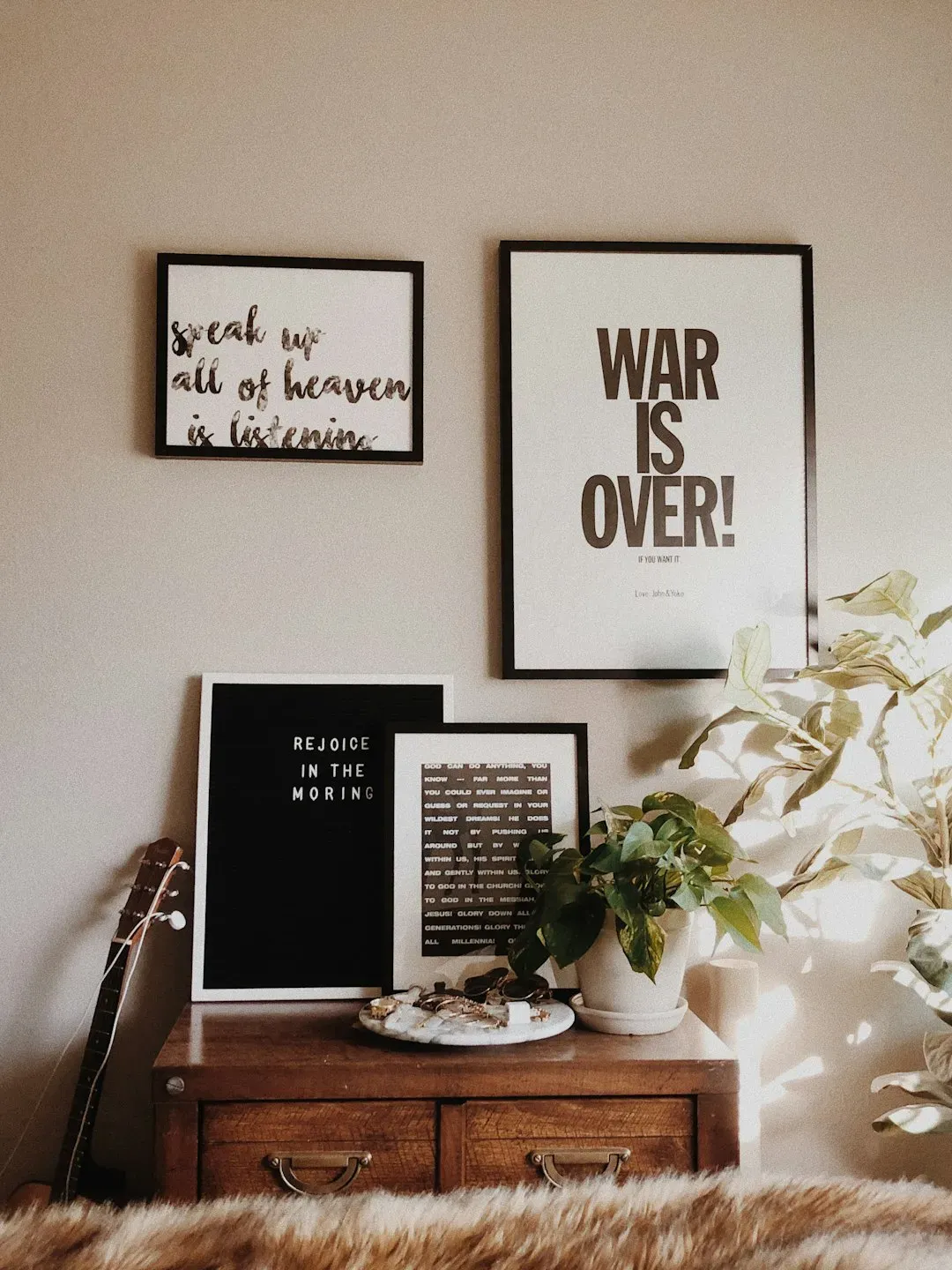
4. Word and Letter Signs (Image Credits: Unsplash)
“Live, Laugh, Love” became the shorthand punchline for a certain era of home decor, but the impulse behind word signs hasn’t entirely gone away. Variations are still sitting in living rooms and kitchens everywhere – signs that say “Gather,” “Home,” “Family,” or “Blessed,” usually in distressed wood or script metal. Interior designers flag these almost universally as pieces that add noise without adding meaning.
The walls of a home should reflect actual personality, not retail slogans. A framed piece of original art, even something modest and inexpensive, communicates far more about the person who lives there than a sign purchased at a home goods store. After 50, the ability to curate a home around genuinely personal meaning rather than mass-market sentiment is something worth acting on.
5. Plastic Storage Bins Everywhere
5. Plastic Storage Bins Everywhere (Image Credits: Pexels)
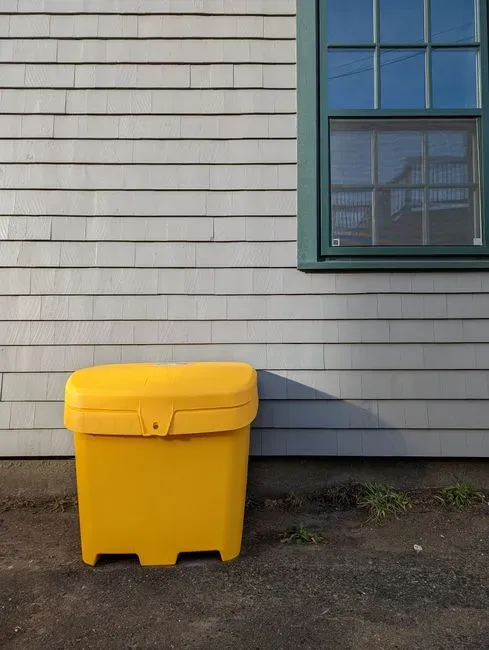
Plastic bins multiplied in many homes during the organization trend boom of the early 2000s, and a lot of them are still there – in closets, in garages, in spare bedrooms, stacked in ways that technically organize things but visually create chaos. The issue isn’t just aesthetics. Many of those bins are now filled with things that were put away without a second thought and never retrieved.
Flimsy plastic bins are considered out in 2026, with homes moving toward organizers crafted from sustainable materials instead. Natural materials like bamboo, rattan, and woven baskets feel warmer, last longer, and look intentional rather than purely functional – it’s about storage that blends with decor rather than fights against it. The shift is also a good prompt to actually open those bins and decide what’s really worth keeping.
6. Collections That Have Outgrown Their Purpose
6. Collections That Have Outgrown Their Purpose (Image Credits: Unsplash)
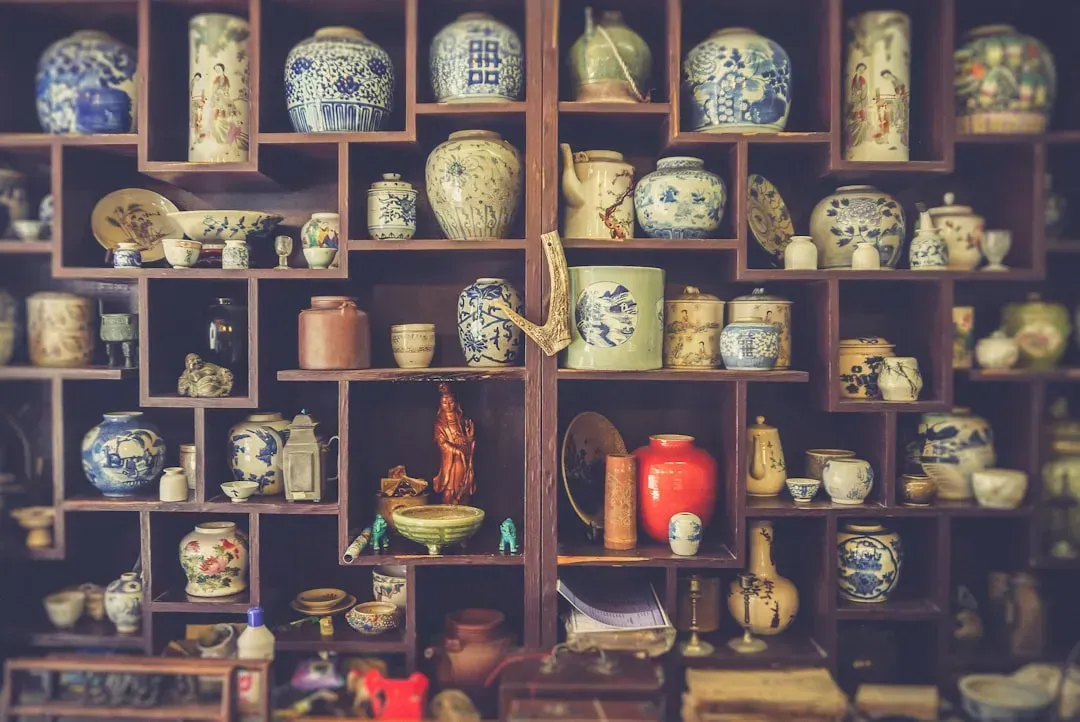
Collecting things is a perfectly human impulse. Figurines, plates, decorative bottles, vintage salt shakers – these collections often started with genuine enthusiasm. Over time, though, many of them become something closer to an obligation, something you keep dusting and displaying because you always have rather than because it still brings you joy.
Interior designers working with clients in this life stage often identify collections as one of the biggest contributors to visual clutter. The question isn’t whether the collection was ever meaningful – it probably was. The question is whether it still is. Keeping the three or four pieces that genuinely matter and letting the rest go almost always results in a display that actually gets seen instead of one that quietly fades into background noise.
7. Heavy, Light-Blocking Window Treatments
7. Heavy, Light-Blocking Window Treatments (Krisztina.Konczos, Flickr, <a href="https://creativecommons.org/licenses/by-sa/2.0/" target="_blank" rel="noopener">CC BY-SA 2.0</a>)
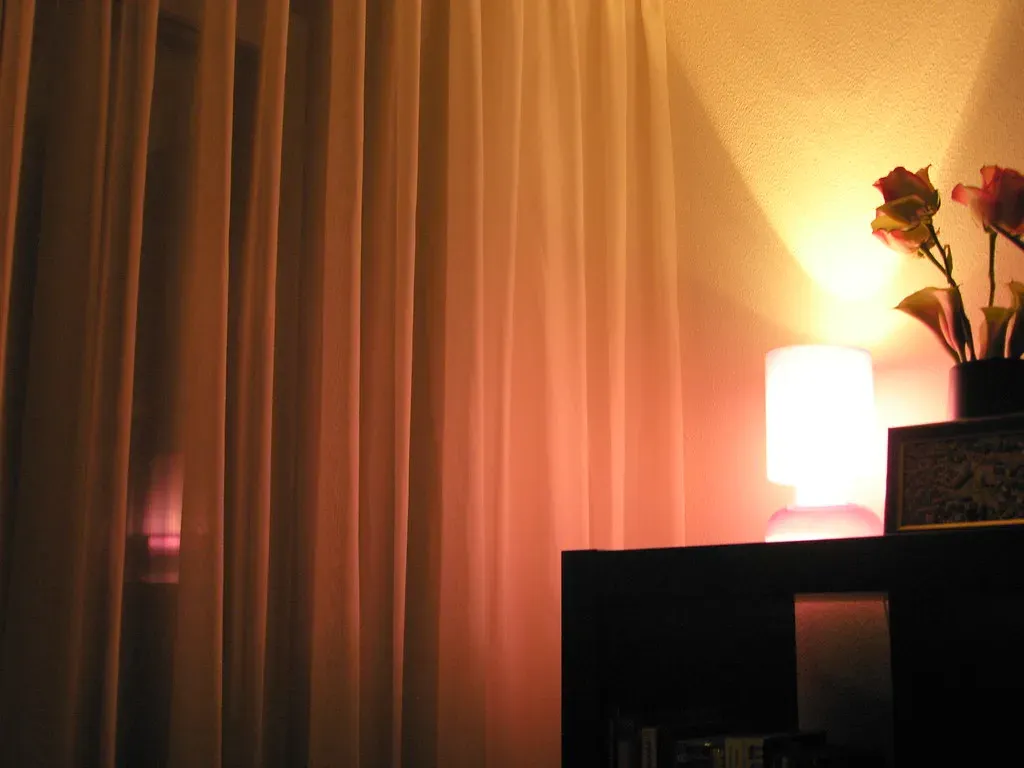
Thick drapes in dark fabrics were once considered the mark of an elegant, well-appointed room. They also tend to block natural light, trap dust, and make spaces feel smaller and more closed-off than they need to be. Natural light is one of the most powerful tools in any well-designed home, and heavy curtains work directly against it.
Designers consistently recommend lighter window treatments after midlife, particularly as good natural light becomes increasingly important for mood and energy. Linen drapes, woven shades, or simple panels in neutral tones let light in while still offering privacy and warmth. The rooms that feel most alive in homes over 50 are almost always the ones that let the outside in rather than shut it out.
8. Uncomfortable "Decorative" Chairs
8. Uncomfortable "Decorative" Chairs (Image Credits: Pexels)
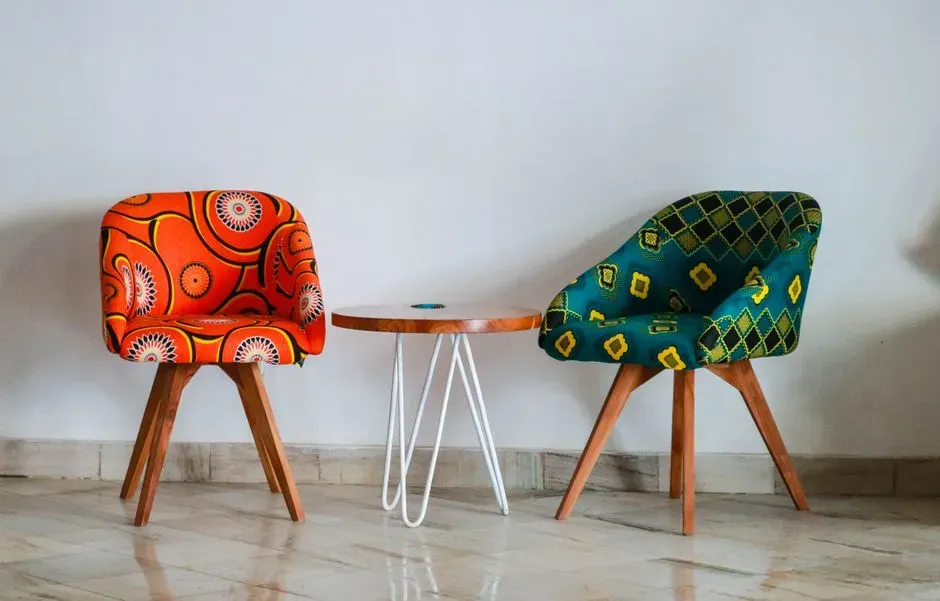
Every home seems to have at least one chair that exists primarily to look good in a corner. It’s beautifully upholstered, positioned just right, and nobody ever actually sits in it. Sometimes it holds a decorative pillow. Sometimes a throw blanket. Mostly it just takes up space and collects dust while the actual seating in the room gets overcrowded.
A chair that can’t be comfortably used is simply a sculpture that didn’t quite work out. After 50, comfort and usability deserve to be non-negotiable factors in furniture choices rather than afterthoughts. Replacing a purely decorative chair with something that’s both visually considered and genuinely pleasant to sit in is one of the more immediate improvements a designer can suggest for a living space.
9. Matchy-Matchy Gallery Walls
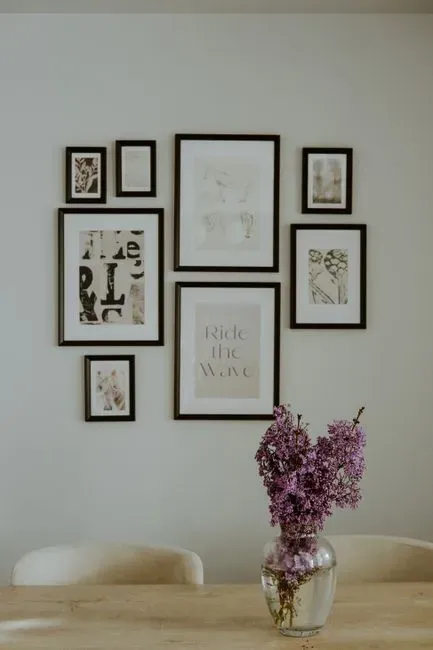
9. Matchy-Matchy Gallery Walls (Image Credits: Pexels)
The grid gallery wall – rows of matching frames, uniform sizes, evenly spaced – became almost ubiquitous in the 2010s. It’s tidy, it’s inoffensive, and it’s also, by most designers’ current assessments, a way of filling a wall without really saying anything. When faced with a large blank wall, many people reach for a set of matching frames and call it a day – three by three, each one matching, filling the space neatly and orderly.
The problem is that uniformity can erase individuality. A wall that mixes frame sizes, finishes, and image types – family photos alongside a print you love alongside something found at a flea market – reflects a real life. At this stage, your walls should show some of the texture of who you actually are, not just demonstrate that you know how to use a measuring tape.
10. The Guest Room That Exists Just in Case
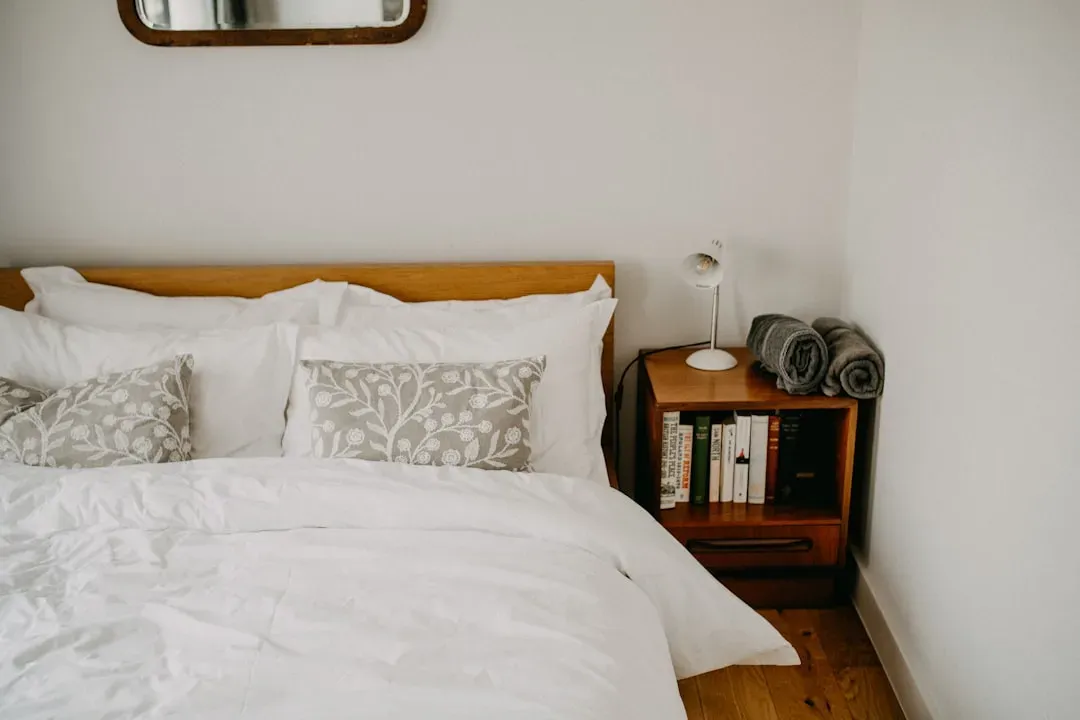
10. The Guest Room That Exists Just in Case (Image Credits: Unsplash)
Many homeowners over 50 maintain a dedicated guest room that sits empty for roughly eleven months of the year. The intention is generous and the impulse is understandable. But an entire room committed to occasional visitors often means giving up space that could meaningfully improve everyday life for the people who actually live there.
Designers frequently recommend reimagining this space as something genuinely useful – a reading room, a creative studio, a proper home office, or a calm retreat that still folds out for guests when needed. A daybed or a quality sleeper sofa handles the occasional visitor just as well. The shift from “just in case” rooms to purposeful ones is one of the more meaningful changes possible after the kids have grown and moved out.
11. Outdated Overhead Lighting Fixtures
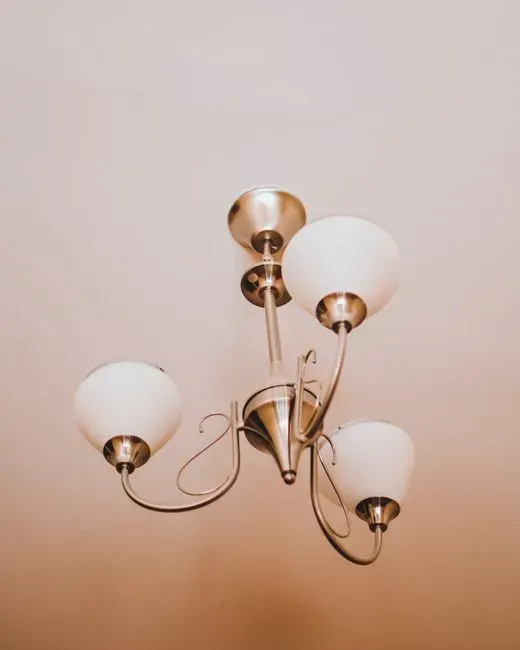
11. Outdated Overhead Lighting Fixtures (Image Credits: Pexels)
The basic ceiling fixture that came with the house and was never updated is one of the most overlooked contributors to a flat, uninviting atmosphere in a room. A single overhead light source produces unflattering, even light that flattens everything below it. It’s the lighting equivalent of a fluorescent tube in a space that deserves something warmer and more considered.
Designers often describe layered lighting – a combination of ambient, task, and accent sources – as one of the highest-return improvements in any home. Replacing a dated ceiling fixture with something better scaled for the room, and adding floor lamps or table lamps to create warmth and dimension, changes the entire feeling of a space for relatively modest cost. This is especially true in living rooms and bedrooms where the quality of light directly shapes how comfortable a room feels to spend time in.
12. Decades-Old Mattresses and Bedding
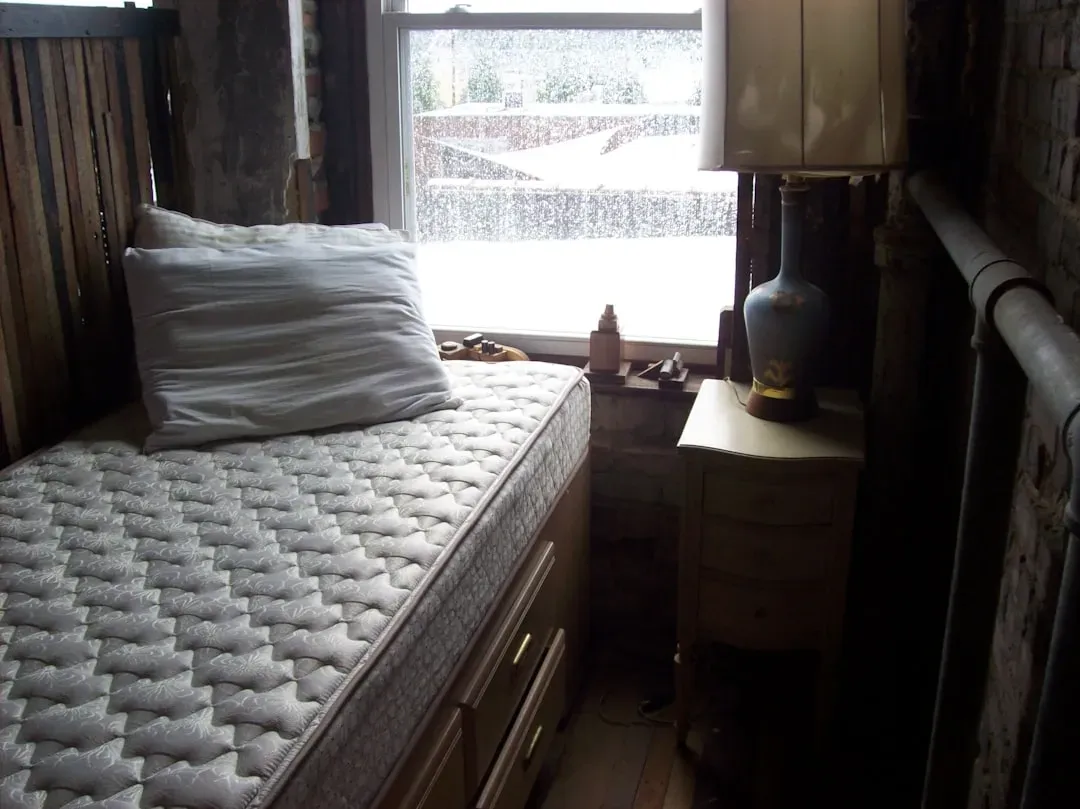
12. Decades-Old Mattresses and Bedding (Image Credits: Unsplash)
Sleep quality becomes increasingly important with age, and yet the mattress is one of the items people hold onto longest, often well past the point where it’s still doing its job. Most sleep health guidelines suggest replacing a mattress every seven to ten years, but many households have mattresses that are considerably older than that, often with bedding to match.
Interior designers who also think about whole-home wellness consistently point to the bedroom as an area where investment pays back directly in quality of life. Outdated, sagging mattresses and worn synthetic bedding affect sleep in ways that are felt every single morning. Replacing both with something better suited to current needs – and personal temperature preferences, which often shift after 50 – is rarely regretted.
13. Knick-Knacks and Surface Clutter
13. Knick-Knacks and Surface Clutter (Image Credits: Unsplash)
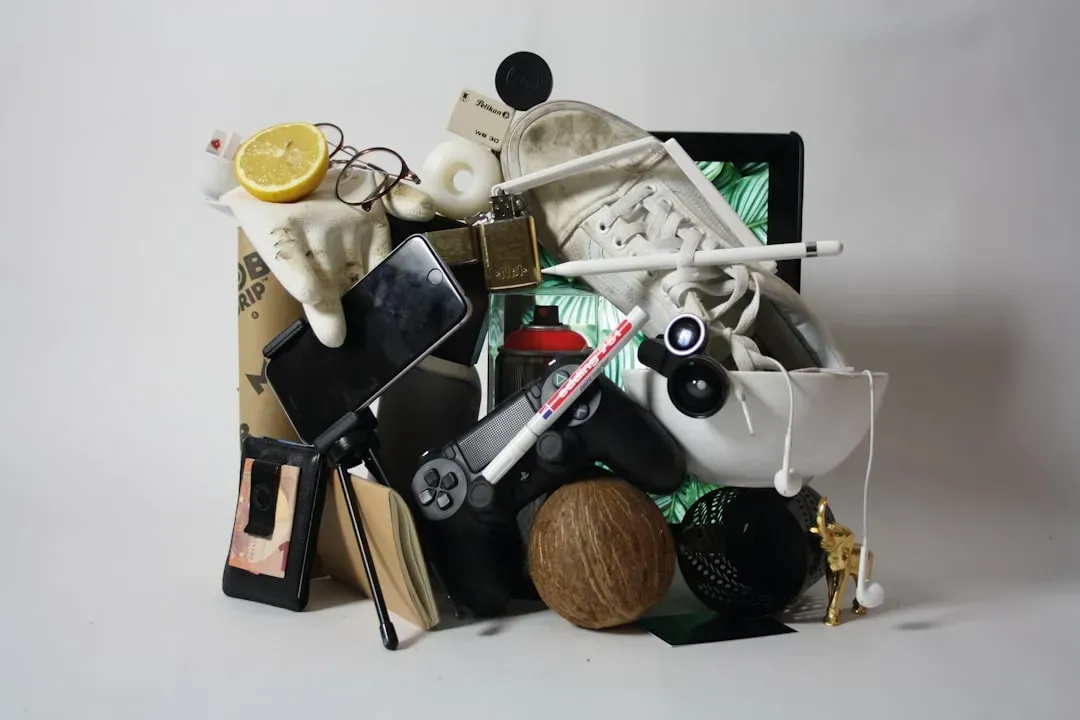
Surfaces – mantels, side tables, windowsills, shelves – accumulate objects over decades in a way that can be almost invisible until a guest points it out. Small decorative items, trinkets, souvenir pieces, and gifts that felt rude to throw away gradually layer up until the room starts to feel busier and harder to clean than it should. Designers sometimes call this “visual noise,” and it’s one of the most common issues they encounter in homes where the occupants have lived for a long time.
Editing surfaces down to a few deliberate, meaningful objects almost always makes a room feel larger, calmer, and more personal at the same time. The key word is deliberate. One well-chosen object on a side table says more than twelve items competing for attention. After 50, the home doesn’t need to be a museum of accumulated things – it can be a calm, curated space where everything present was actually chosen.
14. Old Paint Colors That No Longer Reflect You
14. Old Paint Colors That No Longer Reflect You (Image Credits: Unsplash)
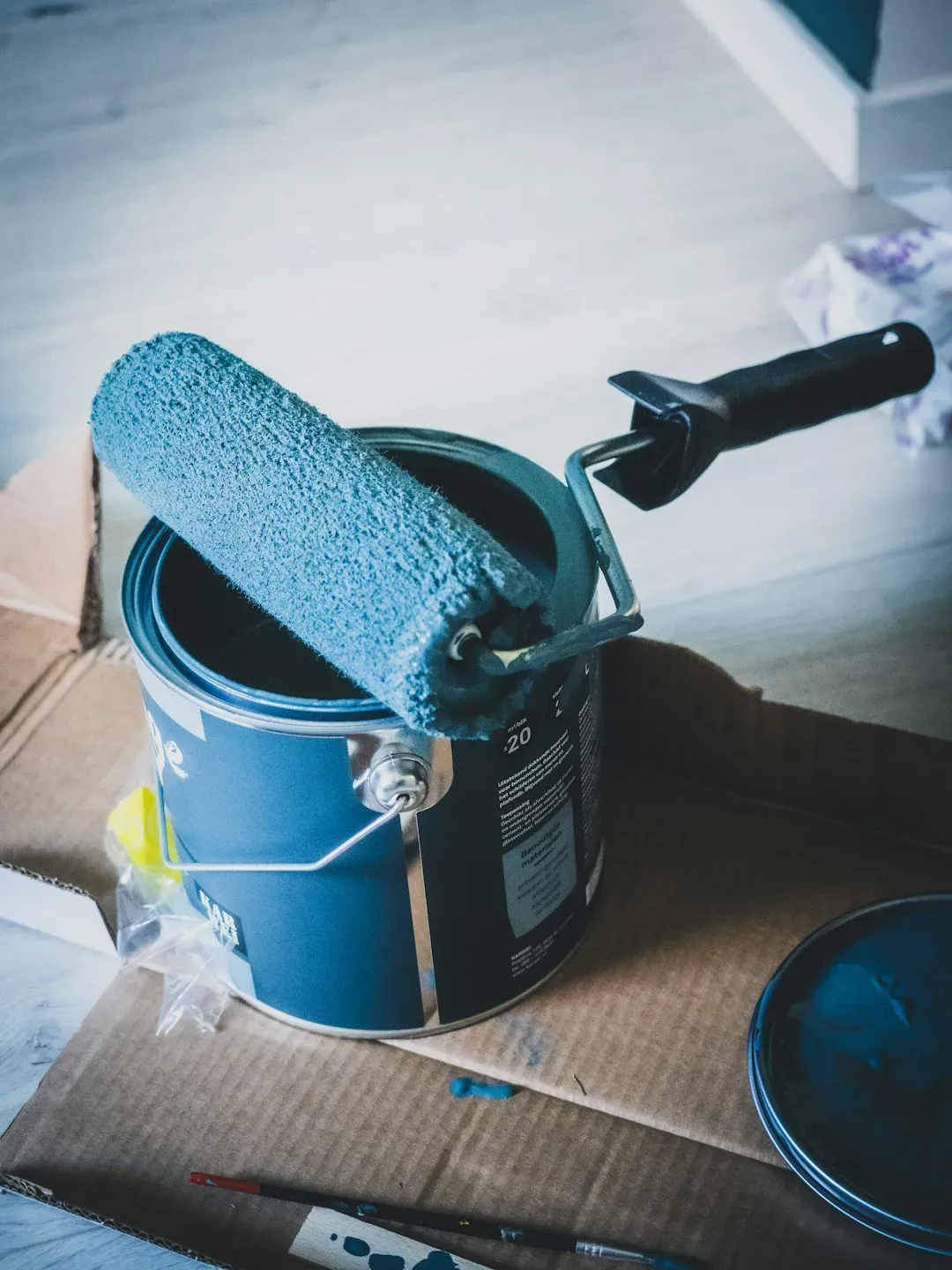
Paint is the easiest thing to change in a home and often the last thing people actually get around to changing. Many homeowners over 50 are still living with wall colors chosen fifteen or twenty years ago – colors that made sense at a different time, in a different chapter of life, perhaps for a different household. Holding onto outdated paint isn’t about sentimentality. It’s usually just inertia.
Color has a direct and measurable effect on how a space feels to inhabit, affecting mood, perceived room size, and even the quality of light. Designers working in 2025 and 2026 have noted a strong move toward warmer, more grounded tones – soft earthy neutrals, quiet terracottas, and muted greens – that feel calm without being cold. Repainting even a single key room with a color that genuinely reflects who you are now, rather than who you were in 2005, can shift the entire feeling of a home in ways that cost very little but mean quite a lot.
The home you’ve built over decades is full of real meaning. None of this is about wiping that away. It’s about recognizing that the objects and arrangements that served an earlier version of your life don’t automatically need to follow you into this one. Letting go of what no longer fits isn’t a loss. It’s simply making room for what actually belongs.