
Selling a home is one of the most emotionally loaded transactions most people ever go through. Years of memories are packed into every room, every repainted wall, every carefully chosen fixture. So when strangers walk through the front door with clipboards and opinions, the gap between what sellers hope to hear and what buyers actually say can be painful.
Buyers usually prefer homeowners to not be there so that they can talk about the property without fear of upsetting the owner. That freedom of speech comes at a cost, though. These are the eleven comments that would genuinely sting if a seller happened to be listening from the next room.
1. "We Could Knock This Wall Right Out"
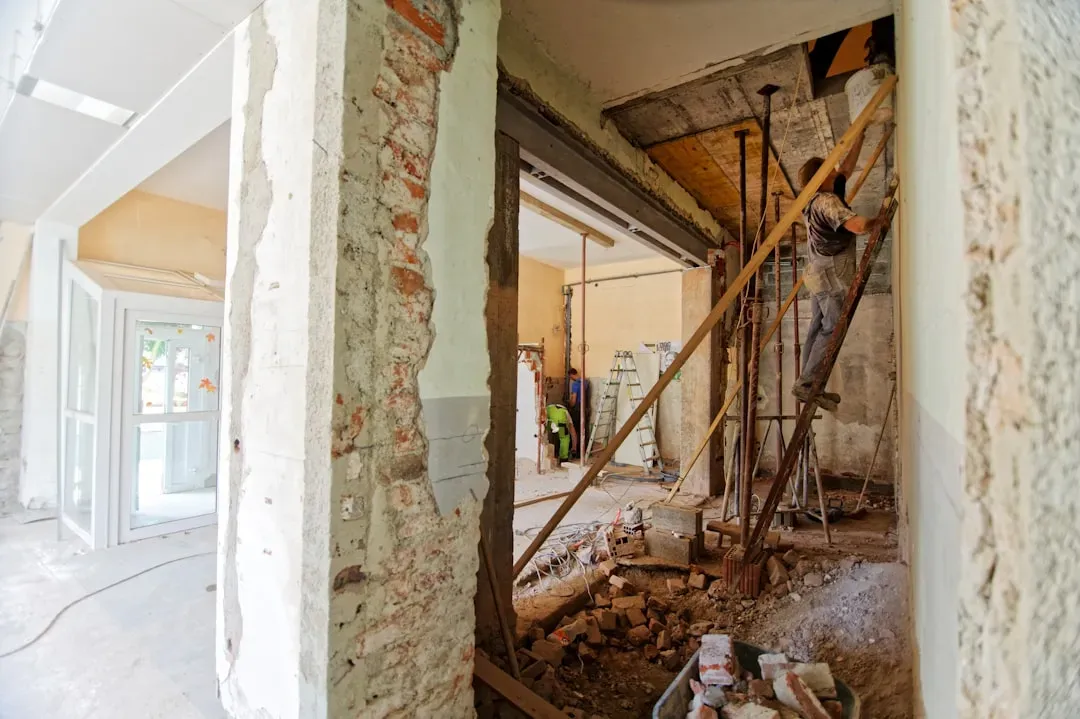
1. "We Could Knock This Wall Right Out" (Image Credits: Unsplash)
Few things hit harder than hearing someone mentally demolish a space you spent months designing. A seller who painstakingly opened up their kitchen or carefully restored original plasterwork isn’t exactly thrilled to hear a buyer treat their home like a blank renovation project. It reduces real effort and real money to a footnote.
Buyer expectations have been ratcheted up by television images, and more than half of buyers are disappointed when the homes they visit don’t live up to what they see on TV, according to the National Association of REALTORS’ 2025 Profile of Home Staging. The renovation-show mentality means buyers walk in seeing potential rather than what already exists, which can feel dismissive to a seller who thought the work was already done.
2. "It Smells a Bit in Here"

2. "It Smells a Bit in Here" (Image Credits: Unsplash)
Smell is the most immediate and visceral impression a home makes, and it’s one sellers are often completely blind to. Living in a space day after day means you simply stop noticing your own home’s scent, whether that’s a beloved dog, a damp basement corner, or years of cooking. Buyers, walking in fresh, notice it within seconds.
A dirty home is one of the quickest ways to turn off potential buyers. When buyers walk through your door, they should be greeted by cleanliness, not dust and stains. Filth can distract them from appreciating your home’s features and lead them to wonder what other hidden issues might be lurking. Odor tends to get filed under the same broad category of neglect, fairly or not.
3. "The Price Is Way Too High for This"

3. "The Price Is Way Too High for This" (Image Credits: Pexels)
This one cuts deep because pricing is already one of the most emotionally charged decisions a seller makes. They’ve likely spent weeks going back and forth with their agent, weighing sentiment against market data. Hearing a buyer dismiss their number in the hallway, casually and without context, is a particular kind of sting.
Though a buyer might be thinking “you’ll never get that price,” it’s best to keep those thoughts private. The home could very well be within range of comparables in the neighborhood. Some sellers aren’t open to lowering their price until they’ve tried their listing price for a couple of months or feel pressured to sell quickly. What sounds like a throwaway comment can actually harden a seller’s resolve rather than soften it.
4. "Their Taste Is Really Not Our Style"
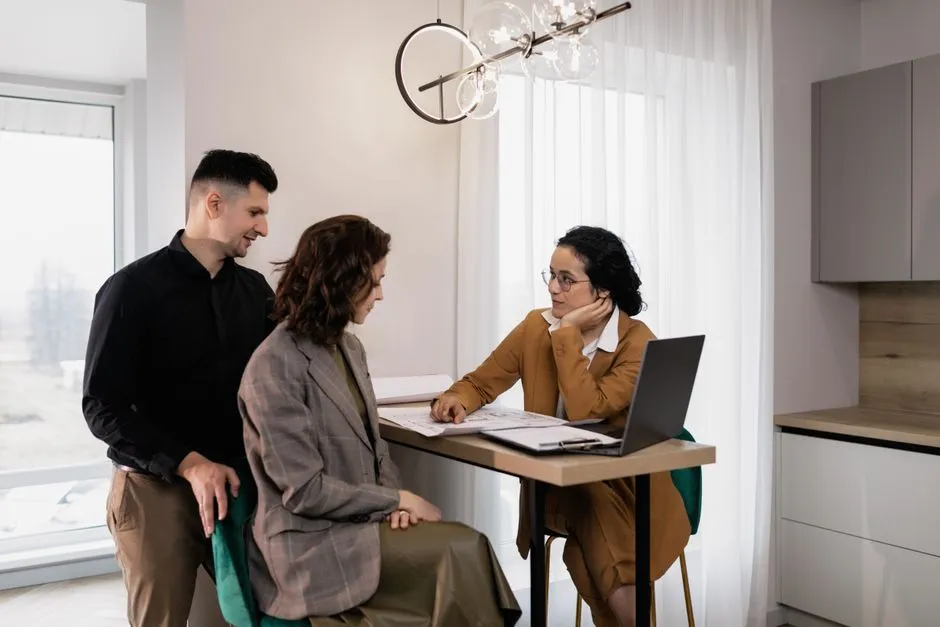
4. "Their Taste Is Really Not Our Style" (Image Credits: Pexels)
Sellers pour genuine personality into their homes. The vintage wallpaper in the dining room, the bold kitchen tile, the carefully curated color palette in the master bedroom: these choices feel like self-expression, not obstacles. Hearing them summarized as someone else’s “not our style” is a quiet humiliation.
The last thing you want to do is distract, offend or provoke buyers. You want them to see the house, not you or your family. The irony, of course, is that stylistic differences are among the easiest things to change after purchase. Buyers who can’t see past the paint color may be walking away from a genuinely solid home.
5. "I Wonder Why They're Really Selling"

5. "I Wonder Why They're Really Selling" (Image Credits: Pexels)
Speculation about a seller’s motives is remarkably common during viewings, and rarely charitable. Buyers whisper theories about divorce, debt, or neighborhood troubles, often with little basis. For a seller who is simply relocating for work or downsizing after the kids have left, overhearing this kind of commentary feels invasive and unfair.
Buyers might be curious to learn why the sellers put their home on the market, but probing questions should be avoided, especially if the sellers’ agent isn’t present. Personal reasons like divorce, job loss, or relocation are none of the buyer’s business. Speculation doesn’t help anyone make a better decision, and it can poison the emotional tone of the entire transaction.
6. "The Rooms Are Smaller Than They Looked in the Photos"

6. "The Rooms Are Smaller Than They Looked in the Photos" (Image Credits: Unsplash)
This one is tricky because the seller probably worked hard to stage and photograph the home well. Wide-angle lenses and clever staging are standard practice, and most buyers understand this going in. Still, hearing it said aloud during a viewing feels like an accusation of deception rather than a simple observation about square footage.
Showing behavior has changed in recent years. With better photos, 3D tours, and online tools, buyers are narrowing their list before they ever set foot in a home. So when someone bothers to show up in person and then leads with disappointment about room size, it tends to suggest they weren’t fully paying attention to the listing details in the first place.
7. "There's a Lot of Work Needed Here"

7. "There's a Lot of Work Needed Here" (Image Credits: Unsplash)
Sellers who have recently completed renovations, fresh painting, or meticulous upkeep find this comment particularly brutal. It suggests that their effort either went unnoticed or wasn’t enough, both of which are deflating to hear. Sometimes buyers use “a lot of work” as a negotiating frame rather than a genuine assessment, but sellers rarely interpret it that generously.
Many buyers don’t want to do even minor work like painting. If a property needs updates, sellers either need to price accordingly or handle them upfront. Today’s buyers interpret flaws as a reason to keep searching, not a reason to negotiate. That buyer mindset makes the casual “needs work” comment especially loaded, because it often signals a walk-away rather than a lower offer.
8. "This Would Be a Great Rental Property"
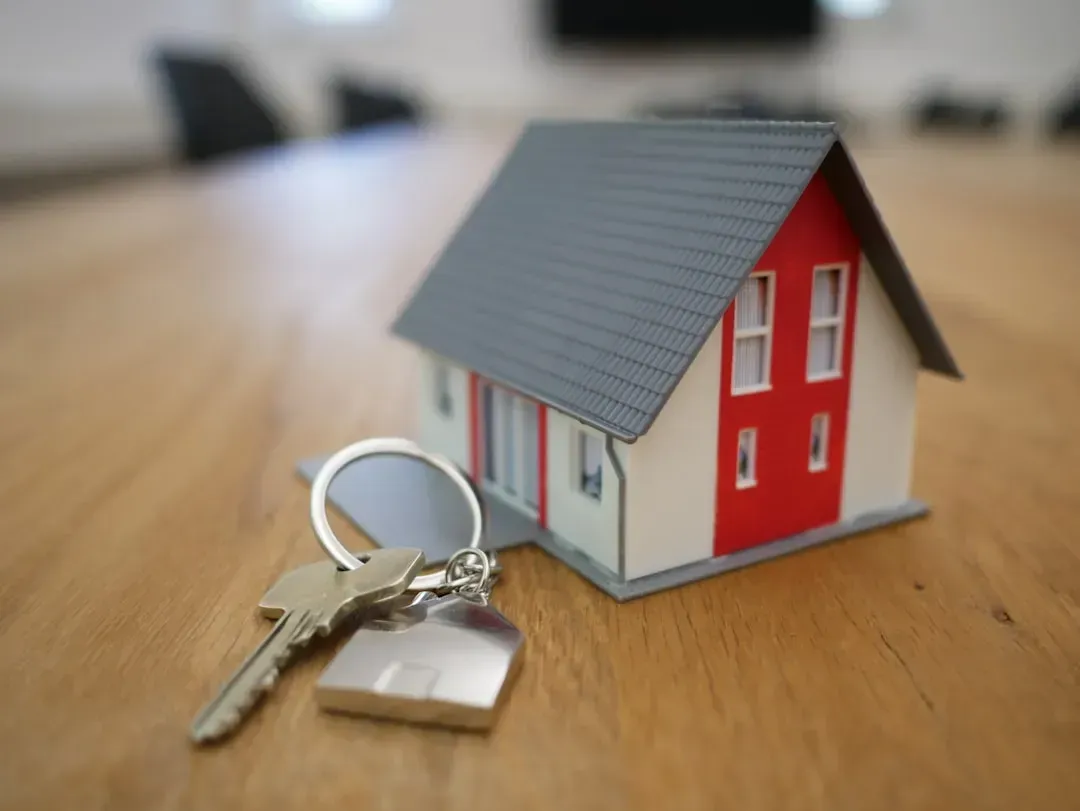
8. "This Would Be a Great Rental Property" (Image Credits: Unsplash)
For a seller who raised a family in their home, this comment reframes the property as a pure financial asset rather than a place with meaning and history. It’s not offensive on its face, but it strips the home of its identity in a way that many sellers find oddly upsetting. A house that was a home becomes a balance sheet item.
Buyers envisioning themselves in the space, imagining their own photos on the mantelpiece, is exactly what sellers hope for, not a detached conversation about yields and tenant turnover. When buyers talk rental potential in earshot, it signals a transactional relationship with the property that can feel cold to someone still emotionally invested in it.
9. "The Neighbors Look a Bit Rough"

9. "The Neighbors Look a Bit Rough" (Image Credits: Pexels)
A seller has almost no control over who lives next door, so hearing this comment is frustrating in a very specific way. It’s not feedback they can act on, improve, or explain away. It also tends to feel like a judgment not just of the street, but of the seller’s own judgment in having chosen to live there.
If a yard looks unkempt, buyers will begin their viewing with a bad impression. As soon as the buyer arrives, they begin judging the home. If the outside looks untidy, in need of repair, or overgrown, buyers start with a negative frame. The surrounding environment sets an emotional tone before anyone even walks through the front door, and sellers know it, which makes off-hand neighborhood comments particularly hard to brush off.
10. "Let's Not Spend Too Long Here"

10. "Let's Not Spend Too Long Here" (Image Credits: Pexels)
This may be the most quietly devastating comment on the list. It signals not just disinterest but active disengagement, a desire to leave before the viewing has even properly begun. For a seller who cleaned for days, rearranged furniture, and vacated their own home to make space for strangers, it’s a gut punch dressed up as casual small talk.
If a seller overhears what might be perceived as a negative comment from a buyer, the seller might form an instant dislike of the buyer. That can interfere with the seller’s ability to be objective about any potential offers from buyers they decided they did not like. In other words, a throwaway comment overheard at the wrong moment can actually derail a deal that might otherwise have worked out for both sides.
11. "We Saw Three Better Ones This Morning"
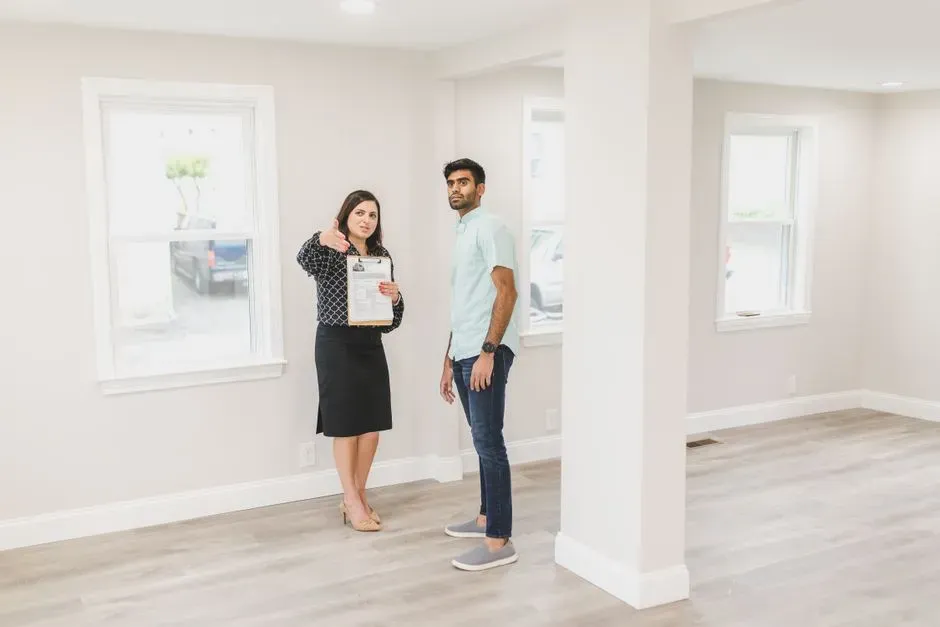
11. "We Saw Three Better Ones This Morning" (Image Credits: Pexels)
Direct comparisons to other properties are the verbal equivalent of being told you came third in a two-person race. Sellers have no visibility into what else is on the market, what those other homes look like, or whether the comparison is even fair. All they hear is that their home, the one they’ve lived in and cared for, ranked below something they’ve never seen.
In a seller’s market, homes often move quickly after just a few showings. In a buyer’s market, things drag out, and buyers have more choices and can afford to be picky. When buyers feel empowered by inventory, comparisons come more freely. That doesn’t make them easier to overhear. A seller standing just out of sight in the kitchen, waiting for feedback, deserves better than a casual ranking system delivered in the hallway.
The viewing process asks sellers to do something genuinely difficult: step aside, hold their tongue, and trust strangers to appreciate what they’ve built. Most buyers mean no harm by what they say. They’re processing, comparing, thinking aloud. Still, the words land somewhere, and the gap between a buyer’s casual observation and a seller’s lived experience is wider than most people realize while they’re talking.