
Three words. Two syllables. One of the most loaded phrases in the English language. “I’m fine” has been the default human deflection for decades, spoken by people who are anything but fine, across kitchen tables, therapy waiting rooms, and awkward workplace check-ins. Most of us have said it. Most of us have meant something entirely different.
What makes this phrase so fascinating, though, is that it doesn’t mean the same thing across generations. Therapists who work with clients spanning multiple age groups notice this constantly. The words are identical, but the emotional weight behind them, and what the speaker actually needs, can differ dramatically depending on when they were born and what they were taught about feeling things out loud.
The Silent Generation: Silence Was the Only Safe Option
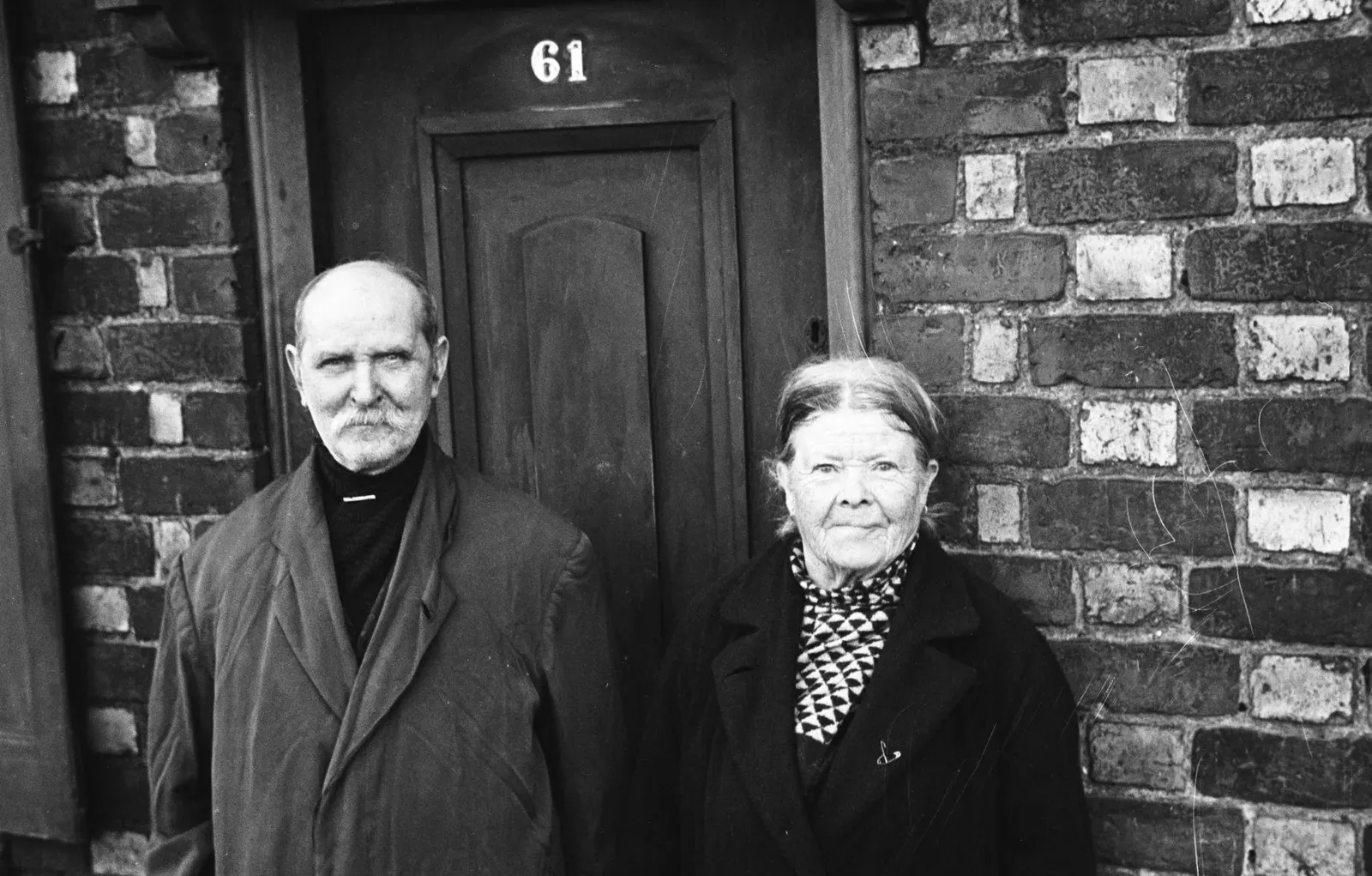
The Silent Generation: Silence Was the Only Safe Option (This image is available from the National Library of Wales You can view this image in its original context on the NLW Catalogue, <a href="https://commons.wikimedia.org/w/index.php?curid=155768961" target="_blank" rel="noopener">CC BY-SA 4.0</a>)
During the Great Depression and World War II, survival was the ultimate goal, and sacrifice was the greatest virtue. Many people stayed quiet about the emotional and mental difficulties they faced to help ensure their financial, social, physical, and relational survival – sometimes sacrificing their mental health in the process. For people born between roughly 1928 and 1945, "I'm fine" wasn't deflection. It was identity.
The Silent Generation grew up during a time of economic and political uncertainty and has been characterized as more conformist, playing by the rules, and less likely to speak up out of fear of consequences. Because of this generation's penchant for stoicism and self-reliance, its members have had difficulty recognizing their mental health struggles and are less likely to seek help. When a member of the Silent Generation says they're fine, therapists understand this often means a genuine belief that nothing more needs to be said, not suppression in the modern sense, but a deeply held conviction that private pain is private.
Baby Boomers: Resilience as a Badge, Vulnerability as a Weakness

Baby Boomers: Resilience as a Badge, Vulnerability as a Weakness (Image Credits: Pexels)
Baby Boomers show much lower rates of therapy-seeking behavior. Their lower rate of engagement can reflect a cultural background shaped by different societal norms around mental health, where there has traditionally been a stigma associated with seeking help. For this generation, "I'm fine" functions almost as a point of pride. Admitting otherwise feels uncomfortably close to failure.
Boomers are more likely to emphasize resilience, self-reliance, and the belief that personal struggles should be handled privately – that seeking help is a weakness, resulting in a hesitance to seek external support like therapy. Baby Boomers often view therapy with some skepticism but can be receptive to traditional modalities once the value and confidentiality are assured. For this generation, therapy often focuses on life transitions, such as retirement or grief. When a Boomer says they're fine, there's frequently something real underneath it, but they may sincerely believe that dealing with it alone is the honorable path.
Generation X: The "I'm Fine" That Comes With a Sardonic Shrug

Generation X: The "I'm Fine" That Comes With a Sardonic Shrug (Image Credits: Pexels)
Raised in an era of latchkey kids, grunge music, and the firm belief that "life isn't fair," Gen Xers developed a unique blend of self-reliance and cynicism. They didn't have participation trophies, and they certainly didn't have safe spaces. Gen X's version of "I'm fine" tends to arrive wrapped in dark humor or a casual tone that signals the speaker knows they're not fine, but has made a kind of peace with not talking about it.
Gen X was raised by people who didn't talk about their pain. Not because it wasn't there, but because silence was safer. The Boomer generation, raised in the shadows of war, internalized the message that emotions were luxuries – that you coped by minimizing and survived by suppressing. Therapists who work with Gen X clients often describe encounters where the client has remarkable self-awareness, can name exactly what's wrong, then swiftly pivot to explaining why it's not worth addressing. That pivot is the real "I'm fine."
Millennials: "I'm Fine" After Extensive Research Into Why They're Not

Millennials: "I'm Fine" After Extensive Research Into Why They're Not (Image Credits: Pexels)
Millennials tend to favour holistic approaches and are more likely to seek therapy compared to previous generations. They frequently address burnout, career pressures, and self-esteem issues, and this group favors trauma-informed therapy and is highly motivated to break cycles of generational trauma. Despite this openness, Millennials carry a particular burden: they have the language for their feelings, often a very sophisticated vocabulary, but are still conditioned to perform stability for others.
Millennials and Gen Z encourage children to name feelings, seek support, and share personal struggles rather than hide them, and those born between 1981 and 2012 value transparency and frequent communication. Yet in the real moment of a stressful encounter, a Millennial saying "I'm fine" is frequently managing your feelings about their feelings. They don't want to be a burden. They've read the articles about boundaries and emotional labor, and they're terrified of being too much.
Gen Z: "I'm Fine" as Protective Irony in the Age of Oversharing

Gen Z: "I'm Fine" as Protective Irony in the Age of Oversharing (Image Credits: Pexels)
Members of Gen Z often struggle with interpersonal boundaries, largely because they have grown up in a digital world where they are constantly connected and expected to communicate with others. This creates a curious paradox. Gen Z is perhaps the most emotionally literate generation in recorded history, yet therapists note that "I'm fine" in their mouths can signal something more complex: a choice to withhold from spaces that feel unsafe, performative, or exhausting.
Some Gen Z clients may find it difficult to start a conversation with their counselor. They may not know how to explain or even identify what they are feeling. The irony is rich. A generation that posts about therapy, references attachment styles casually in conversation, and comfortably discusses dissociation can still freeze when asked directly how they are. Their "I'm fine" often means: "I don't trust this space yet, or I'm so overwhelmed that I genuinely can't locate the feeling."
The Role of Emotional Suppression Across All Ages

The Role of Emotional Suppression Across All Ages (Image Credits: Unsplash)
Emotional suppression is the act of pushing emotions down or pretending they don't exist. People who suppress often feel disconnected from their own feelings. They may appear calm on the outside while struggling internally with anger, sadness, or fear. This pattern is not exclusive to any one generation. It cuts across all of them, just with different costumes on.
Over time, emotional suppression can have serious mental and physical health effects. Research shows it is linked to higher levels of anxiety, depression, poor sleep, digestive issues, and even cardiovascular problems. It also affects relationships, since emotional suppression can create distance and a lack of intimacy with others. Therapists consistently name "I'm fine" as one of the key entry points into this pattern, regardless of the client's age. It's where the work often begins.
How Therapists Actually Decode the Phrase
How Therapists Actually Decode the Phrase (Image Credits: Unsplash)
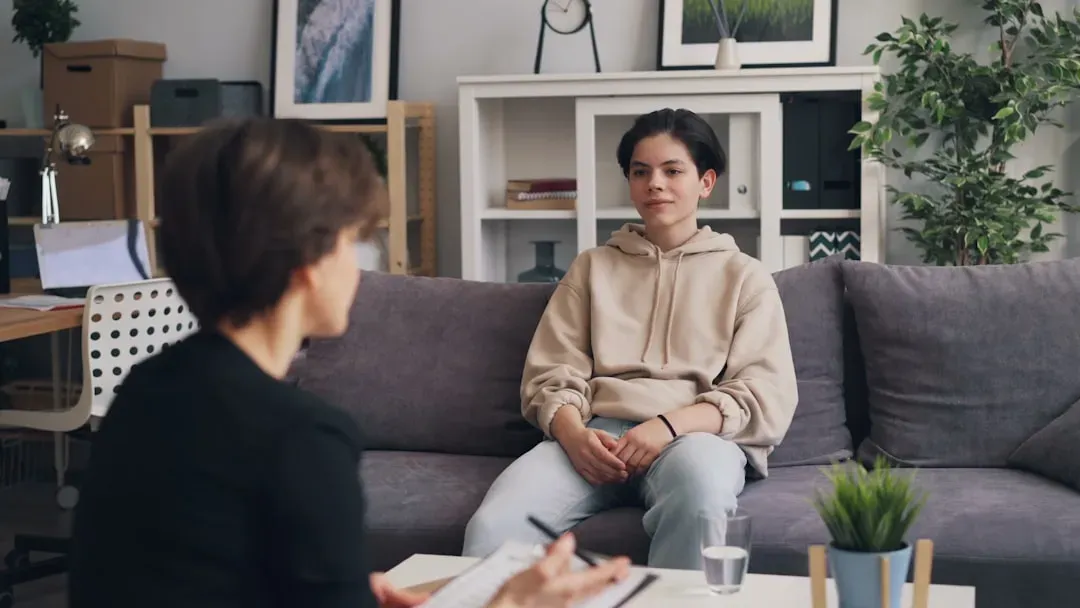
Mental health awareness is evolving, but it's taken generations to reach the conversations we're having today. Each generation brings unique views shaped by cultural norms, societal pressures, and available resources. Understanding these generational shifts helps us see how far we've come and how we can continue to support each other across generations. Skilled therapists don't take "I'm fine" at face value, but they also don't challenge it head-on. The approach varies by generation.
Boomers and older Gen Xers often struggle to understand why young adults today seem so anxious and overwhelmed, saying they had tough times too but just got on with it. Meanwhile, younger clients are often emotionally intelligent but burned out, carrying the weight of the world on their shoulders while also grappling with the fear that they aren't doing enough. A good therapist reads the generation in the room. For a Silent Generation client, creating trust takes longer. For a Millennial, naming the fear of being too much can unlock everything in a single session.
Why Mental Health Struggles Are Getting Worse for Younger Generations

Why Mental Health Struggles Are Getting Worse for Younger Generations (Image Credits: Unsplash)
The most alarming trend continues to be the progressively diminished mental health and wellbeing among younger generations, with each younger generation experiencing a steeper drop in mind health during the pandemic years. This context matters when interpreting what "I'm fine" means for Gen Z or even younger Millennials. They're not being dramatic. The data backs up the weight they're carrying.
While older adults are doing relatively well, a near majority of younger adults are experiencing functionally debilitating struggles or distress. Despite significant spending on mental health in many Western countries over the past decade, this generational decline persists. When a young person says they're fine in this climate, it's worth pausing. They may have normalized a level of strain that no previous generation would have accepted as baseline.
What Therapists Actually Want You to Say Instead

What Therapists Actually Want You to Say Instead (Image Credits: Unsplash)
The approach for helping different generations varies. For older clients, the emphasis is on resilience, self-care as strength, and the idea that seeking help benefits families and communities. For Gen X, the focus is on the practical benefits of mental health care, like better productivity and managing stress in caregiving roles. None of these framings are accidental. They meet each generation on its own terms, using the language that makes openness feel safe rather than threatening.
When stoicism is taken too far or misunderstood, it can lead to emotional suppression, isolation, and avoidance of support. A balanced approach that allows for both emotional awareness and resilience tends to be healthier. The goal isn't to get everyone pouring their hearts out at every check-in. It's something more modest and more durable: enough safety to say something a little more honest than "I'm fine," when you're not. That small shift is where most meaningful therapeutic change actually starts.