
There’s a particular kind of worry that quietly settles into adult children as their parents age. It’s not dramatic. Nobody calls the doctor in a panic. It’s more like a low hum of concern that starts when you notice a parent hasn’t mentioned friends in months, or when the fridge looks emptier than it should, or when they wave off a check-up with a “I’m fine, don’t fuss.” The concern is real, even when it’s never said out loud.
What makes these situations tricky is that the habits themselves are often subtle. They don’t look alarming from the outside, and many older adults don’t see them as problems at all. Research has found that adult children perceive their parents as acting in ways that suggest concern more often than parents recognize those same behaviors in themselves, and this gap in perception directly affects how families relate to and support one another. The nine patterns below are the ones that come up most often, quietly, in families navigating this terrain.
1. Quietly Skipping Medications

1. Quietly Skipping Medications (Image Credits: Unsplash)
It often starts innocuously. A pill forgotten here, a refill not picked up there. Too many seniors in the U.S. are skipping their prescription medications due to cost, with the problem being most acute among those who are poor or chronically ill. The scale of it is striking: nearly nine in ten Americans aged 65 or older have been prescribed at least one prescription medicine.
A 2024 report from the health policy nonprofit KFF found that nearly a quarter of adults aged 65 and older report difficulty affording their prescription drugs. A study published in JAMA Network Open found that roughly one in five older adults don’t take their medication as prescribed due to cost. Adult children rarely hear about this directly. The parent doesn’t want to seem like a burden, so the pills quietly go untaken.
2. Withdrawing from Social Life
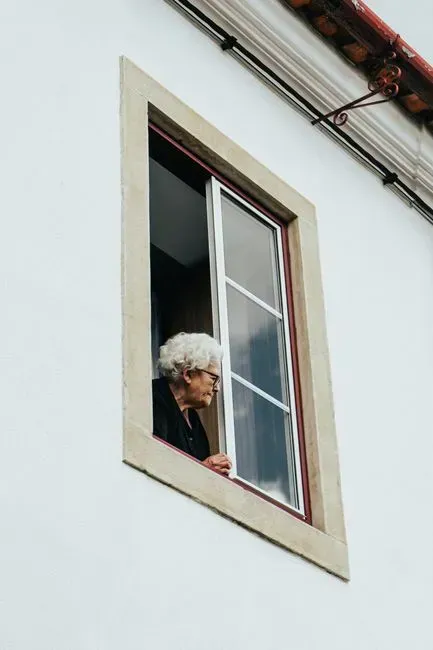
2. Withdrawing from Social Life (Image Credits: Pexels)
A missed birthday dinner becomes two missed gatherings, then three. Before long, a parent who was once socially active is spending most days alone, and calling it preference. Social isolation and loneliness affect a significant portion of the older adult population and negatively impact chronic, noncommunicable diseases. The withdrawal tends to happen so gradually that adult children may not clock the change until it’s well established.
Rates of depression, substance-related harm, and suicide among older adults remain significant, and although awareness of loneliness and social isolation has increased alongside community responses, mental health continues to be an area where many older adults face barriers to care. Parents are often the last people to admit this is happening, partly out of pride, and partly because it’s hard to name.
3. Changing Eating Habits Without Saying Why

3. Changing Eating Habits Without Saying Why (Image Credits: Unsplash)
Skipping meals, eating the same minimal foods repeatedly, or quietly losing weight are patterns that quietly worry adult children who notice them during visits. Older adults often acknowledge the connection between diet and health, yet their dietary practices frequently fail to meet nutritional recommendations, and loneliness and social isolation tend to influence food choices and cooking routines, often leading to less nutritious diets.
Research has shown that elderly people living alone sometimes downplay the risks to their health from not eating well, often due to unwanted loneliness, chronic health problems, financial insecurity, and emotional difficulties. The habit isn’t just about food. It reflects a broader sense of diminished motivation that can be hard for a parent to articulate, and hard for a child not to notice.
4. Insisting on Driving Past the Point of Comfort
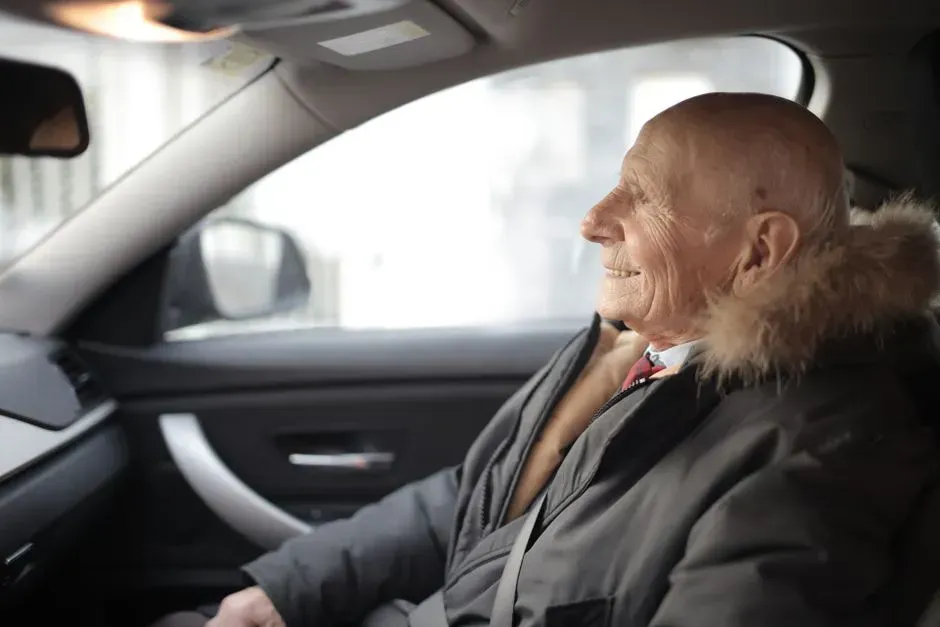
4. Insisting on Driving Past the Point of Comfort (Image Credits: Pexels)
Driving is tied deeply to independence for many people who grew up when owning a car was a rite of passage. Giving it up, even partially, can feel like losing a part of the self. Adult children often sense the hesitation long before any real conversation happens. Research confirms that driving cessation is associated with a higher risk of social isolation in older adults.
Studies using national aging data found that past-year non-drivers had more than double the odds of being in a higher social isolation category compared to active drivers. This creates a genuine dilemma for families. The worry isn’t only about safety on the road. It’s about what happens to a parent’s social world if they stop driving entirely, and how to have that conversation without it turning into a fight.
5. Brushing Off Medical Appointments

5. Brushing Off Medical Appointments (Image Credits: Unsplash)
Routine check-ups get postponed. A lingering ache gets dismissed as “just aging.” A referral to a specialist stays on the counter for weeks. Financial burdens can deter elderly individuals from seeking healthcare, and lead to skipped medications, inadequate nutrition, and social isolation. Cost is one reason. Stubbornness is another. Sometimes it’s a quiet fear of what might be found.
People aged 60 and above continue to experience unmet healthcare needs regardless of where they live, and around two in three people who reach older age are likely to require longer-term support and care to perform activities of daily living. Ageist stereotypes that incorrectly assume poor health is natural and unavoidable in later life prevent many older people from receiving the care they need, and these stereotypes are commonly held by both care professionals and older people themselves. Adult children pick up on the avoidance, even when they can’t name it.
6. Disrupted or Significantly Changed Sleep Patterns
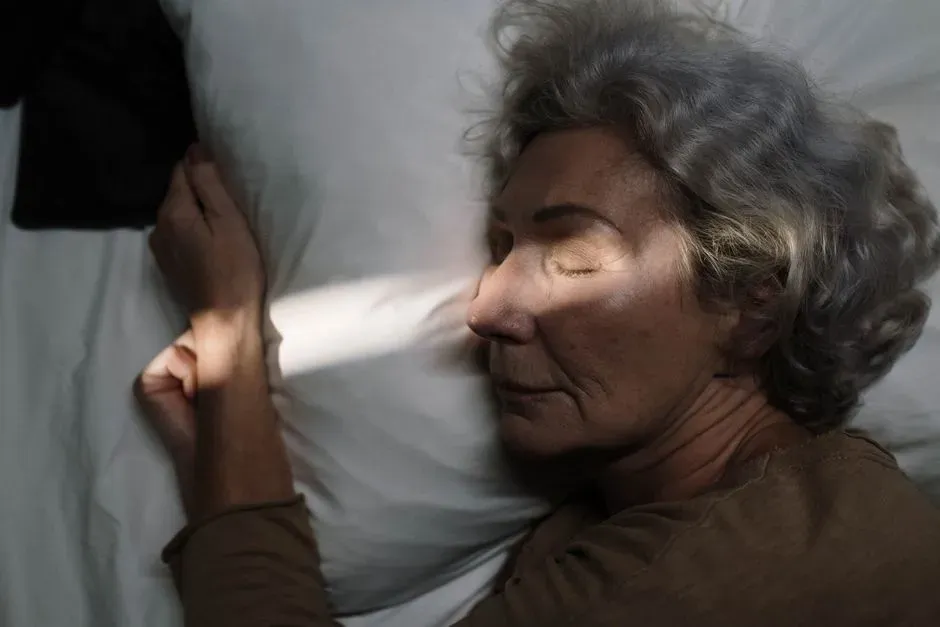
6. Disrupted or Significantly Changed Sleep Patterns (Image Credits: Pexels)
Going to bed at 7 p.m., waking at 3 a.m., napping through afternoons. Sleep patterns can shift noticeably after 60, and while some change is biologically normal, the scale of the disruption sometimes signals something more. The need for sleep does not decrease with age, but changes in sleep physiology and architecture, especially the decline in sleep efficiency, may make it more difficult to get restorative rest.
Adult children often notice these changes when they visit or call and can’t reach a parent at an unexpected hour. The concern is less about the sleep itself and more about what might be driving it. Anxiety, depression, pain, and medication side effects are all known contributors to sleep disruption in older adults. Brain health remains a central concern as the population ages, and research continues to examine how cognitive engagement, physical activity, sleep, and social connection interrelate. The habit looks like a small lifestyle quirk. It can point to something worth discussing.
7. Dismissing Falls or Near-Falls

7. Dismissing Falls or Near-Falls (Image Credits: Unsplash)
A slip on the back step gets mentioned in passing. A stumble in the hallway gets laughed off. Many older adults downplay falls to avoid the conversation they know will follow, where their children suggest grab bars, different shoes, or moving somewhere easier to manage. Fall prevention is increasingly recognized as a public health priority, as falls remain a leading cause of injury and injury-related death among older adults, with physical changes such as declining vision or balance, combined with environmental hazards in the home, significantly increasing fall risk.
These findings have renewed attention on home safety, strength and balance training, and vision care, and there is growing recognition of the role of resistance and balance training in maintaining mobility and reducing injury risk. The adult child’s worry here is legitimate and well-supported by evidence. The parent’s instinct to wave it off is equally understandable. Neither side usually mentions it directly.
8. Becoming Noticeably More Stubborn About Routines
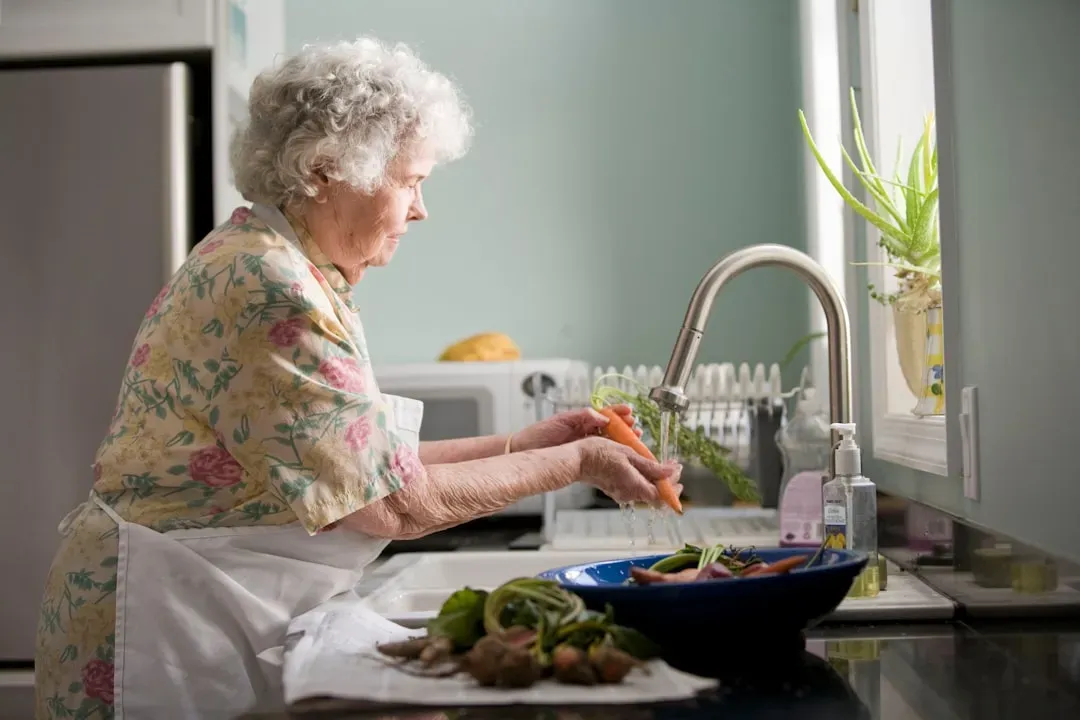
8. Becoming Noticeably More Stubborn About Routines (Image Credits: Unsplash)
A rigid insistence on doing things the same way, resisting any kind of help, or digging in when suggestions are offered. It can read as difficult behavior, but the research suggests it’s more layered than that. Aging parents may respond to advice or help with daily problems from their grown children by insisting, resisting, or persisting in their ways or opinions. Daily diary research has found that when adult children and aging parents are interacting in a given week, behaviors commonly attributed to stubbornness are perceived to occur on roughly one in four days.
Interestingly, greater occurrence of daily insistence is also associated with greater positive relationship quality overall, possibly because when the parent-child relationship is stronger, the adult child is more attuned to the parent’s behavior and more concerned when a parent acts counter to what they’d expect. In other words, the worry is often a byproduct of closeness, not conflict. That’s cold comfort when you’re trying to convince your father to accept a handrail.
9. Quietly Scaling Back on Things They Used to Love
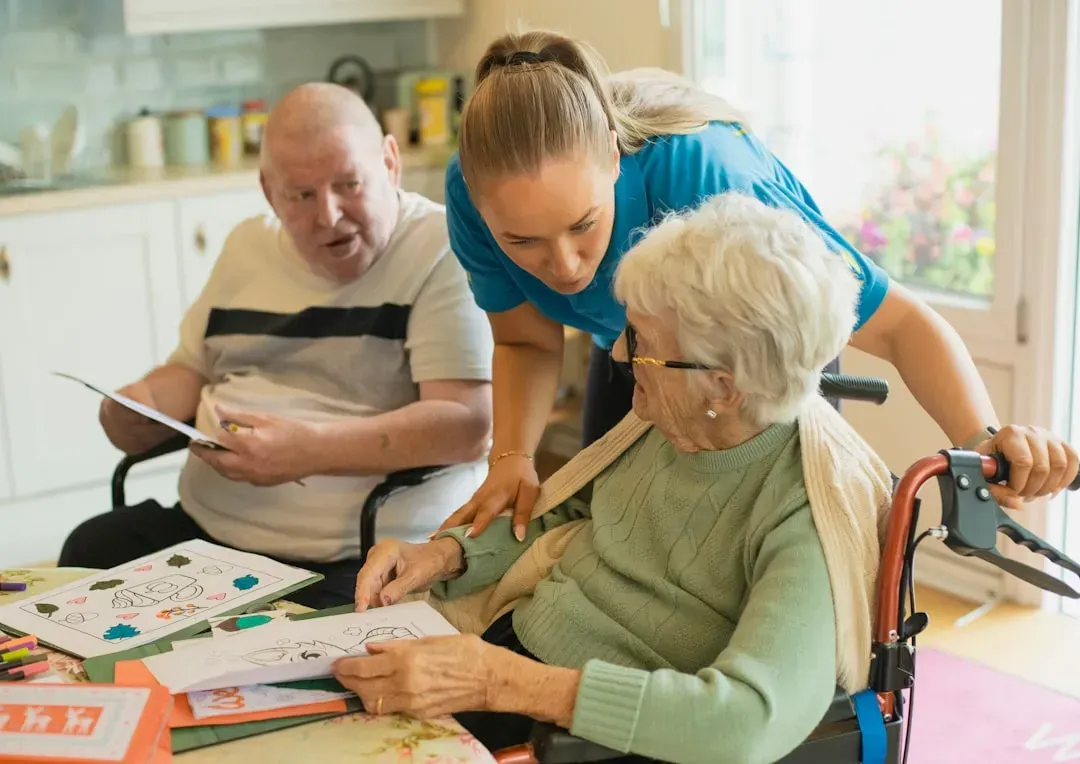
9. Quietly Scaling Back on Things They Used to Love (Image Credits: Unsplash)
Hobbies abandoned. Garden left untended. Books unread. A parent who once loved cooking now heats frozen meals. These are the habits that are hardest to name but perhaps most telling. Research on adult children caring for aging parents has identified a dynamic process in which caregivers must adapt to parental behavioral changes and navigate both emotional and practical demands, often confronting uncertainty along the way.
The gradual withdrawal from pleasurable activities can be a quiet marker of depression, cognitive change, physical limitation, or simply the unspoken grief that sometimes comes with aging. Increased longevity is correlated with a higher prevalence of noncommunicable diseases, and older adults face compounded risks of social isolation and loneliness that further impact mortality and health outcomes. Adult children notice the empty hobbies room and feel the weight of it. The parent usually just says they’ve gotten out of the habit. Nobody says what they’re both thinking.
The difficulty with all nine of these habits is that none of them are easy to raise at the dinner table. There are often basic differences within families about day-to-day goals that impact how families provide care or support, and these differences are likely a barrier to offering that support in the first place. Most adult children who recognize these patterns aren’t looking to take over their parent’s life. They’re looking for an opening, a way in, without making the person they love feel diminished.
That conversation, quiet and imperfect as it tends to be, is usually worth having. The habits listed here are rarely emergencies on their own. Together, over time, they can become ones.